Amsterdam, Barcelona, Santorini, Dubrovnik and Malta’s Blue Lagoon are among the European destinations imposing caps, booking systems and restrictions as global travel rebounds
Some of the world’s best-known holiday destinations are imposing caps, booking systems and cruise restrictions as tourist numbers surge back towards record levels.
Amsterdam, Barcelona, Dubrovnik, Santorini and Malta’s Blue Lagoon are among the places taking action to reduce pressure on residents, housing, streets, ports and fragile natural sites.
The measures are highlighted in Wanderlust’s fourth annual Travel Green List, which argues that sustainable travel is now moving beyond eco-hotels and carbon claims into tougher questions about how destinations manage crowds.
Its list cites UN Tourism figures showing that 1.1 billion people travelled internationally between January and September 2025, up five per cent on the same period in 2024.
More people are expected to travel this year, increasing pressure on destinations already struggling with crowded streets, cruise passengers, short-term lets and strained infrastructure.
Amsterdam has capped tourist overnight stays at 20 million a year and introduced a policy allowing new hotels only if another hotel closes.
The Dutch capital has also introduced a hard cap of 100 sea-cruise calls a year, with cruise day-trippers now paying a €15 tourist tax.
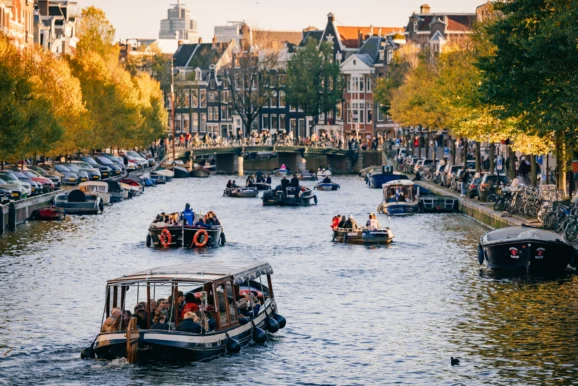
Wanderlust says reports suggest the long-term aim may be to ban cruises from the city centre by 2035 because of the cost of relocating the terminal.
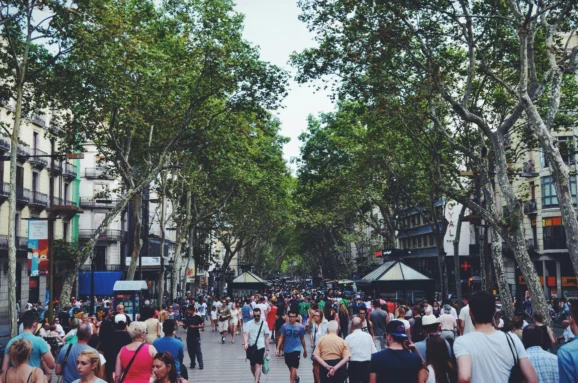
Barcelona, which has seen resident protests over the impact of tourism, is targeting short-term rentals.
Mayor Jaume Collboni has announced plans to withdraw licences for more than 10,000 Airbnb-style apartments by 2028, after rents rose by more than 68 per cent in recent years.
The move is intended to address one of the central complaints around overtourism – local people being priced out of their own neighbourhoods.
Dubrovnik has introduced a city-wide tourism management plan under its Respect the City initiative.
The Croatian city is using a modernised park-and-ride scheme, a reservation system, real-time people counters and a low-traffic zone around the Old Town to reduce congestion.
Its Dubrovnik Pass also tracks visitors at key sites through an online portal, encouraging tourists to avoid the busiest times and places.
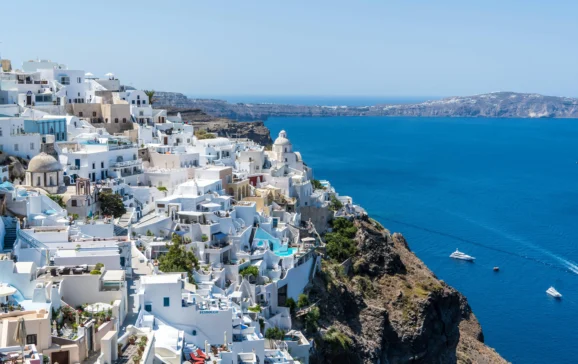
Santorini, meanwhile, has moved to limit cruise tourism by capping cruise visitors at about 8,000 a day.
Peak-season cruise numbers had previously reached between 15,000 and 17,000 a day, according to the list.
A €20 passenger levy introduced in 2025 has already affected berthing requests from larger cruise ships, with arrivals expected to fall 18 per cent in 2026.
At Malta’s Blue Lagoon, where crowds have become so heavy that parts of Comino Island have been described as standing room only, visitors must now book time slots online.
The system, launched in May 2025, divides visits into morning, afternoon and evening sessions, with a cap of 4,000 people at any one time and 12,000 a day.
The designated swimming zone has also been expanded by 12 per cent to reduce crowding in the water.
Malta’s Tourism Board reported that the maximum number of people recorded at any one time last summer was 3,830, compared with peaks of 12,000 the previous summer.
Wanderlust said the examples show destinations are beginning to regulate visitor numbers rather than simply chasing growth.
Its verdict said the next step is to collect feedback from residents, travellers and tour operators to measure the impact on the ground.
Wanderlust said: “Tourism is becoming more accessible, and we are increasingly seeing the real-world impact of busier, more crowded destinations.”
The magazine added: “It’s inspiring to see tourism-driven destinations make plans for regulating visitor numbers. The next step is to collect feedback from residents, travellers and tour operators to see the impact on the ground, as well as reporting the challenges and wins.”
The wider Green List includes 101 destinations, initiatives and places to stay that the magazine says show travel can support communities, conservation and culture.
In Africa, the list highlights Kenya’s Namunyak Community Conservancy, established by Samburu Elders in 1995, where tourism is linked to land regeneration and wildlife recovery.
The Seychelles is recognised for conservation work across Silhouette, Félicité and Aldabra Islands, including efforts to protect hawksbill turtles, sheath-tailed bats and giant tortoises.
In Europe, examples include Oslo’s electric transport and clean-energy floating saunas, Freiburg’s car-light old town and renewable-powered public buildings, and Slovenia’s Ljubljana, where heritage craft workshops are being used to connect visitors with local artisans.
The list also highlights Tilos in Greece, which is self-sufficient in solar and wind energy and has adopted a zero-waste initiative, with 80 per cent of its rubbish currently composted, reused or recycled.
In Australasia and the Pacific, Kaikōura in New Zealand is recognised for responsible whale and dolphin watching, with safe distances and speed limits set by the Department of Conservation.

Queensland’s Master Reef Guides Programme is included for training marine experts to interpret the Great Barrier Reef for visitors while helping to monitor its condition.
In Asia and the Middle East, Jordan is recognised for sustainability measures including wind and solar power, conservation boardwalks and community-based tourism.
Sir Bani Yas Island in Abu Dhabi is included as a royal nature reserve that is home to 11,000 animals, many of them critically endangered or vulnerable.
Cambodia’s Cardamom Tented Camp is recognised for using part of its profits to fund 18 forest rangers in Botum Sakor National Park, where 1,175 snares were removed in 2024.
In the Americas, Costa Rica is recognised for 400 lodges, hotels and tour companies operating under its Certification for Sustainable Tourism scheme.
Raleigh in North Carolina is highlighted for locally owned businesses, cultural heritage and investment in green spaces, while Tobago Cays Marine Park is recognised for using visitor and mooring fees to protect coral reefs, seagrass beds and threatened species.
The Green List also includes women-led textile workshops in Peru’s Sacred Valley, where 135 Indigenous women introduce visitors to traditional dyeing and weaving.
Wanderlust said the quality and scale of sustainability work in travel had increased since the list was first created four years ago.
The publication said this year’s examples showed a stronger understanding that responsible tourism must protect local communities as well as nature.
“When we began curating this annual list four years ago, the global travel industry was battling how to tackle and talk about genuine sustainability.
“While there were remarkable initiatives already in place around the world, there were few operators that understood the work needed to create a more sustainable tourism model – one that considers the lived experience of local residents and the need for richer travel encounters and the preservation of nature,” it said.
It added: “We’re pleased to report that the situation is changing. Many of the nominations we received this year showed the understanding that sustainability in travel is achieved by creating a healthy and secure environment for local communities.
“Overall, the scale and standard of work being done globally have significantly increased.”
READ MORE: How Japan’s beer-and-ski city became a global testbed for green AI. As the energy demands of artificial intelligence intensify, Japan’s northern city of Sapporo is emerging as a proving ground where renewable power, advanced infrastructure and government policy converge to test whether large-scale AI growth can align with decarbonisation, writes Andrea Busfield.
Do you have news to share or expertise to contribute? The European welcomes insights from business leaders and sector specialists. Get in touch with our editorial team to find out more.
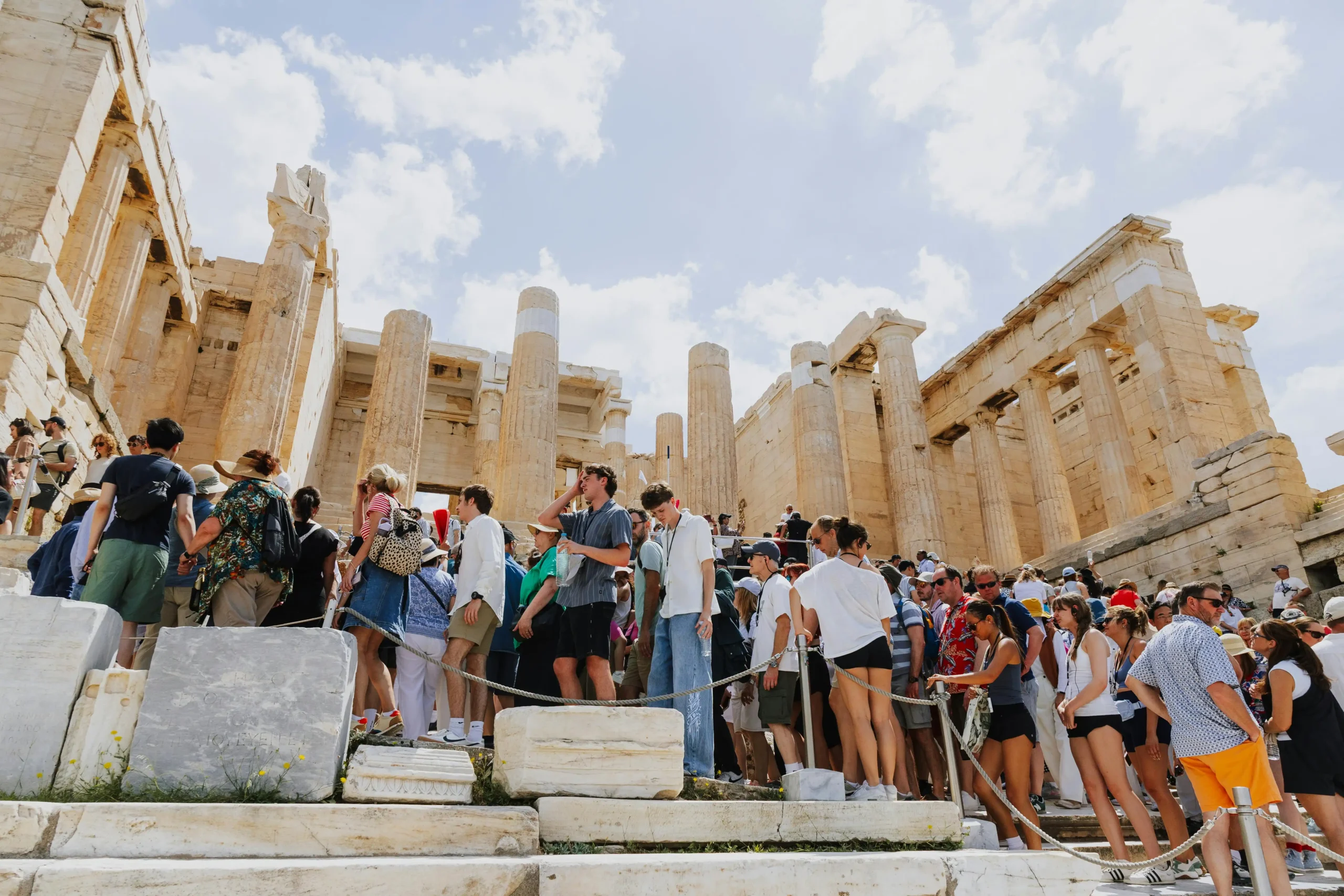
Main image: Tourists queue at the Acropolis in Athens as popular destinations across Europe look for new ways to manage visitor pressure and protect historic sites. Credit: Pexels