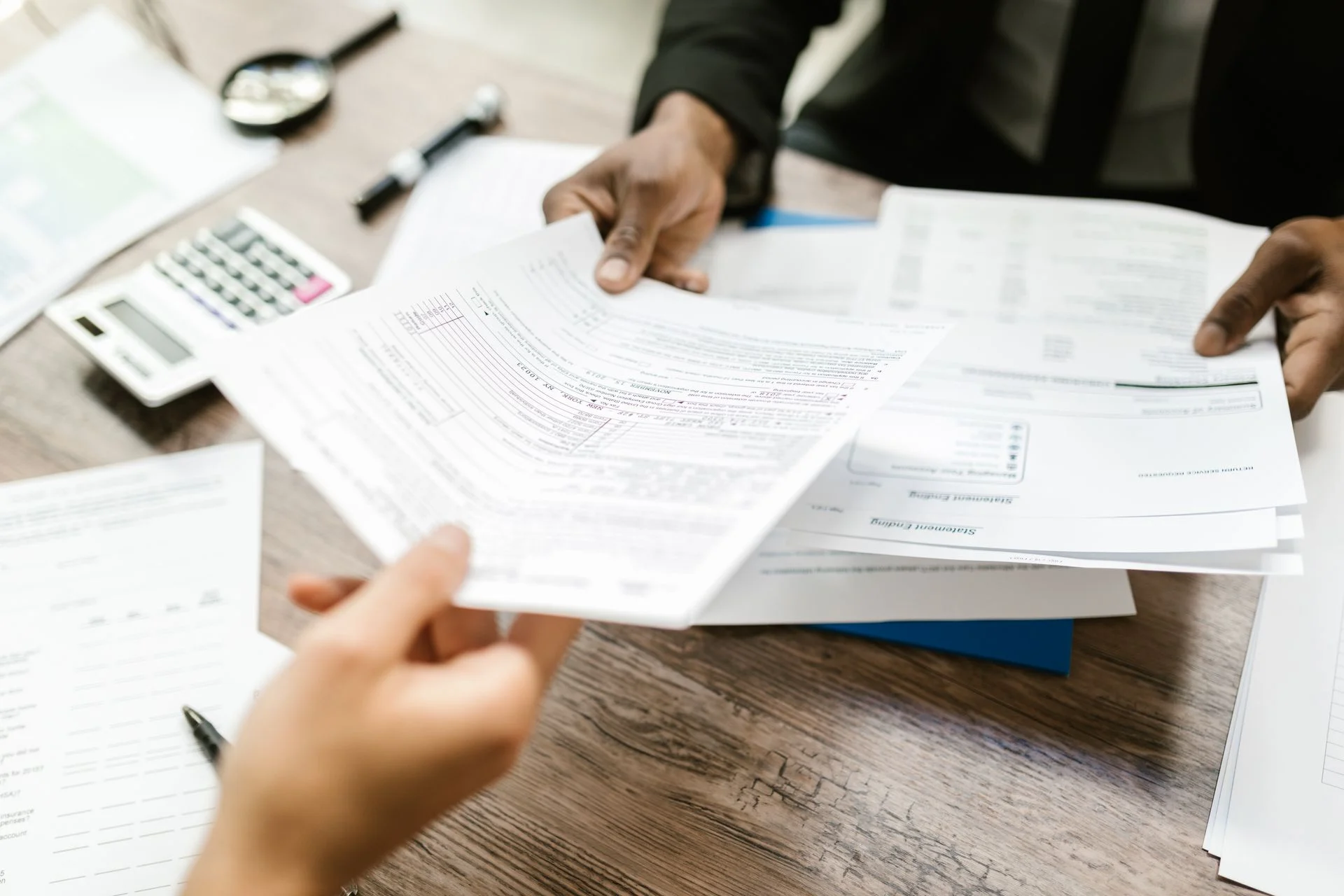
Ofcom has outlined plans for passport, banking and facial age checks as Britain prepares to ban under-16s from social media in 2027, with tougher verification requirements than those introduced in Australia
Millions of social media users could be asked to prove their age using passports, driving licences, banking information or facial scans under new plans to ban children under 16 from major online platforms.
Ofcom today outlined four methods it believes could reliably establish whether someone is old enough to use social media, ahead of restrictions expected to come into force in 2027.
The proposals, which could also affect adults using services such as Instagram, TikTok, Snapchat and Facebook, include matching photographs against official identification, using digital ID services, checking banking records and estimating age from facial features.
The plans follow the Government’s announcement in June of a ban modelled on restrictions introduced in Australia, where social media companies are required to prevent under-16s from holding accounts on certain platforms.
Ofcom admitted that facial age estimation can be inaccurate by several years around the age of 16 and recommended additional checks where the technology cannot confidently determine someone’s age, similar to the Challenge 25 approach used by alcohol retailers.
Access to official identification could also prove difficult for some teenagers, it said. The regulator estimates that approximately 150,000 people aged 16 and 17 in Britain have neither a passport nor a driving licence, although alternative proof-of-age cards are available.
Banking checks could provide another option, with around 90 per cent of British 16- and 17-year-olds estimated to have an account.
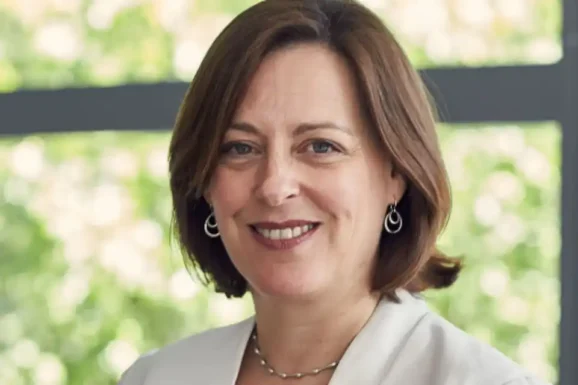
Dame Melanie Dawes, Ofcom’s chief executive, said: “This ban will shape the future of children’s lives online, so it’s important to get it right. It can work if social media firms do highly effective age checks properly, and we’ve set out ways that could be achieved.”
She also acknowledged that some children would inevitably find ways around the restrictions.
“We should expect that motivated children will seek to bypass the restrictions – just like alcohol laws can’t completely eradicate underage drinking – but there’ll be ways for platforms to mitigate this risk.
“This will be a huge cultural shift for our society, so it’ll take time to adjust, and everyone will have a part to play,” she added.
The regulator also called for greater scrutiny of app stores, which currently rely heavily on users declaring their own ages when downloading applications.
The Government intends to publish detailed regulations before the end of 2026, after which Ofcom will consult on guidance for technology companies.
Children’s charity Barnardo’s has previously welcomed the Government’s plans, while calling for tougher measures to ensure social media companies prevent underage access.
Its chief executive, Lynn Perry, said earlier this year: “It is encouraging to see the government taking further action to protect older teenagers online with overnight social media curfews and switching off features like autoplay and infinite scrolling. We know from talking to young people how addictive social media platforms can be and the impact this has on their mental health.
“So this is a positive step – but one which will be limited in scope if users opt back into addictive features. Alongside this, we need to see social media companies take responsibility for building services that are safe and age-appropriate by design, rather than placing the burden on children and families to manage risks alone.
“Platforms need to implement robust and highly effective age assurance measures to accurately identify users’ ages, apply protections consistently, and make sure that all children are kept safe online.”
READ MORE: Disabled people must not become an afterthought in Britain’s social media ban. The government’s newly announced social media ban for under-16s is intended to protect young people online. But disability correspondent Matthew Kayne argues that unless policymakers proceed carefully, balancing protection with inclusion, disabled users of all ages could become an unintended casualty of the legislation.
Do you have news to share or expertise to contribute? The European welcomes insights from business leaders and sector specialists. Get in touch with our editorial team to find out more.
Main image: Two children use tablets at home as the UK prepares to ban under-16s from major social media platforms in 2027. Under Ofcom’s proposals, users could be asked to prove their age through identity documents, banking records or facial scans, with adults also potentially facing additional checks. Credit: Helena Lopes via Pexels