Soldiers will guard sensitive sites ahead of fresh demonstrations as curfews remain in force and retailers count losses running into hundreds of millions of euros
France is bringing in the army to support police following riots in cities across the country, as authorities extend local curfews ahead of further demonstrations.
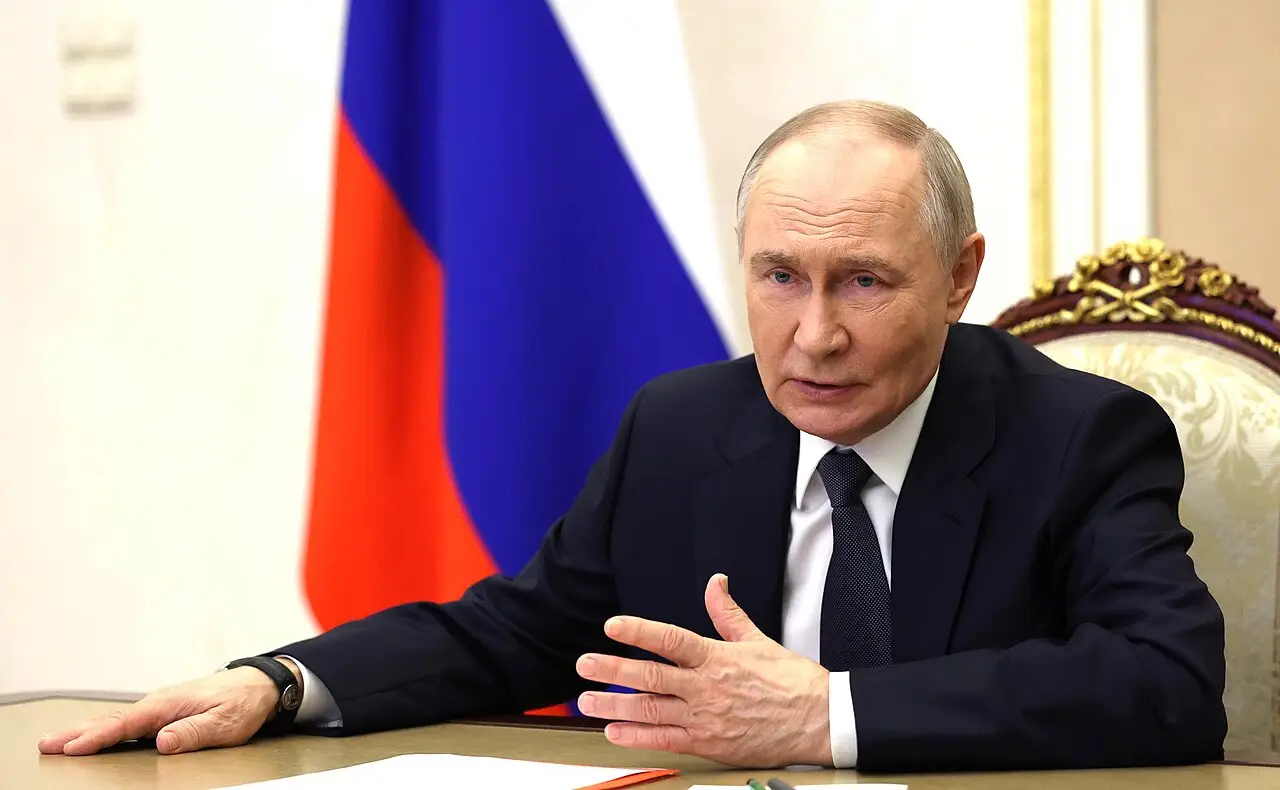
The operation, announced by Prime Minister Sébastien Lecornu and Interior Minister Laurent Nuñez, will deploy soldiers to guard sensitive sites, freeing police and gendarmes to respond to disorder.
Nuñez said the deployment would allow officers to respond more quickly to scattered groups ahead of demonstrations planned for Saturday, October 24.
“The deployment next Saturday will be massive,” Lecornu told parliament on Tuesday, Reuters reported.
Curfews introduced on Monday have been extended in parts of Paris, the capital, and other cities. Paris police said restrictions around Place de la République and the Les Halles shopping district would remain “for as long as necessary”. Authorities reported a quiet night in Paris and Lyon after the measures took effect.
The weekend’s violence has led to at least 2,400 arrests and injuries to 997 police officers and gendarmes. One demonstrator died after suffering a cardiac arrest during Saturday’s Paris protests, Reuters reported, while a 17-year-old lost a hand to a grenade in Saint-Étienne, in east-central France, according to Le Monde.
At least 3,000 businesses have been damaged or looted. Alexandre Bompard, chairman of the FCD retail federation and chief executive of Carrefour, estimated the retail sector’s losses at several hundred million euros.
Supermarket chain Carrefour separately cut its annual earnings forecast on Tuesday. Finance chief Matthieu Malige estimated an operating-income impact of between €80 million and €200 million for the company, reflecting damage, stolen goods and disruption to trading.
Bompard said around 50 Carrefour stores had been hit on the first day.
“Many of our teams and partners faced deeply distressing situations,” he said on an analyst call reported by Reuters.
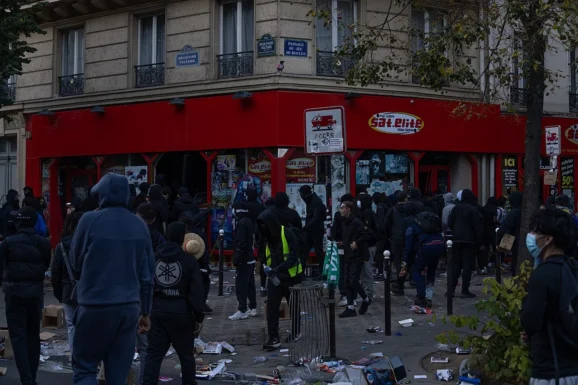
The rioting began on Saturday, October 17, when student demonstrations over school conditions converged with protests against rising living costs and deteriorating public services.
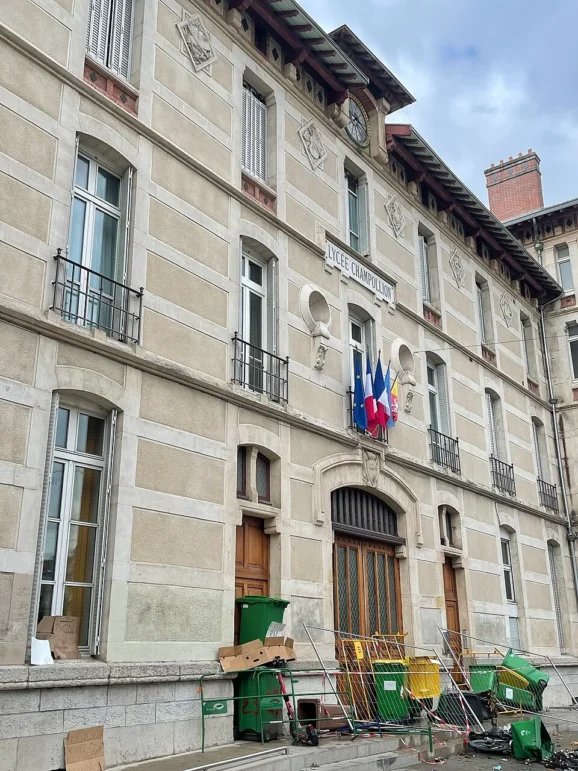
The student movement had already brought weeks of school blockades, with pupils and teachers protesting about staff shortages, overcrowding and deteriorating buildings.
Diane Di Sciullo, a teacher who joined a demonstration in the south-eastern port city of Marseille on October 8, told Reuters she had 37 pupils in her class and regularly struggled to find enough furniture.
“I have to ask them to check the neighbouring classrooms for spare chairs and desks so they can actually study,” she said.
The October 17 mobilisation widened the movement, drawing in trade unionists, Yellow Vest protesters and other groups campaigning over living standards.
For some participants, the cost of living and the treatment of students were closely connected grievances.
“We are fighting because the cost of living is too harsh, because the price of fuel is too high,” Lola, a 19-year-old demonstrator in Paris, told Reuters.
Nuñez put turnout at 550,000 while organisers estimated 800,000. Hundreds of thousands marched peacefully while separate groups clashed with police, attacked buildings and looted shops.
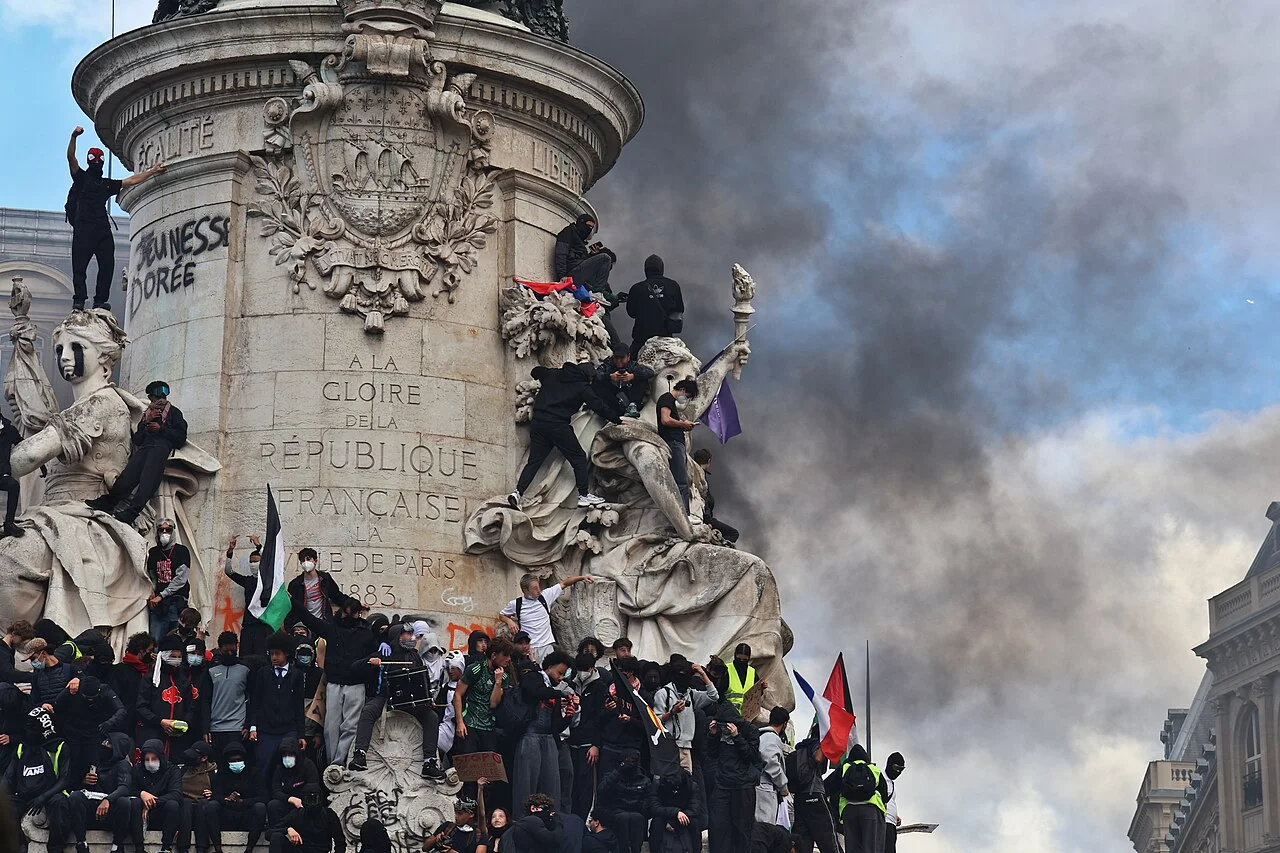
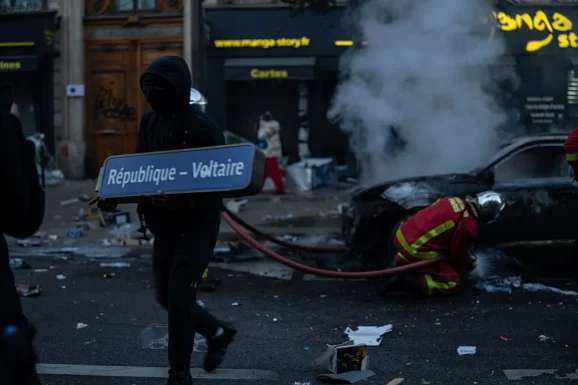
Around Place de la République in Paris, some protesters threw paving stones, petrol bombs and fireworks at police, while others erected barricades nearby.
Police used tear gas and stun grenades as clashes spread to several locations, stretching their resources and leaving shops exposed to looting.
In Marseille, intruders forced their way into city hall before police drove them out.
Lyon’s tourist office, in east-central France, was set ablaze. In Bordeaux, in the south-west, the prefect’s official residence was damaged and police deployed RAID, a specialist armed intervention unit.
Limoges’s historic city hall, in west-central France, was also set alight. Mayor Guillaume Guérin said people inside had feared for their lives.
“There was a clear, premeditated intention to burn down the town hall,” he told Reuters.
A suspect was arrested on Tuesday and taken into police custody, Justice Minister Gérald Darmanin said, adding that the suspect might not have acted alone.
Shopkeepers have also described watching their premises being targeted while waiting for help.
Ouri Zagoury, who owns a video game shop near Place de la République in Paris, told the Associated Press he saw looters entering through his surveillance cameras.
“And even though I called the police, they said not to intervene, that they would come, but they never did,” he said.
President Emmanuel Macron addressed the country on Sunday, condemning the destruction while acknowledging that peaceful protesters had legitimate grievances. Further clashes broke out that day in Paris and Marseille.
The government’s response has drawn criticism from local officials and opposition politicians over both preparations for the demonstrations and the policing of the unrest.
Guérin said too few national police officers had been deployed to protect Limoges, while Green politician Marine Tondelier argued that curfews failed to address the protesters’ underlying grievances.
“A curfew cannot be a political response to a social crisis,” she said, according to Le Monde.
Questions have also focused on intelligence failures. Estimates had envisaged around 200,000 demonstrators, substantially below the eventual official count of 550,000, Le Monde reported.
Nuñez acknowledged on Monday that authorities had been overwhelmed.
“Yes, on Saturday, in some major cities, we lost control,” he told France Inter, as reported by Le Monde.
Macron rejected Nuñez’s offer to resign on Monday, citing the need to maintain continuity in the command of law enforcement. He instructed the minister to establish what had gone wrong in planning and intelligence gathering and to introduce new policing tactics.
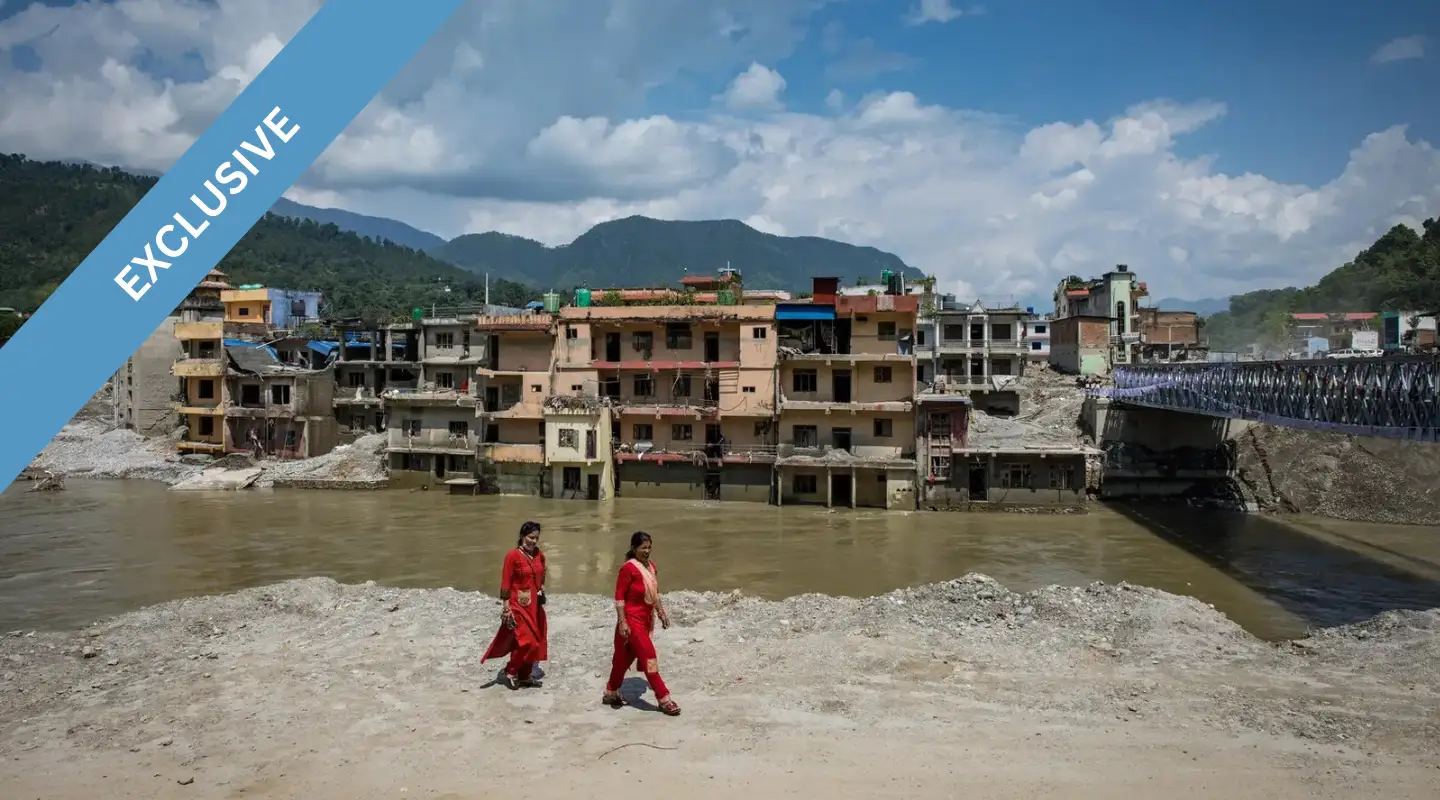
READ MORE: Himalayan mountainside moved 40cm before avalanche killed 1,451 in Nepal, scientists reveal. Satellite images reveal possible warning signs weeks before 132 million cubic metres of rock and ice crashed into a Himalayan valley, unleashing a catastrophic flood that left thousands missing. The European’s Editor-at-Large Stanley Johnson has visited the disaster zone as scientists investigate whether global warming contributed to the collapse.
Do you have news to share or expertise to contribute? The European welcomes insights from business leaders and sector specialists. Get in touch with our editorial team to find out more.
Main Image: Demonstrations in Paris on 17 October 2026. Credit: FreCha (CC BY-SA 4.0)