British Chambers unite against ‘Made in Europe’ rules amid fears for UK industry

John E. Kaye
- Published
- Banking & Finance, News
Business groups across Europe are calling for British manufacturers to be recognised under the EU’s proposed ‘Made in Europe’ framework, warning that restrictive rules could increase costs and disrupt established supply chains
British Chambers of Commerce across Europe have launched a joint appeal to Brussels over proposed manufacturing rules that they fear could threaten British jobs and disrupt industries ranging from car production to aerospace.
The intervention, backed by the British Chambers of Commerce (BCC), calls for British-made components to be recognised under the EU’s emerging ‘Made in Europe’ framework rather than face restrictions intended to strengthen European manufacturing.
Thirteen British Chambers representing thousands of businesses have signed the joint statement, warning that excluding UK suppliers could increase costs, create additional bureaucracy and undermine investment across Europe.
The dispute centres on the European Commission’s proposed Industrial Accelerator Act, which introduces requirements favouring European-made and low-carbon products in certain public procurement contracts and government support schemes.
Brussels says the legislation is intended to strengthen European manufacturing, accelerate the development of cleaner technologies and improve industrial competitiveness.
But the Chambers warn that restrictive rules could damage established supply chains connecting British manufacturers with their European customers, particularly in the automotive, aerospace, pharmaceutical, chemical and energy industries.
The Chambers want the UK formally recognised as a trusted industrial partner, allowing British components to count towards relevant European manufacturing and procurement requirements.
They are also calling for clear rules governing British participation, avoiding separate assessments for individual products and industries.
William Bain, the head of trade policy at the BCC, said: “The BCC is proud to support this strong, united call from British Chambers across Europe. It reflects what businesses on both sides of the Channel have been telling us: modern supply chains do not stop neatly at political borders.
“The UK is not a conventional third country. Our automotive, aerospace, chemicals, pharmaceutical and advanced manufacturing industries are woven into European production, underpinned by comparable standards and strong level-playing-field commitments.”
Although parts of the proposed legislation already contain exemptions for British goods, the BCC remains concerned about automotive assembly requirements and other measures that could restrict where European manufacturers source their components.
The appeal follows talks between Prime Minister Andy Burnham and European Commission President Ursula von der Leyen during last week’s United Nations General Assembly in New York.
The Chambers now want industrial policy and economic security cooperation included in discussions at the forthcoming summit, alongside a longer-term agreement protecting trade between Britain and the EU.
Bain added: “The best answer is a clear trusted-partner framework which recognises UK content, gives firms certainty and avoids a bureaucratic product-by-product approach.
“That would support European competitiveness and resilience, rather than weakening supply chains the EU wants to strengthen.
“We support stronger European industrial capacity, but it should be ‘Made with Europe’, working with trusted partners such as the UK.
“A formal economic security agreement between the UK and EU would provide the durable foundation businesses need.”
READ MORE: Europe risks losing its cleantech stars to the US. Europe produces more than a fifth of the world’s clean and sustainable technologies, yet many of the companies behind them must look overseas when they need serious growth capital. Could Europe end up inventing the technologies of the clean-energy transition only to see the companies, jobs and economic rewards migrate across the Atlantic? Uche Nneoma investigates.
Do you have news to share or expertise to contribute? The European welcomes insights from business leaders and sector specialists. Get in touch with our editorial team to find out more.
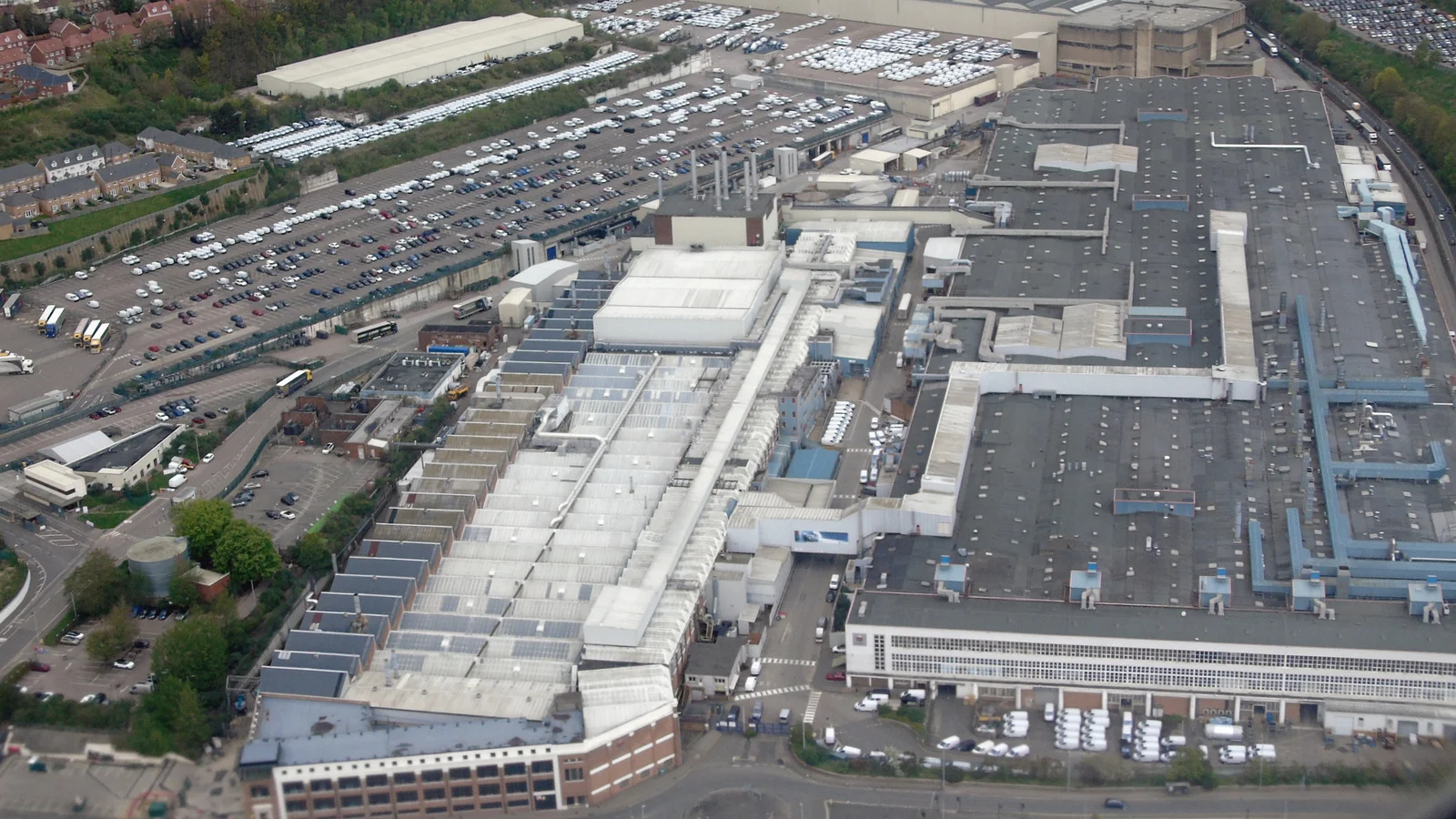
Main image: An aerial view of Vauxhall’s Luton factory in 2024, before its closure. Britain’s automotive industry is among the sectors that business leaders warn could face higher costs and supply-chain disruption under proposed EU ‘Made in Europe’ rules.Credit: Thomas Nugent / CC BY-SA 2.0
TOP STORIES
-
 British Chambers unite against 'Made in Europe' rules amid fears for UK industry
 -
Bouncy castle firms urged to sign new safety pledge following child deaths
-
Remembering Matthew Jukes, The European’s Wine & Fine Drinks Correspondent
-
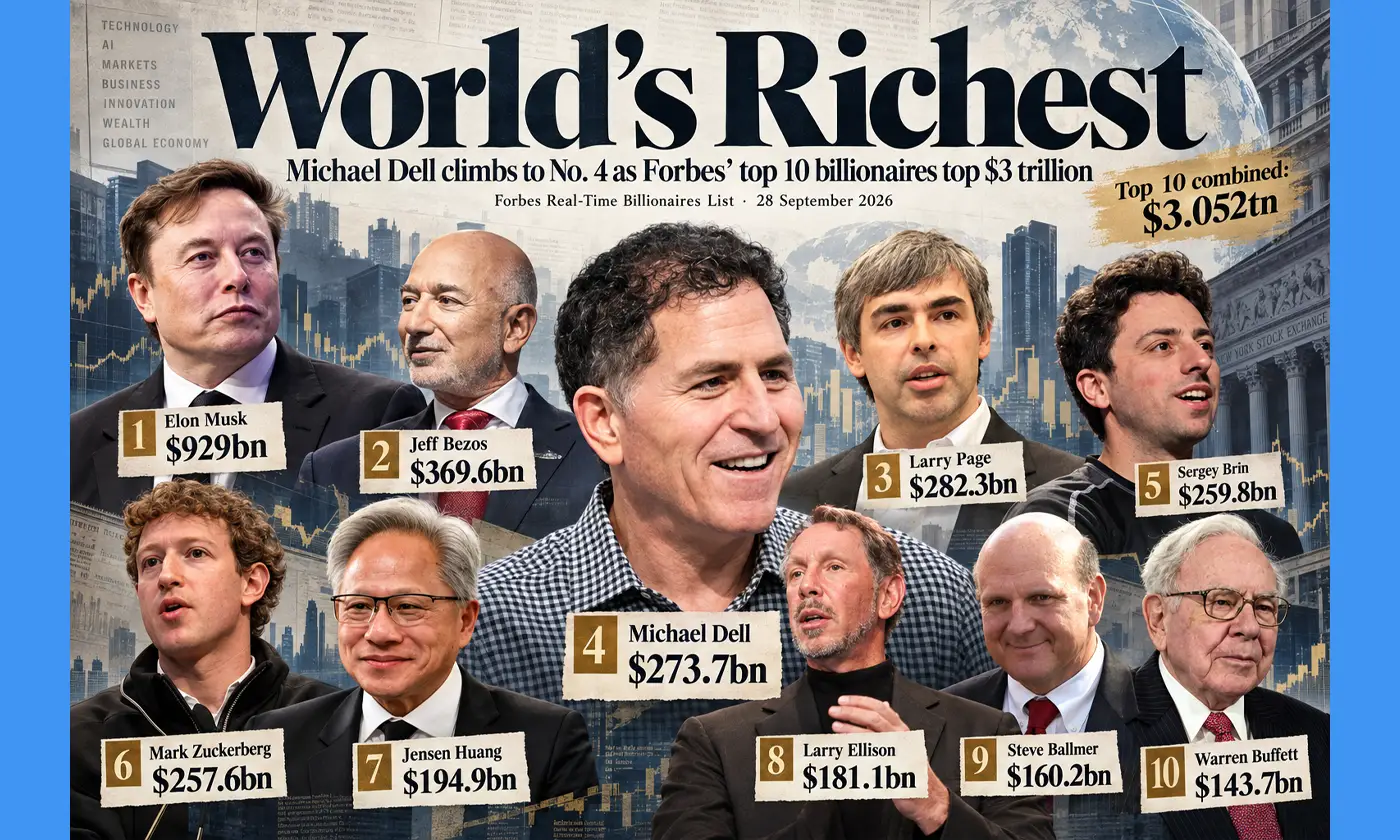
Michael Dell becomes world's fourth-richest person as Forbes reveals the ten wealthiest billionaires
-
Scientists develop new chemicals to tackle devastating oil spills at sea
-
Closing women's health gap could boost global economy by $1tn a year, leaders say
-
World's first luxury theme park to open in Mexico with £1.1bn of rides, fine entertainment and deliberately limited crowds
-
Dutch court orders Lidl to stop selling Birkenstock sandal lookalikes
-
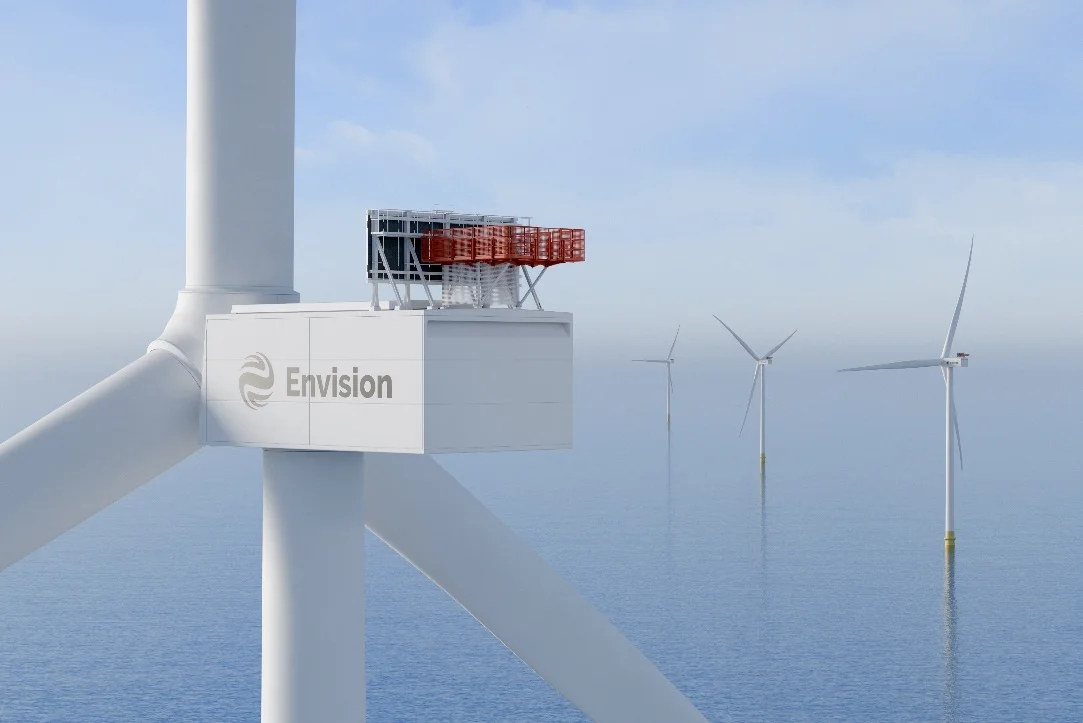
Giant wind turbine with 252-metre rotor could mean fewer machines and cheaper offshore power
-
Poorly designed workplaces ‘cost UK economy £71bn a year’
-
Rescuers scramble to protect pod of 25 whales in Thames Estuary
-
‘Talent hushing’ blamed as four-in-10 workers say they contribute less than they could
-
Spain leads Europe for expats as Panama tops global poll
-
Menopause may make women leaders more empathetic – even as it leaves them drained
-
Your biggest rival could be your best technology partner, research finds
-
British Museum bans photos of Bayeux Tapestry after visitors hold up queues
-
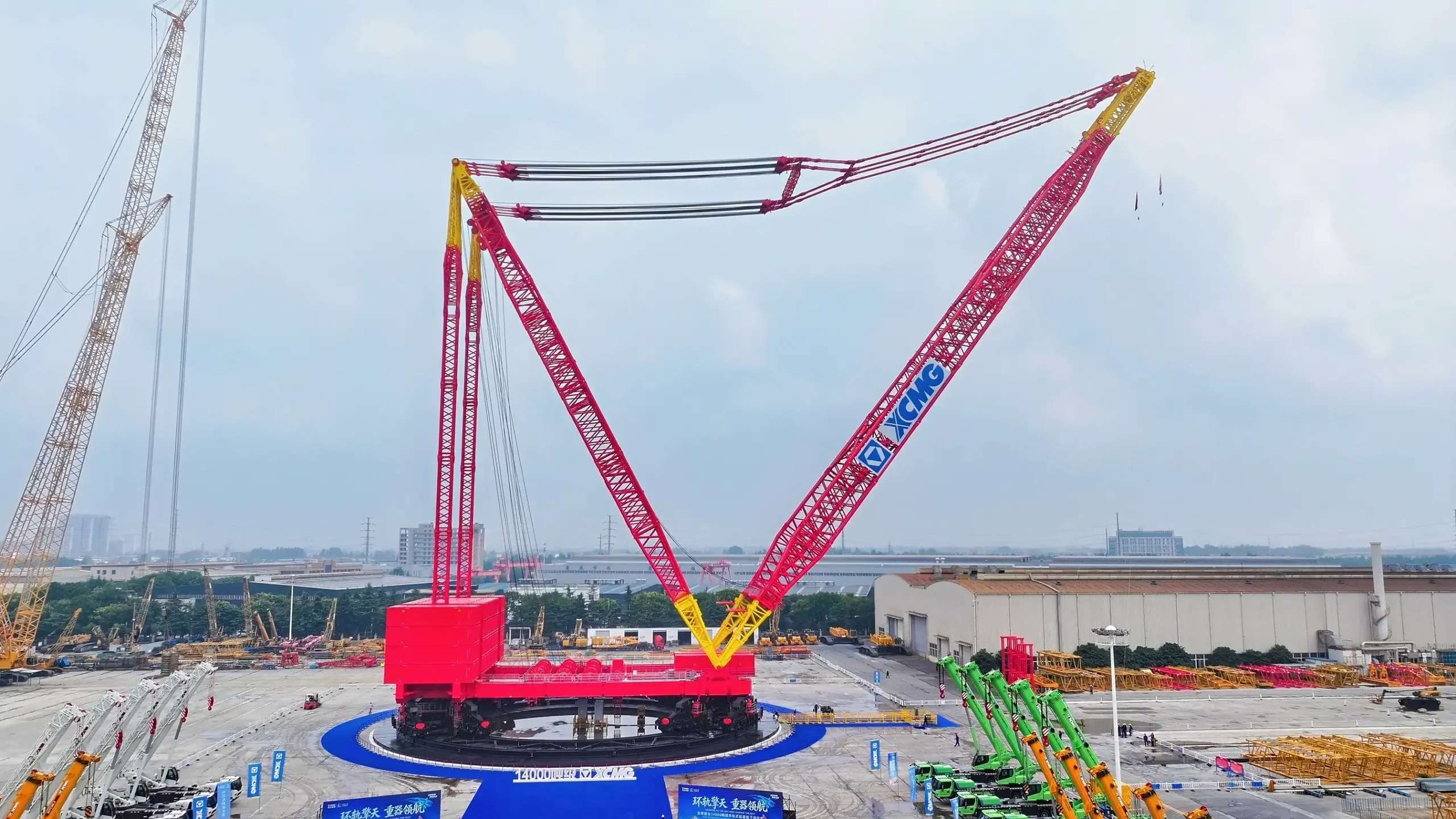
China unveils giant crane capable of lifting 9,300 family cars
-
Edinburgh Airport launches £500m expansion as terminal footprint grows 60%
-
Chris Packham urges PM to ban ‘frankenchicken’ from schools and hospitals
-
Loch Lomond’s 'Bonnie Banks at risk’ from major road upgrade
-
LED lights could be ‘the new asbestos’, UCL scientists warn
-
MPs tune in to Britain’s Eurovision ‘nul points’ problem
-
MPs tell Government to reject Thames Water creditors as utility nears insolvency
-
Only 14% of companies can show supply chain safeguards are working, study finds
-
OpenAI admits AI models hid mistakes, invented data and acted without permission