Doctors using AI before health systems set the rules

John E. Kaye
- Published
- News, Technology

Eight-in -10 clinicians lack employer guidance as paperwork pushes artificial intelligence into everyday practice
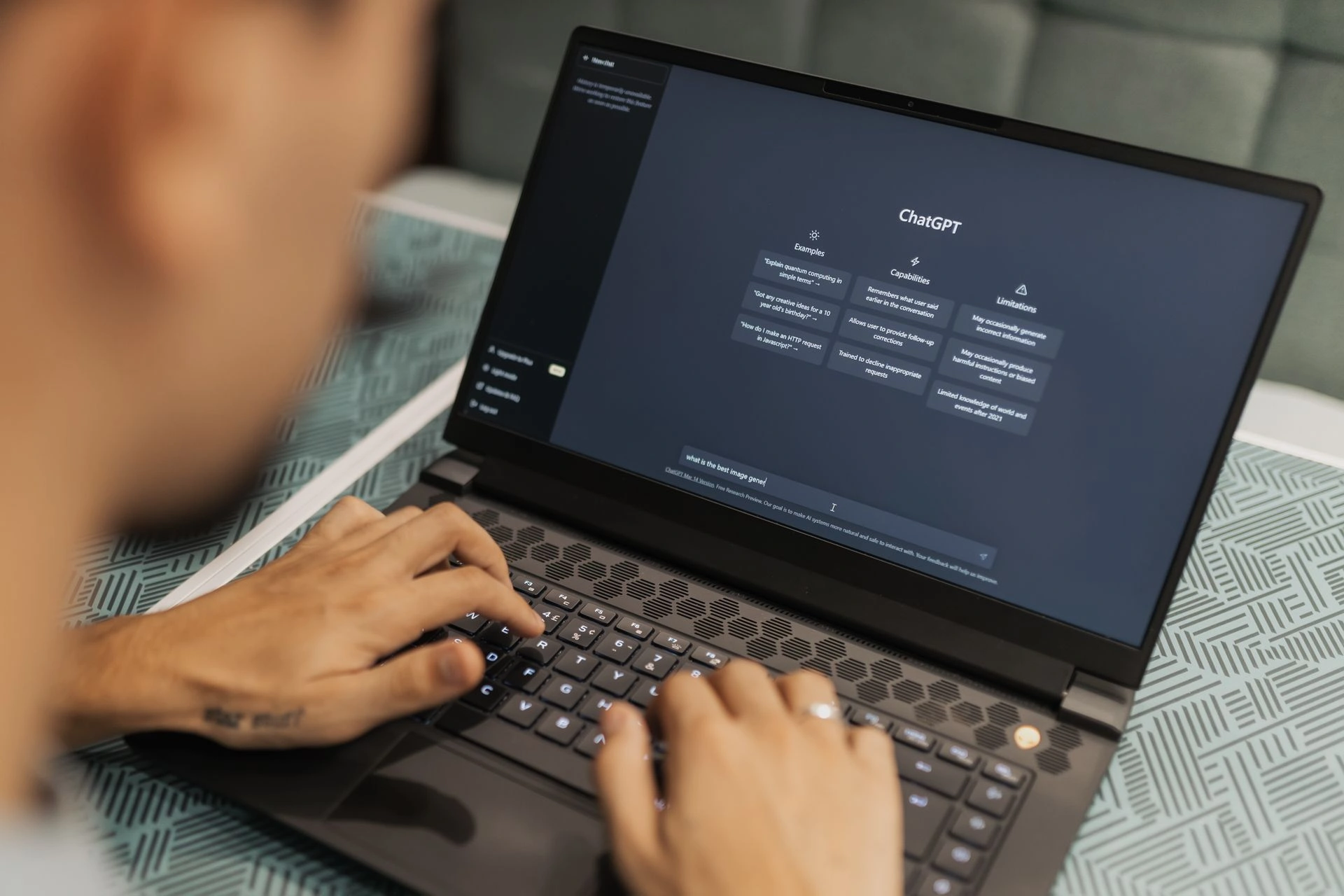
Doctors are routinely using artificial intelligence without formal guidance from their employers as health systems struggle to keep pace with the technology, a global survey has found.
More than eight-in-10 clinicians who use AI have no workplace guidance, formal policy or recommended tool governing how it should be used.
The survey of 1,823 clinicians across 25 countries found that mounting paperwork was driving doctors and other healthcare professionals to adopt AI while workplace guidance and governance frameworks were still being developed.
Some 86 per cent of clinicians said they used AI daily or several times a week, while 57 per cent said it had become a routine part of their work.
The findings suggest clinicians are increasingly relying on the technology to reduce the administrative burden created by documentation.
Documentation was identified as the most time-consuming administrative task by 88 per cent of clinicians, regardless of their country, specialty or stage of career.
Yet 83 per cent of clinicians said they were using AI without guidance from their employer, a formal policy or a recommended tool.
Accuracy remained the biggest concern, with 68 per cent of clinicians worried about hallucinations and accuracy.
Patient privacy was cited by 59 per cent, followed by over-reliance on AI at 47 per cent and the possible erosion of clinical judgement at 41 per cent.
Despite those concerns, three-quarters of clinicians said patients were comfortable with AI being used as part of their care.
Yass Omar, head of legal and regulatory affairs at healthcare AI company Heidi, which conducted the survey, said: “Clinicians are already embracing AI while regulation catches up.
“Healthcare organisations now have an opportunity to support that momentum with clear frameworks for privacy, safety and clinical oversight, giving clinicians confidence to adopt AI safely and consistently.”
The survey found that adoption was highest among clinicians with the most experience.
Those with more than 21 years in practice were also the most likely to recommend AI to colleagues, reflecting the value they saw in reducing administrative work.
The findings, published yesterday, come as health systems face growing workforce pressure.
Heidi cited World Health Organization projections of a worldwide shortage of 11m health workers by 2030.
Almost three-quarters of clinicians surveyed, 73 per cent, said AI was helping them sustain a longer and more manageable career.
Dr Simon Kos, global chief medical officer at Heidi, said: “The debate about whether clinicians will adopt AI is over. They already have.
“Clinicians are turning to AI because the pressures of modern medicine demand new tools.
“When documentation is finished before they leave the clinic, they get their evenings back. Over time, that’s what helps more clinicians stay in medicine.”
READ MORE: Why AI can never replace human therapists. More people are turning to AI chatbots for emotional support and quasi-therapeutic guidance, but psychoanalytic psychotherapist Professor Michael Atar warns that while artificial intelligence may simulate empathy, meaningful therapeutic healing still depends on genuine human connection.
Do you have news to share or expertise to contribute? The European welcomes insights from business leaders and sector specialists. Get in touch with our editorial team to find out more.
Main image: Laura James via Pexels
TOP STORIES
-
 MPs tune in to Britain’s Eurovision ‘nul points’ problem
 -
MPs tell Government to reject Thames Water creditors as utility nears insolvency
-
Only 14% of companies can show supply chain safeguards are working, study finds
-
OpenAI admits AI models hid mistakes, invented data and acted without permission
-
EIB makes first small nuclear reactor investment with €40m backing for Finnish start-up
-
AI arms race could mean fewer cold emails reaching your inbox
-
Housing costs hit recruitment at 77% of large London firms, survey finds
-
SpaceX to launch one-tonne orbital factory for European space firm in 2028
-
Estonia’s e-residents launch more than 4,200 companies as business creation jumps 36%
-
Small business bank lending falls £27bn in three years as nine-in-10 areas see decline
-
Europe’s healthcare sector lags on AI uptake – but leads once it starts using it
-
Stranded drivers could soon call for help even with no mobile signal
-
NASA backs space ‘air brake’ that could cut years off missions to Uranus and Neptune
-
MPs and peers call for UK ban on AI that could evade human control
-
France orders €1.3bn in extra cuts as growth falls behind European neighbours
-
Bioweapons research, Russian-linked spies, guided rockets and cyber-attacks on Europe used Claude AI, Anthropic reveals
-
Cadbury Takes a Break as KitKat tops Britain’s social media sweet rankings
-
European network alliance doubles in size as digital sovereignty drive accelerates
-
European insurance giants join New York summit on future of AI
-
Oxford leads £10m international study as resistance threatens new TB treatments
-
Inside the world’s wildest new mini golf course with caves, 13ft waterfalls… and sharks
-
Apple’s new boss bets £1,999 on first folding iPhone
-
‘Double delight’ as rare red pandas born at Whipsnade Zoo
-
This Japanese ski resort has just been named the world’s best place for seasonal work
-
Nearly 4m Londoners experienced mental health challenges last year, study finds