Musk’s paper fortune has crossed US$1.1tn after SpaceX’s record stock market debut. From fighter jets and aircraft carriers to private islands, mega-yachts, NASA and decades of UN emergency aid, here is what one million million dollars looks like in the real world
Last week, Elon Musk became the world’s first trillionaire after SpaceX raised US$75bn in the largest initial public offering in history and began trading on Nasdaq, sending the rocket and satellite company’s market value towards US$2tn.
The flotation lifted Musk’s estimated paper fortune to about US$1.1tn, or US$1,100,000,000,000 – a million million dollars. The figure places one private fortune in the same financial range as national economies, superpower defence budgets, global aid programmes and some of the most expensive assets ever built.
To put that figure into perspective, The European compared US$1tn with the annual output of wealthy countries, the budgets of armies, the cost of American presidential politics, the price of aircraft carriers and fighter jets, the market for private islands and mega-yachts, NASA’s annual funding and the scale of global humanitarian aid, using public data checked in June 2026 and rounded where budgets, exchange rates, asset prices and market values continue to move.
1. A private air force and aircraft-carrier fleet
US$1tn would buy an air force and carrier fleet on a scale beyond anything in service today, before the enormous extra cost of weapons, crews, bases, maintenance, escorts and decades of operations.
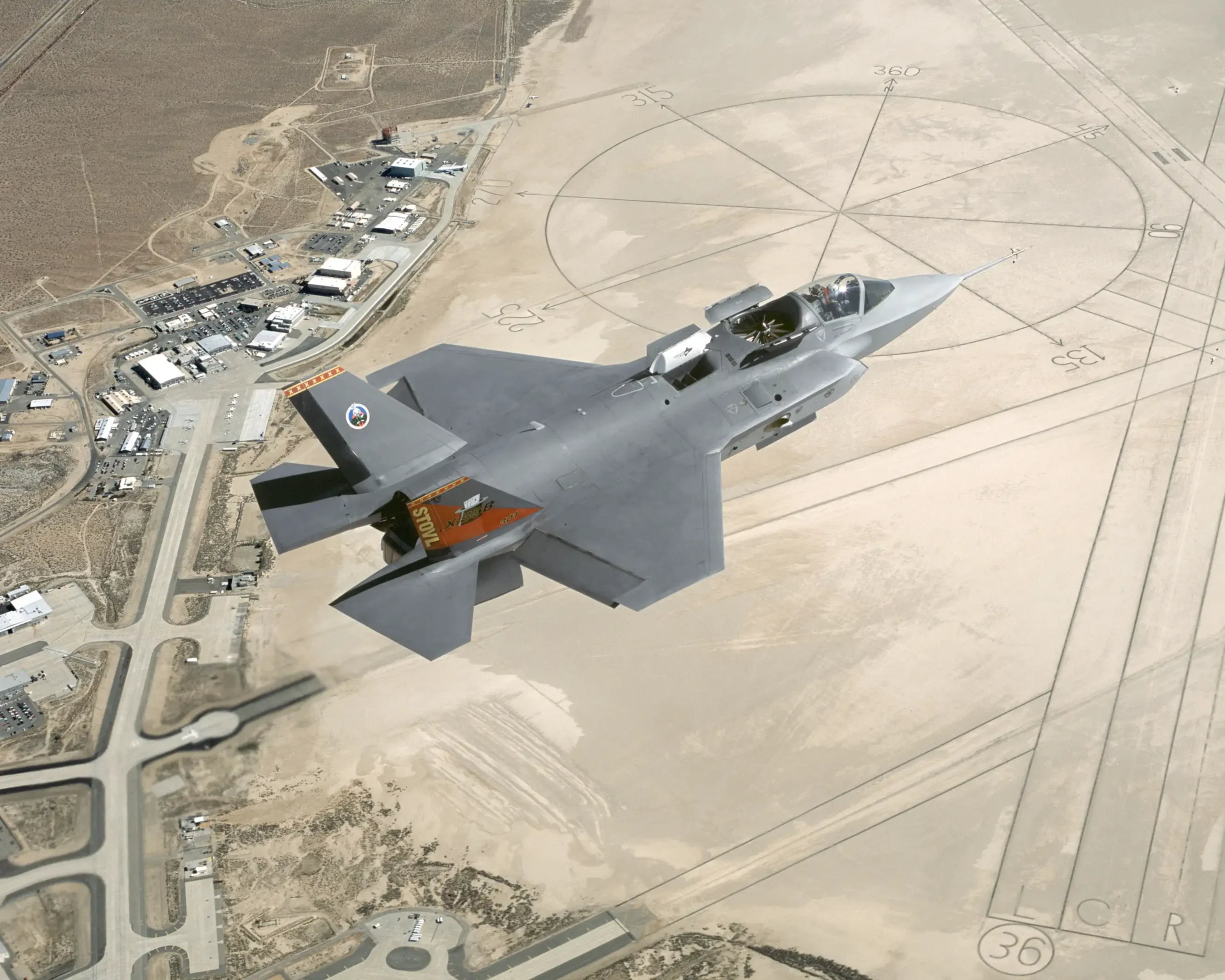
The F-35 is one of the West’s most advanced fighter aircraft, built for stealth attacks, intelligence gathering, electronic warfare and real-time battlefield data sharing. According to the F-35 programme, the standard F-35A costs about US$82.5m before weapons, pilot training, maintenance, upgrades, basing and lifetime operating costs, meaning US$1tn would buy about 12,121 aircraft. That is roughly nine times the more than 1,330 F-35s delivered worldwide, according to Lockheed Martin’s May 2026 fast-facts sheet, almost five times America’s planned F-35 fleet across all versions, and almost 18 times Europe’s publicly listed programmes.
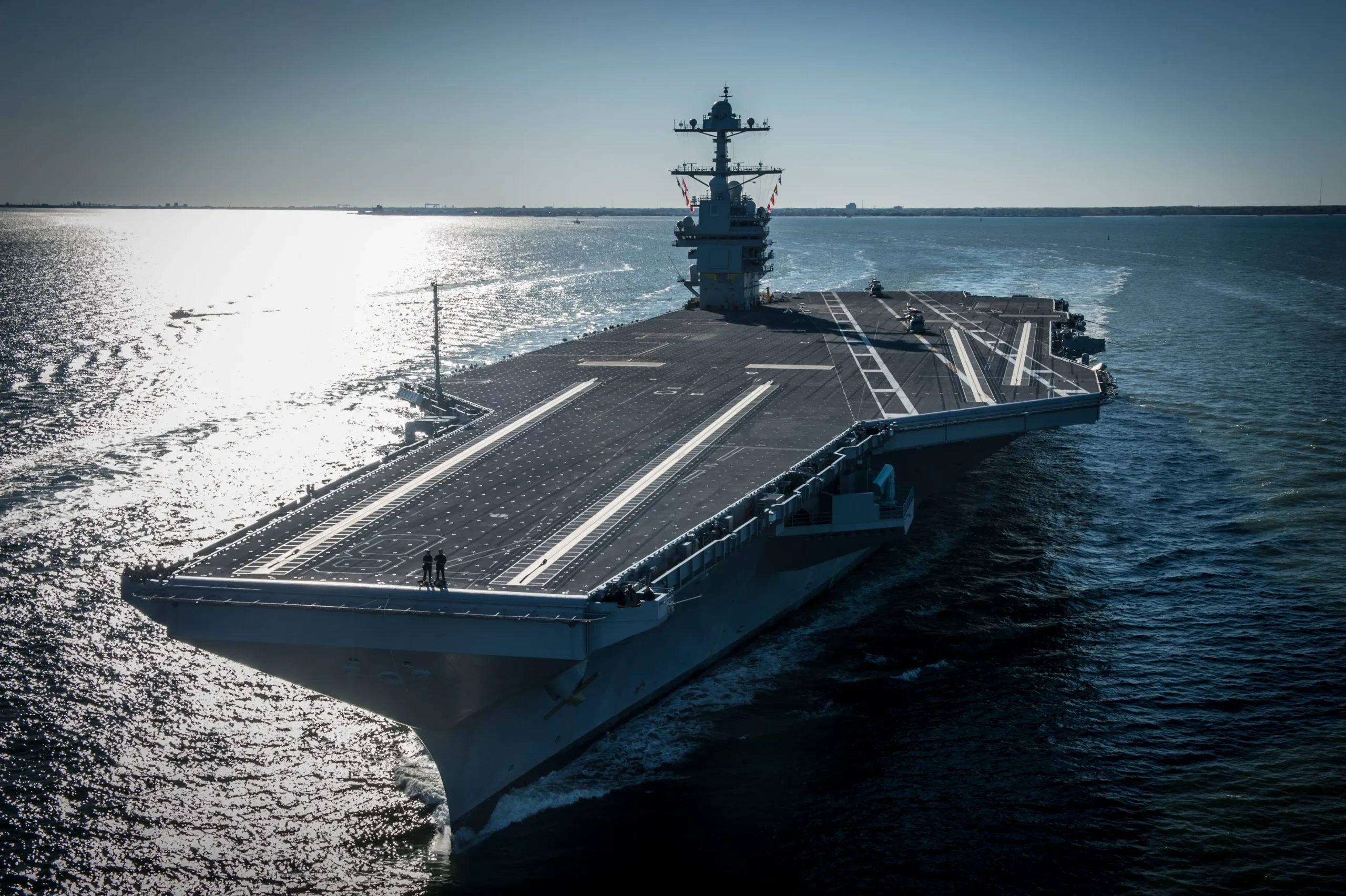
The same fortune would also buy about 66 Ford-class aircraft carriers, based on Congressional Research Service material using the US Navy’s FY2026 estimate of US$15.2106bn for the carrier CVN-81 Doris Miller. The same CRS report says the US Navy’s current aircraft-carrier force consists of 11 nuclear-powered carriers, meaning US$1tn would buy a carrier fleet about six times larger than America’s existing one, before aircraft, escorts, crews, ports, weapons, maintenance and lifetime operating costs.
2. Funding 30 years of UN emergency aid appeals
US$1tn would fund the UN’s full 2026 global humanitarian appeal about 30 times over, paying for emergency food, clean water, shelter, healthcare, nutrition treatment, schooling, protection services, refugee support, aid convoys, field clinics, warehouses, vaccination campaigns and cash payments for families caught in wars, disasters and collapsing health systems.

According to the UN Office for the Coordination of Humanitarian Affairs, the 2026 Global Humanitarian Overview seeks US$33bn to support 135m people through 23 country operations and six refugee and migrant response plans. Its immediate priority is US$23bn to reach 87m people whose lives are most at risk.
The appeal covers crises driven by conflict, climate disasters, earthquakes, epidemics, crop failures and failing health systems, with Reuters reporting that the largest single request was for the occupied Palestinian territories, most of it for Gaza, followed by Sudan and Syria.
Were he to choose to do so, Musk could cover the UN’s wider US$33bn humanitarian appeal about 30 times over, or its US$23bn priority appeal for people most at risk about 43 times.
3. A year of Switzerland’s economy, with change
According to World Bank figures, Switzerland’s GDP was US$936.56bn in 2024, the latest full-year figure available. A trillion dollars would exceed that annual economic output by about US$63bn.

Switzerland is one of Europe’s richest and most stable economies, with a powerful financial sector, a major pharmaceuticals industry and a high-end manufacturing base. Measured against the annual output of one of the world’s most prosperous countries, a US$1tn fortune still has money left over roughly equivalent to a large national budget.
4. Almost the Pentagon’s full 2026 budget request
A private fortune of US$1tn sits in the same range as one year of planned spending by the world’s most powerful defence department. According to the US Department of Defense’s FY2026 budget request, the department’s total request was US$961.6bn.

The Pentagon budget pays for personnel, operations, weapons systems, research, procurement, intelligence support and military readiness across land, sea, air, space and cyber.
A trillion dollars would cover that request and leave roughly US$38bn.
5. 557 American presidential campaigns
US presidential elections are among the most expensive political contests on earth, with candidates spending heavily on television ads, digital campaigns, polling, consultants, travel, rallies, lawyers and vast fundraising operations.
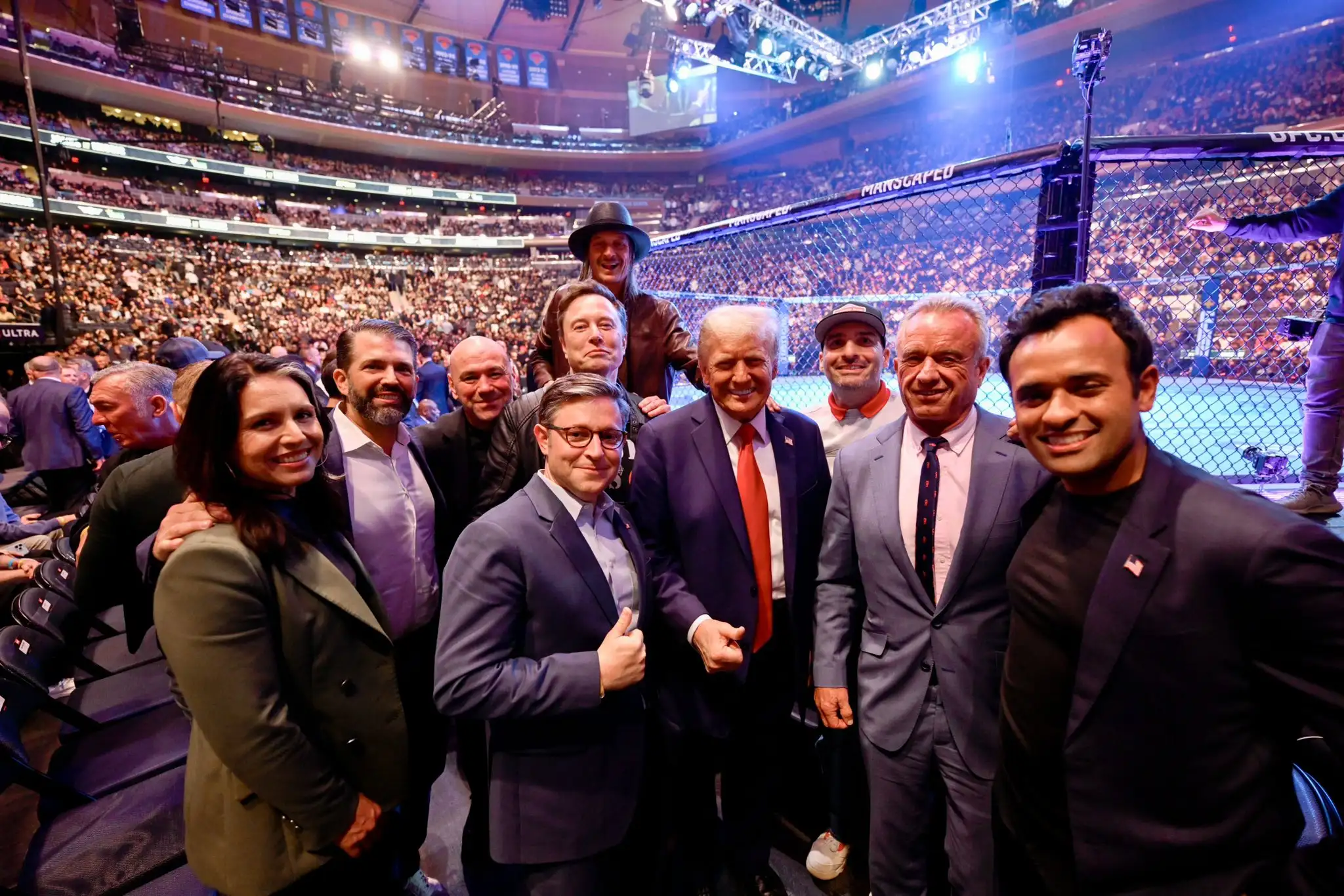
According to Federal Election Commission figures, presidential candidates spent US$1.7967bn during the 2023 to 2024 election cycle.
At that rate, US$1tn would pay for about 557 presidential campaigns.
The wider federal machine is bigger, taking in presidential candidates, congressional races, party committees and political action committees. The FEC says those groups spent about US$23.67bn in the same cycle, before independent spending was added.
A trillion dollars would cover that combined figure about 42 times – enough to fund decades of US federal campaign spending at recent levels.
6. More than Belgium or Ireland’s annual GDP
US$1tn is larger than the annual economic output of Belgium or Ireland, two wealthy European countries with global importance far beyond their size.
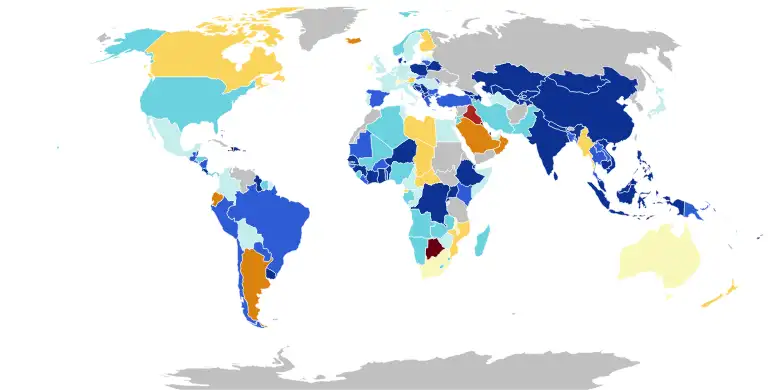
According to World Bank figures, Belgium’s GDP was US$671.37bn in 2024, meaning a trillion dollars would exceed its annual output by about US$329bn. Ireland’s GDP was US$609.16bn, leaving a gap of about US$391bn.
Belgium is home to the headquarters of Nato, with the alliance’s headquarters based in Brussels, and the Belgian government describes Brussels as hosting the main EU institutions and 38 EU organisations or liaison offices. Ireland is a major base for multinationals, with the Irish Government saying more than 1,800 multinational companies have set up operations there, including technology and life-sciences groups such as Intel, Pfizer, Google and Meta through their European headquarters or major operations.
7. A third of global military spending – or nearly two years of Europe’s Nato defence budgets
According to the Stockholm International Peace Research Institute, global military spending reached US$2.887tn in 2025, meaning US$1tn would fund every army, navy, air force, missile programme, defence ministry, weapons budget and military payroll on earth for about 126 days.
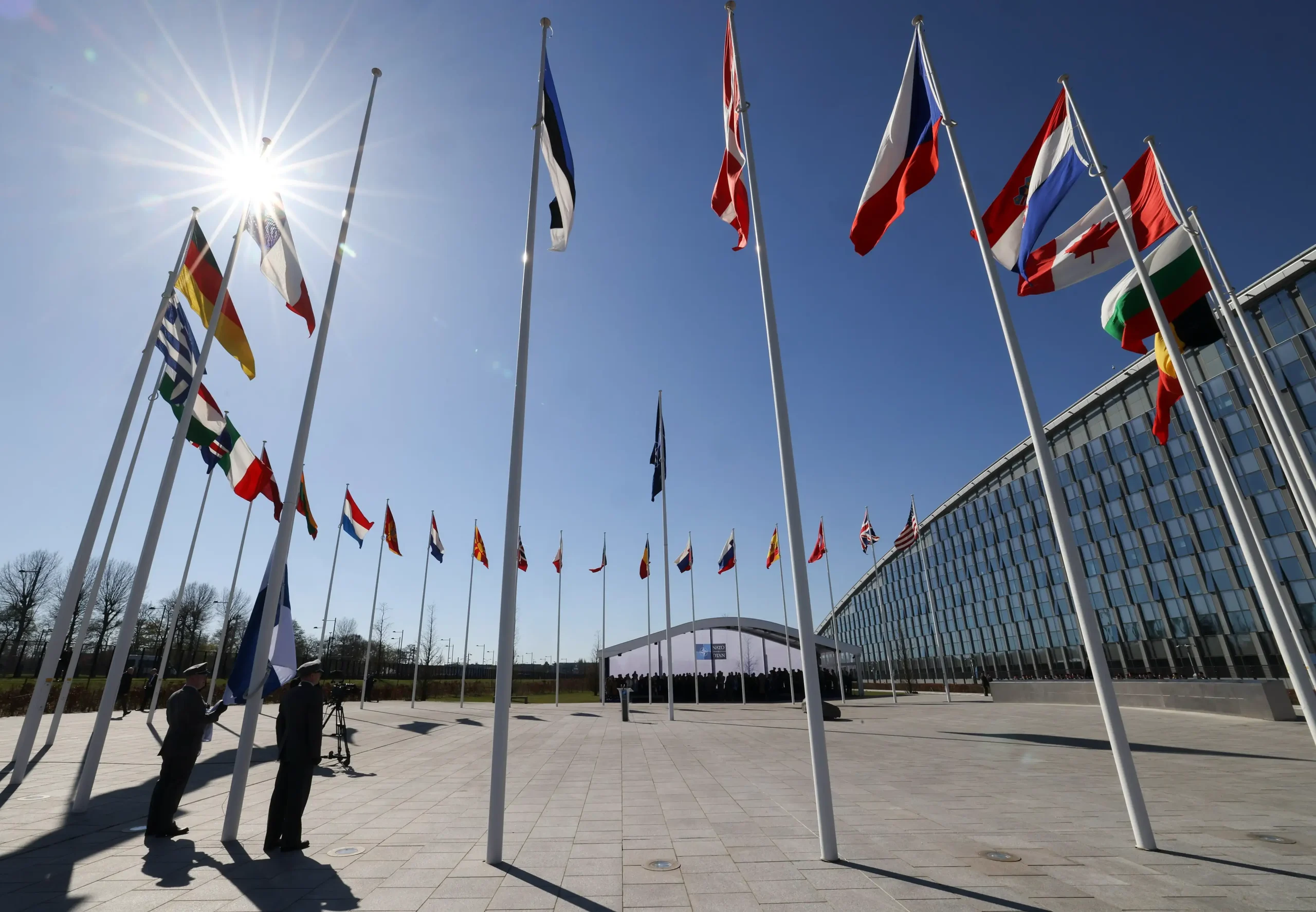
The same sum would stretch even further in Europe. SIPRI says the 29 European members of Nato spent a combined US$559bn on their militaries in 2025, meaning US$1tn would cover Germany, Britain, France, Poland, Italy, Spain and the rest of Europe’s Nato members for almost 1.8 years, with hundreds of billions still left over.
8. Around 20,000 private islands at US$50m each
US$1tn would buy around 20,000 private islands at US$50m each, enough for Musk to visit a different island every day for almost 55 years.
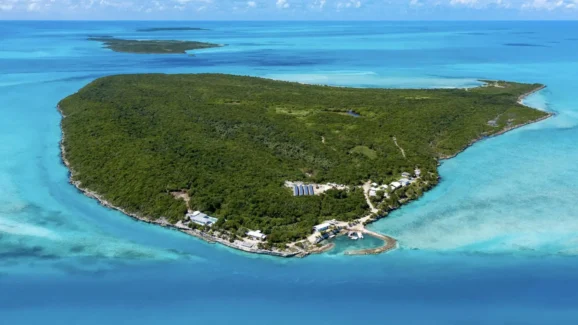
According to Private Islands Online, Hummingbird Cay in the Exumas, Bahamas, was listed at US$50m. The island covers 236 acres, with beaches, moorings, air access, staff accommodation and deep-water access for yachts among the features that place properties of this kind at the top of the global luxury-property market.
At that price, US$1tn would equal the asking price of 20,000 islands at the same level. Taken together, 20,000 islands of 236 acres each would cover about 4.72m acres, an area approaching the size of Wales, which the Welsh Government’s official tourism site gives as 20,779 sq km.
9. About 2,000 Jeff Bezos-style mega-yachts
Jeff Bezos’s 417ft sailing yacht Koru is reported to cost an estimated US$500m. The yacht is one of the world’s largest sailing yachts and travels with a 250ft support vessel called Abeona.
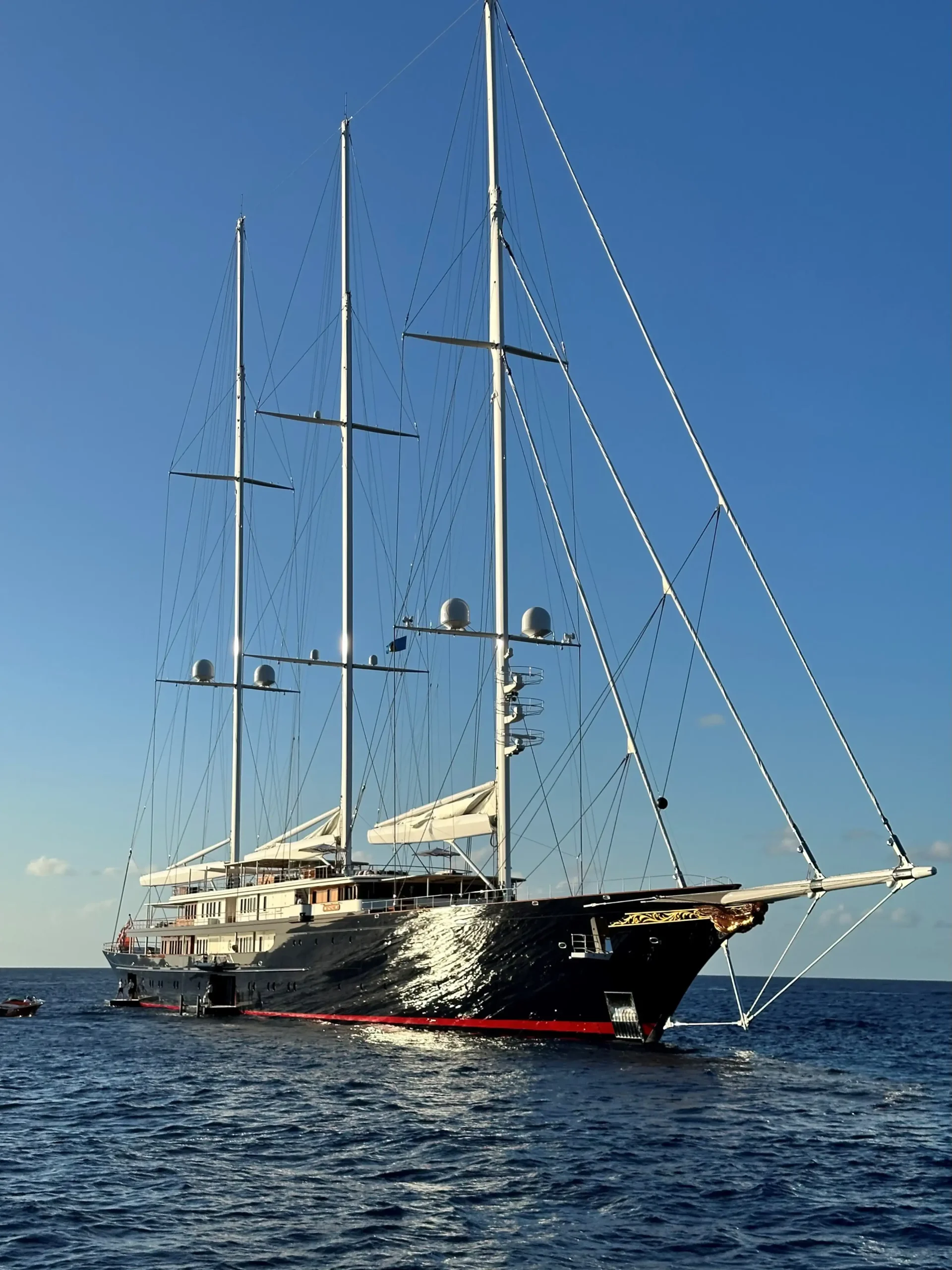
At US$500m each, a trillion dollars would equal the reported cost of about 2,000 Koru-style mega-yachts before crews, berths, fuel, insurance, refits, support vessels and annual running costs.
Using another benchmark, Business Insider has reported that Azzam, the 590ft private yacht associated with Abu Dhabi’s ruling family, cost an estimated US$600m to build. A trillion dollars would equal the build cost of roughly 1,667 yachts at that level.
10. Bankrolling NASA for the next 41 years
US$1tn would fund NASA for about 41 years at its current annual level, enough to pay for decades of Moon missions, Mars work, space telescopes, planetary probes, Earth-monitoring satellites, astronaut flights, aeronautics research and the engineering behind America’s civilian space programme.
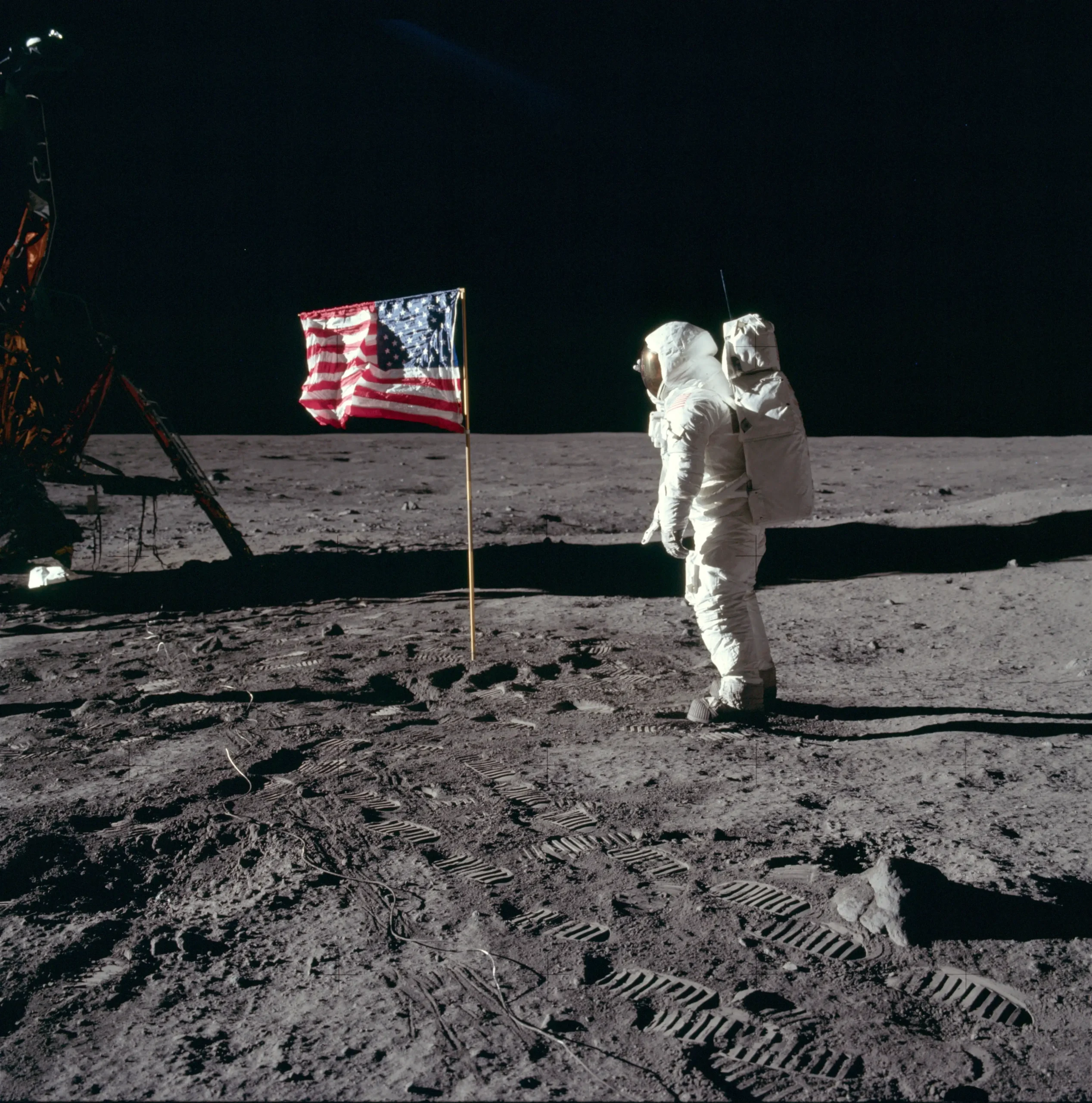
According to NASA budget material published in 2026, the agency’s FY2026 enacted funding was US$24.4bn. At that level, a trillion dollars would keep the agency running for just over four decades.
That money would cover work across the Artemis Moon programme, the International Space Station, future commercial space stations, robotic missions to other planets, climate and weather observation from orbit, asteroid and comet research, space technology, launch systems, aviation research and the scientific missions that study the Sun, the solar system and the wider universe.
A single US$1tn fortune would fund the agency for roughly the span between the first Space Shuttle flight in 1981 and the early 2020s, covering a period long enough to reshape almost every part of modern spaceflight.
READ MORE: The lucky leader: six lessons on why fortune favours some and fails others. Why do some leaders seem to defy the odds while others unravel despite every conceivable advantage? Examining the cases of prominent historical figures such as Napoleon and Eisenhower, sociologist Dr Stephen Whitehead explores why luck, timing and self-belief matter just as much as talent—and sets out six lessons for anyone who wants fortune on their side.
Do you have news to share or expertise to contribute? The European welcomes insights from business leaders and sector specialists. Get in touch with our editorial team to find out more.
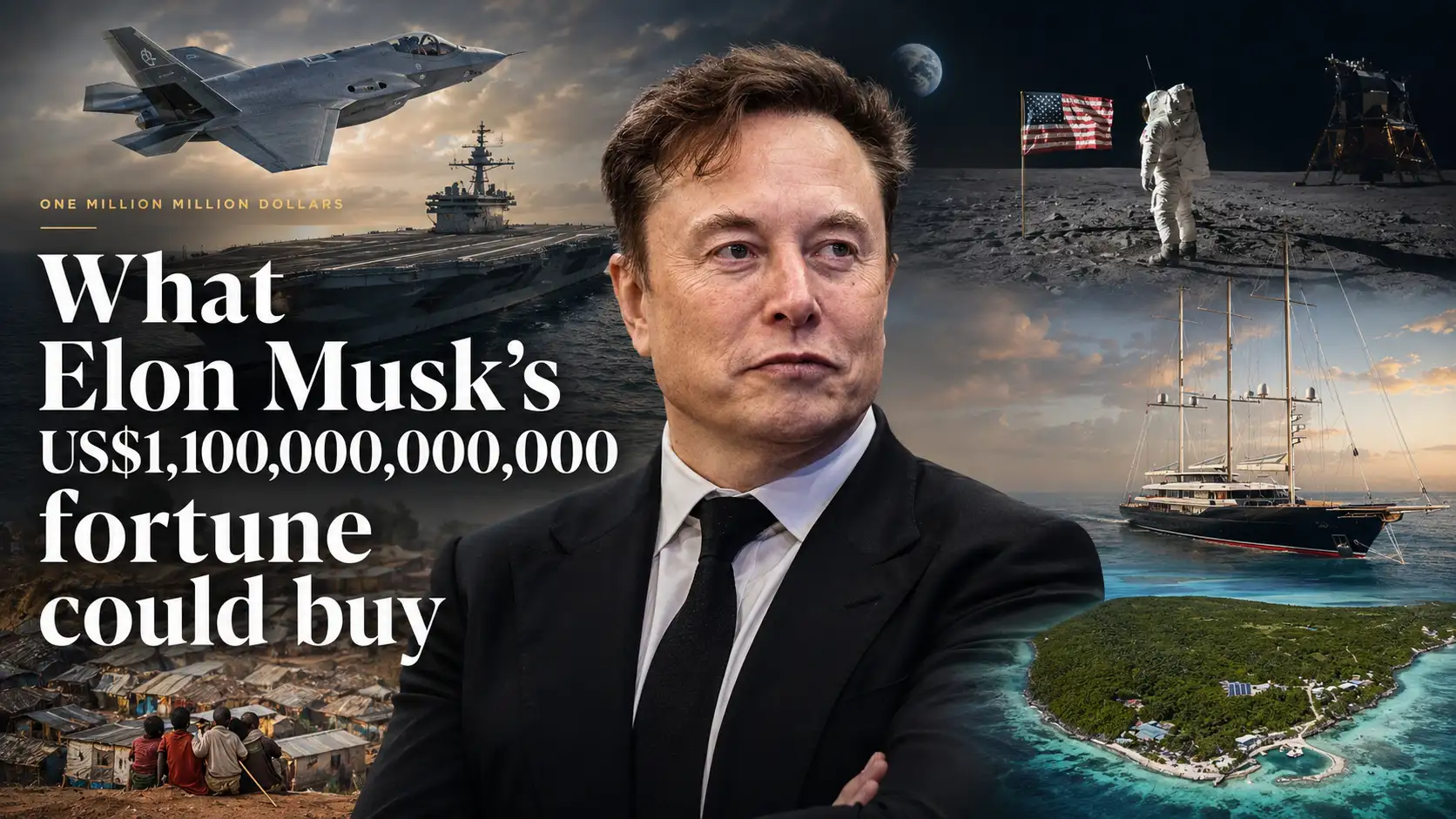
Main image: Elon Musk’s estimated US$1.1tn paper fortune puts one private individual’s wealth in the same financial range as national economies, superpower defence budgets, NASA funding, global humanitarian aid and some of the most expensive assets ever built. Credit: Belters News with Elon Musk – Gage Skidmore, CC BY-SA 4.0, via Wikimedia Commons; F-35 – U.S. Air Force/Tom Reynolds, public domain, via Wikimedia Commons; aircraft carrier – U.S. Navy/Ridge Leoni, public domain, via Wikimedia Commons; Moon landing – NASA/Neil A. Armstrong, public domain, via Wikimedia Commons; refugee camp – Maaz Hussain/VOA, public domain, via Wikimedia Commons; private island – Conmat13, CC BY-SA 4.0, via Wikimedia Commons; mega-yacht – Touch Of Light, CC BY-SA 4.0, via Wikimedia