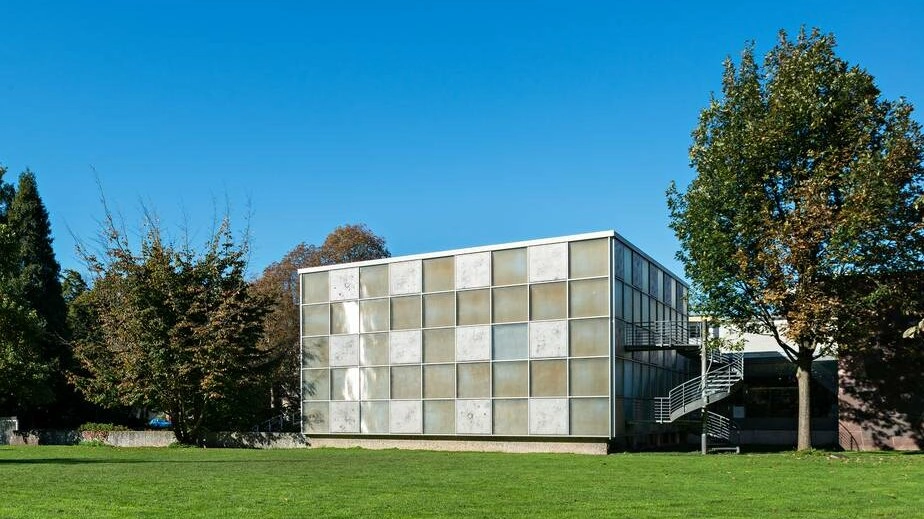
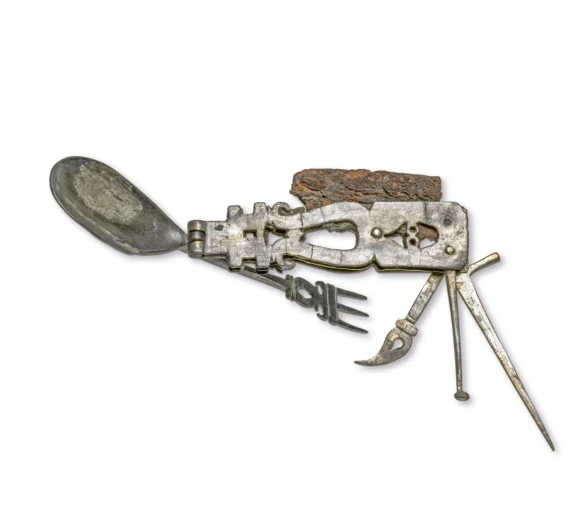
A major exhibition now open in Pforzheim charts how eating evolved from raw instinct into a disciplined cultural act, and how tableware, etiquette and design came to define civilisation, hierarchy and social behaviour. Dinner Is Served brings together objects ranging from gold-plated bowls and a shoe-shaped drinking cup to a Roman pocket knife to reveal a global history of dining customs, showing how the simple act of bringing food to the mouth became loaded with meaning. Here, its curator Katja Poljanac explores what our tables say about who we are
When visitors step into the current exhibition at the Jewellery Museum Pforzheim, they are invited to consider a deceptively simple question: Why do we eat the way we do?
Before table manners, cutlery or seating plans, eating was simple, physical and instinctive. People used their hands, took what was there, and ate according to their hunger. Dinner Is Served – A Culinary Trip Around the World starts from this basic way of eating and traces the long cultural path that moved us away from it.
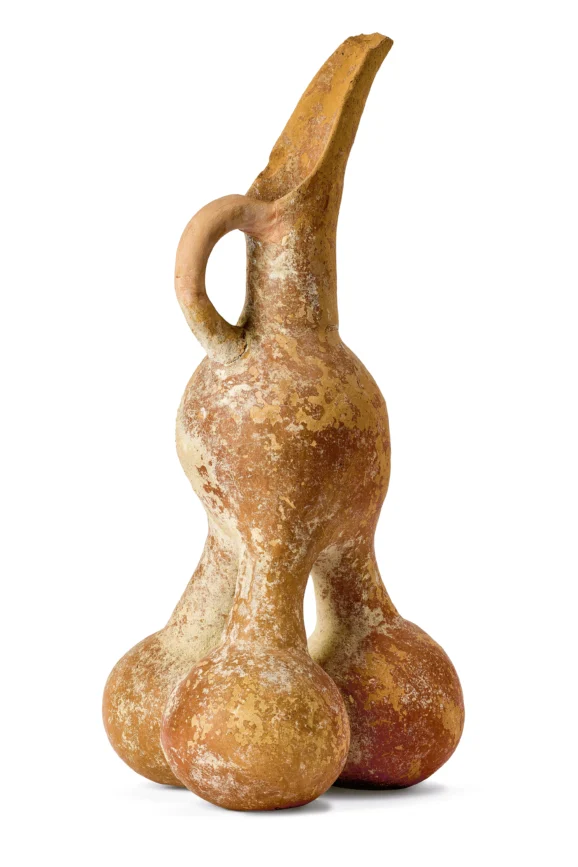
Over time, eating gained tools, rules and routines. Knives, forks and plates made meals neater, and they also changed how people consumed food. Food was no longer touched directly, which encouraged people to slow down, control their hunger and show self-control at the table. These habits came to be seen as signs of being civilised. Knowing how to behave at the table showed where someone belonged, while plates, cutlery and glasses signalled wealth and status. Food has always mattered, and the way people eat has long helped define who they are.
As food became more reliable and plentiful, this new emphasis on self-control took on a wider meaning. The exhibition traces how abundance led societies to place greater value on restraint, shaping when, how and how much people were expected to eat. As agriculture and animal domestication made food supplies more predictable, preservation techniques created surplus. Wine gained ritual significance early on, and feasting became embedded in religious and seasonal calendars. Across many cultures, excess was permitted at specific moments, framed by celebration and ceremony, then followed by periods of moderation. Feasts shaped communal life and structured the year, binding people together through shared rhythms of indulgence and restraint.
Modern life has changed this balance beyond recognition. In wealthy societies, food of any kind is almost always freely available and no longer tied to seasons or special occasions. Packaged and processed foods can be eaten anywhere, at any time. Traditional table rules have become laxer, and people often eat with their hands again, driven by convenience rather than need. The exhibition sets these habits beside historical objects to show how quickly long-standing ways of eating can change.
Tableware sits at the centre of this story, because eating has never been only about flavour or hunger. It is also shaped by what we see, what we touch, and how our hands and bodies move at the table. Plates decide how food is presented, glasses influence how we drink, and cutlery guides the pace and manner of eating.
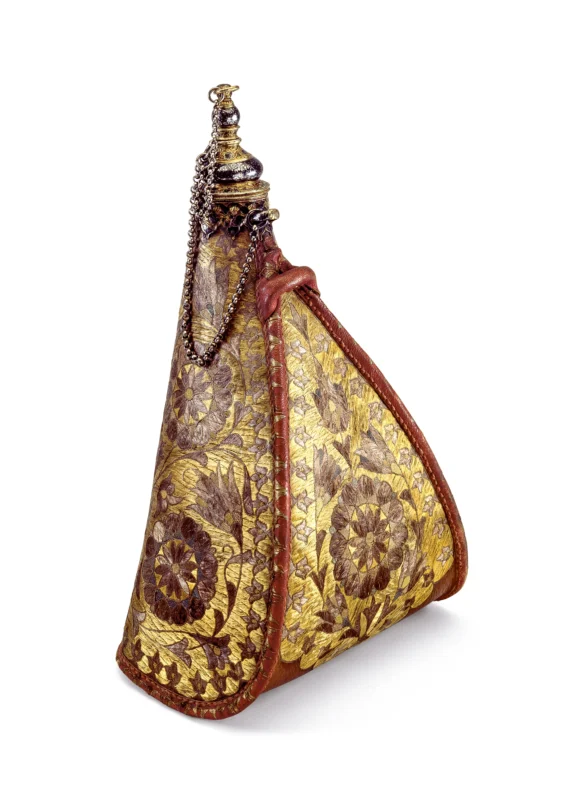
Across different periods and cultures, meals were carefully planned and arranged, with set places, ordered courses and utensils designed for specific tasks. As dining customs became more detailed and formal, tableware grew richer in decoration. These objects carried meaning beyond their use, reflecting shared beliefs, ideas about the self, and how a society understood the world and its place within it.
Alongside the decorated objects, there is a simpler story about shapes that stayed the same. No matter the time or place, cups, bowls and spoons were made in similar ways because they were useful and easy to use. Later, designers began to think more carefully about these simple shapes. They focused on how objects were made, how they felt, and how well they worked. Decoration was often removed, leaving clean and simple designs. The exhibition shows these objects next to older, more decorative ones so children can see what changed over time and what stayed the same.
As curator, my intention was never to offer a nostalgic defence of old table manners or a critique of contemporary eating habits. The exhibition instead asks something more fundamental by inviting visitors to recognise eating as a cultural practice that carries ideas about self-control, pleasure, community and power. Every plate, cup and spoon tells a story about how people understood themselves and one another at the table.
Further information
Produced with the support of the Schmuckmuseum Pforzheim. Dinner Is Served has been devised and curated by Katja Poljanac, under the overall supervision of Friederike Zobel, Director of the Jewellery Museum Pforzheim, with the support of co-curator Isabel Schmidt-Mappes and cultural anthropologist Dr Andreas Volz. The exhibition runs from 25 October 2025 to 19 April 2026. Tickets cost €10, with concessions at €8.50, and a combined ticket for the permanent collection and the special exhibition is available for €12.50 via www.schmuckmuseum.de.
READ MORE: ‘This city is Hollywood’s Mediterranean playground — and now is the time to visit‘. Film crews, A-list actors and major franchises have turned Valletta into one of Europe’s most recognisable on-screen cities, with locations used in Game of Thrones, Jurassic World and World War Z sitting inside a top-ranked capital packed with history, food and stunning diving, discovers John E. Kaye.
Do you have news to share or expertise to contribute? The European welcomes insights from business leaders and sector specialists. Get in touch with our editorial team to find out more.
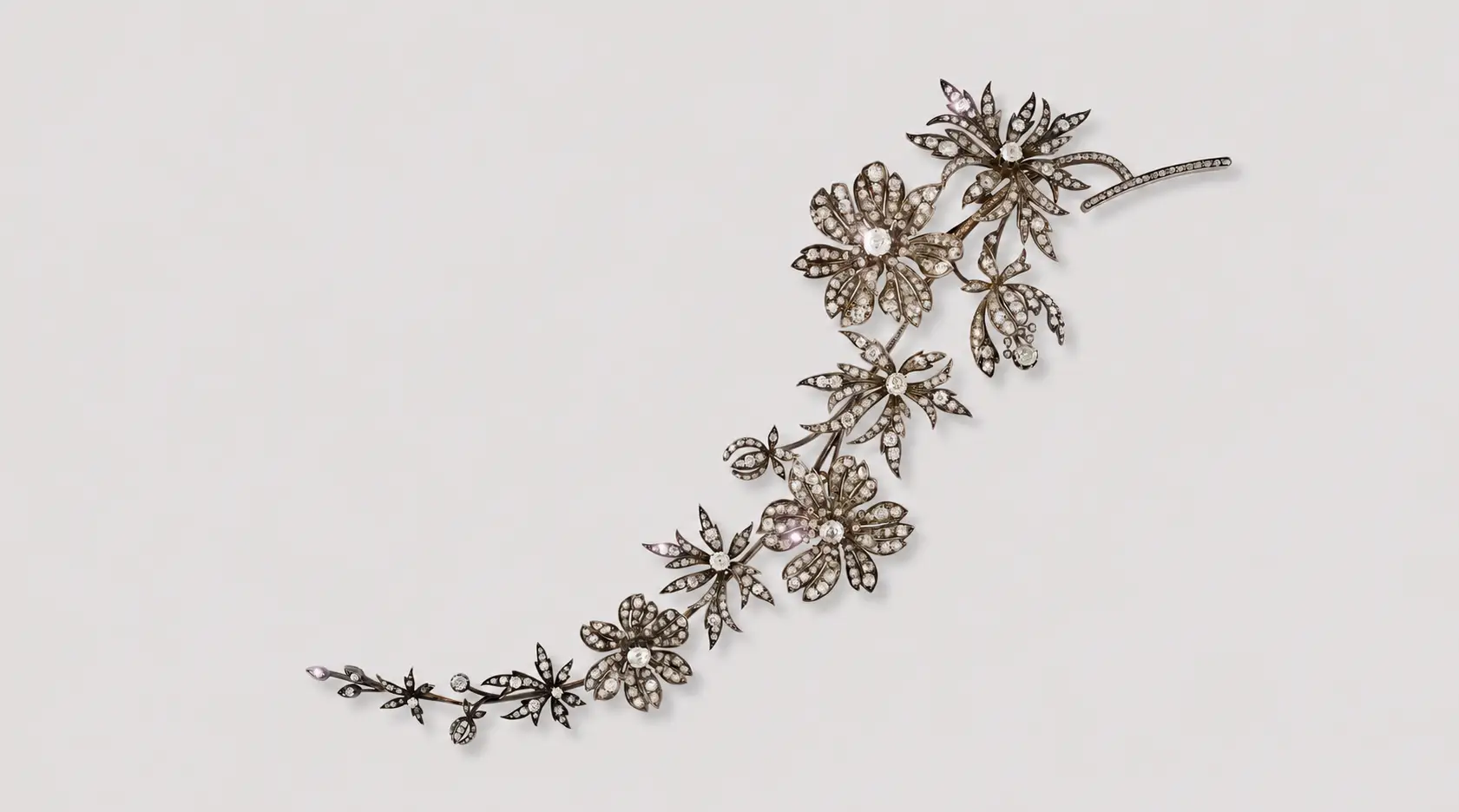
Main image: Schmuckmuseum Pforzheim, photo: Winfried Reinhardt