UK airports’ u-turn on 100ml liquid rule
John E. Kaye
- Published
- Aviation, Home, News, Travel and Lifestyle

Six regional British airports will temporarily reintroduce restrictions on carrying liquids over 100ml, it has emerged
The change came into effect on Sunday 9th June 2024 and will affect travellers using London City, Newcastle, Southend, Leeds Bradford, Aberdeen and Teesside airports.
All six airports have Next Generation Security Checkpoints (NGSC) in operation, which had allowed them to scrap the rule.
The hi-tech CT scanners create a 3D image of what is inside passengers’ bags.
In a statement, the Department for Transport said: “From 0001 on Sunday 9th June 2024, 100ml restrictions on liquids will temporarily be reintroduced for passengers travelling from six regional airports where Next Generation Security Checkpoints (NGSC) are in full operation.
“This temporary move is to enable further improvements to be made to the new checkpoint systems and will only affect a small number of passengers. For most passengers, security measures will remain unchanged.
The 100ml rule was introduced in 2006 after a foiled terror plot to blow up planes flying from London to the US with homemade liquid bombs.
Transport Secretary Mark Harper, pictured, said airline passengers should “check with their airport what the rules are” on carrying liquids over 100ml amid some confusion over the restrictions.
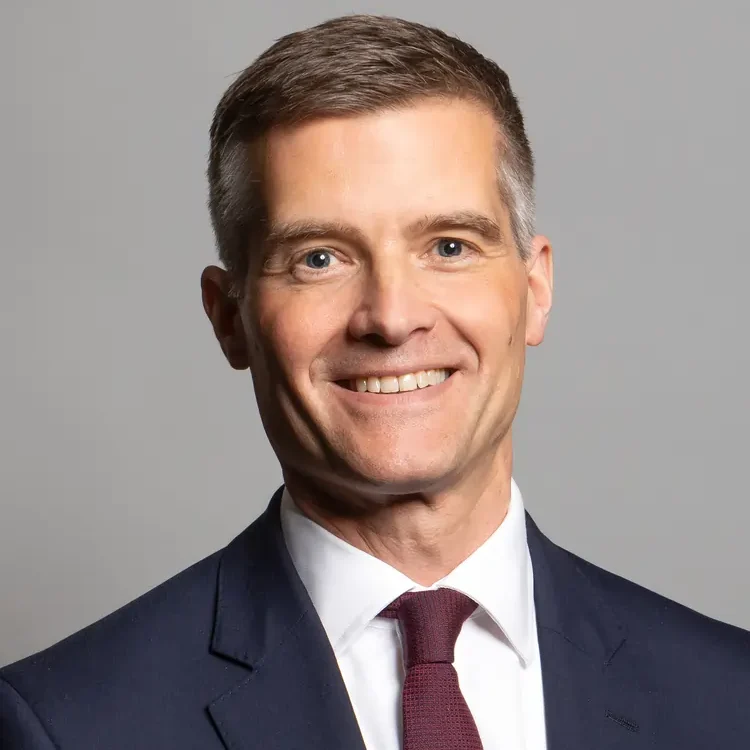
He told BBC Breakfast on Saturday: “The announcement we’ve made, which comes into force from midnight tonight, actually only affects six regional airports and about 6% of those travelling.
“For most passengers, actually, the rules haven’t changed at all yet and won’t therefore change tonight. People should just check with their airport what the rules are or the processes are at a particular airport.
“We’ve reintroduced that rule while updates and changes are made to the scanning equipment at airports to make sure we can continue delivering our world-leading levels of aviation security.
“It’s a temporary measure and we’ll set out when that can be reversed in due course.”
Images © Richard Townshend/Wikipedia; Oleksandr P/Pexels
Sign up to The European Newsletter
RECENT ARTICLES
-
Europe emphasises AI governance as North America moves faster towards autonomy, Digitate research shows -
JPMorgan plans multibillion-pound tower in Canary Wharf -
Strong workplace relationships linked to higher initiative among staff, study finds -
Brexit still hitting poorest hardest as food costs rise and mental health worsens -
Global crises reshape household food habits, major review finds -
Sir Trevor McDonald honoured at UWI London Benefit Dinner celebrating Caribbean achievement -
Adelphi Masterfil acquires Karmelle to bolster UK machinery manufacturing -
Cost-of-living pressures push London staff to seek practical perks -
AI and scent-science firm Arctech expands into agriculture with Rothamsted base -
Malta PM says future growth hinges on stronger higher-education system -
Golden visa surge sets the stage for InvestPro Greece 2025 -
Germany bucks Europe’s high-growth surge as continent sees strongest expansion in five years -
Women turning to entrepreneurship to fight age bias at work, study shows -
Lithuania launches ‘Investment Highway’ to cut major project approval times from three years to three months -
Islamic Development Bank and London Stock Exchange Group launch study on ‘development traps’ facing emerging economies -
Europe’s HyDeal eyes Africa for low-cost hydrogen link to Europe -
Complex questions still need people, not machines, researchers find -
Study links CEO political views to recognition of women inventors -
GrayMatter Robotics opens 100,000-sq-ft AI robotics innovation centre in California -
UAE breaks ground on world’s first 24-hour renewable power plant -
WomenIN Festival 2025 unveils expanded programme in partnership with FNB -
ITFC extends $30m financing to Uzbekistan’s Hamkorbank -
New £2.5 million Rolls-Royce Phantom marks model’s centenary -
UK faces surge in major cyber attacks, NCSC warns -
Historian warns climate denial is causing “immense harm” as humanity nears a “major crunch point