
Hackers exploiting wars ‘to develop cyberattacks in minutes’

John E. Kaye
- Published
- Videos
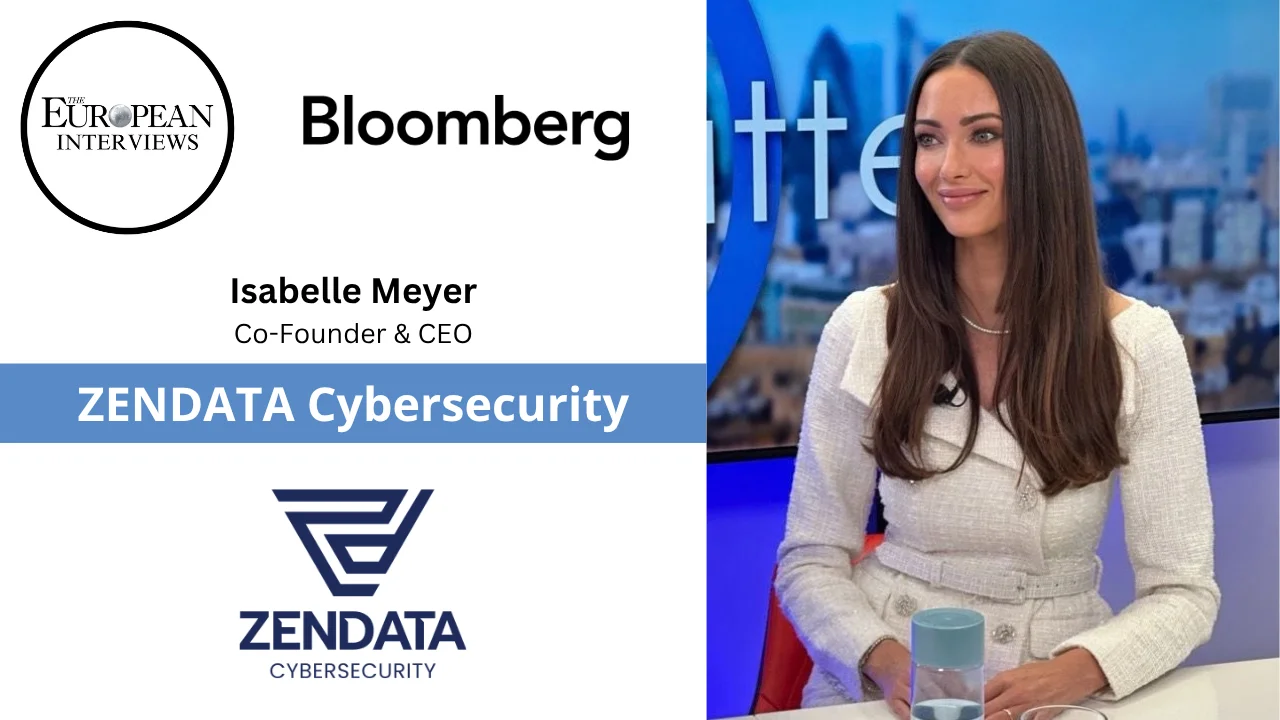
Cybercriminals are using AI and global political turmoil to develop new attacks faster than businesses can defend themselves, with smaller firms increasingly vulnerable to becoming gateways into major organisations, cybersecurity expert Isabelle Meyer has warned
Hackers are exploiting wars, political instability and international tensions to develop new cyberattacks in just minutes, a leading cybersecurity chief has told The European.
Isabelle Meyer, the CEO and co-founder of Zendata Cybersecurity, said the conflict in the Middle East, Russia’s invasion of Ukraine and tensions between the U.S and China are giving cybercriminals fresh opportunities to attack businesses and vital infrastructure.
Changing alliances between countries are making it harder to trace cyberattacks to their source, she warned, as hackers working with new partners adopt different methods that make it more difficult to identify who is responsible.
Criminals are also taking advantage of the disruption caused by wars and political instability to target supply chains, using artificial intelligence to launch attacks against thousands of smaller businesses at once.
Smaller firms with weak security can provide hackers with a back door into much larger companies through their supply chains, with the speed of new attacks making it increasingly difficult to defend against them, she added.
Hackers can now use AI to develop new methods of attack in minutes, giving businesses little time to identify emerging threats and protect themselves.
But strengthening their defences can take months, with companies held back by budget constraints, lengthy procurement procedures and the complexity of their IT systems.
Speaking yesterday to Juliette Foster on Business Matters, she said: “When you look at hacker groups, criminal organisations and governments, the way they develop attacks now means it can be done in minutes. AI helps them create new ways to attack in a matter of minutes.
“But companies can take months to respond. You have to look at the architecture of their systems, procurement and budgets. They simply can’t keep up with this.”
According to the European Union Agency for Cybersecurity (ENISA), government departments and other public bodies accounted for almost a third (32 per cent) of the cyber incidents examined in its latest threat assessment, published last month.
The report, covering more than 8,000 incidents and events during 2025, also identified business services, transport, manufacturing and banking among the sectors targeted, warning that geopolitical tensions and the growing use of AI were adding to Europe’s cyber threats.
But Meyer accused governments of putting businesses at risk by failing to share intelligence about emerging threats quickly enough, allowing criminals to continue attacking companies long after their methods had been identified.
She recalled an incident in Switzerland in which Zendata uncovered a new hacking technique being used by an overseas criminal gang against major companies.
Despite working with law enforcement, she said it took five weeks for information to clear official channels before warnings could be shared more widely. Attacks continued during that period, with airports among those affected.
Meyer also recalled a global coalition of technology and cybersecurity companies formed during the Covid pandemic to combat misinformation which, she said, attracted around 50,000 members before its activities ceased after the crisis.
Governments must now take greater responsibility for cybersecurity, just as they do for conventional policing, and rethink what constitutes critical national infrastructure.
Even ordinary CCTV cameras could become powerful spying tools if hacked by hostile states, she warned, potentially giving them access to surveillance footage across entire countries.
Officials also needed to help smaller businesses strengthen their defences, she said, pointing to an initiative in Dubai involving Zendata that provides access to sophisticated cybersecurity protection.
“We have the police, so on the physical protection side, they have full responsibility for having the right number of police officers,” she said.
“But in reality, they have the same responsibility for the digital world.”
Meyer also called for closer cooperation between governments and private companies, warning that reluctance to share intelligence was leaving everyone vulnerable.
“I’m really trying to push forward public-private partnerships, but it’s not simple because you still have the mindset that when you have intelligence, you want to keep it,” she added.
“You think you have an advantage over other companies or governments, but at the end of the day, it’s really your weakest link.”
Watch Zendata Cybersecurity co-founder and CEO Isabelle Meyer with Juliette Foster for Business Matters, available on The European’s YouTube channel.
READ MORE: Staff are handing company secrets to AI because ‘bosses have failed to set the rules’. Zendata Cybersecurity chief Isabelle Meyer says workers are using chatbots before many employers have explained where company data can safely go.
Do you have news to share or expertise to contribute? The European welcomes insights from business leaders and sector specialists. Get in touch with our editorial team to find out more.
Main image: Isabelle Meyer has warned that wars, political instability and artificial intelligence are creating new opportunities for cybercriminals to target businesses and critical infrastructure.
TOP STORIES
-
 Hackers exploiting wars ‘to develop cyberattacks in minutes’
 -
 Germany risks losing €155bn a year under tighter AI data rules, new study warns
 -
Pope Leo XIV diagnosed with lung cancer after surgery in Rome
-
France faces freezer meltdown as hackers strike supermarket chains
-
Bumble shares soar 50% amid $1bn takeover talks
-
China slump drives Volkswagen to sharpest quarterly fall in more than four years
-
Hollywood mega-powerhouse created as Paramount completes Warner Bros Discovery takeover
-
Gamers face gridlock as latest Grand Theft Auto download 'nears two days'
-
Samsung profits soar ninefold to record £61bn amid AI chip boom
-
New Springer books put the UN’s struggling sustainability goals to the real-world test
-
Europe’s solar boom set for two-year slowdown after record growth
-
Let it pea. Musicians turn vegetables into instruments at Beatles' Abbey Road studios
-
Golden naked Trump statue unveiled at European Parliament
-
Jaguar puts controversial rebrand on the road with £130K 1,030PS Type 01
-
Deepfakes and identity fraud drive new wave of post-hire background checks
-
Spain crowned Europe’s top retirement destination
-
More than half of UK professionals report workplace burnout
-
‘Ideas are worthless’ says Costa Rica startup expert as he calls on tenacious entrepreneurs to head for its ‘startup beach’
-
More than 1.2m English drivers may have eyesight too poor for the road, study finds
-
David Reuben, Britain’s second richest person, leaves London for Monaco
-
UK prisoner release plan faces a major lag as tougher rules risk sending inmates back to jail
-
Brits trust AI with their health but not their money
-
Britain still hungry for Italian food as exports hit €4.56bn despite Brexit
-
Women who earn more than their partners still pay the price at work, landmark study finds
-
Vape expectations go up in smoke as new UK tax sparks fury






















Hackers exploiting wars ‘to develop cyberattacks in minutes’
John E. Kaye
- Published
- Videos
TOP STORIES
-
Hackers exploiting wars ‘to develop cyberattacks in minutes’
-
Germany risks losing €155bn a year under tighter AI data rules, new study warns
-
Pope Leo XIV diagnosed with lung cancer after surgery in Rome
-
France faces freezer meltdown as hackers strike supermarket chains
-
Bumble shares soar 50% amid $1bn takeover talks
-
China slump drives Volkswagen to sharpest quarterly fall in more than four years
-
Hollywood mega-powerhouse created as Paramount completes Warner Bros Discovery takeover
-
Gamers face gridlock as latest Grand Theft Auto download 'nears two days'
-
Samsung profits soar ninefold to record £61bn amid AI chip boom
-
New Springer books put the UN’s struggling sustainability goals to the real-world test
-
Europe’s solar boom set for two-year slowdown after record growth
-
Let it pea. Musicians turn vegetables into instruments at Beatles' Abbey Road studios
-
Golden naked Trump statue unveiled at European Parliament
-
Jaguar puts controversial rebrand on the road with £130K 1,030PS Type 01
-
Deepfakes and identity fraud drive new wave of post-hire background checks
-
Spain crowned Europe’s top retirement destination
-
More than half of UK professionals report workplace burnout
-
‘Ideas are worthless’ says Costa Rica startup expert as he calls on tenacious entrepreneurs to head for its ‘startup beach’
-
More than 1.2m English drivers may have eyesight too poor for the road, study finds
-
David Reuben, Britain’s second richest person, leaves London for Monaco
-
UK prisoner release plan faces a major lag as tougher rules risk sending inmates back to jail
-
Brits trust AI with their health but not their money
-
Britain still hungry for Italian food as exports hit €4.56bn despite Brexit
-
Women who earn more than their partners still pay the price at work, landmark study finds
-
Vape expectations go up in smoke as new UK tax sparks fury



