AstraZeneca revives £300m UK investment after pausing major projects

John E. Kaye
- Published
- News
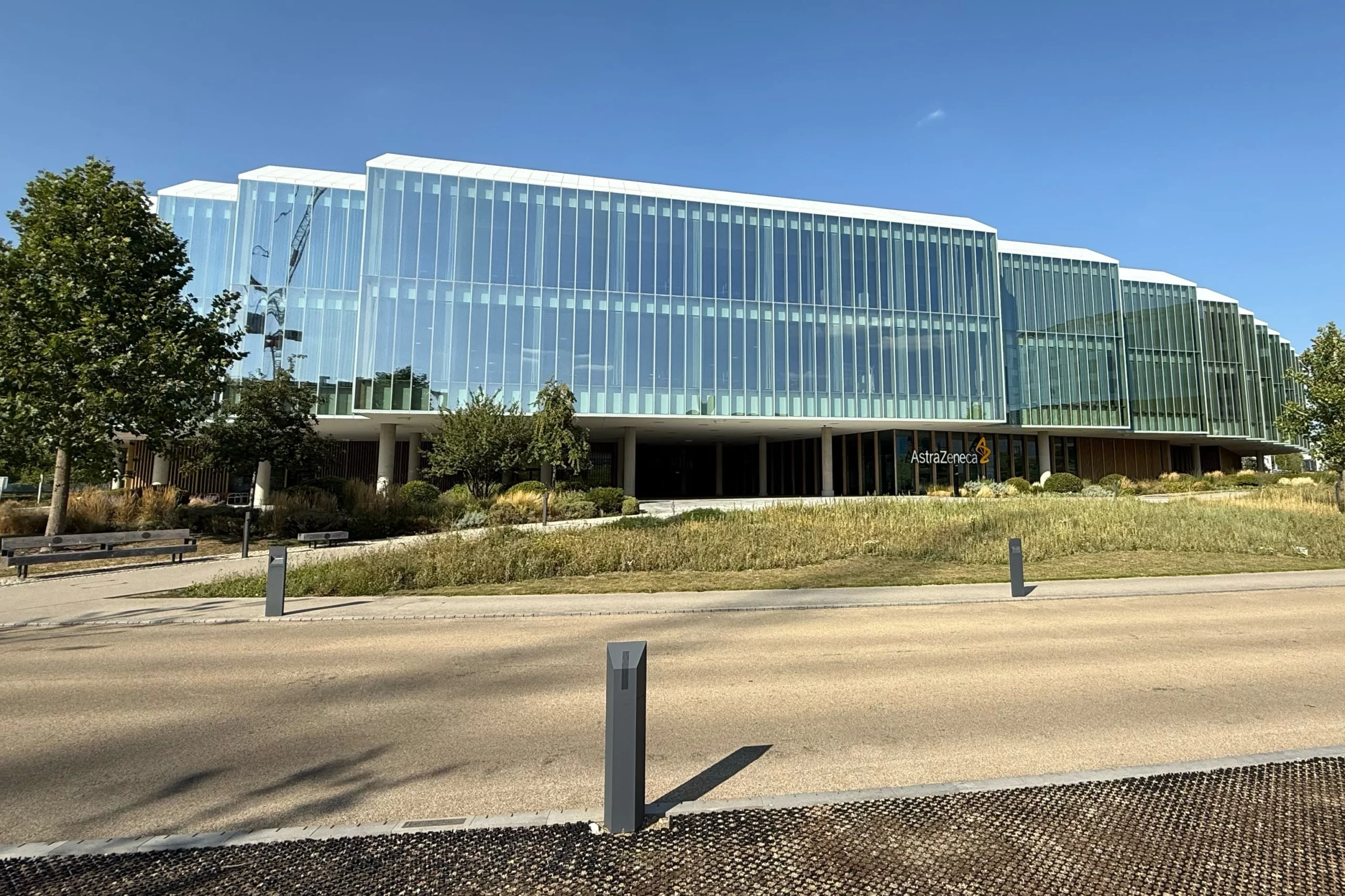
Britain’s biggest drugmaker has restarted a stalled Cambridge expansion and committed fresh spending at Macclesfield, in a reversal after last year’s decision to halt major UK projects
AstraZeneca is to invest £300 million in the UK after reversing course on major projects it had previously put on hold.
The drugmaker said it would restart a paused £200 million expansion in Cambridge and spend a further £100 million at its Macclesfield site, marking a significant shift after pulling back from large-scale UK investment last year.
The Cambridge scheme had been frozen in September, while plans for a £450 million vaccine manufacturing investment at Speke in Merseyside were scrapped in January after the company said government support had been reduced following months of talks.
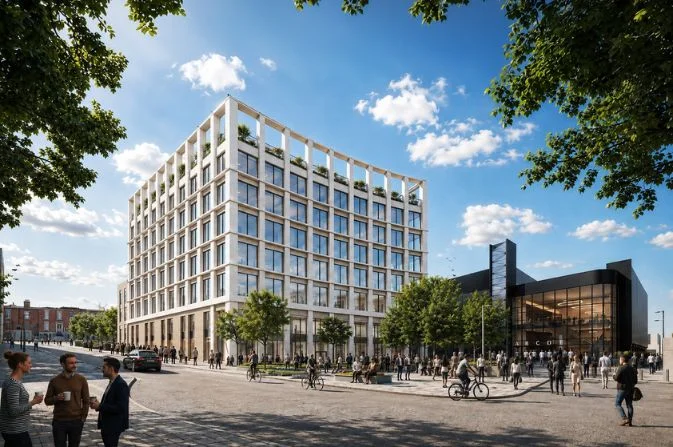
The latest move will see AstraZeneca complete construction of an office building on its Cambridge campus near its headquarters. Known as the Disc, it is named after Rosalind Franklin, whose X-ray crystallography work was central to uncovering the structure of DNA.
At Macclesfield, the company plans to build what chief executive Pascal Soriot described as a “lab of the future”, using digital and data tools to support drug development.
The investment was announced in the Commons by Keir Starmer, who said it would help protect jobs. AstraZeneca said the Macclesfield project would create new scientific roles, although it had not said how many.
The company employs about 10,000 people in the UK, including more than 4,000 in Cambridge and a similar number in Macclesfield.
Soriot said the company was responding to signs of improvement in the UK environment for medicines. He thanked the government “for their effort to improve access for patients, including four new [drug] approvals since the beginning of the year, and we look forward to further enhancing the access and the reimbursement environment and build a strong life sciences sector”.
The announcement follows a period of tension between AstraZeneca and the government over the UK’s attractiveness for pharmaceutical investment, including concerns about NHS uptake of new medicines and pricing.
The UK agreed a deal with the U.S in December on drug pricing that is expected to lower prescription medicine prices in America while increasing NHS spending on medicines. In return, UK pharmaceutical companies are to be spared trade tariffs.
READ MORE: BP profits more than double as oil price surge lifts trading business. The energy giant reported first-quarter profits of $3.2 billion after sharp swings in crude prices during the Iran conflict boosted returns from oil trading.
Do you have news to share or expertise to contribute? The European welcomes insights from business leaders and sector specialists. Get in touch with our editorial team to find out more.
Main image: AstraZeneca’s headquarters in Cambridge, where the drugmaker is reviving a paused expansion project. Credit: FDV / Wikimedia Commons / CC BY-SA 4.0
TOP STORIES
-
 North Korean agents are infiltrating Western businesses by posing as employees, security chief warns
 -
Route 66 turns 100 next month – and there’s never been a better excuse for Europeans to hit the road
-
Serbia erupts in celebration as student protesters end Vučić’s 14-year grip on power
-
Two killed as Storm Boelo batters Britain with 85mph winds and leaves 90,000 homes without power
-
Man arrested on suspicion of arson after fire destroys Hitler’s Eagle’s Nest retreat
-
Britain faces higher winter energy prices as reliance on European electricity imports grows
-
Andy Burnham to make special Gogglebox appearance for Stand Up To Cancer
-
WPSL Golf targets £120 million valuation as billionaire-backed corporate deals and other commercial deals drive explosive global growth
-
Hackers could bring Britain’s essential services to a standstill, security chief warns after global website shutdowns
-
We’re talking to almost twice as many people on the phone as a decade ago, study finds
-
TalkTalk sells majority stake in Telecom Acquisitions as founder Nigel Barnett regains control
-
Company closures soar ahead of tax rises as new Budget looms
-
An Italian affair – Stanley Johnson takes London’s society set on the Silk Road
-
Himalayan mountainside moved 40cm before avalanche killed 1,451 in Nepal, scientists reveal
-
Scientists and engineers quitting jobs as AI changes roles ‘beyond recognition’, study finds
-
UK profit warnings hit near two-year high as businesses struggle with rising costs
-
Microsoft pulls out of major UK AI data centre project amid power grid delays
-
Russia takes control of more European corporate assets amid Ukraine tensions
-
EU leaders resist calls to delay carbon rules as energy costs soar
-
‘A big step forward’ – PM Andy Burnham hails plans for Great British Railways HQ in Derby
-
UK economy grows just 0.1 per cent as construction falls and services stall
-
Germany risks losing €155bn a year under tighter AI data rules, new study warns
-
Pope Leo XIV diagnosed with lung cancer after surgery in Rome
-
France faces freezer meltdown as hackers strike supermarket chains
-
Bumble shares soar 50% amid $1bn takeover talks