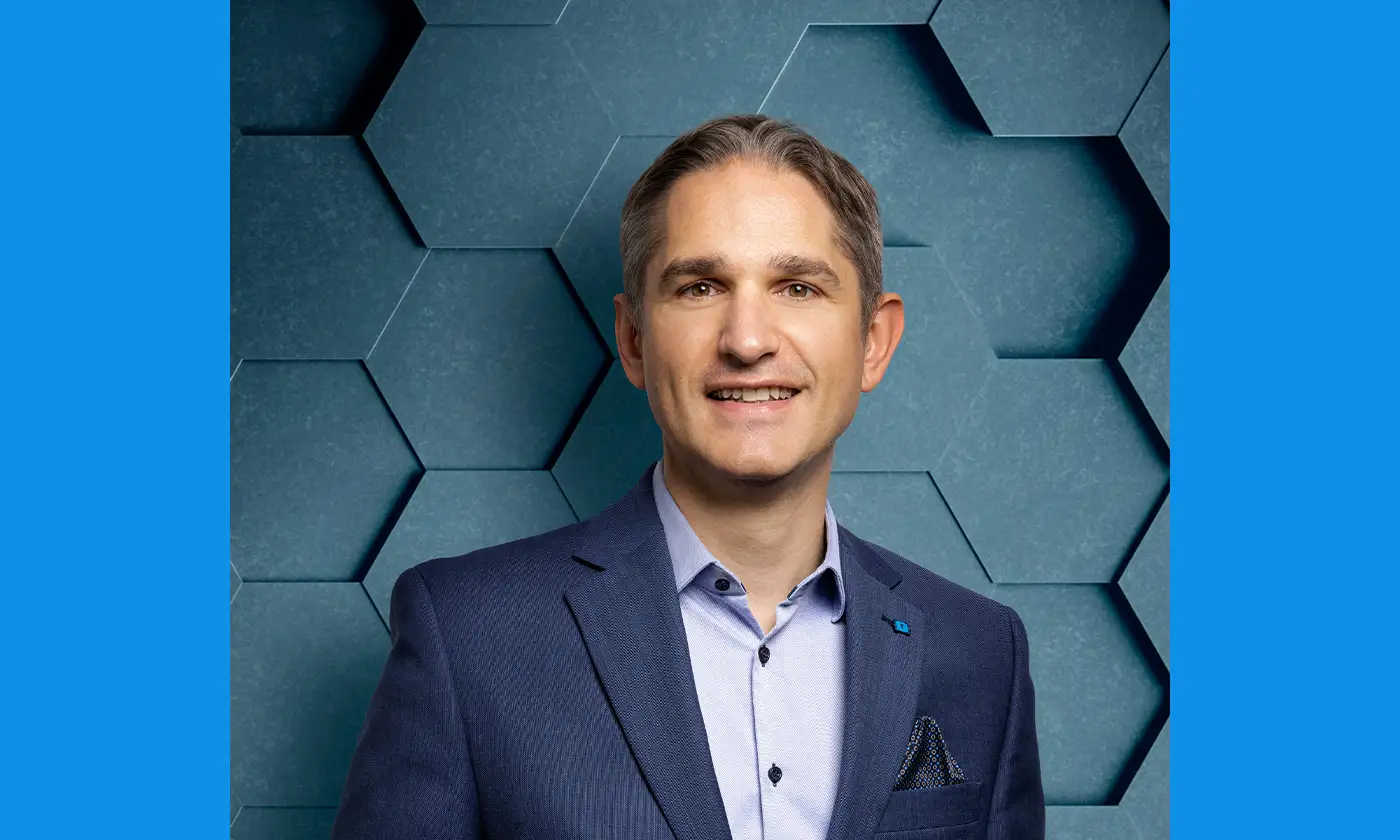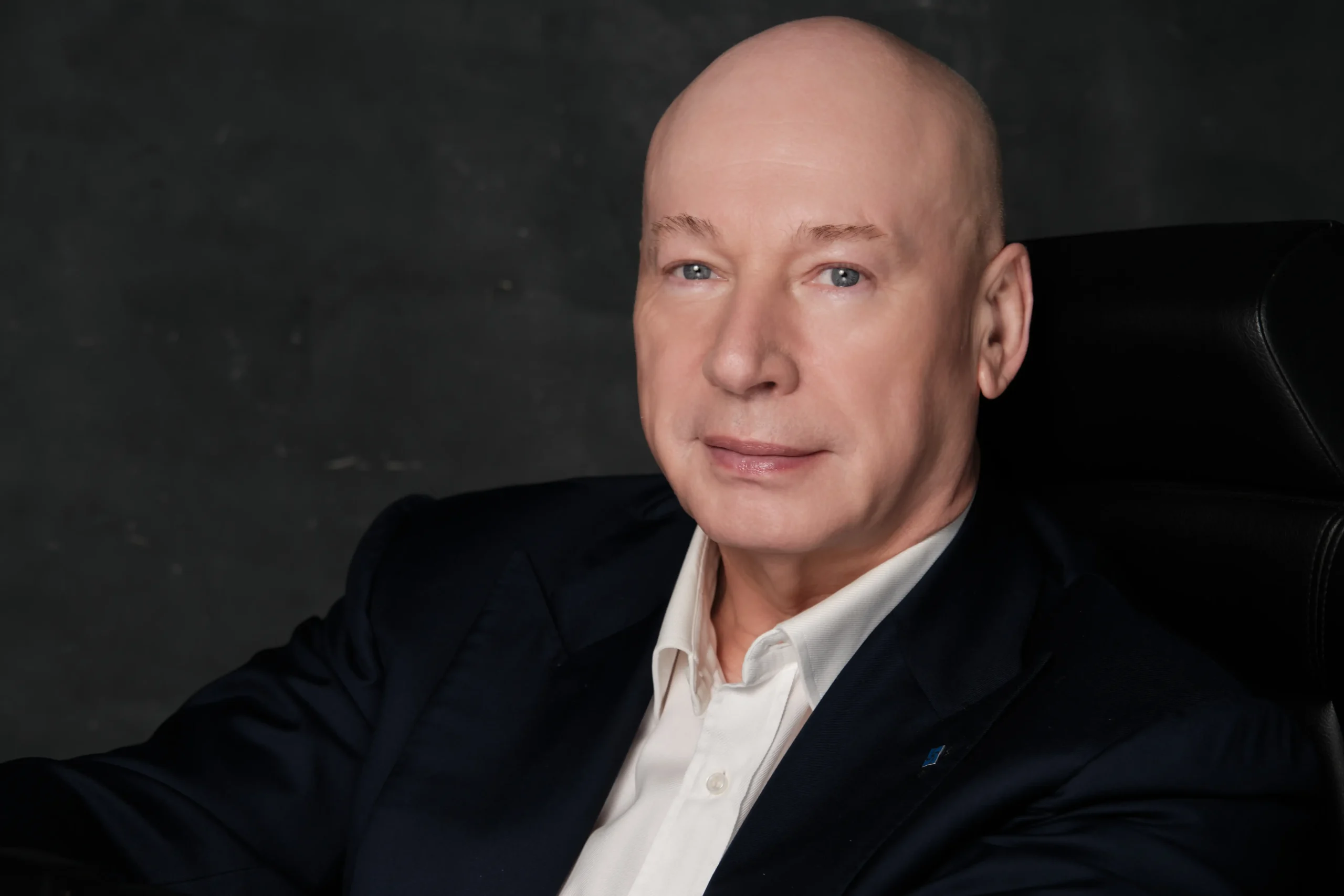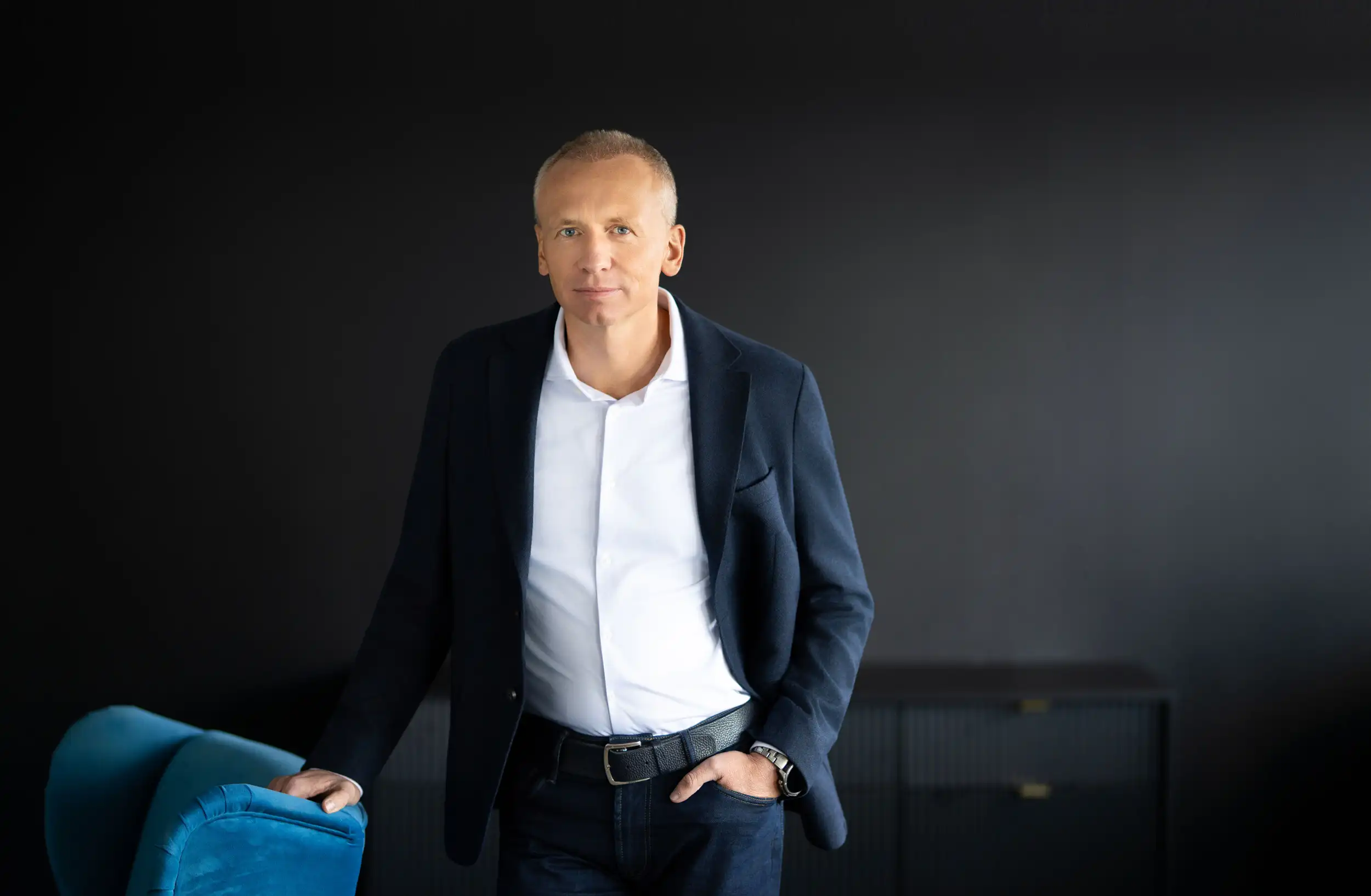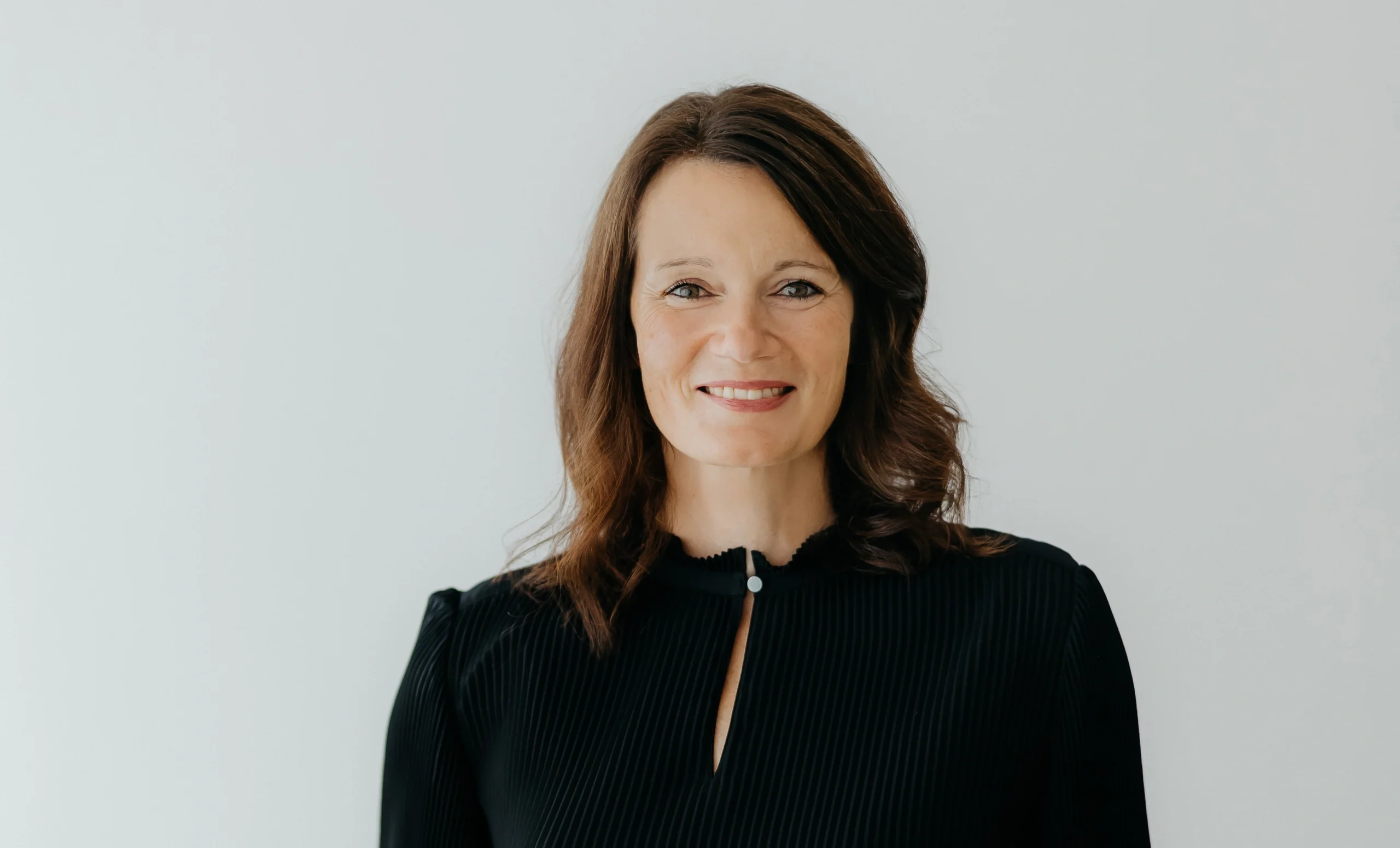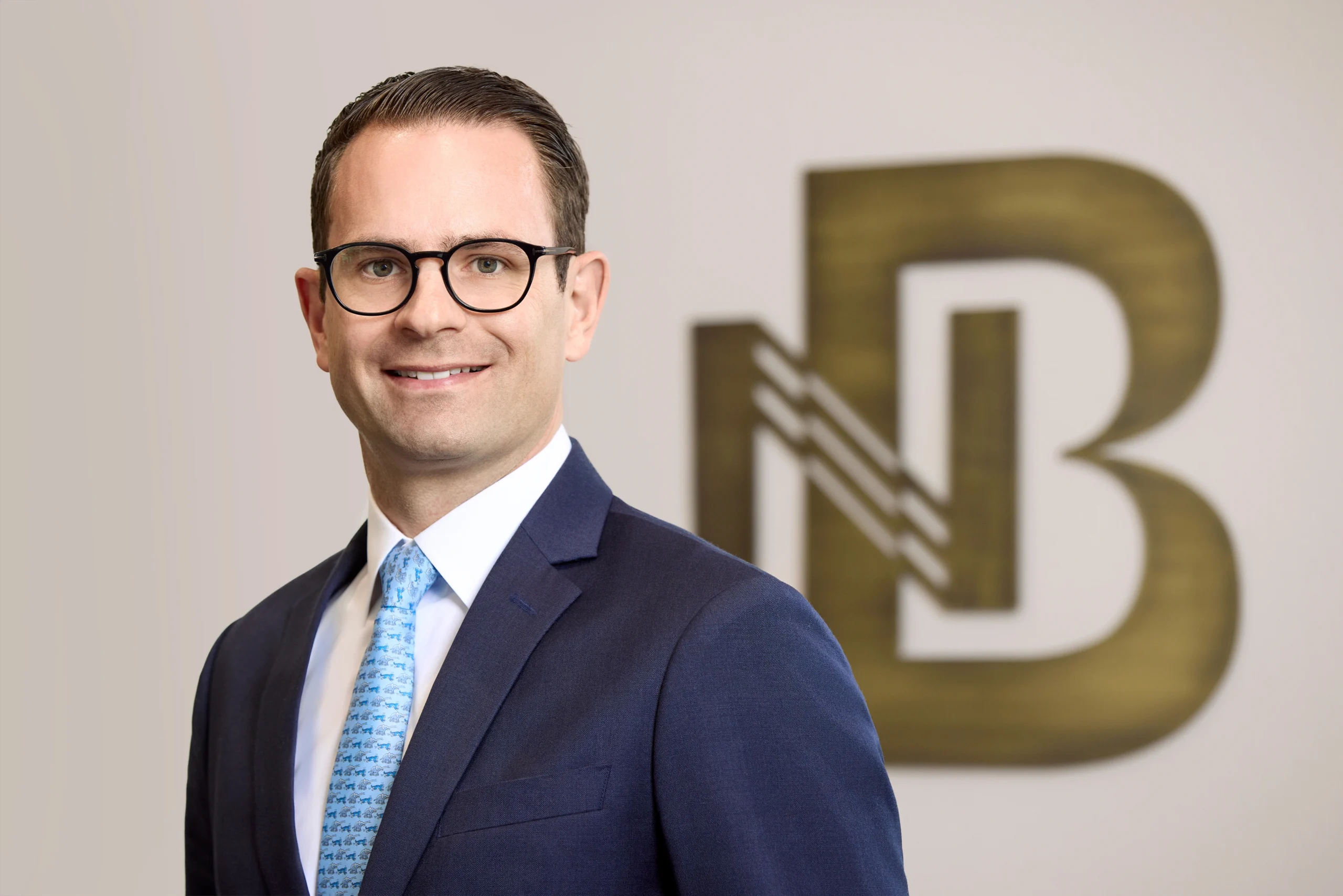
Neue Bank is refining a long-standing private-banking model that prioritises disciplined growth, transparent risk management and sustainability backed by data. CEO Roman Pfranger discusses the principles guiding the bank’s next phase in conversation with The European’s John E. Kaye
“Private banking is often described as a ‘relationship business’, but the quality of those relationships depends on how well a bank runs itself over the long term,” Roman Pfranger, the CEO of Neue Bank, tells me from its headquarters in Vaduz.
Pfranger, a CFA charterholder with an MBA from IE Business School in Madrid, joined Neue Bank a year ago after serving as a Member of the Executive Board for another Liechtenstein-based private bank. In his new role he oversees a model that has long given equal weight to human relationships, cultural coherence, responsibility, professional expertise, trust and financial precision. Pfranger describes this balance as central to the way Neue Bank intends to serve clients in the years ahead.
“We have, and always have been, a people-centric organisation,” he adds. “The practical meaning of that is discipline. Clients are advised by staff who understand the bank’s expectations, know the boundaries of their mandate and work in a structure designed to avoid unnecessary complication. A private bank’s internal climate often determines the quality of its external service, and we treat this as a strategic asset rather than an HR sentiment.”
Neue Bank, Liechtenstein’s fourth oldest, has a history that reflects the development of the principality’s financial centre. Founded in 1992, it has grown steadily alongside the expansion of Liechtenstein’s financial services sector. The institution has built a reputation for conservative balance-sheet management, disciplined client advisory work and a long-term ownership structure that allows it to operate without the short-cycle pressures faced by publicly listed banks. Today it employs more than 100 people and manages client assets in excess of €7 billion.
The operating framework that has grown out of this history is deliberately concentrated on a small number of defined activities. Neue Bank works primarily in private banking and wealth management, supported by lending capabilities that allow it to assist clients with both investment planning and financing requirements. Its advisory process is structured to prioritise suitability and long-term value, while it maintains a framework designed to keep the client relationship free of conflicts that have affected other parts of the industry.
“Our focus is intentional,” Pfranger tells me. “We concentrate on the areas where we have long-standing expertise, and we keep the advisory process aligned with each client’s objectives rather than internal targets. That structure supports clarity and avoids the conflicts that can arise in more diversified models.”
Sustainability is built into the bank’s operating framework. Neue Bank takes a simple approach: results, Pfranger says, must be measurable and any claims backed by evidence. Its CO₂-reduction equity strategy, introduced in 2017, has delivered approximately 1.1% annual outperformance relative to global markets while applying strict exclusion rules, ESG criteria and financial-substance tests.

“We base the strategy on emissions data, business-model analysis and long-term viability,” he explains. “Clients want a foundation that is practical and economically sound, and that is what this approach provides.”
Risk management, meanwhile, is organised with the same emphasis on clarity. Proprietary tools, including a visual “traffic-light” model, allow clients to understand risk exposure quickly and accurately. While many institutions offer risk commentary without presenting the underlying detail, Neue Bank builds transparency into the advisory process itself. Its sustainability reports follow this structure, providing detailed information that shows where risk arises and how it is managed, supporting informed decision-making.
When we turn to the structure behind the bank, Pfranger stresses that Neue Bank’s stability is rooted in its ownership model. It has remained majority family-controlled since its formation in 1992, and he says this shapes almost every strategic decision the institution makes. The bank is not pushed into reacting to quarterly cycles or short-term market pressures, and that gives it room to grow only where it sees clear benefit.
With substantial client assets, expansion, Pfranger says, is treated carefully and must show measurable value before it goes ahead.
“Long-term ownership gives us the freedom to make decisions that fit the bank, not the quarter. We add new activity when it strengthens what we already do well, and we expect every step to demonstrate clear value for clients.”
The environment in which the bank operates reinforces this approach. Liechtenstein maintains a AAA rating, debt-free public finances and a low state quota, creating a stable economic base. Regulation is modern and predictable, while membership of the European Economic Area provides market access with regulatory autonomy. The principality’s blockchain legislation is already established and comprehensive.
The wider system is also supported by strong institutions, IMF membership and transparent oversight, giving clients a stable and well-capitalised setting, Pfranger explains.
“People come to us because they value stability and a clear way of working,” he adds. “Our responsibility is to keep those foundations strong and to take decisions that hold up over the long term. The environment we operate in supports that, and we intend to use it well.”
Further information
Produced with support from Neue Bank. To find out more about its advisory services and wealth-management capabilities, visit www.neuebank.li
READ MORE: ‘Philipp Kieber on legacy, leadership and continuity at Interadvice Anstalt‘. Interadvice Anstalt has been guiding families through wealth, structure and succession from Liechtenstein for more than a century. Today, Philipp Kieber carries that legacy as the fourth generation to lead the firm. In this Q&A with The European, he reflects on how a close, steady organisation responds to tighter regulation, diverse client needs and global movement — and why long-term trust remains its most valuable asset.
Do you have news to share or expertise to contribute? The European welcomes insights from business leaders and sector specialists. Get in touch with our editorial team to find out more.