
Inside Liechtenstein’s strategy for a tighter, more demanding financial era

Simon Tribelhorn
Guest Writer
- Published
- Banking & Finance, Liechtenstein
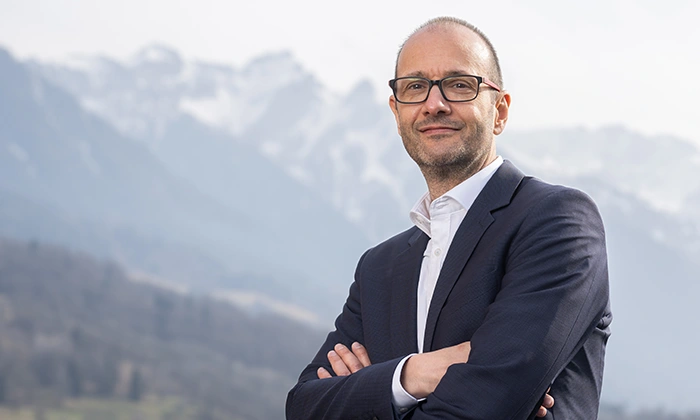
Liechtenstein has spent the past decade developing a financial model built on currency stability, complete regulatory alignment with Europe and a sustained drive into digital and sustainable finance. The combination has helped a small jurisdiction secure an influential position in private banking and cross-border services. Here, Simon Tribelhorn, CEO of the Liechtenstein Bankers Association and board member of Liechtenstein Finance, discusses the foundations of that approach and the pressures now shaping the sector’s next phase
The pace of change in European finance has forced even the most traditionally cautious centres to rethink how they operate, and Liechtenstein is no exception. As regulatory expectations have become more complex, the Liechtenstein Bankers Association — a decades-old industry body representing the country’s banks in European and international policy discussions — has taken on a larger role in translating shifting rules into domestic practice.
Its guidance is especially significant for a market that uses the Swiss franc yet serves clients across the EU through the EEA, a combination that offers monetary stability and Single Market access while exposing institutions to fast-moving, technically demanding standards.
The Association’s remit has widened as those demands have grown, and the changes now taking shape cut across every major area of its work. Sustainable finance, for example, is moving towards measurable outcomes under the Association’s Roadmap 2025, which anchors its strategy in SDG-linked goals. Digital asset regulation, meanwhile, is advancing through the country’s tokenisation law and alignment with MiCAR, giving banks the predictability they need to test new applications in automation and data-driven services. And fintech firms now sit within the Association’s working groups, reflecting a move towards more practical collaboration. Its work also extends across AML expectations, climate initiatives and the operational challenges of serving clients under two regulatory systems that do not always move in parallel.
Under the direction of CEO Simon Tribelhorn, the Association has extended its influence beyond Liechtenstein, taking an active seat in European forums and, more recently, pressing for proportionate regulation that smaller markets can adopt without compromising standards. In this exclusive Q&A with The European, he outlines how these priorities are developing and how Liechtenstein is positioning itself as financial rules, technology and client expectations continue to tighten across Europe.
The European: Liechtenstein’s financial sector punches well above its weight globally. What do you see as the key factors behind its sustained success?
Simon Tribelhorn: Liechtenstein’s success rests on economic stability, a clear strategy in the area of sustainability, and an integrated European footprint. The Swiss franc provides a strong anchor for macro stability, while dual access to Swiss and EU markets broadens opportunities for cross-border private banking and wealth management. The sector benefits from high service quality, a skilled workforce, and a regulatory environment that values prudence and transparency. Liechtenstein has long followed a sustainability-driven strategy guided by the 17 UN SDGs. Strong branding as a trustworthy financial hub also helps attract high-net-worth clients and international financial service providers seeking a compliant, efficiency-driven base.
You have championed Liechtenstein’s dual access to Swiss and EU markets. How does this unique positioning benefit the country’s banking ecosystem?
Dual access acts as a bridge between two regulatory and market ecosystems. The Swiss connection ensures currency stability, access to a modern financial market infrastructure and deep private banking expertise, while EU access opens a vast client base of over 400 million and the passporting within the European Single Market. The EU passport enables pan-European service delivery, boosting competitiveness, diversification, and the ability to attract foreign capital seeking efficiency and stability.
Sustainability is a core focus for the Bankers Association. What progress has been made in aligning Liechtenstein’s financial services with ESG principles?
Progress is most visible in how Liechtenstein’s financial sector is shifting from ESG compliance towards contributing to real, measurable outcomes aligned with the SDGs. The Roadmap 2025 anchors this direction by putting impact at the centre of the LBA’s strategy. Banks are not only committing to net-zero pathways but are increasingly allocating capital to activities that generate tangible results — in climate, biodiversity, and social development.
From a client perspective, this shift is equally important. Clients — private and institutional — are looking for solutions that go beyond labels and contribute to real change. Liechtenstein’s banks respond by offering products and advisory approaches that prioritise measurable impact and credible SDG alignment. This is supported by better data, stronger measurement frameworks, and new partnerships with public and non-profit actors.
The goal is clear: to ensure that sustainable finance in Liechtenstein mobilises capital where it makes a material difference — for clients seeking purposeful investments and for global development outcomes.
Digitalisation and technological innovation are reshaping banking worldwide. What steps is the Association taking to employ and support innovation while maintaining regulatory integrity?
Liechtenstein’s approach to innovation is built on clarity, legal certainty, and responsible adoption. With the Trustworthy Technologies Act and full MiCAR alignment, the country has created one of Europe’s most predictable frameworks for tokenisation and digital assets — enabling banks and service providers to innovate while maintaining high standards of security and consumer protection.
For the LBA, the focus lies on using technology where it creates real value: strengthening resilience, improving client services, and enabling new solutions that also support broader economic and sustainability objectives. These initiatives are supported by strong governance, operational-resilience requirements under DORA, and robust data protection standards.
The aim is to foster innovation that is practical, responsible, and aligned with regulatory expectations — allowing Liechtenstein’s banking sector to stay competitive while ensuring trust, transparency, and long-term stability.
You’ve helped launch the LIFE Climate Foundation. How does this initiative reflect the financial sector’s role in climate action?
The LIFE Climate Foundation shows the sector’s commitment to aligning finance with climate goals. By pooling industry resources, it funds climate research, pilots innovative green and sustainable finance instruments, and supports clients’ transition to lowercarbon business models. It underlines that Liechtenstein’s financial community views climate risk as financial risk and is proactively steering investment and lending toward sustainable outcomes while keeping competitive offerings for clients.
With increasing scrutiny on financial transparency, how is Liechtenstein balancing privacy, compliance, and competitiveness?
Liechtenstein aligns with both, international and EU regulatory standards, and benefits from positive assessments by OECD, MONEYVAL, and major credit agencies. Privacy remains a valued principle for legitimate client confidentiality but operates within a strict, internationally compliant framework. The result is a well-governed system that preserves competitiveness through compliant cross-border operations and trusted services. This balance sustains stable asset flows and market access while protecting against illicit finance.
What are the biggest challenges facing Liechtenstein’s banks today — and how is the Association helping members navigate them?
Key challenges include growing regulatory demands, digital transformation, cybersecurity threats, and talent scarcity. The Association responds with advocacy, targeted training and continuing education, harmonised guidance, and support for innovative instruments like blended finance. It promotes clear and proportionate legal frameworks and fosters knowledge sharing to strengthen resilience and cyber defences.
Fintech collaboration is on the rise. How is the Bankers Association fostering partnerships between traditional banks and emerging tech players?
Liechtenstein offers a collaborative environment where banks and tech innovators can work together with clarity and legal certainty. The blockchain law and the country’s broader digital-finance framework create a strong foundation for joint solutions in tokenisation, payments, data analytics, and other emerging fields.
To strengthen this collaboration, the LBA has opened its doors more widely through the new Associate Membership model. This allows fintechs and specialised service providers to join the Association, participate in working groups, contribute expertise, and co-develop practical solutions alongside banks. It creates a structured platform where innovation and regulatory expectations meet — enabling faster learning, better alignment, and mutual benefit.
In practice, this means more pilots, shared development of digital tools, and closer cooperation on topics such as AI, digital assets, and impact-oriented finance. The goal is to ensure that traditional banks can access new technology securely and compliantly, while innovators gain direct insight into supervisory requirements and industry needs.
You represent Liechtenstein in several European financial bodies. What insights have you gained from these forums, and how do they inform your domestic strategy?
Representing Liechtenstein in European bodies provides a front row view of how Europe’s financial architecture is evolving, and where small, agile jurisdictions can actively shape the agenda. A key insight is that competitiveness and stability increasingly depend on coherent, cross-border frameworks: from digital finance and AI to sustainable finance and AML/CFT. Fragmentation simply slows innovation and creates uncertainty for clients and institutions alike.
Another lesson is the growing need for proportionate, innovation-friendly regulation. Smaller markets can bring valuable perspectives here. We consistently advocate for rules that enable responsible innovation, support the scaling of impactoriented finance, and maintain trust through robust governance and risk standards. Digital interoperability, shared supervisory practices, and open market access are becoming essential for Europe’s financial sector to remain efficient and client focused.
These insights flow directly into our domestic strategy. They reinforce our efforts to ensure that Liechtenstein stays aligned with EU developments, positions itself as a contributor to European solutions, and leverages its agility to test and implement new approaches early. The objective is clear: to remain a credible, constructive partner in Europe while shaping frameworks that allow our financial centre – and its clients – to thrive in a rapidly changing environment.
Looking ahead, what’s your vision for the future of banking in Liechtenstein — and what role will the Association play in shaping it?
The future of banking in Liechtenstein will be defined by trust, innovation, and its ability to contribute to real outcomes — for clients, for society, and for global sustainability goals. Our vision is a financial centre that remains stable and internationally connected, while using technology and smart regulation to stay agile, competitive, and impact-driven.
Banks in Liechtenstein will continue to evolve from traditional service providers into partners for long-term value creation – combining strong advisory capabilities with digital tools, tokenisation, AI, and transparent impact measurement. Clients will increasingly expect personalised services, seamless digital experiences, and investment solutions that contribute to the SDGs. Our ecosystem is well positioned to deliver on this.
The Association’s role is to shape the conditions that make this evolution possible. We will continue to drive international alignment with EU and global standards, promote innovation through our expanded membership model, support responsible adoption of AI and digital finance, and strengthen frameworks for sustainable and impact-oriented finance. Just as importantly, we will ensure that Liechtenstein’s voice remains visible and constructive in Europe and in the world.
In short, our task is to help the sector remain trusted, future-ready, and able to turn finance into a real force for positive change — locally and globally.
Further information
Produced with support from the Liechtenstein Bankers Association and Liechtenstein Finance. To find out more about its initiatives in sustainable finance, digitalisation and cross-border regulatory alignment, visit:
www.bankenverband.li/en
www.finance.li
finance.li/en/download-centre
READ MORE: ‘‘Stability, scale and strategy’: Christoph Reich on Liechtenstein’s evolving financial centre‘. Liechtenstein’s renewed AAA rating, its access to the European single market and its reputation for disciplined innovation continue to shape one of Europe’s most resilient banking hubs. Christoph Reich, Group CEO of Liechtensteinische Landesbank and the new Vice President of the Liechtenstein Bankers Association, discusses how the sector is managing regulatory pressure, advancing digital transformation and adapting to shifting international client expectations
Do you have news to share or expertise to contribute? The European welcomes insights from business leaders and sector specialists. Get in touch to find out more.
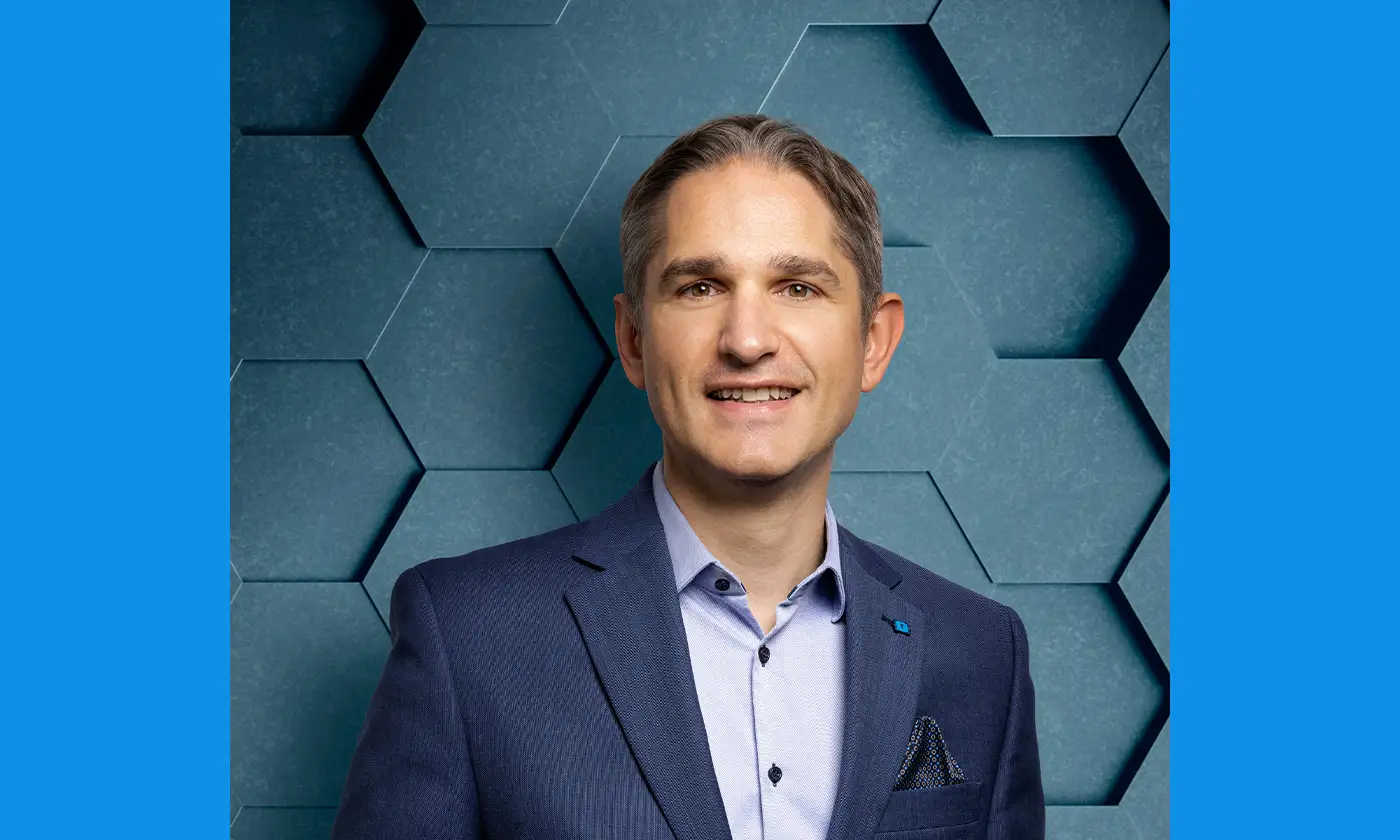
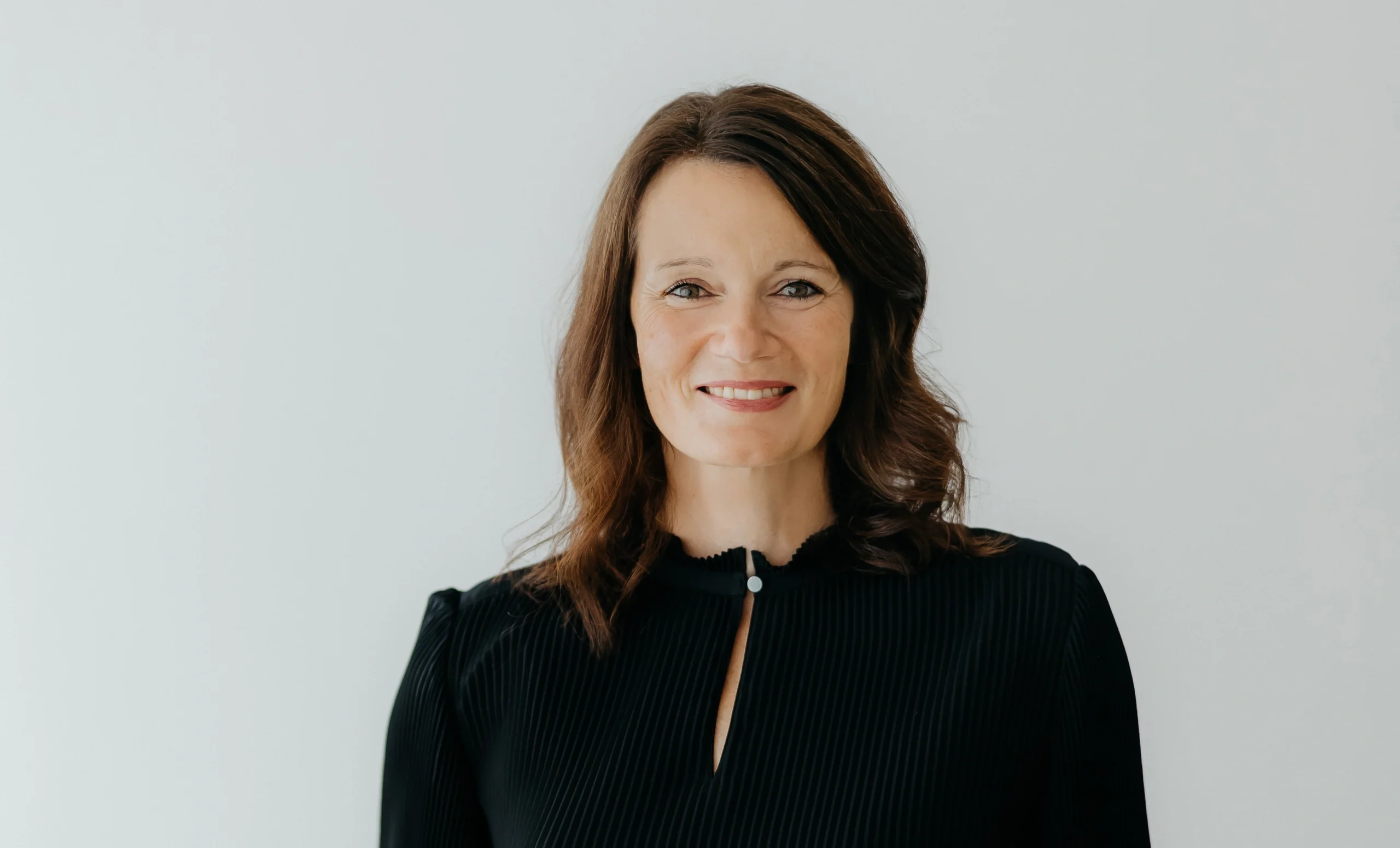
Main Image: Simon Tribelhorn
TOP STORIES
-
 Why financial literacy looks different when you live between two countries
 -
TalkTalk sells majority stake in Telecom Acquisitions as founder Nigel Barnett regains control
-
Company closures soar ahead of tax rises as new Budget looms
-
Credit beyond scoring: where to find fintech’s next big opportunity
-
UK economy grows faster than first thought as household incomes bounce back
-
British Chambers unite against 'Made in Europe' rules amid fears for UK industry
-
Kuwait deepens capital market reforms as Boursa Kuwait scoops triple honours
-
Michael Dell becomes world's fourth-richest person as Forbes reveals the ten wealthiest billionaires
-
MPs tell Government to reject Thames Water creditors as utility nears insolvency
-
The municipal pension fund setting a new standard in South Africa
-
BP appoints Ian Tyler chairman after Albert Manifold ousting
-
They came to Malta as nomads. Then stayed on as founders
-
Fuel management software is becoming a working-capital tool for smaller fleet businesses
-
Tokenisation, trust and the future of European property law
-
LEGO sales soar 22% amid World Cup, F1 and Star Wars push
-
Why entrepreneurs choose the wrong countries
-
Finance and Investment in Focus
-
Aventus Group wins three European Business Awards after loan growth tops 30 per cent
-
European investors can now trade thousands of US stocks through Kraken
-
Ex-Lenovo executive Sabine Hammer to lead Infinigate’s DACH business
-
NVIDIA teams up with Wall Street giants in $500bn push to fund AI boom
-
BAC and the future of regional corporate banking in Central America
-
How AI trading bots are reshaping retail currency trading in Europe
-
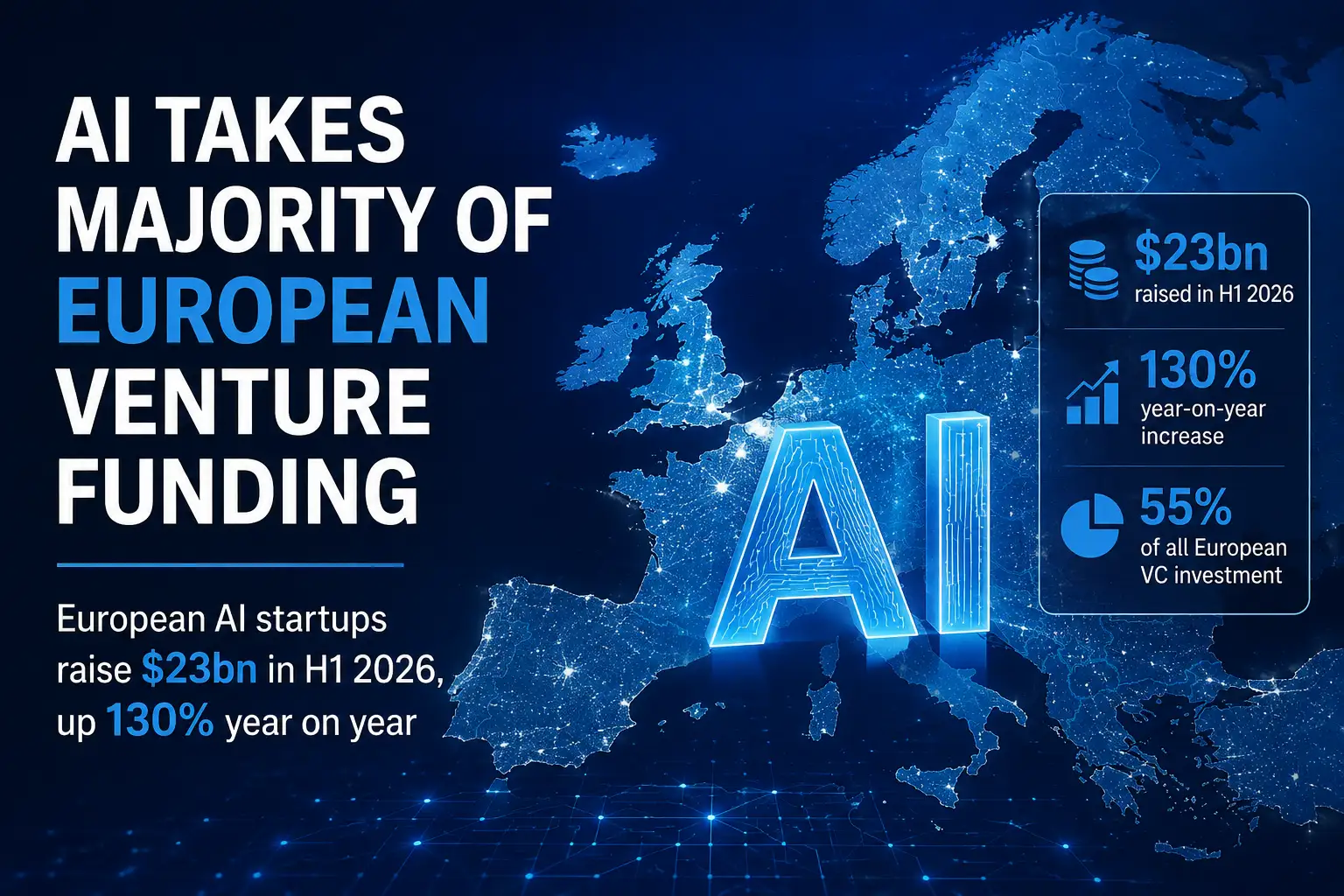
AI takes majority of European venture funding as money floods into few firms
-
RABAM raises $500,000 ahead of Series A round
















Inside Liechtenstein’s strategy for a tighter, more demanding financial era
Simon Tribelhorn
Guest Writer
- Published
- Banking & Finance, Liechtenstein
TOP STORIES
-
Why financial literacy looks different when you live between two countries
-
TalkTalk sells majority stake in Telecom Acquisitions as founder Nigel Barnett regains control
-
Company closures soar ahead of tax rises as new Budget looms
-
Credit beyond scoring: where to find fintech’s next big opportunity
-
UK economy grows faster than first thought as household incomes bounce back
-
British Chambers unite against 'Made in Europe' rules amid fears for UK industry
-
Kuwait deepens capital market reforms as Boursa Kuwait scoops triple honours
-
Michael Dell becomes world's fourth-richest person as Forbes reveals the ten wealthiest billionaires
-
MPs tell Government to reject Thames Water creditors as utility nears insolvency
-
The municipal pension fund setting a new standard in South Africa
-
BP appoints Ian Tyler chairman after Albert Manifold ousting
-
They came to Malta as nomads. Then stayed on as founders
-
Fuel management software is becoming a working-capital tool for smaller fleet businesses
-
Tokenisation, trust and the future of European property law
-
LEGO sales soar 22% amid World Cup, F1 and Star Wars push
-
Why entrepreneurs choose the wrong countries
-
Finance and Investment in Focus
-
Aventus Group wins three European Business Awards after loan growth tops 30 per cent
-
European investors can now trade thousands of US stocks through Kraken
-
Ex-Lenovo executive Sabine Hammer to lead Infinigate’s DACH business
-
NVIDIA teams up with Wall Street giants in $500bn push to fund AI boom
-
BAC and the future of regional corporate banking in Central America
-
How AI trading bots are reshaping retail currency trading in Europe
-
AI takes majority of European venture funding as money floods into few firms
-
RABAM raises $500,000 ahead of Series A round



