
Bridging tradition and transformation: Brigitte Haas on leading Liechtenstein into a new era

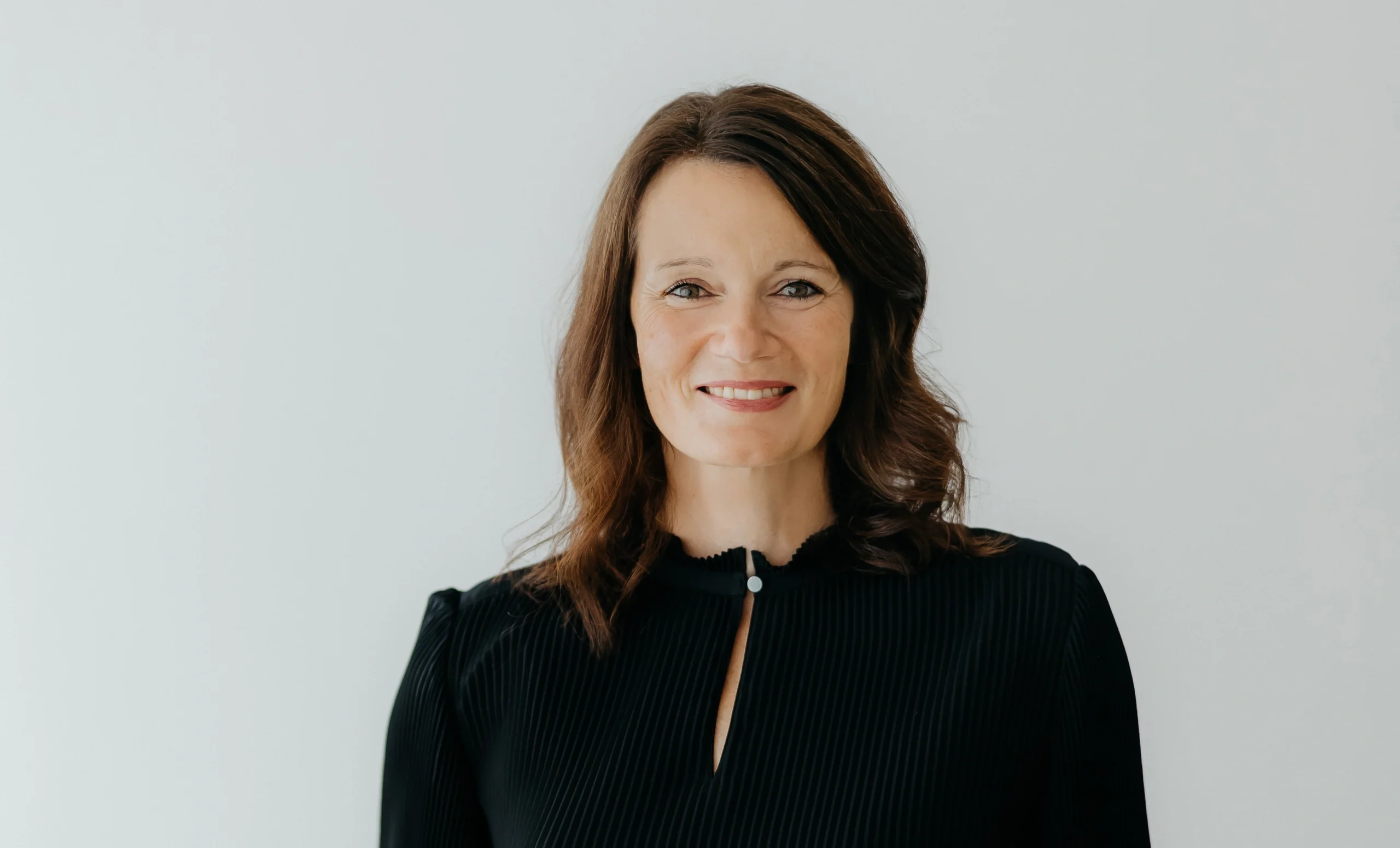
Brigitte Haas
- Published
- Banking & Finance, Liechtenstein
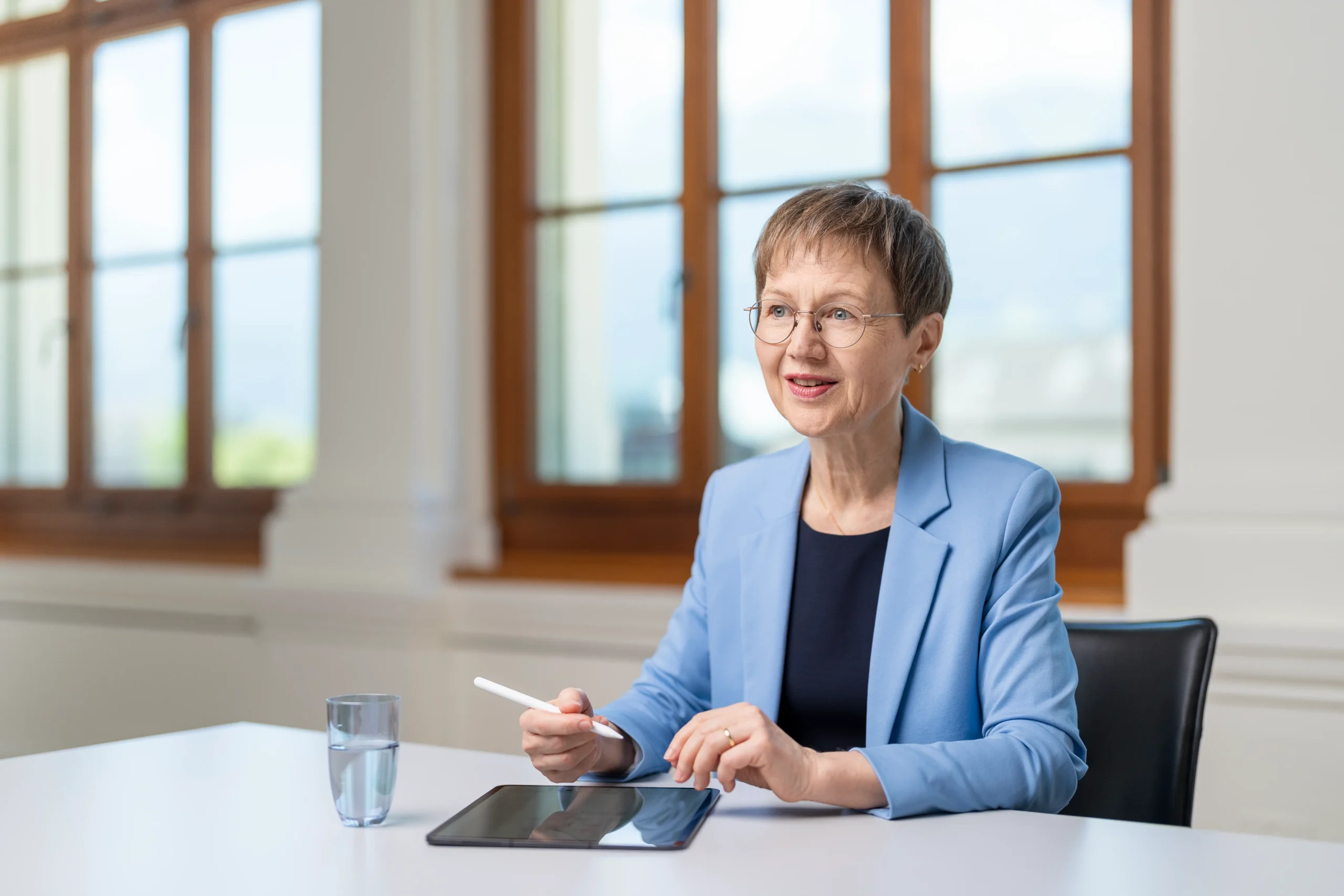
Brigitte Haas enters office at a time of significant change for Liechtenstein, with questions of security, European relations, social cohesion, and technological readiness rising on the national agenda. Here, she outlines how her government is approaching these challenges, what long-term priorities are shaping policy, and how a small state can position itself effectively within the wider European framework
In April 2025, Brigitte Haas made history as Liechtenstein’s first female Prime Minister, ushering in a new chapter for one of Europe’s smallest yet most resilient nations. With a background in economics and a reputation for pragmatic diplomacy, Haas now stands at the helm of a country navigating the delicate balance between tradition and modernity.
In this exclusive interview with The European, she reflects on her government’s priorities — from advancing social reforms and exploring deeper ties with the European Union to preserving Liechtenstein’s unique cultural identity. As Europe faces shifting political currents, Haas offers a thoughtful perspective on leadership, inclusion, and the quiet power of principled governance.
The European: You’ve made history as Liechtenstein’s first female Prime Minister. What does this milestone mean to you personally—and to the country politically?
Brigitte Haas: Personally, becoming head of government brings me full circle: I started my professional career as an apprentice in the national administration, studied law and then worked in the private sector for many years. And now I am returning to the state to serve as head of government. For the country itself, the election of its first female head of government was certainly historic, especially in view of the late introduction of women’s suffrage in Liechtenstein in 1984.
Your background spans law, commerce, and public administration. How have these experiences shaped your leadership style and priorities in office?
I believe that the insights I gained into various industries have provided me with a wealth of experience. This includes my involvement in civil society, which greatly assists me in my current role in terms of understanding and communicating with various stakeholders. I want to use this experience to build bridges and find the best solutions for the country as a whole.
What were your top priorities upon assuming office in April 2025, and how have they evolved in response to current challenges?
These are undoubtedly the issues of security and stability, and these priorities have certainly not diminished. We have seen how quickly conditions around the world are changing. Existing alliances and coalitions are being called into question, treaties are no longer being honoured and, in the worst cases, acts of war are being committed. We are called upon to keep domestic conditions as stable as possible, which requires a great deal of flexibility and creativity in such a volatile environment. It is therefore important for us to promote economic security, act sustainably and, at the same time, strengthen social cohesion. On the other hand, we are committed to issues such as the rule of law and human rights at the international level in order to make a concrete contribution to peacekeeping, solidarity and sustainable development.
Liechtenstein is known for its stability and innovation. What are your top strategic goals for the country over the next five years?
In addition to the two objectives already mentioned, namely ensuring stability and strengthening social cohesion, it is also important that we are fit for the future. The basis for this is clear: we are committed to a balanced national budget without public debt, a reliable infrastructure and secure framework conditions for the economy, energy, education and security. This also includes the further development of an integrated security strategy and the expansion of renewable energies. We also want to strengthen social cohesion by promoting personal responsibility and solidarity, ensuring social security and improving the compatibility of family and career. Additionally, we are creating prospects for the future: we are focusing on innovation, digitalisation and sustainable action. Future technologies should be used strategically, and we want to increase the attractiveness of public service. At the same time, we attach great importance to environmental and climate protection.
Looking ahead, what legacy would you like your premiership to leave for future generations of Liechtensteiners?
I would like to leave our future generations a safe and prosperous country in which all residents can pursue their skills and interests. This requires a good education system, stable economic and social conditions and, of course, a peaceful Europe. If we can play our part in achieving this, I will be satisfied.
You’ve initiated a working group to explore Liechtenstein’s relationship with the EU. What are the key motivations behind this move?
Current global developments – from geopolitical tensions and the war in Europe to the green and digital transformation and a rapidly changing security environment – are fundamentally changing the European Union and its priorities. For Liechtenstein, which is closely integrated through the European Economic Area (EEA) and Schengen, this means that we must act with foresight to ensure that our proven model continues to endure in the future. This is precisely why setting up a working group on European integration is not only sensible but strategically necessary. The working group does not call our European course into question, but ensures that we remain proactive, resilient and well prepared in times of change.
How do you envision the future of Liechtenstein within the European framework?
Our relations with the European Union are very positive overall and provide a solid foundation for the future. Thanks to our membership of the European Economic Area, Liechtenstein has unrestricted access to the single market – a key success factor for our economic model. At the same time, the EEA Agreement gives us the flexibility we need to take account of our special circumstances as a small state. We greatly value the close, trusting cooperation with the EU institutions and member states. Nevertheless, new opportunities are opening up that we should take advantage of: deeper cooperation in strategic areas such as economic security, health or general security issues could not only strengthen our position but also create added value for both sides.
As a small state with a global financial centre, how is Liechtenstein navigating international pressures around transparency and regulatory reform?
By constantly adapting to global transparency and regulatory standards and implementing them. Through early adoption of OECD and FATF frameworks, full integration with EU rules via the EEA, and robust domestic reforms such as enhanced AML/CFT measures, we position ourselves as a compliant and trustworthy financial centre. Our strategy focuses on proactive engagement, technological innovation, and structured cooperation with international bodies, ensuring competitiveness while meeting rising expectations for accountability.
You’ve spoken about modernising government operations. What steps are being taken to enhance digital governance and citizen engagement?
To this end, we will expand digital administration by further developing our e-government services to make administrative procedures more efficient and user-friendly, with a focus on paperless procedures and automated processes. This includes digital delivery, service accounts and the use of eID.li as a central digital identity. At the same time, it is important to us to take all citizens with us on this journey. We are doing this by removing digital barriers and involving public authorities and the general public in the process.
Climate resilience is a growing concern across Europe. What role does Liechtenstein play in regional sustainability efforts, and what are your domestic priorities?
We still have a high level of biodiversity in Liechtenstein, but we see threats from urban sprawl and habitat fragmentation, climate change and the spread of invasive species. For this reason, we pursue a holistic and science-based environmental policy in cooperation with our neighbours, which addresses environmental problems in all their complexity. A major, cross-generational and neighbourly project in this context is the revitalisation of the river Rhine in accordance with the Alpine Rhine development concept. But of course, we are striving for sustainability in a wide variety of areas like economy, construction, or transport.
Liechtenstein is often seen as a blend of tradition and modernity. How do you see Liechtenstein’s cultural identity evolving in a globalised world? How do you preserve national identity while embracing global change?
Values such as reliability, stability, diligence, commitment and creativity are deeply rooted in us. These values have made our country successful in recent years. When I look at current developments in an increasingly volatile world, I believe that our values are very relevant. At the same time, we must consider how we can create stable conditions to make society and the economy even more resilient. This is an active process that we will approach together with the population.
What cultural or historical values do you personally hold dear, and how do they influence your governance?
The most important thing for me is to treat others with openness and respect. You can only take on a task like this if you like people. Ultimately, it is about building bridges. I see the state as an enabler who creates conditions that allow everyone to develop according to their abilities and interests. At the same time, a strong social safety net is needed for those who are unable to do so. This is not only my personal conviction, but also the recipe behind our country’s success story in recent decades. I look forward to continuing this story.
Further information: Produced with support from Liechtenstein Finance (www.finance.li/en). For more information on the Government’s current programmes and policy initiatives, visit www.regierung.li/en.
READ MORE: ‘Philipp Kieber on legacy, leadership and continuity at Interadvice Anstalt‘. Interadvice Anstalt has been guiding families through wealth, structure and succession from Liechtenstein for more than a century. Today, Philipp Kieber carries that legacy as the fourth generation to lead the firm. In this Q&A with The European, he reflects on how a close, steady organisation responds to tighter regulation, diverse client needs and global movement — and why long-term trust remains its most valuable asset.
Do you have news to share or expertise to contribute? The European welcomes insights from business leaders and sector specialists. Get in touch with our editorial team to find out more.
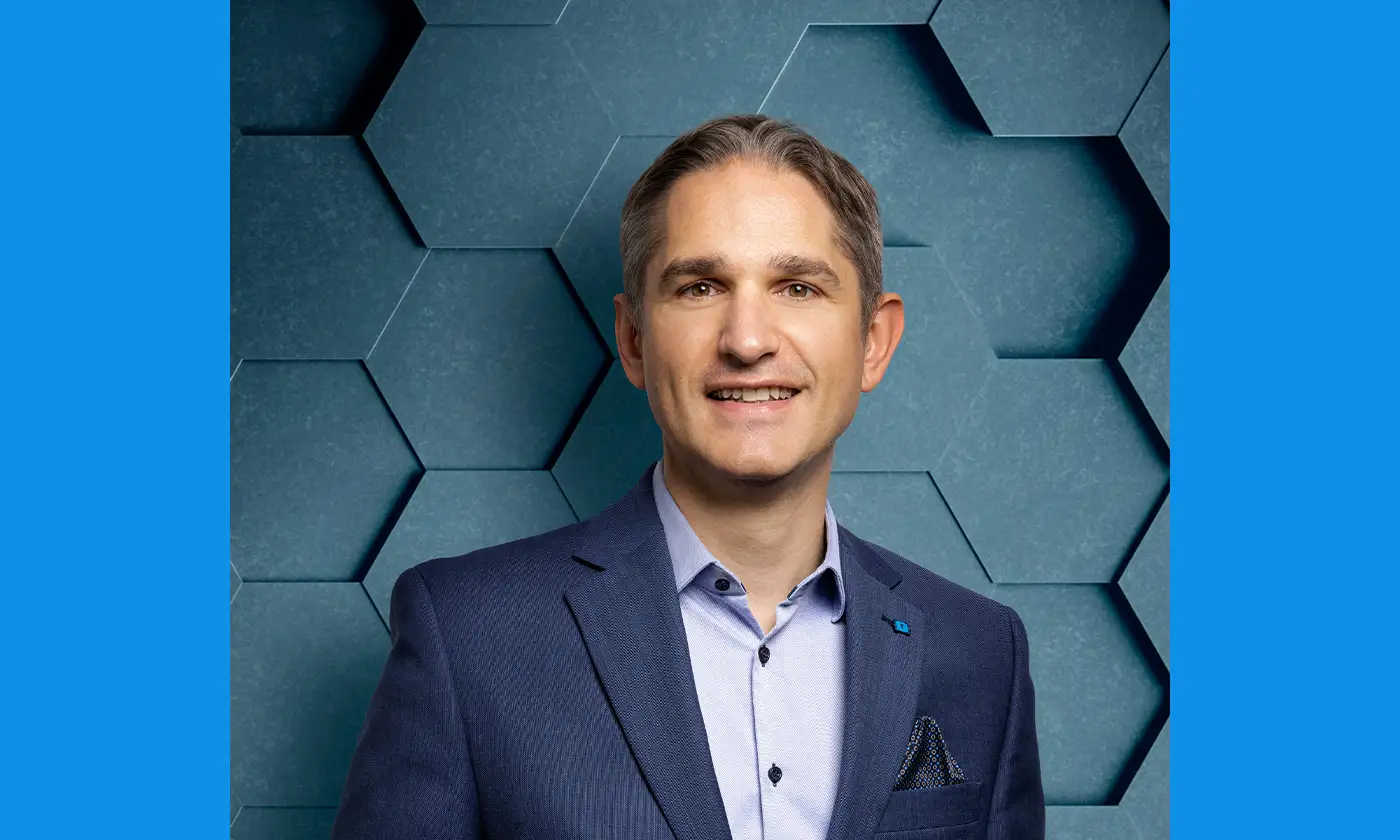
Main Image: Brigitte Haas
TOP STORIES
-
 UK economy grows faster than first thought as household incomes bounce back
 -
British Chambers unite against 'Made in Europe' rules amid fears for UK industry
-
Kuwait deepens capital market reforms as Boursa Kuwait scoops triple honours
-
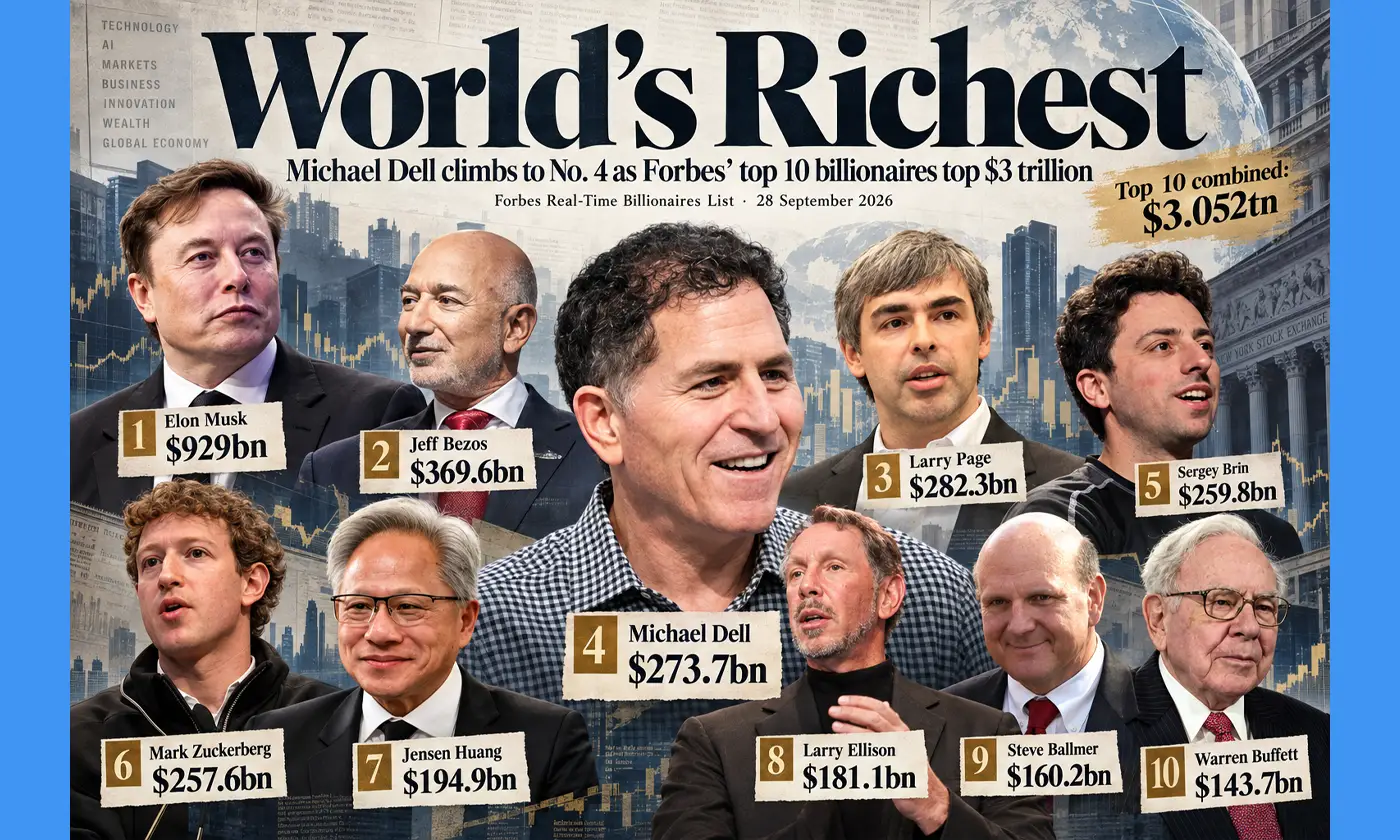
Michael Dell becomes world's fourth-richest person as Forbes reveals the ten wealthiest billionaires
-
MPs tell Government to reject Thames Water creditors as utility nears insolvency
-
The municipal pension fund setting a new standard in South Africa
-
BP appoints Ian Tyler chairman after Albert Manifold ousting
-
They came to Malta as nomads. Then stayed on as founders
-
Fuel management software is becoming a working-capital tool for smaller fleet businesses
-
Tokenisation, trust and the future of European property law
-
LEGO sales soar 22% amid World Cup, F1 and Star Wars push
-
Why entrepreneurs choose the wrong countries
-
Finance and Investment in Focus
-
Aventus Group wins three European Business Awards after loan growth tops 30 per cent
-
European investors can now trade thousands of US stocks through Kraken
-
Ex-Lenovo executive Sabine Hammer to lead Infinigate’s DACH business
-
NVIDIA teams up with Wall Street giants in $500bn push to fund AI boom
-
BAC and the future of regional corporate banking in Central America
-
How AI trading bots are reshaping retail currency trading in Europe
-
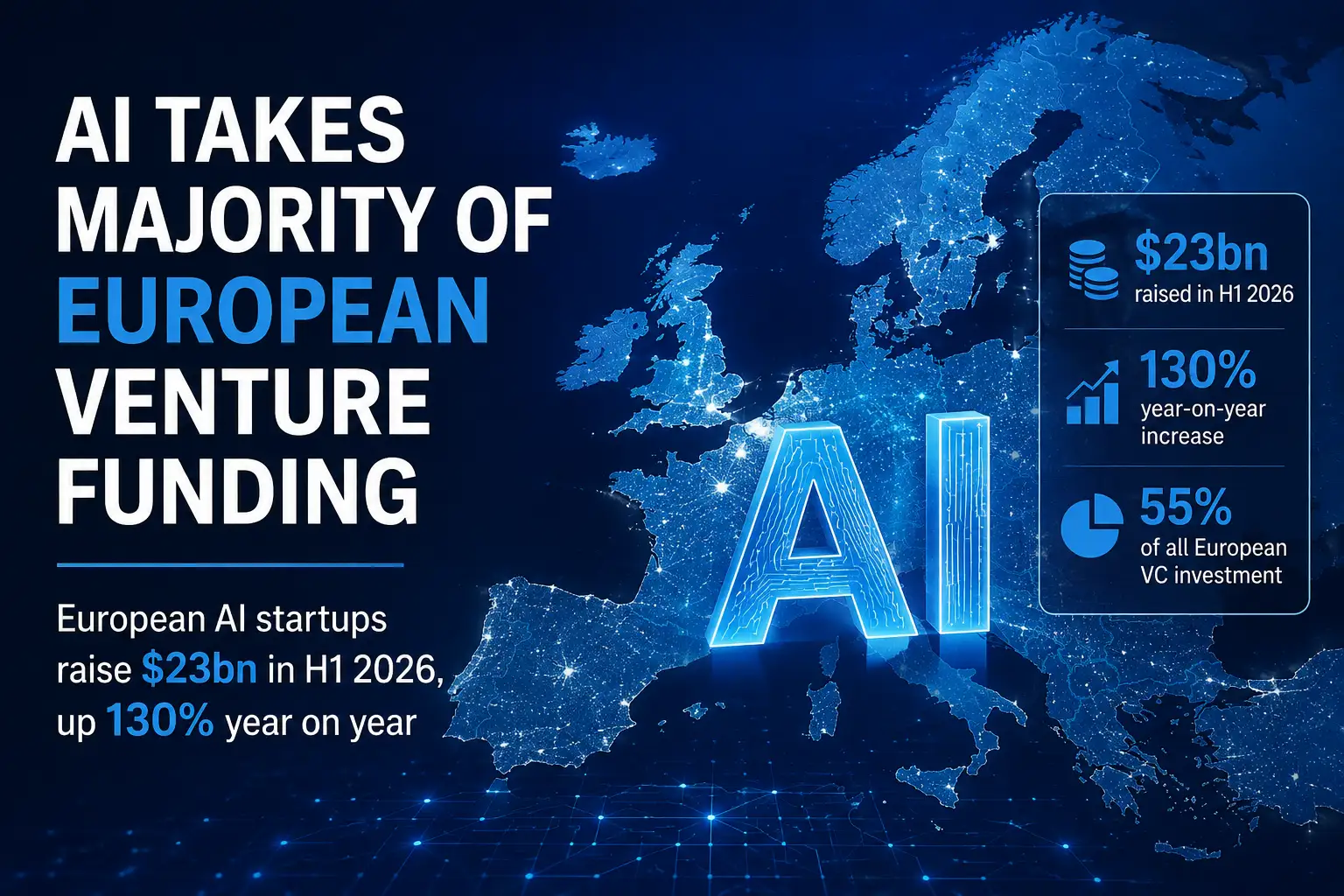
AI takes majority of European venture funding as money floods into few firms
-
RABAM raises $500,000 ahead of Series A round
-
Deutsche Bank profits rise as trading business booms
-
Saab lands German frigate deal after Poland submarine order
-
BlueCrest says UK is ‘no longer serious place for business’ after £200m tax defeat
-
KPMG keeps Klaus Becker in charge of 100-country Europe, Middle East and Africa operation








Bridging tradition and transformation: Brigitte Haas on leading Liechtenstein into a new era
Brigitte Haas
- Published
- Banking & Finance, Liechtenstein
TOP STORIES
-
UK economy grows faster than first thought as household incomes bounce back
-
British Chambers unite against 'Made in Europe' rules amid fears for UK industry
-
Kuwait deepens capital market reforms as Boursa Kuwait scoops triple honours
-
Michael Dell becomes world's fourth-richest person as Forbes reveals the ten wealthiest billionaires
-
MPs tell Government to reject Thames Water creditors as utility nears insolvency
-
The municipal pension fund setting a new standard in South Africa
-
BP appoints Ian Tyler chairman after Albert Manifold ousting
-
They came to Malta as nomads. Then stayed on as founders
-
Fuel management software is becoming a working-capital tool for smaller fleet businesses
-
Tokenisation, trust and the future of European property law
-
LEGO sales soar 22% amid World Cup, F1 and Star Wars push
-
Why entrepreneurs choose the wrong countries
-
Finance and Investment in Focus
-
Aventus Group wins three European Business Awards after loan growth tops 30 per cent
-
European investors can now trade thousands of US stocks through Kraken
-
Ex-Lenovo executive Sabine Hammer to lead Infinigate’s DACH business
-
NVIDIA teams up with Wall Street giants in $500bn push to fund AI boom
-
BAC and the future of regional corporate banking in Central America
-
How AI trading bots are reshaping retail currency trading in Europe
-
AI takes majority of European venture funding as money floods into few firms
-
RABAM raises $500,000 ahead of Series A round
-
Deutsche Bank profits rise as trading business booms
-
Saab lands German frigate deal after Poland submarine order
-
BlueCrest says UK is ‘no longer serious place for business’ after £200m tax defeat
-
KPMG keeps Klaus Becker in charge of 100-country Europe, Middle East and Africa operation



