Trump lawsuit against BBC raises questions over legal pressure on European public broadcasters

John E. Kaye
- Published
- News
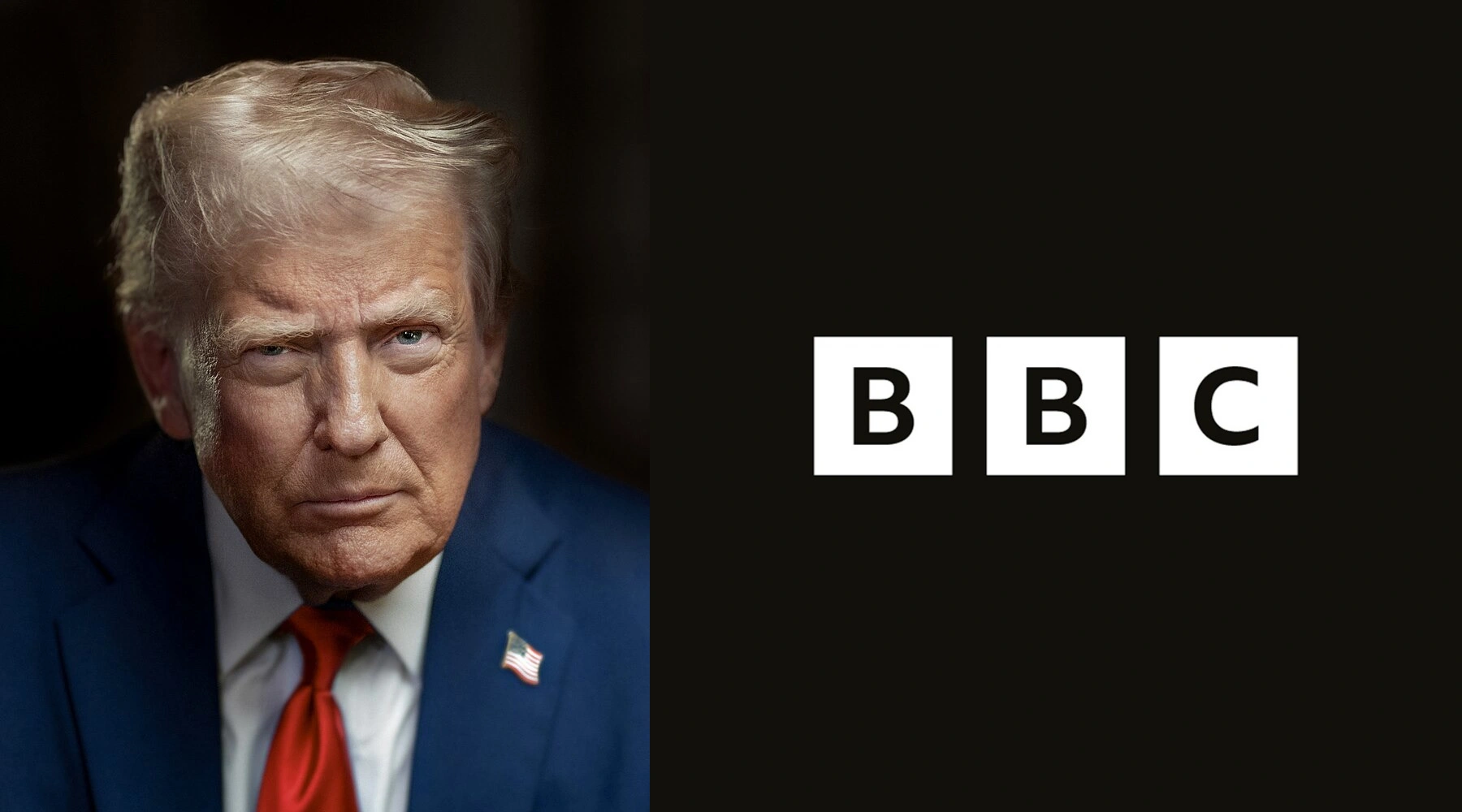
Donald Trump has filed a $5bn defamation lawsuit against the BBC over the editing of a Panorama documentary, a case that centres on the editorial standards and legal exposure of a European public broadcaster
U.S President Donald Trump has filed a $5bn (£3.7bn) defamation lawsuit against the BBC, targeting the UK public broadcaster over the editing of a Panorama documentary that featured his 6 January 2021 speech ahead of the riot at the US Capitol.
Court documents filed in Florida reportedly allege that the BBC defamed Trump and violated trade practices law by editing his speech in a way that misrepresented its meaning.
Trump’s legal team accused the broadcaster of “intentionally, maliciously, and deceptively doctoring his speech”.
The BBC apologised last month for the edit, saying it had given “the mistaken impression” that Trump had made a direct call for violent action. The broadcaster rejected demands for compensation and said there was no “basis for a defamation claim”. It has not yet responded publicly to the lawsuit.
The case places renewed focus on the legal risks faced by European public broadcasters when reporting on powerful international political figures, particularly where content produced under European editorial standards becomes subject to litigation in foreign jurisdictions.
The Panorama programme, which aired in the UK ahead of the 2024 U.S election, combined two separate excerpts from Trump’s speech. In the original address, Trump told supporters: “We’re going to walk down to the Capitol, and we’re going to cheer on our brave senators and congressmen and women.” More than 50 minutes later, he said: “And we fight. We fight like hell.”
The programme edited the remarks into a single clip in which Trump appeared to say: “We’re going to walk down to the Capitol… and I’ll be there with you. And we fight. We fight like hell.”
In November, a leaked internal BBC memo criticised the editing of the speech. The issue led to the resignations of BBC director general Tim Davie and head of news Deborah Turness.
Before the lawsuit was filed, BBC lawyers said there had been no malice in the edit and argued that Trump had not suffered harm, noting that he was re-elected shortly after the documentary aired. They also said the BBC did not distribute Panorama in the United States and that the programme was available only in the UK via BBC iPlayer.
Trump’s lawsuit disputes that position, citing agreements the BBC allegedly had with third-party distributors that may have held rights to show the documentary outside the UK.
It also claims that viewers in Florida could have accessed the programme using virtual private networks or the streaming service BritBox.
READ MORE: ‘Why the $5B Trump–BBC fallout is the reckoning the British media has been dodging‘. After the BBC admitted misrepresenting Donald Trump’s speech — prompting an apology to the White House and two senior resignations — Michael Leidig argues that the fallout shows how far parts of the media have drifted from neutral fact-presentation, and why public trust is now at breaking point.
Do you have news to share or expertise to contribute? The European welcomes insights from business leaders and sector specialists. Get in touch with our editorial team to find out more.
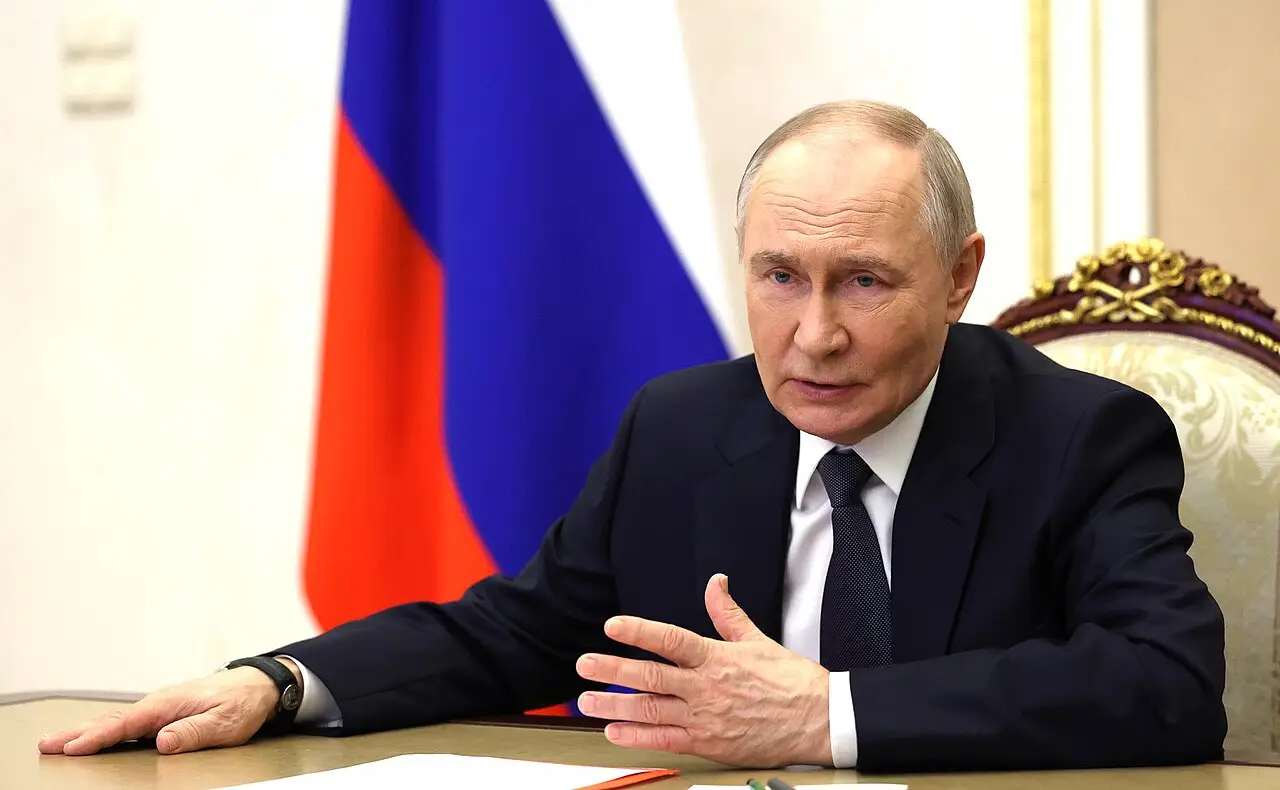
Main image: Trump Credit – Daniel Torok, White HouseFacebook, Public Domain
TOP STORIES
-
 Serbia erupts in celebration as student protesters end Vučić’s 14-year grip on power
 -
Two killed as Storm Boelo batters Britain with 85mph winds and leaves 90,000 homes without power
-
Man arrested on suspicion of arson after fire destroys Hitler’s Eagle’s Nest retreat
-
Britain faces higher winter energy prices as reliance on European electricity imports grows
-
Andy Burnham to make special Gogglebox appearance for Stand Up To Cancer
-
WPSL Golf targets £120 million valuation as billionaire-backed corporate deals and other commercial deals drive explosive global growth
-
Hackers could bring Britain’s essential services to a standstill, security chief warns after global website shutdowns
-
We're talking to almost twice as many people on the phone as a decade ago, study finds
-
TalkTalk sells majority stake in Telecom Acquisitions as founder Nigel Barnett regains control
-
Company closures soar ahead of tax rises as new Budget looms
-
An Italian affair – Stanley Johnson takes London’s society set on the Silk Road
-
Himalayan mountainside moved 40cm before avalanche killed 1,451 in Nepal, scientists reveal
-
Scientists and engineers quitting jobs as AI changes roles ‘beyond recognition’, study finds
-
UK profit warnings hit near two-year high as businesses struggle with rising costs
-
Microsoft pulls out of major UK AI data centre project amid power grid delays
-
Russia takes control of more European corporate assets amid Ukraine tensions
-
EU leaders resist calls to delay carbon rules as energy costs soar
-
‘A big step forward’ – PM Andy Burnham hails plans for Great British Railways HQ in Derby
-
UK economy grows just 0.1 per cent as construction falls and services stall
-
Germany risks losing €155bn a year under tighter AI data rules, new study warns
-
Pope Leo XIV diagnosed with lung cancer after surgery in Rome
-
France faces freezer meltdown as hackers strike supermarket chains
-
Bumble shares soar 50% amid $1bn takeover talks
-
China slump drives Volkswagen to sharpest quarterly fall in more than four years
-
Hollywood mega-powerhouse created as Paramount completes Warner Bros Discovery takeover