LATEST: Facebook sees risks to innovation, freedom of expression ahead of EU rules

John E. Kaye
- Published
- News

On Monday, ahead of the release of a raft of rules by the European Union this week and in the coming months to rein in U.S. and Chinese tech companies, Facebook warned of threats to innovation and freedom of expression
The social media giant laid out its concerns ahead of a meeting of Chief Executive Mark Zuckerberg with EU antitrust chief Margrethe Vestager and EU industry chief Thierry Breton in Brussels on Monday.
Vestager and Breton are due to announce proposals on Wednesday aimed at exploiting the bloc’s trove of industrial data and challenging the dominance of Facebook, Google and Amazon.
They will also propose rules to govern the use of artificial intelligence especially in high risk sectors such as healthcare and transport. Other rules will be announced in the coming months.
Referring to the possibility that the EU may hold internet companies responsible for hate speech and other illegal speech published on their platforms, Facebook said this ignores the nature of the internet.
“Such liability would stifle innovation as well as individuals’ freedom of expression,” it said in its discussion document.
“Retrofitting the rules that regulate offline speech for the online world may be insufficient. Instead, new frameworks are needed.”
It suggested instead that authorities could require companies to set up a system for reporting content, publish enforcement data periodically and also define what is illegal content.
Such requirements should not be too onerous, Facebook said.
“A regulation requiring companies to ‘remove all hate speech within 24 hours of upload’ would create still more perverse incentives,” it said, suggesting that regulators balance safety with freedom of expression and privacy interests.
It urged regulators to understand the capabilities and limitations of technology in assessing content and allow internet companies the flexibility to innovate.
Zuckerberg’s visit came on the heels of visits by Alphabet Chief Executive Sundar Pichai and Microsoft President Brad Smith to Brussels last month.
Reported by Foo Yun Chee
Sourced Reuters
For more daily news follow The European Magazine.
TOP STORIES
-
 UK prisoner release plan faces a major lag as tougher rules risk sending inmates back to jail
 -
Brits trust AI with their health but not their money
-
Britain still hungry for Italian food as exports hit €4.56bn despite Brexit
-
Women who earn more than their partners still pay the price at work, landmark study finds
-
Vape expectations go up in smoke as new UK tax sparks fury
-
Robot sales rocket 24% as 250,000 machines snap up jobs in warehouses, hotels and hospitals
-
New-build homeowners should not be left with ‘mud and a fence’, campaigners warn
-
Bank of England governor warns AI poses growing ‘increasingly significant’ threat to financial stability
-
UK economy grows faster than first thought as household incomes bounce back
-
UK unveils ‘Great British Grid’ in bid to cut energy bills
-
British Chambers unite against 'Made in Europe' rules amid fears for UK industry
-
Bouncy castle firms urged to sign new safety pledge following child deaths
-
Remembering Matthew Jukes, The European’s Wine & Fine Drinks Correspondent
-
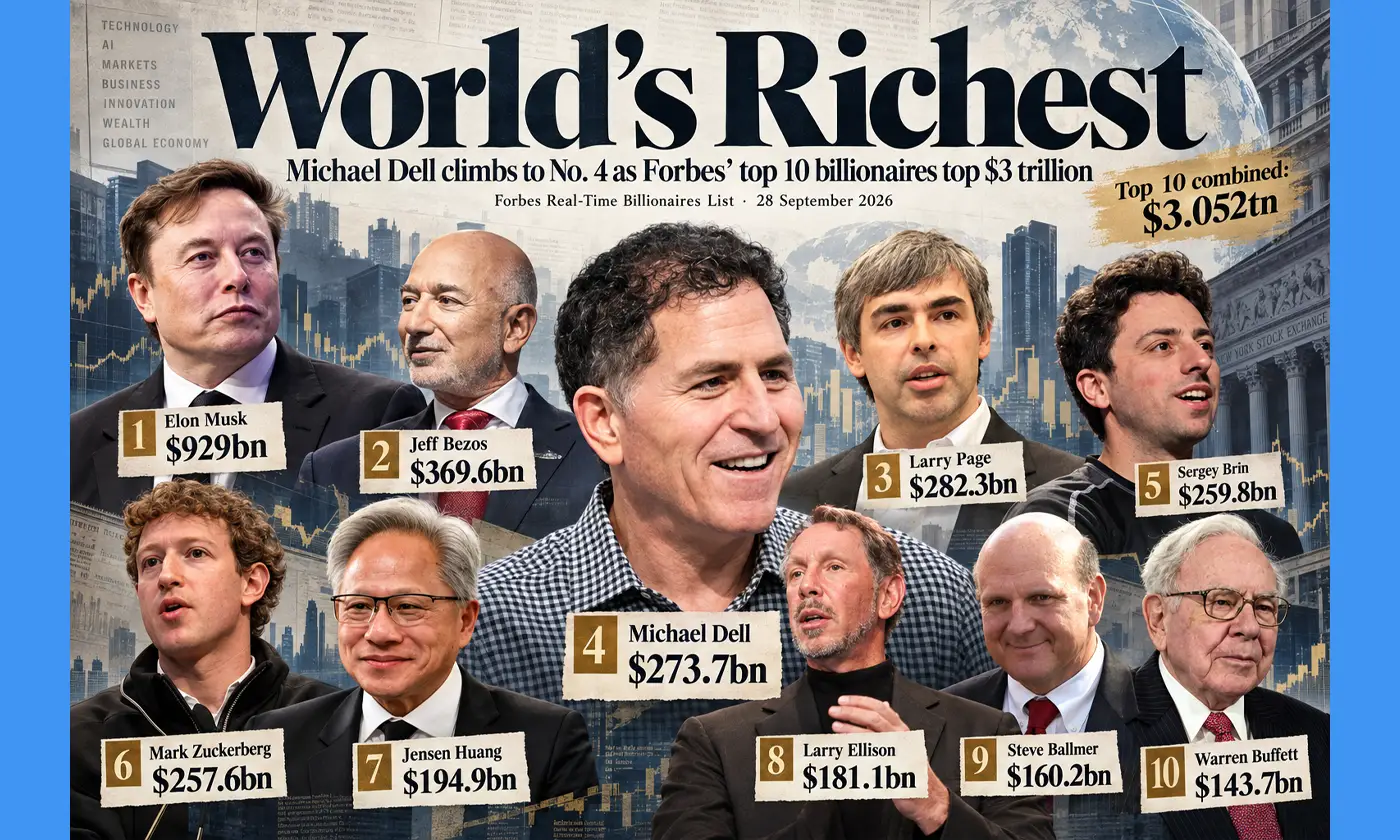
Michael Dell becomes world's fourth-richest person as Forbes reveals the ten wealthiest billionaires
-
Scientists develop new chemicals to tackle devastating oil spills at sea
-
Closing women's health gap could boost global economy by $1tn a year, leaders say
-
World's first luxury theme park to open in Mexico with £1.1bn of rides, fine entertainment and deliberately limited crowds
-
Dutch court orders Lidl to stop selling Birkenstock sandal lookalikes
-
Giant wind turbine with 252-metre rotor could mean fewer machines and cheaper offshore power
-
Poorly designed workplaces ‘cost UK economy £71bn a year’
-
Rescuers scramble to protect pod of 25 whales in Thames Estuary
-
‘Talent hushing’ blamed as four-in-10 workers say they contribute less than they could
-
Spain leads Europe for expats as Panama tops global poll
-
Menopause may make women leaders more empathetic – even as it leaves them drained
-
Your biggest rival could be your best technology partner, research finds