The country’s long-serving political leader has conceded defeat in a historic parliamentary election after nearly two years of demonstrations sparked by the deaths of 16 people in a railway station disaster
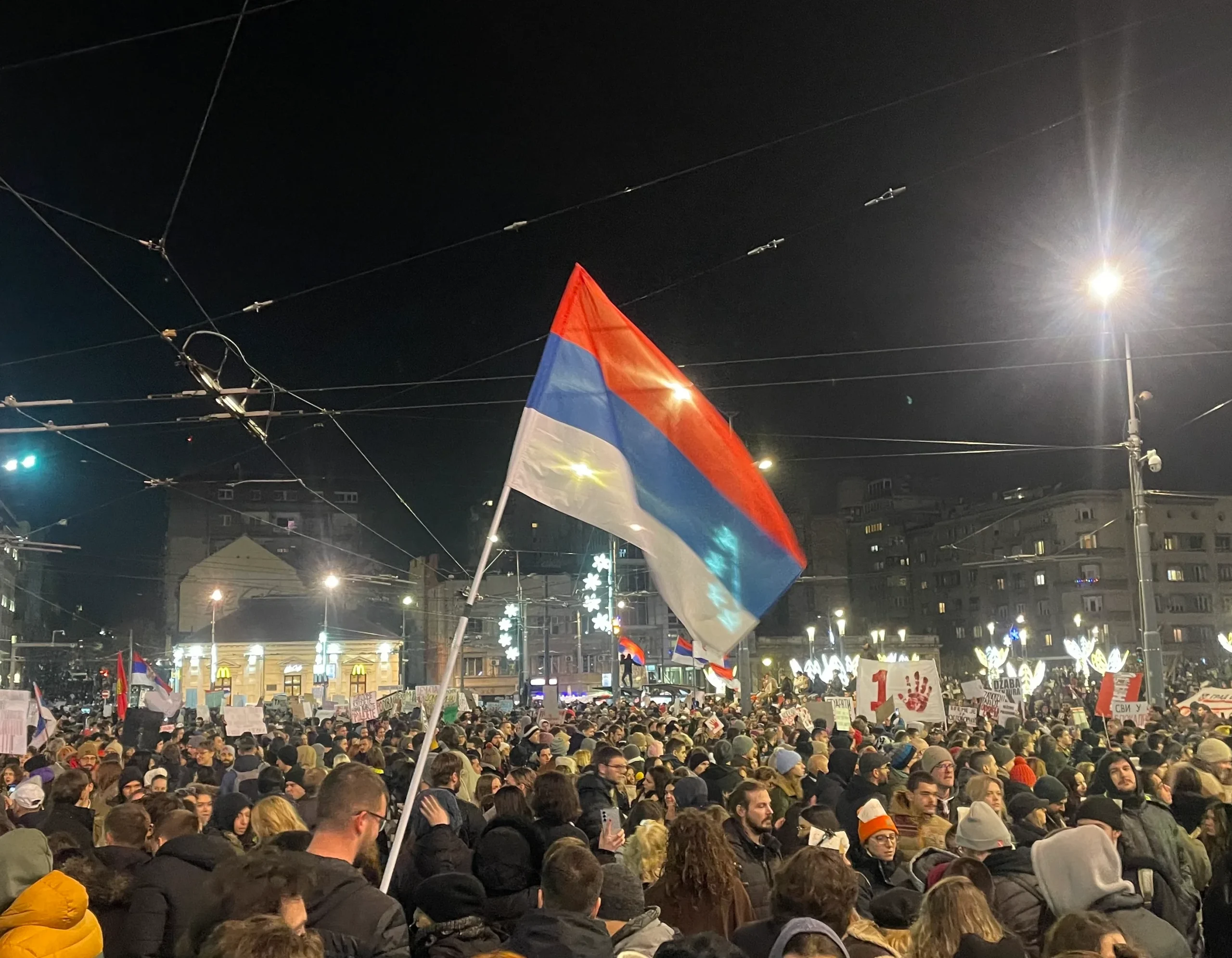
Thousands of people have taken to the streets of Serbia to celebrate the defeat of Aleksandar Vučić and his ruling political movement after a student-led campaign against corruption secured a historic parliamentary election victory.
Vučić conceded defeat late on Sunday after preliminary results showed the Student List, a movement born out of almost two years of anti-government demonstrations, had won enough support to take control of the country’s 250-seat parliament.
Celebrations erupted across Belgrade and Novi Sad, with crowds waving flags, dancing and setting off fireworks as news of the result spread.
The election marks a dramatic setback for the Serbian Progressive Party (SNS), which has dominated the country’s politics since 2012.
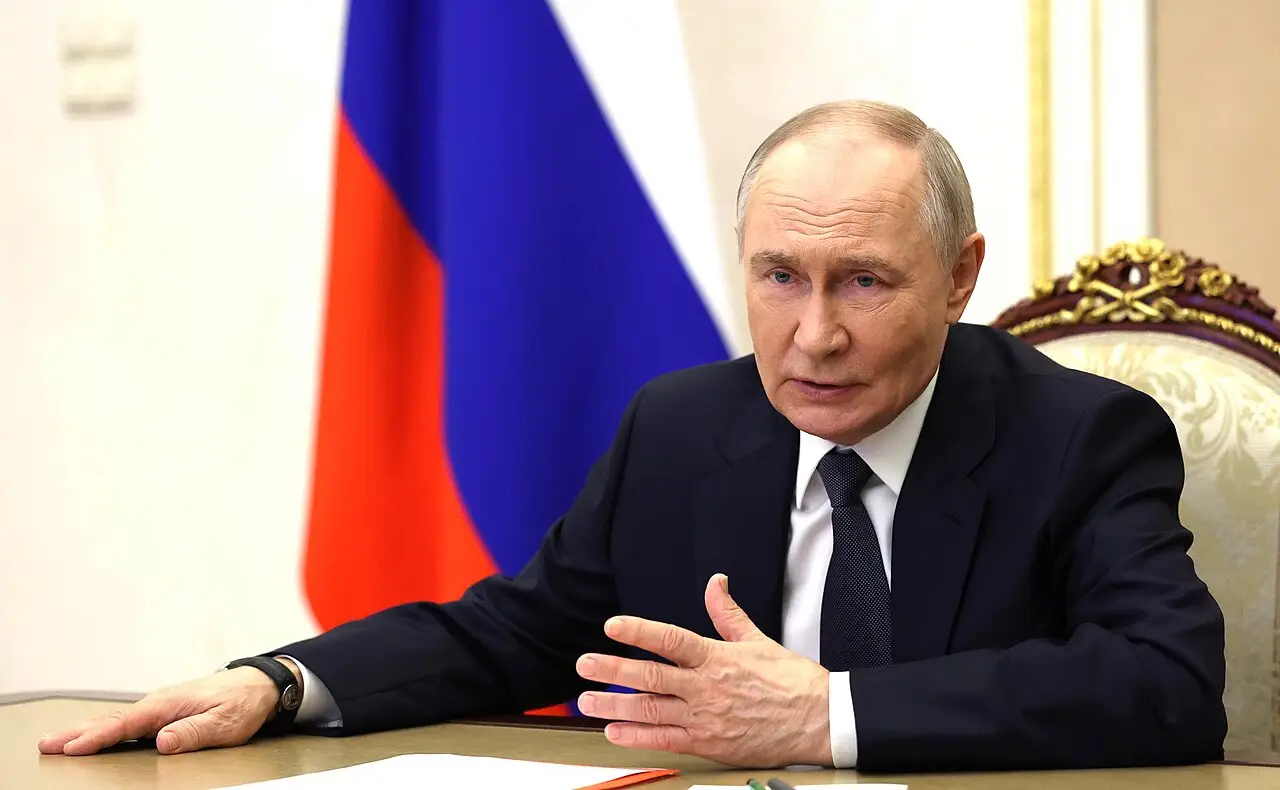
Speaking at his party’s election headquarters in Belgrade, Vučić acknowledged that the result was beyond doubt despite the official count remaining incomplete.
He estimated that the Student List would secure between 135 and 140 parliamentary seats, compared with approximately 105 for his own coalition.
Preliminary figures published today, with 7,998 polling stations processed, put the Student List on 52.33 per cent of the vote, against 39.44 per cent for the Vučić-led United Serbia coalition.
Turnout was estimated at 68.76 per cent, making it one of the country’s highest levels of participation in a parliamentary election for decades.
“We do not have the final results. Many will be surprised, and you will understand how much some people have lied and what they have invented. I want to inform you that the student protest list has won,” Vučić said in a statement.
The student movement’s extraordinary rise began after the collapse of a concrete canopy at Novi Sad railway station on 1 November 2024, which killed 16 people.
The disaster sparked widespread accusations of corruption, poor oversight and negligence in publicly funded construction work, allegations that the government has repeatedly denied.
Students organised university blockades and mass demonstrations, demanding accountability for the deaths and greater transparency over government contracts.
The protests subsequently developed into a nationwide political movement that attracted support from voters dissatisfied with the country’s leadership and public institutions.
Rather than forming a conventional political party, the movement fielded candidates from different professions, including academics, doctors, actors and other members of Serbian society.
Its election campaign focused on tackling corruption, reforming public institutions, ending political influence over state enterprises and strengthening the independence of the media.
Vučić, who first became prime minister in 2014 and later served as president, called the snap parliamentary election in September after mounting pressure from the demonstrations.
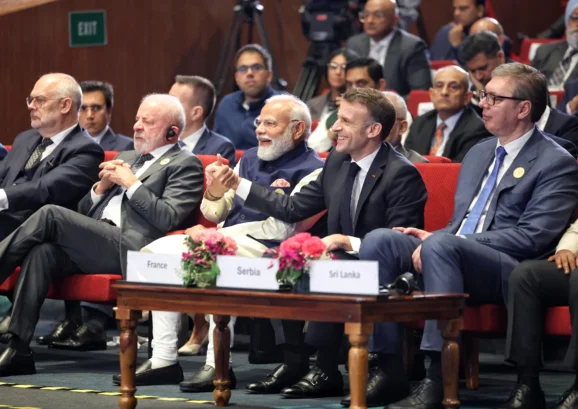
Having completed two presidential terms, he was seeking a return to the prime minister’s office by leading the SNS-backed electoral coalition.
In a further statement published by his party, Vučić indicated that the SNS would accept its new position in opposition.
“We will have 105–106 members of parliament, and we will fight and show them what opposition is,” he said.
His defeat raises the prospect of a major change in Serbia’s domestic and foreign policy after more than a decade of government dominated by his political allies.
Serbia has sought membership of the European Union under Vučić, maintaining close relations with Russia and declining to join Western sanctions imposed following Moscow’s invasion of Ukraine.

The incoming parliamentary majority will face decisions about corruption investigations, judicial reform, the economy and Serbia’s relationships with the EU, Russia and neighbouring Kosovo.
The Student List must also agree on the formation of a government, appoint ministers and turn its campaign promises into legislation.
Final election results and the allocation of parliamentary seats remain subject to confirmation by Serbia’s Republic Electoral Commission.
READ MORE: Orbán concedes defeat as Péter Magyar heads for sweeping Hungary election victory. Preliminary results put Magyar’s Tisza party on course for a commanding parliamentary majority after record turnout, bringing Viktor Orbán’s 16 years in power to an end.
Do you have news to share or expertise to contribute? The European welcomes insights from business leaders and sector specialists. Get in touch with our editorial team to find out more.
Main image: Thousands of demonstrators gather in Belgrade’s Slavija Square during Serbia’s student-led anti-government protests in December 2024. The movement, sparked by a deadly railway station collapse in Novi Sad, went on to demand snap parliamentary elections and has now secured victory over Aleksandar Vučić’s ruling party. Credit: Stefan Miljuš / Voice of America / Wikimedia Commons (Public Domain)