With only 36 per cent of assessable UN Sustainable Development Goal targets on track or making moderate progress, two new volumes of The Sustainable Organization bring together academics, UN figures, business leaders and other specialists examining how institutions can put the global agenda into practice
Two new books aimed at helping organisations around the world put the UN’s sustainability goals (SDGs) into practice have been published as the race to meet the 2030 deadline gathers pace.
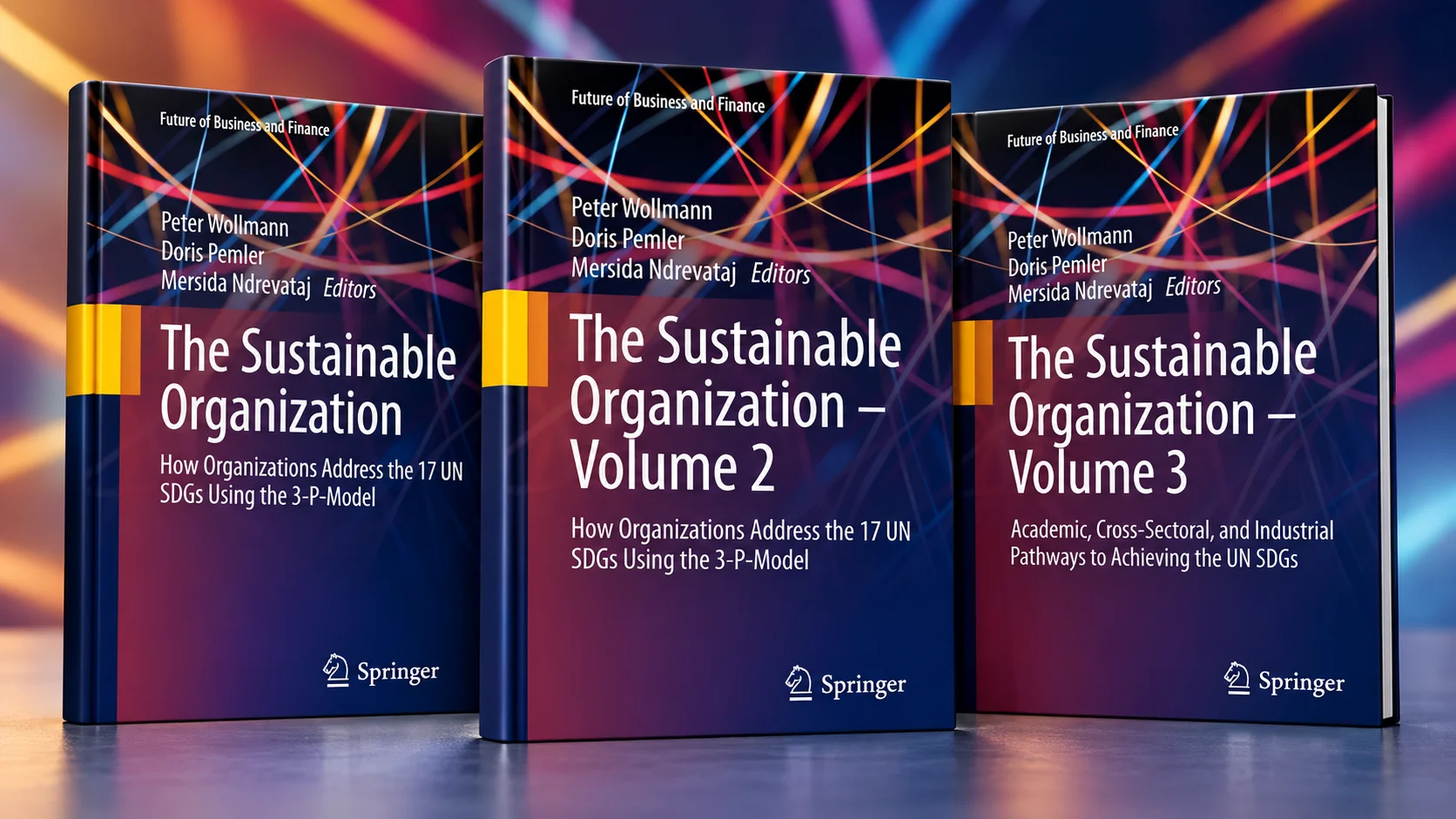
Volumes 2 and 3 of The Sustainable Organization, available now, extend a project developed by an international community of academics, UN figures, consultants, investors, system theorists and other practitioners.
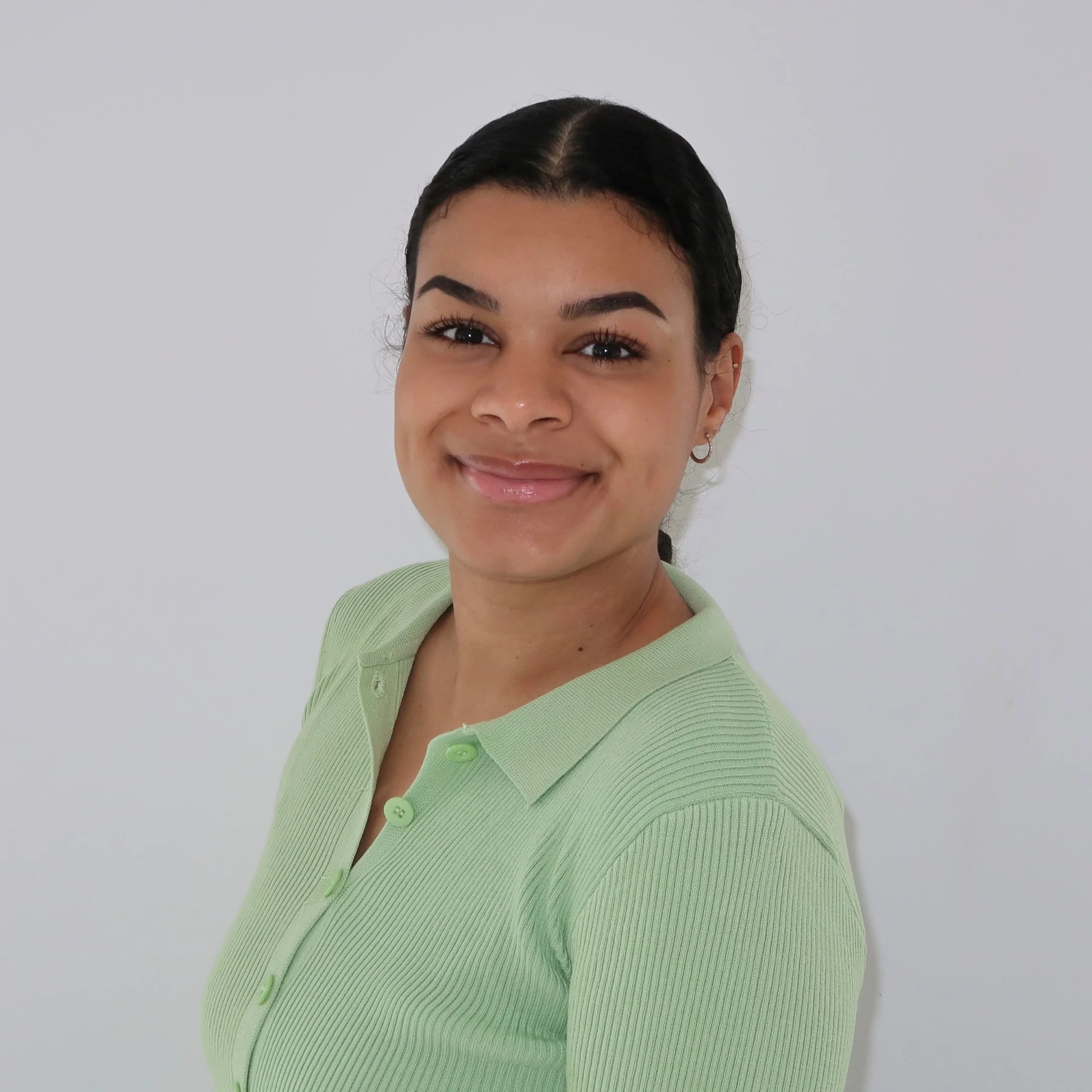
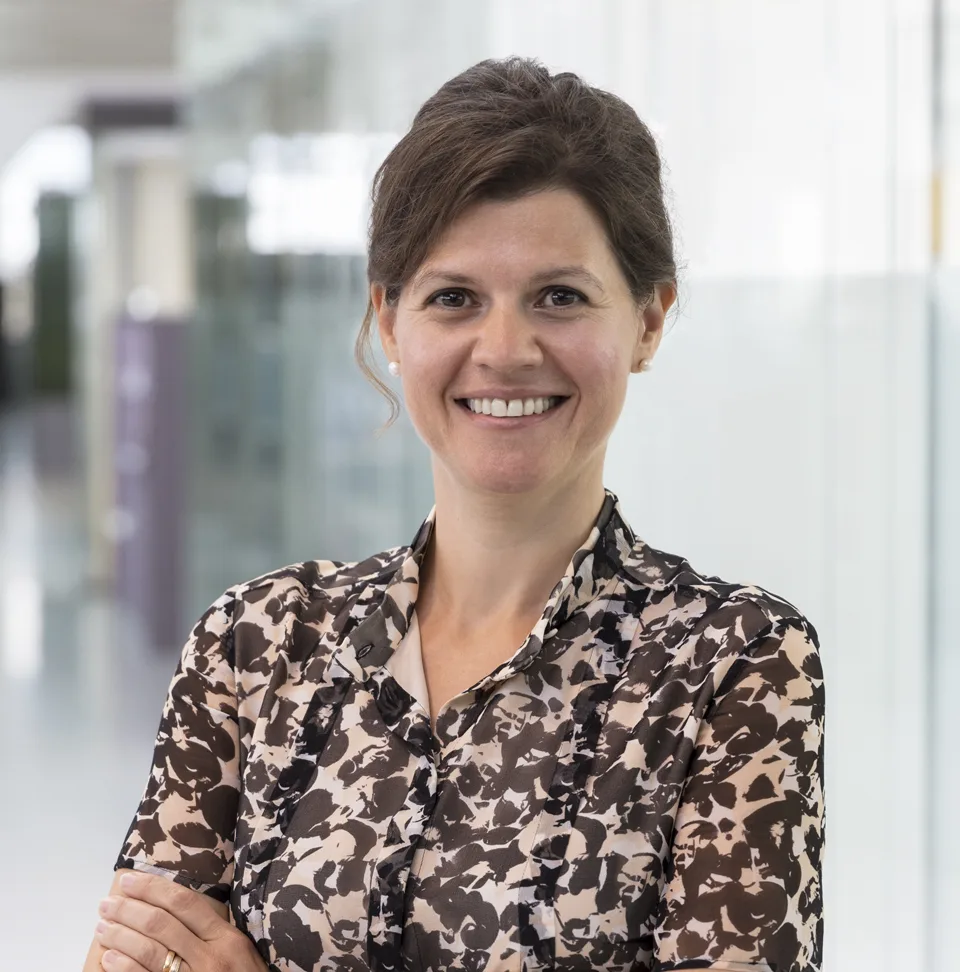
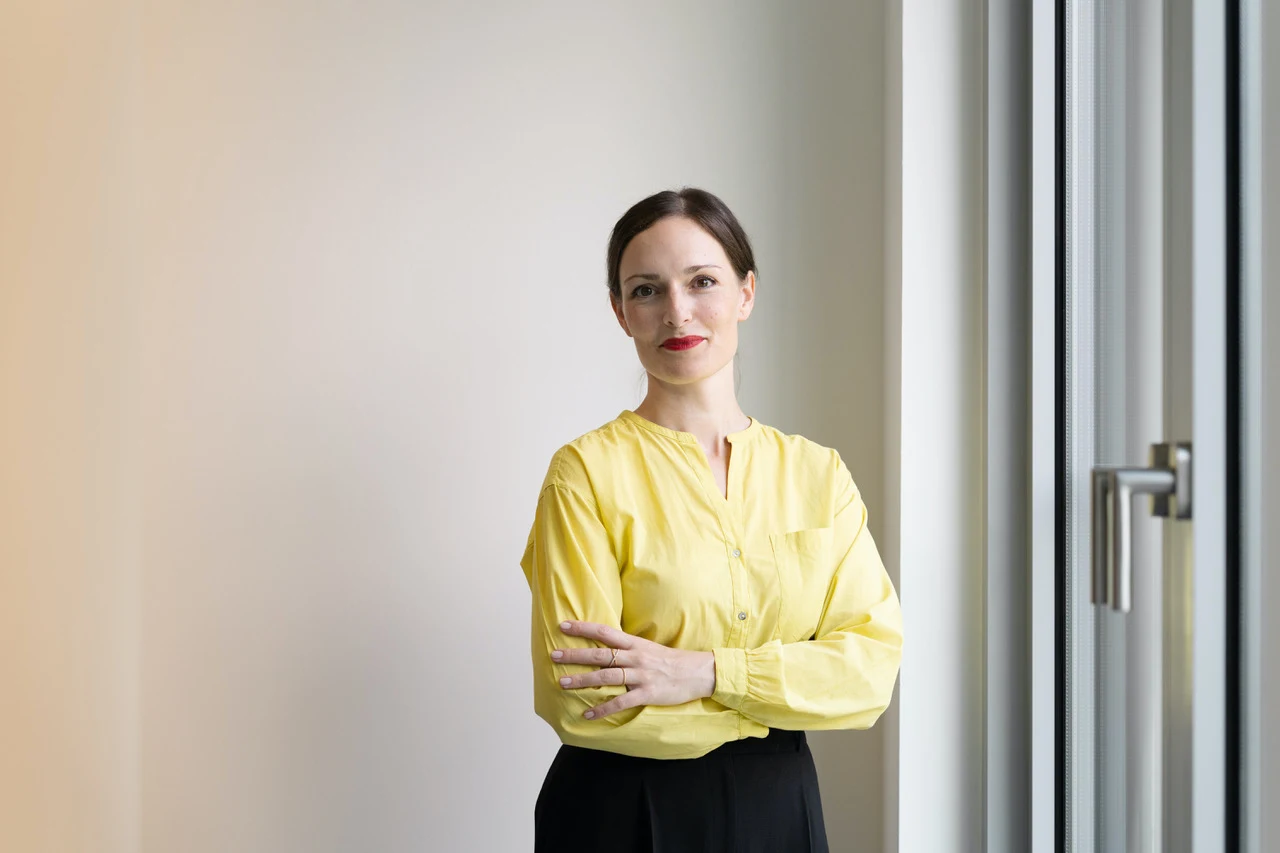
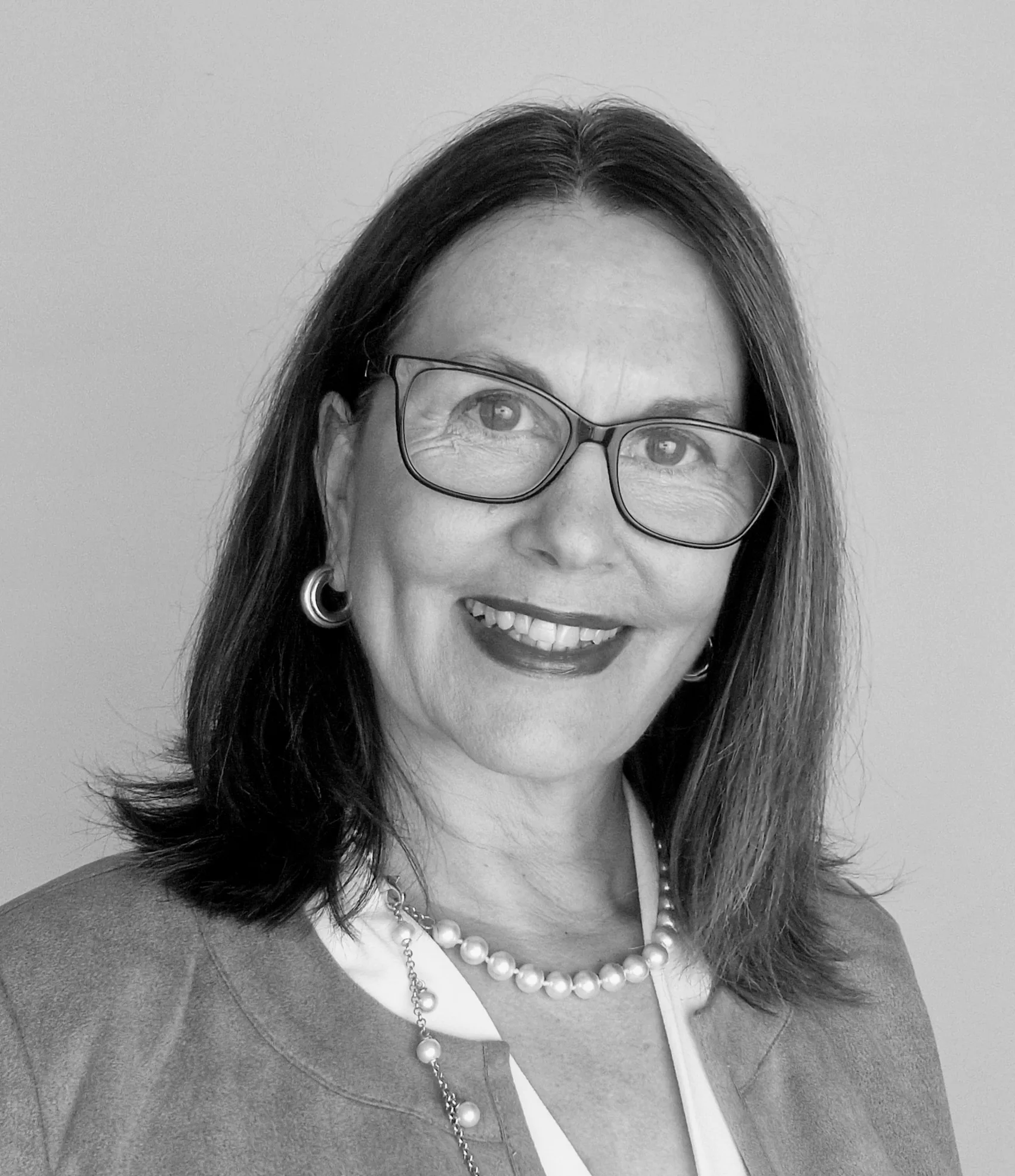
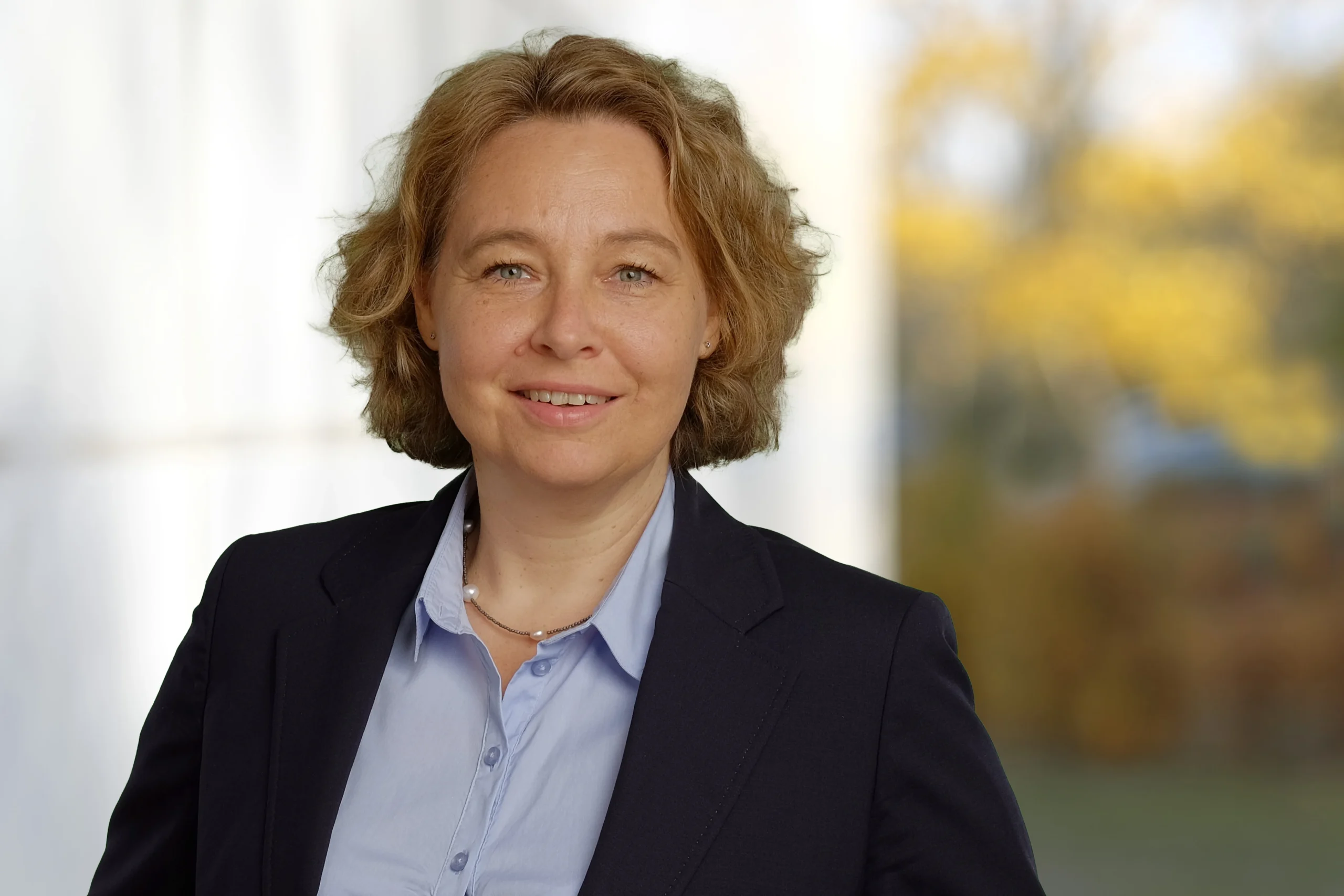
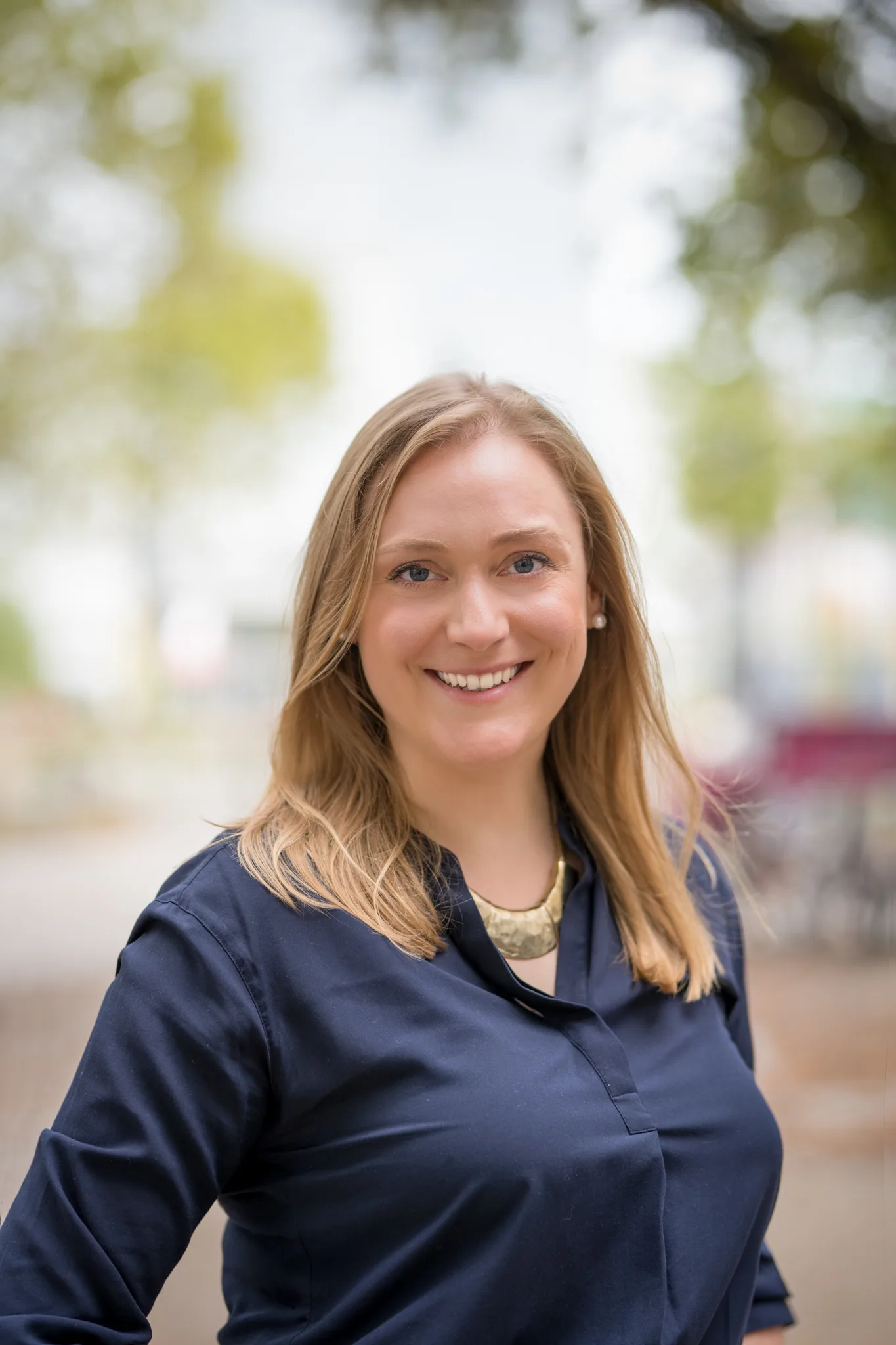
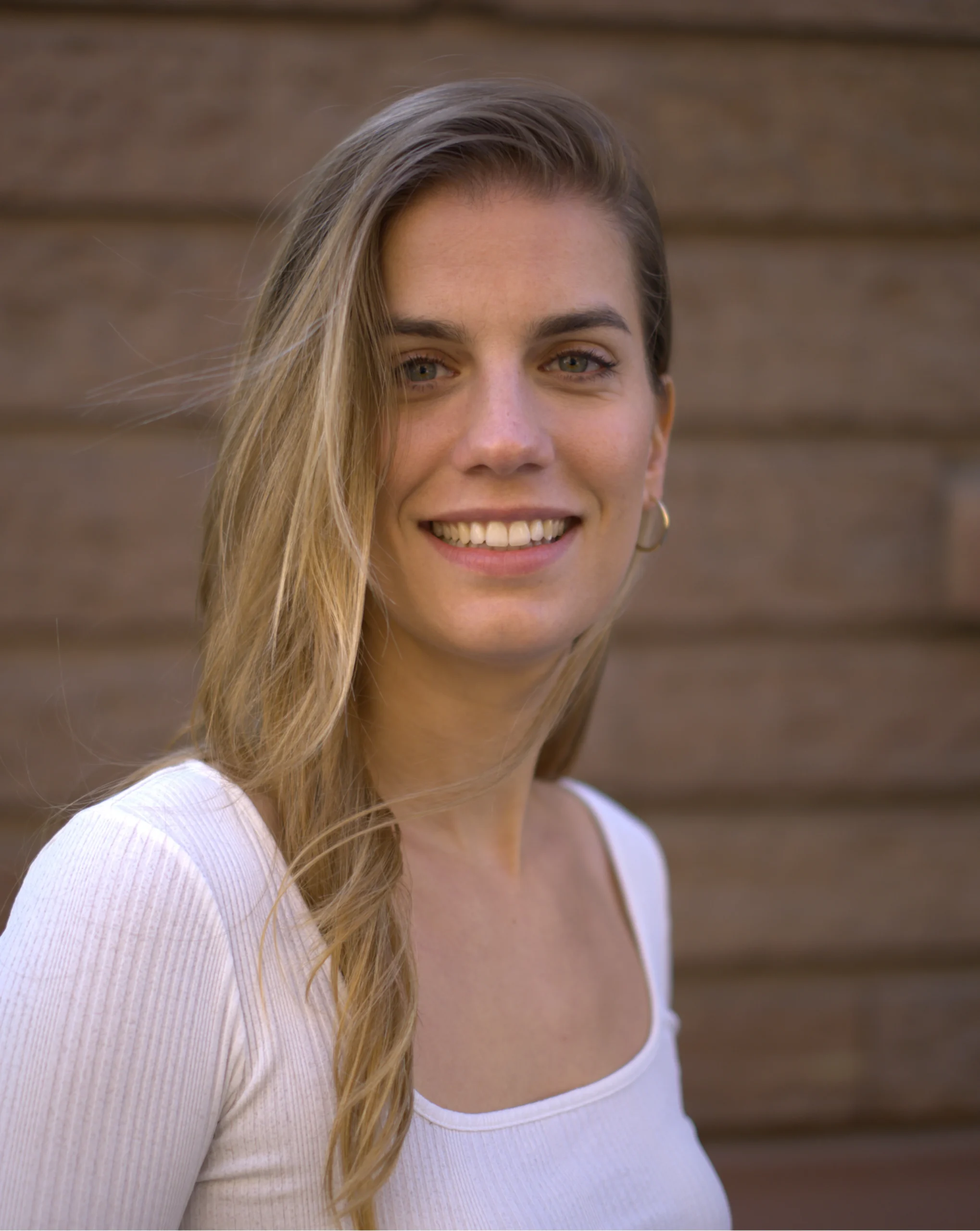
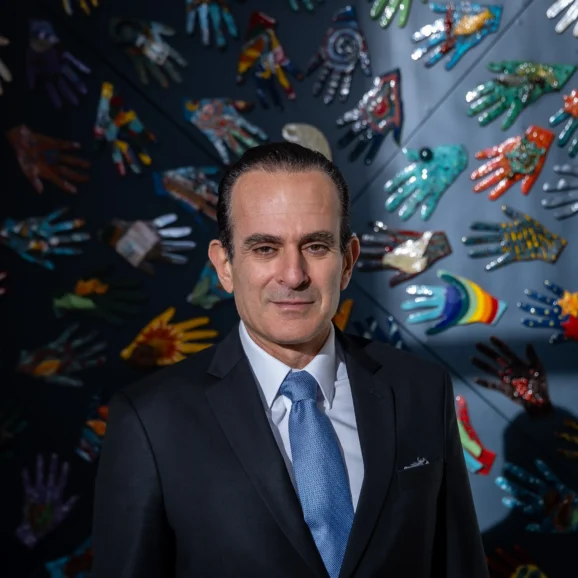
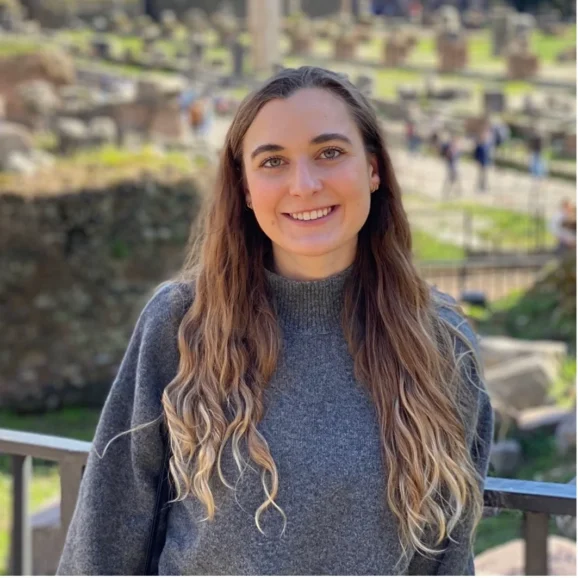
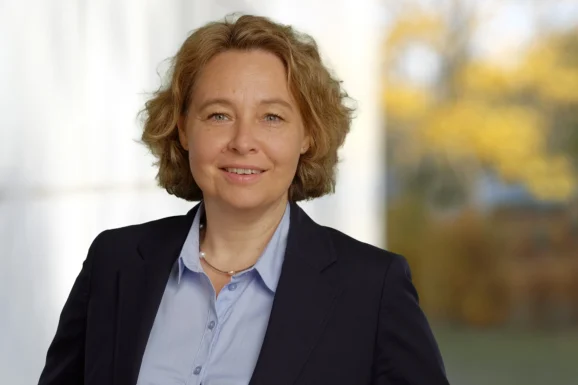
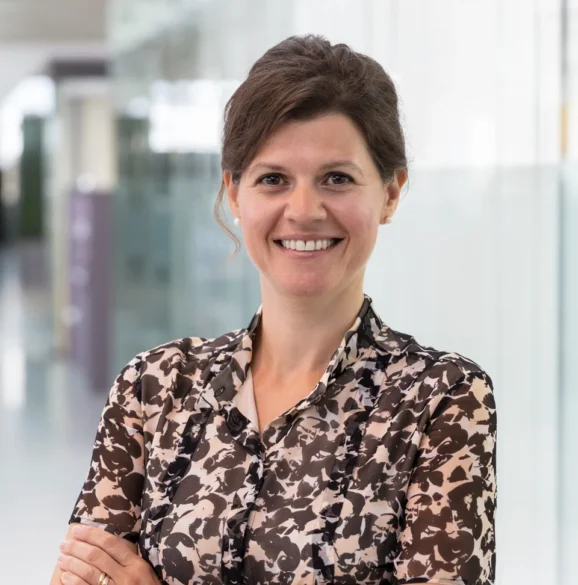
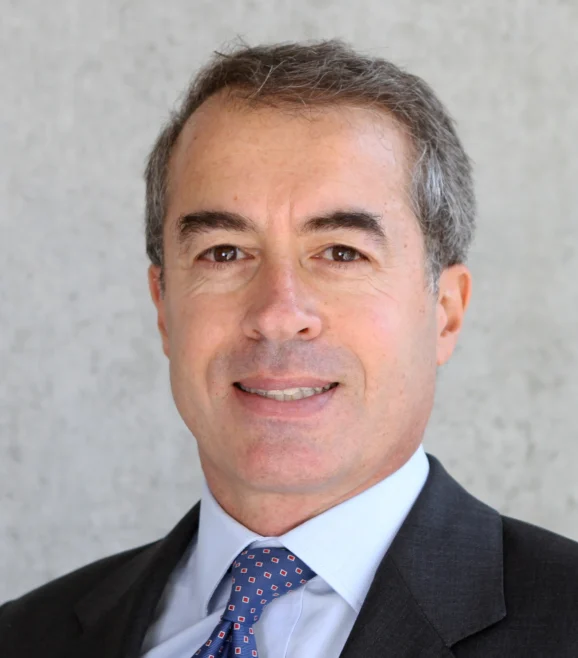
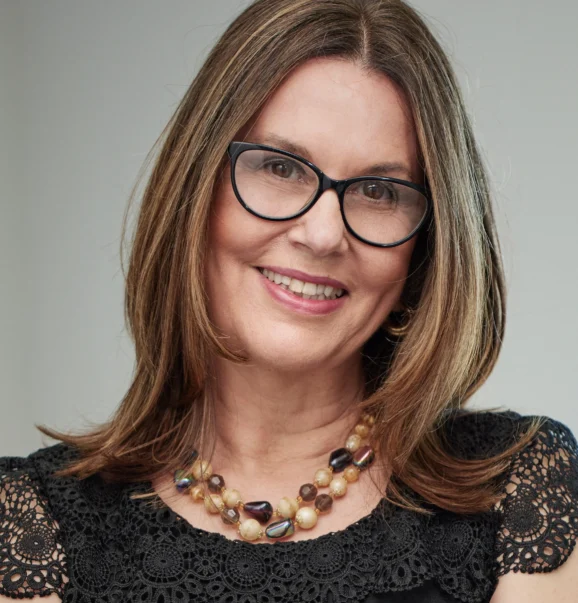
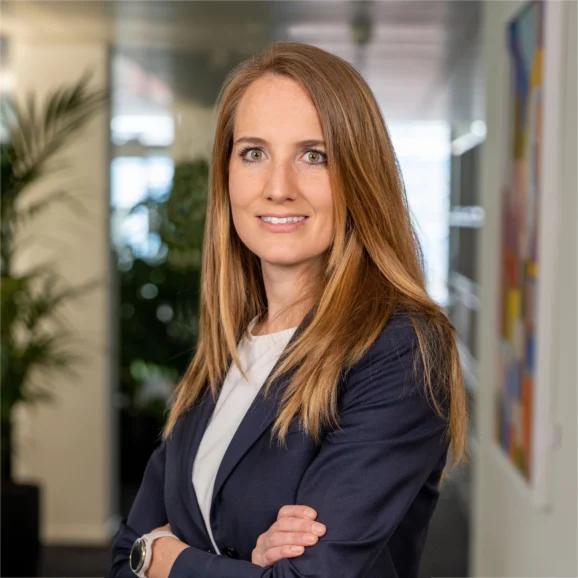
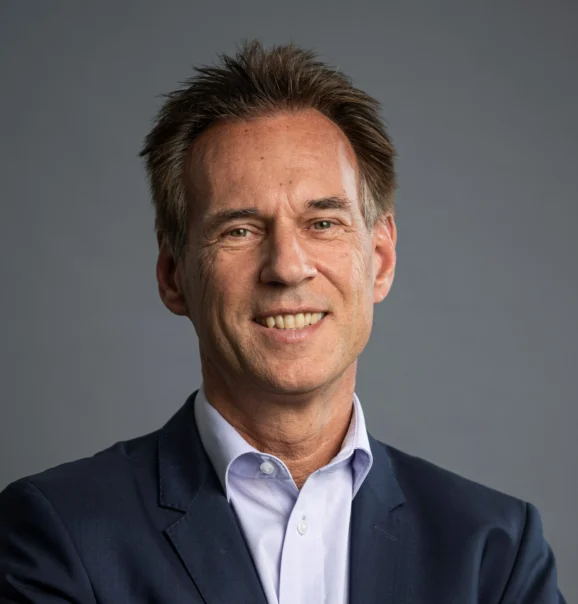
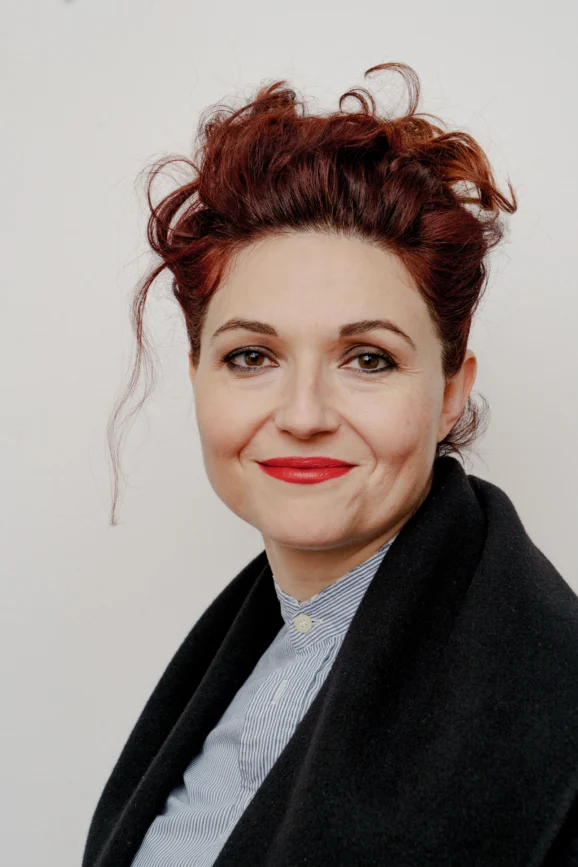
Edited by Peter Wollmann, Doris Pemler and Mersida Ndrevataj, they provide practical guidance and real-world examples of how organisations can turn the goals into action over the next four years.
Their release follows the UN’s latest worrying progress report, which found that only 36 per cent of the 139 targets with sufficient trend data are on track or making moderate progress.
Another 49 per cent are progressing too slowly and 15 per cent have fallen below their 2015 baselines.
According to António Guterres, the UN Secretary-General, “decisive action to correct this trajectory” is required.
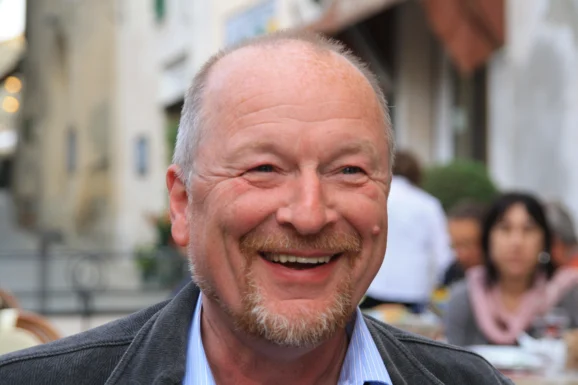
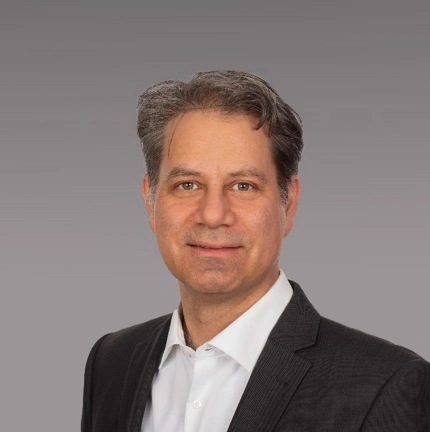
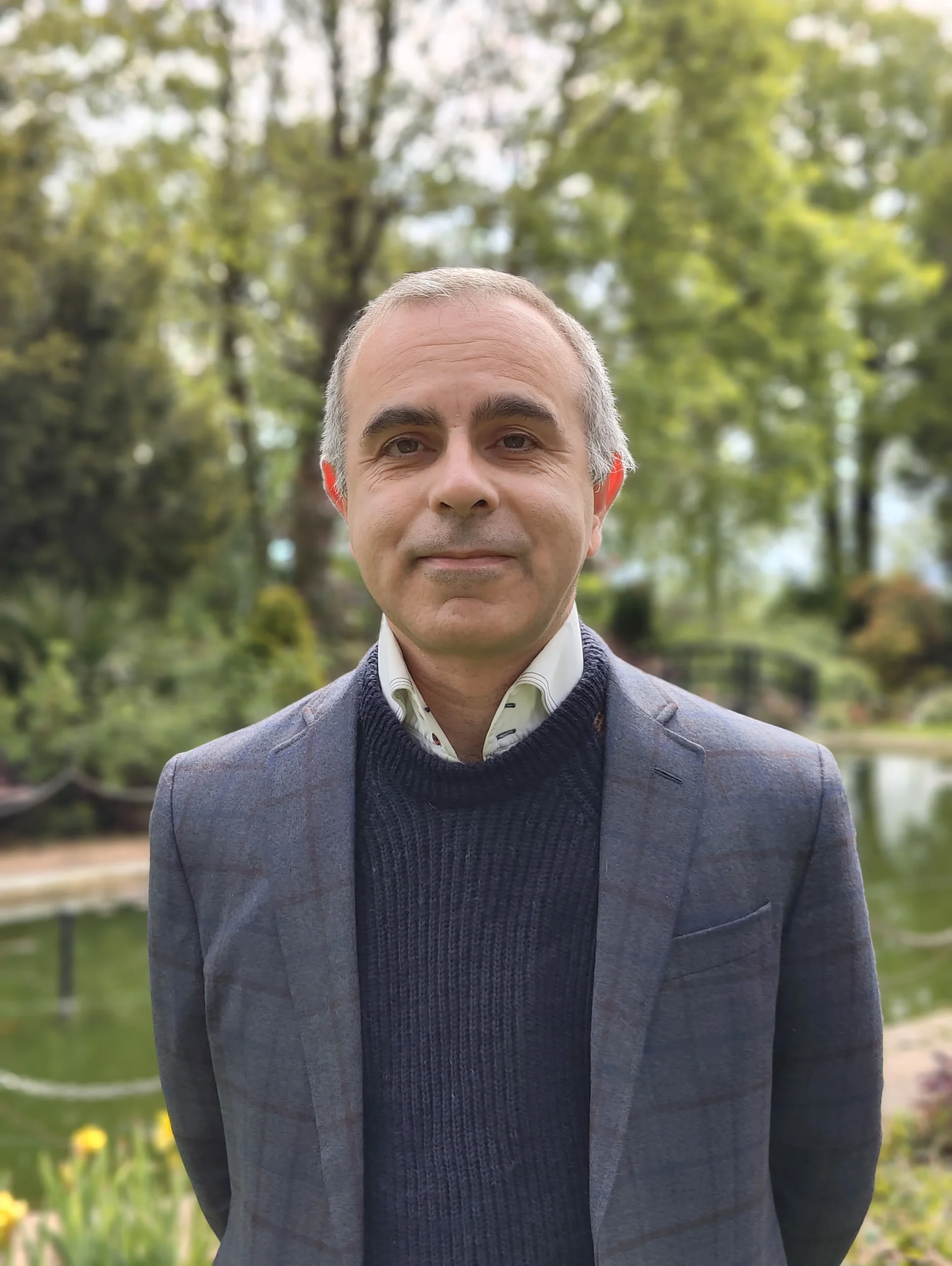
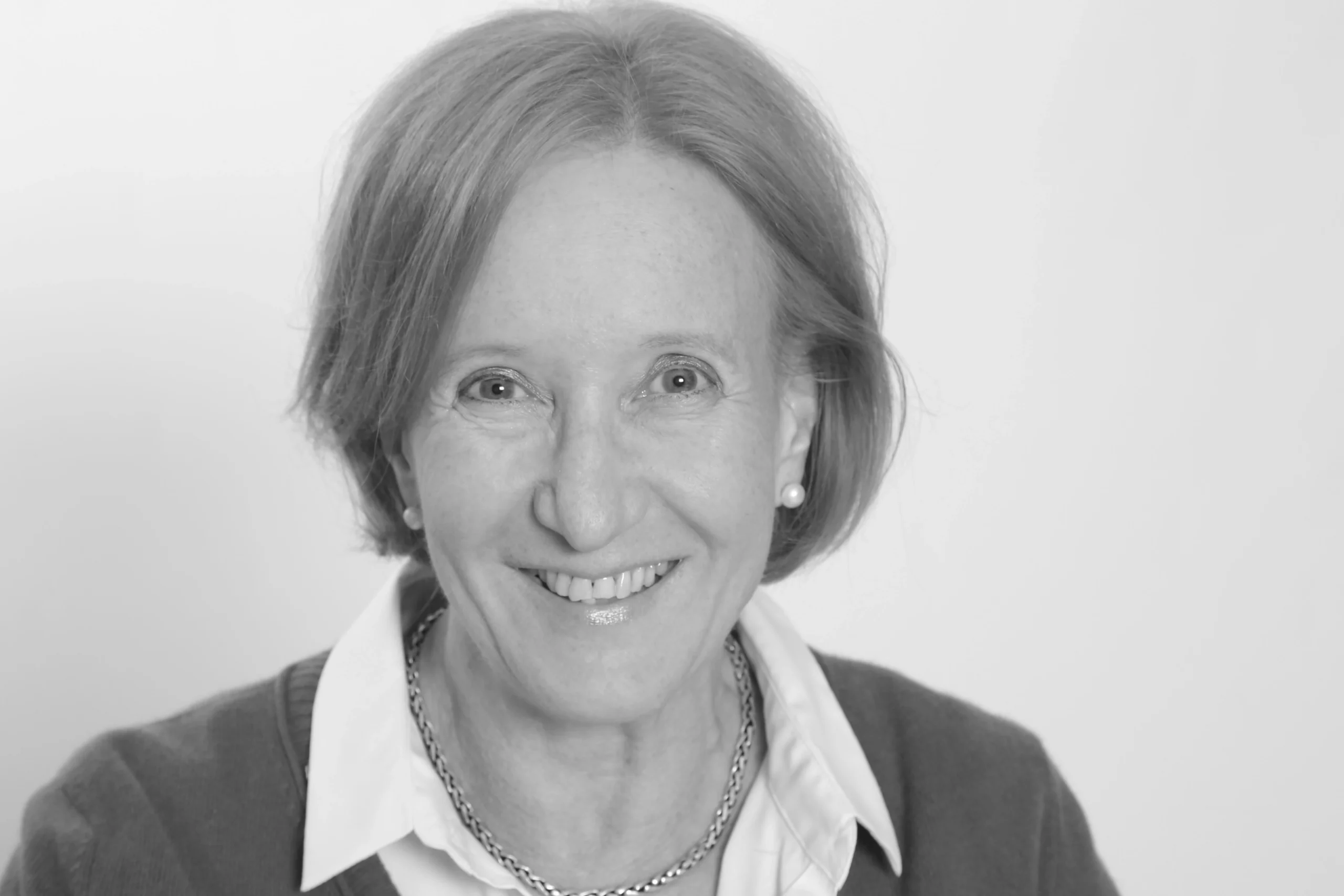
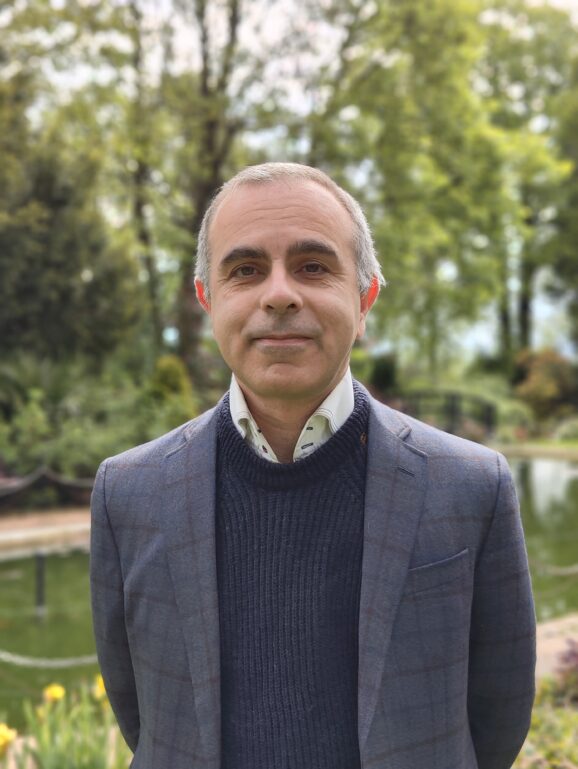
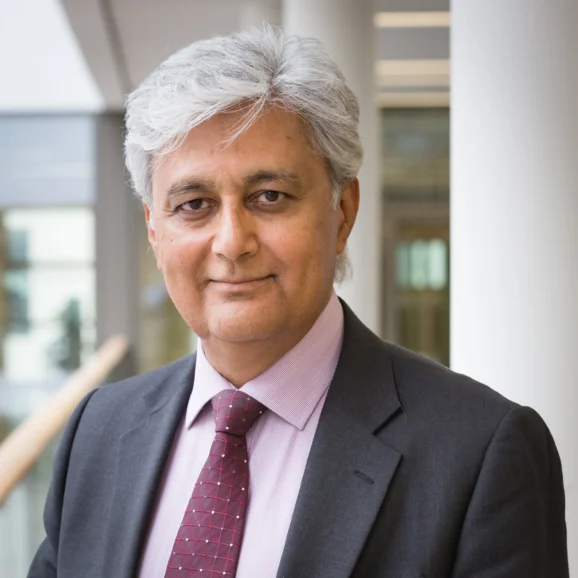
Wollmann, pictured, an independent consultant who has spent almost 40 years working on large-scale organisational transformation, said the figures showed a widening gap between international ambition and what organisations were managing to deliver on the ground.
Speaking yesterday, he said: “The 2030 deadline is getting closer and the figures show very clearly that many organisations are struggling to make enough progress.
“The challenge now is not agreeing that sustainability is important. It is working out what can actually be done, what is already working elsewhere and how those lessons can be applied quickly enough to make a difference.”
The European first covered The Sustainable Organization series when Volume 1 was published in early 2025.
The first book grew out of work by a global community spanning more than 20 countries, including former UN executives, academics, NGO directors, startup investors, linguists, philosophers and practitioners.









Its central idea was the ‘Three-Pillar Model’, built around Sustainable Purpose, Travelling Organisation and Connectivity.
Rather than a step-by-step management system, it offered a way for organisations to set direction, adapt to change and work across boundaries while applying the SDGs.
Chapters ranged from venture capital and education to climate governance and history, alongside research into the neurological and cognitive biases that can make people resistant to complex change.
Published as ESG strategies faced growing scrutiny and progress towards the SDGs slowed, the book argued that organisations needed to keep adapting even when the way forward was uncertain.
By the time of its publication, the framework had been tested in more than 80 public and private-sector use cases worldwide.
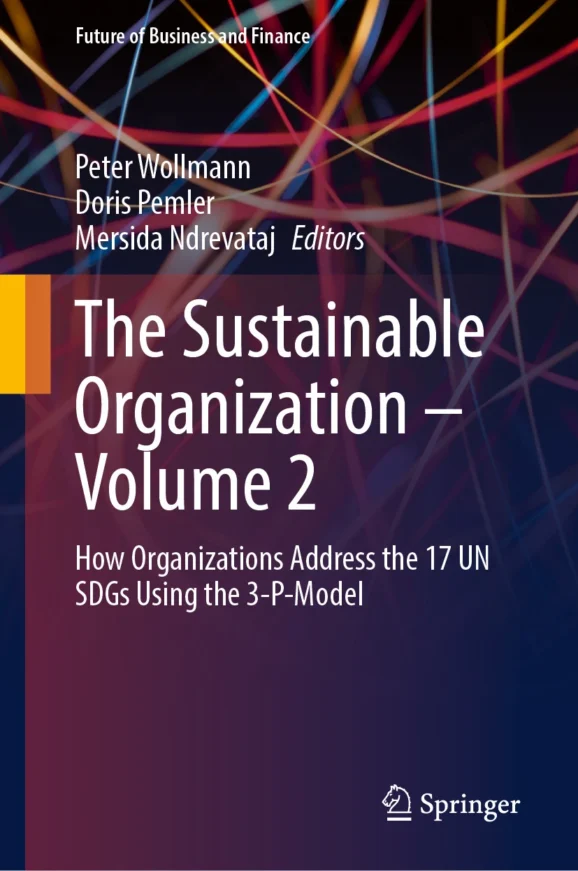
Volume 2 followed on September 2 this year and expands the project into a larger collection of institutional, political and practical examples involving the SDGs and accountability.
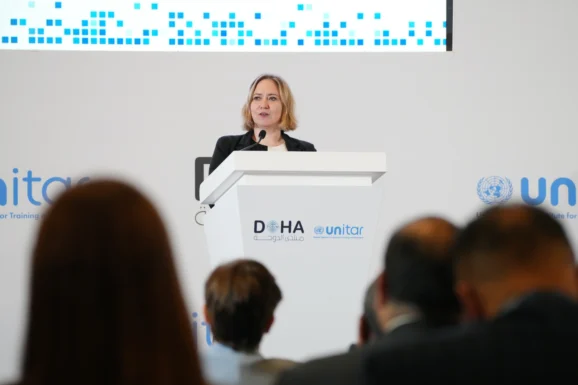
Contributors are linked to UNITAR, Sorbonne Qatar, Ca’ Foscari and IUAV in Venice, other universities, local and regional governments and NGOs.
It combines bottom-up and top-down approaches rather than presenting a single model for implementation, with the Three-Pillar framework again used to examine purpose, transformation and connectivity.



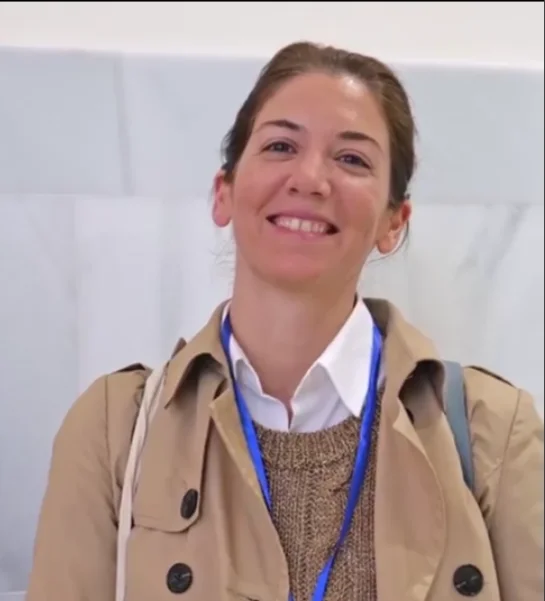
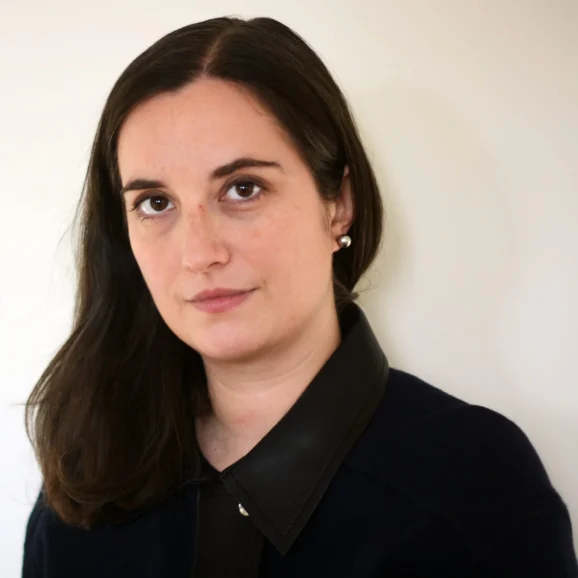

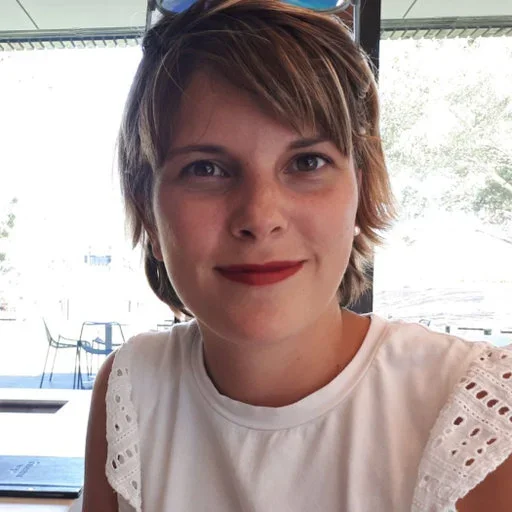
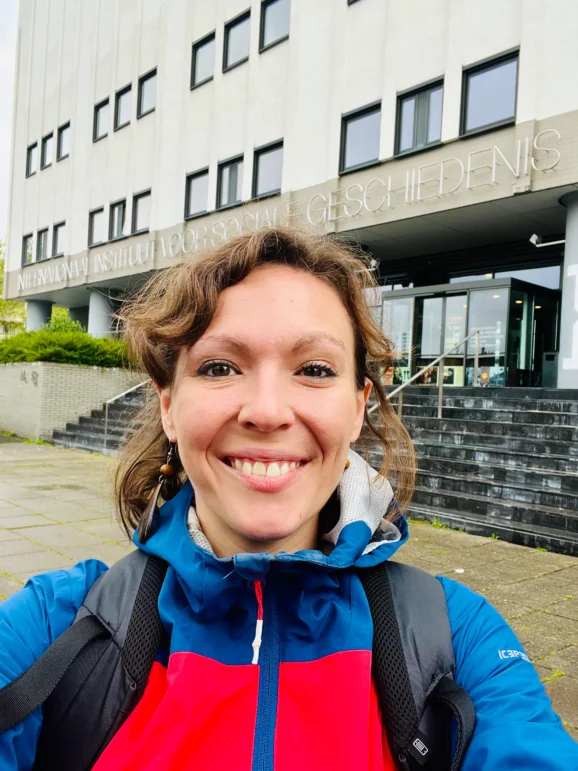
Other chapters cover rural development in India, tourism in Venice, third-sector welfare networks, Italian World Heritage management and collaborative spaces in France, Italy and Czechia.
The third volume, The Sustainable Organization: Academic, Cross-Sectoral, and Industrial Pathways to Achieving the UN SDGs, was also published by Springer this September.
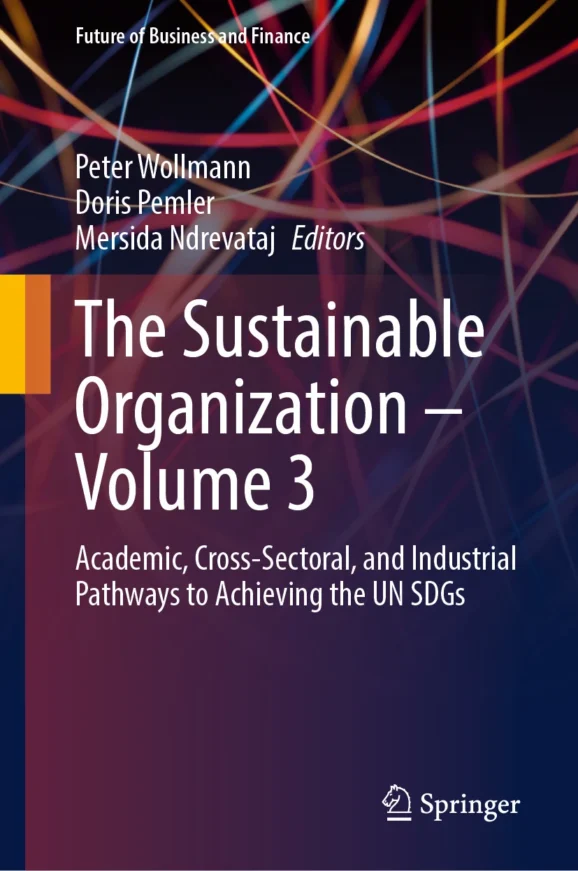
It focuses on how sustainability is taught, governed and put into practice across universities, industry and public institutions, with subjects ranging from data-driven sustainability, transformative education and the Earth Charter to circular business models, MedTech, logistics, collaborative sourcing and luxury fashion.














Wollmann, who also edited Volumes 2 and 3, said: “The three books so far cover everything from investment, governance and education to rural development, tourism, food supply chains, healthcare technology, logistics, heritage and luxury fashion.
“They show how organisations with very different structures and priorities are tackling the same 17 goals, and provide practical examples others can draw on as the 2030 deadline gets closer.”
READ MORE: Jaguar puts controversial rebrand on the road with £130K 1,030PS Type 01. British carmaker finally reveals the production model behind its radical new image – a £130,000 electric GT capable of 0–62mph in 3.2 seconds and an anticipated range of up to 450 miles.
Do you have news to share or expertise to contribute? The European welcomes insights from business leaders and sector specialists. Get in touch with our editorial team to find out more.
Main image: The three volumes of The Sustainable Organization, edited by Peter Wollmann, Doris Pemler and Mersida Ndrevataj. Credit: Springer / The European