Researchers in Italy and Azerbaijan have completed initial tests on two chemical treatments designed to contain oil slicks and remove oil from contaminated water, in a project backed by Malta-based energy trader Alkagesta
Scientists developing new technology to combat oil spills at sea have completed the first phase of research into two promising chemical treatments that could help contain pollution and separate oil from contaminated water.
The Clean Caspian project, backed by Malta-based energy and commodity trading company Alkagesta, brings together researchers from Italy and Azerbaijan to develop new approaches to tackling marine oil pollution.
Following initial laboratory testing, the team has reportedly identified two promising formulations designed to tackle different aspects of oil spill management.
One, known as ‘Oil-Collecting Reagent 1’, is designed to rapidly contain thin layers of oil floating on the water’s surface, potentially preventing pollution from spreading further.
The second, ‘Flocculant-Coagulant 1’, is intended to destabilise mixtures of oil and water, allowing the two substances to separate more efficiently.
Together, the treatments could provide a two-stage approach to tackling oil spills, although further testing is needed to establish their effectiveness under real-world conditions.
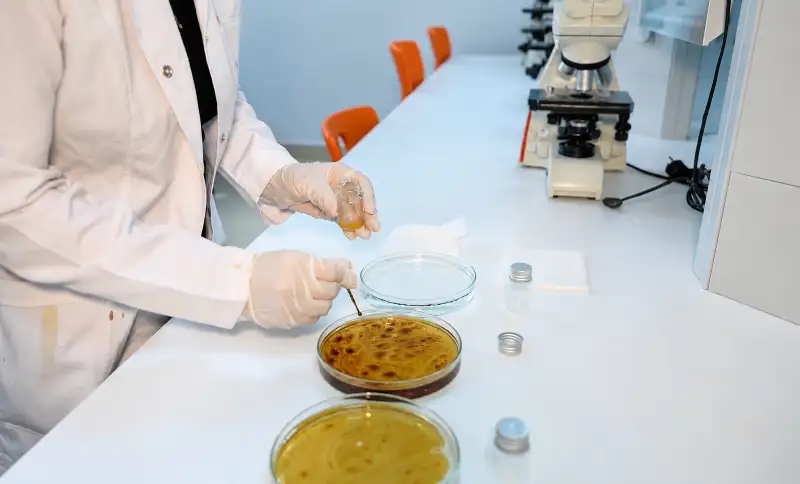
The research is led by Aynura Mammadova, of the University of Padova in Italy, and Narmin Ismayilova, of Baku Engineering University in Azerbaijan.
Mammadova, who is also the co-founder of Clean Caspian, said: “For us, Clean Caspian is about turning scientific research into practical environmental solutions.
“We are particularly interested in how more sustainable, circular approaches can be used to address oil contamination and reduce its environmental impact. These initial results give us a strong foundation for the next stage of research and optimisation.”
Alkagesta, which trades petroleum products, said its support reflected its wider environmental strategy and its responsibility to address the potential consequences of oil pollution.
With initial laboratory testing complete, the researchers will now refine both chemical formulations and investigate their performance under different environmental conditions.
They also plan to progress patent applications as they work towards turning their laboratory findings into practical technologies for responding to oil spills.
Orkhan Rustamov, Alkagesta’s chief executive, added: “This initiative has the potential to enable vital advances in the technology behind preventing and mitigating oil spills.
“We are delighted to be able to support such an initiative, recognising that we have a responsibility as traders of a product that if mishandled can cause serious environmental harm. We are excited to see what this startup can achieve and thank the researchers for their excellent work to date.”
Oil spills remain a major environmental threat worldwide. Among the most notorious was the 1989 Exxon Valdez disaster, when an oil tanker ran aground off Alaska, releasing almost 11 million gallons of crude oil and contaminating more than 1,300 miles of coastline.
The 2010 Deepwater Horizon disaster in the Gulf of Mexico was even larger, releasing an estimated 134 million gallons over 87 days and causing extensive damage to marine ecosystems.
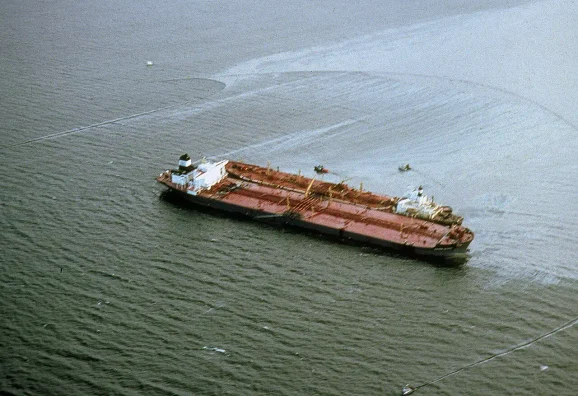
More recently, two Russian tankers damaged during a storm in December 2024 caused widespread pollution along Russia’s Black Sea coast, coating beaches in oil and threatening marine wildlife.
In August 2026, oil leaking from the tanker Caroline Bezengi off Oman spread into waters surrounding the protected Hallaniyat Islands, threatening sensitive marine habitats, including those used by endangered Arabian Sea humpback whales.
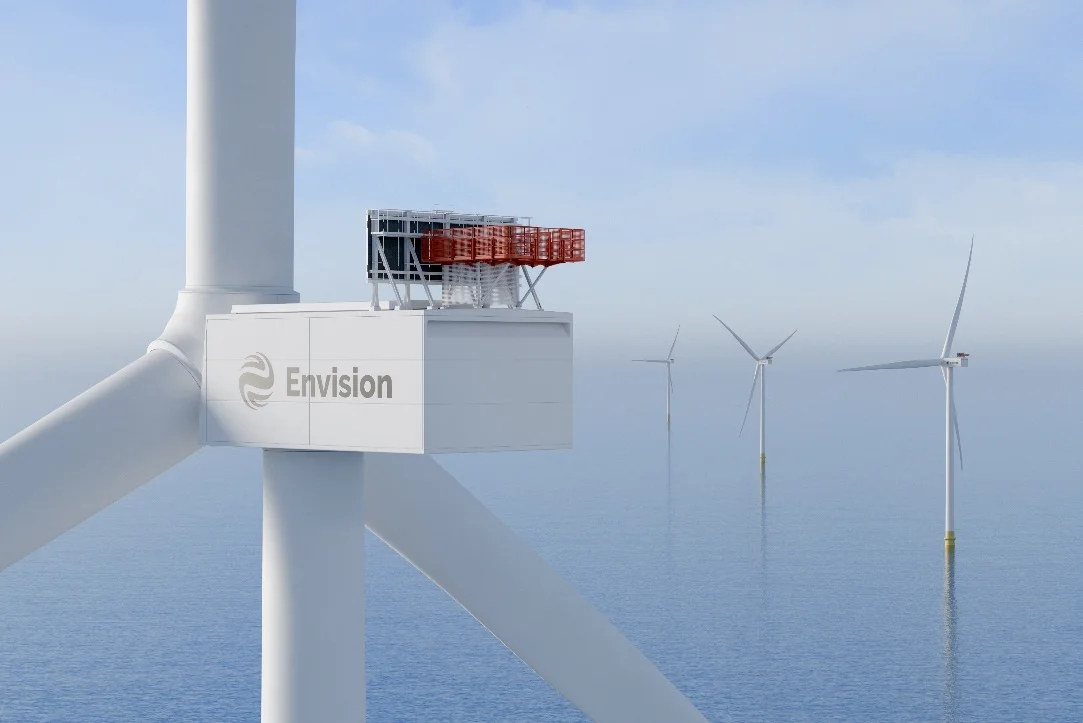
READ MORE: Giant wind turbine with 252-metre rotor could mean fewer machines and cheaper offshore power. Chinese manufacturer Envision says its huge new offshore turbine, designed for high-wind European markets, could allow major wind farms to use around 10 per cent fewer machines while producing more electricity and cutting generating costs.
Do you have news to share or expertise to contribute? The European welcomes insights from business leaders and sector specialists. Get in touch with our editorial team to find out more.
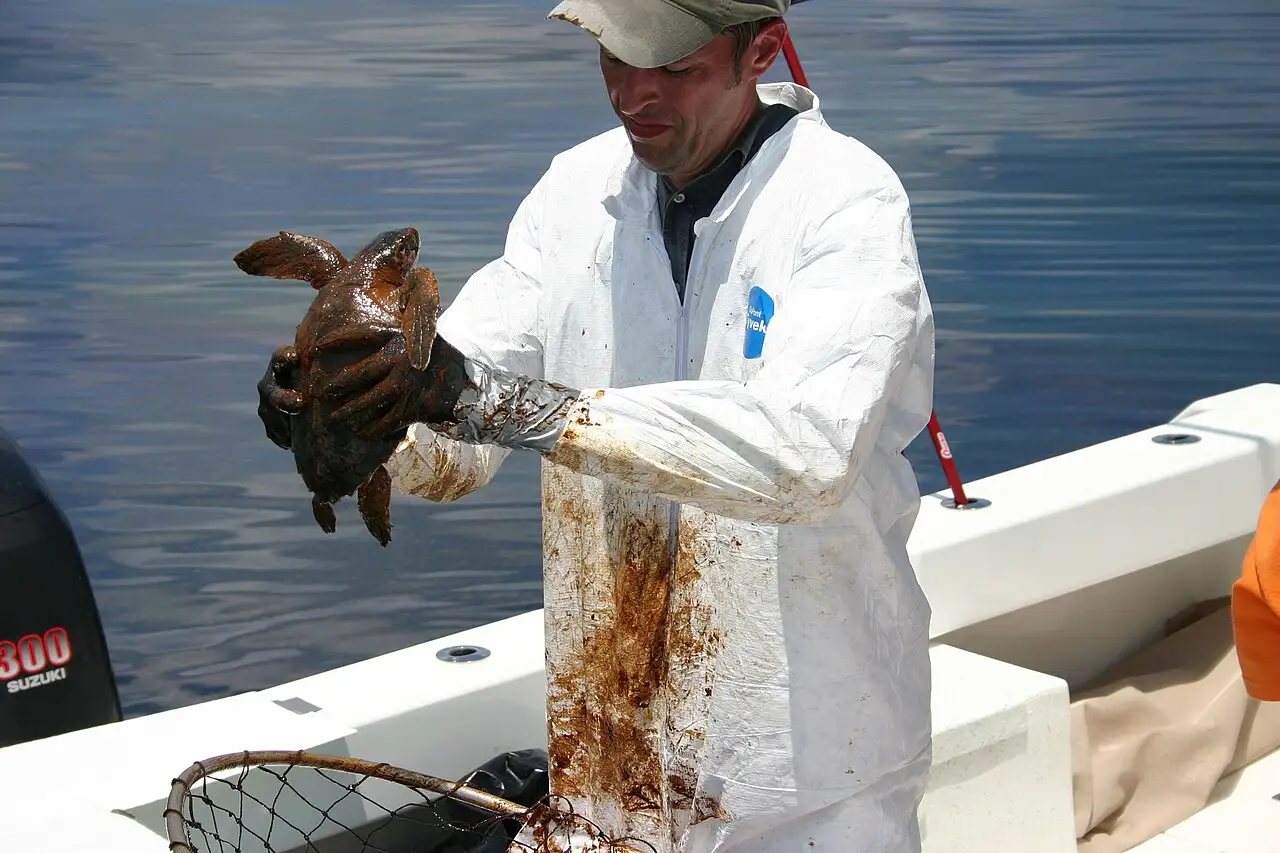
Main image: A veterinarian prepares to clean an oil-covered Kemp’s ridley sea turtle following the 2010 BP oil spill in the Gulf of Mexico, highlighting the devastating impact marine oil pollution can have on wildlife. Credit: NOAA / CC BY 2.0