Researchers say oviraptor nests may reveal how incubation evolved from eggs warmed by sun and soil to eggs warmed by a parent’s body
Scientists may have cracked the mystery of how some dinosaurs hatched their eggs after building the first life-size nest in the lab – revealing a possible evolutionary link between reptile-style incubation and the brooding behaviour of modern birds.
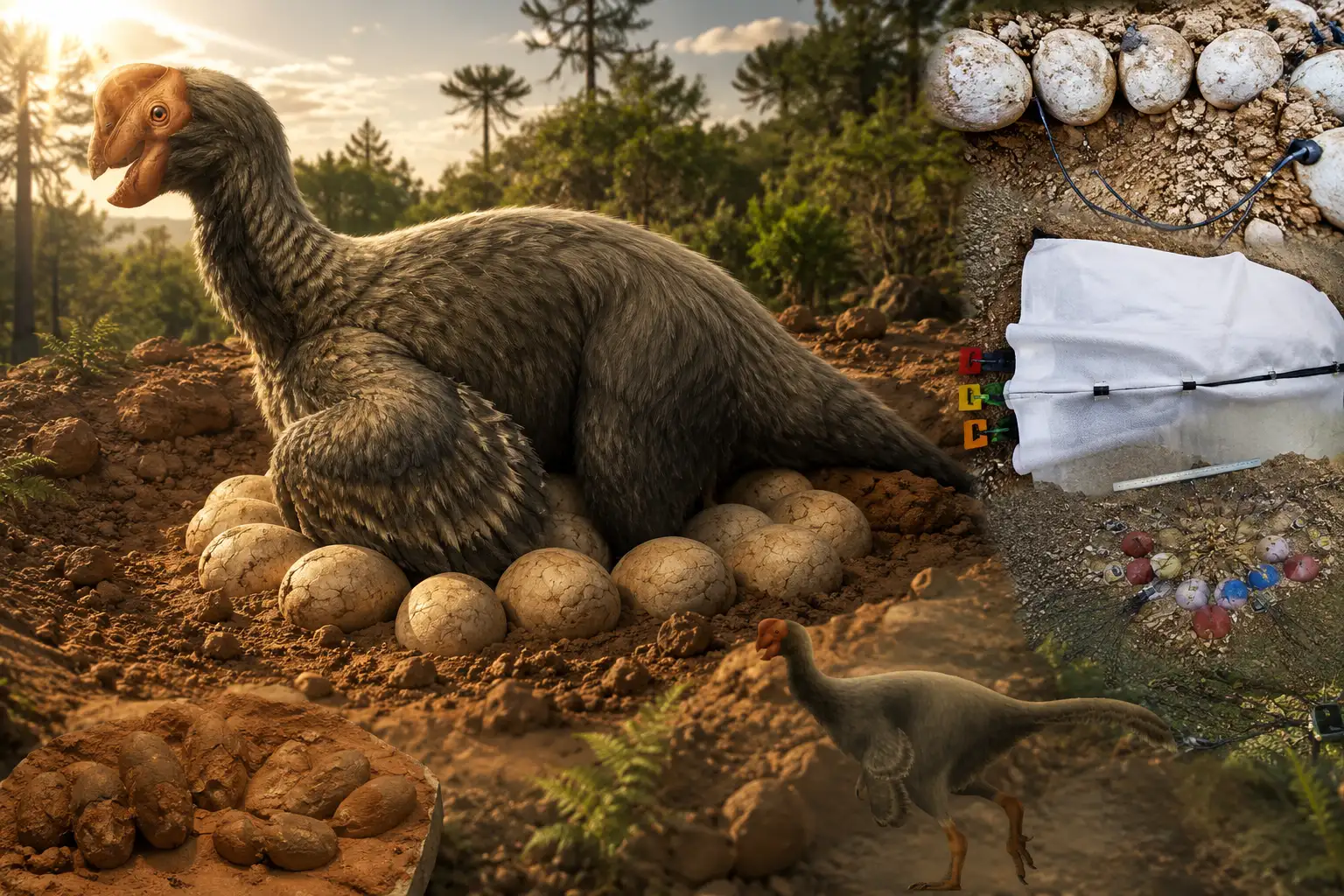
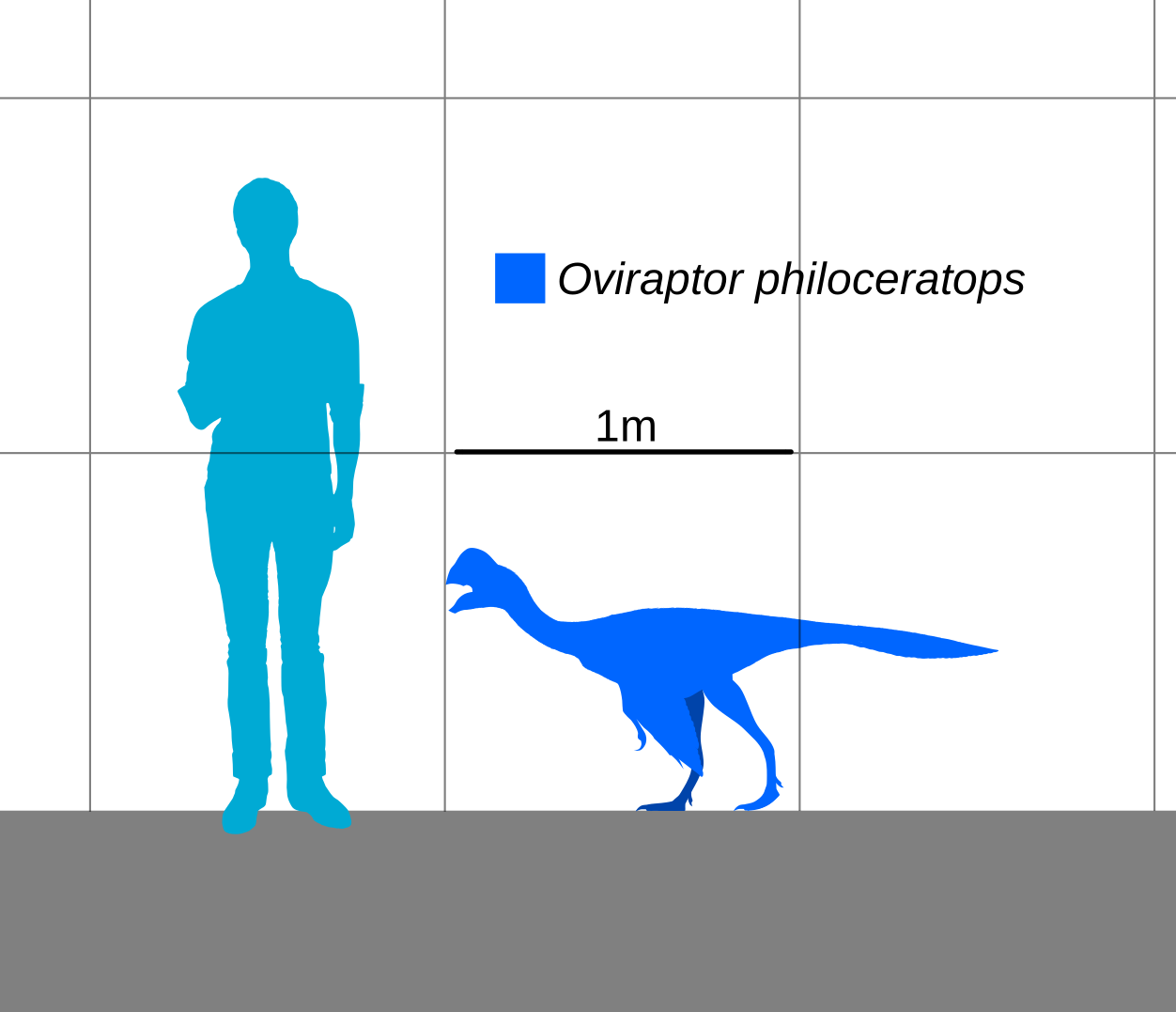
Researchers in Taiwan reconstructed the clutches of oviraptors, bird-like flightless dinosaurs that lived between 70m and 66m years ago, to find out whether they warmed their eggs by sitting on them like birds do today.
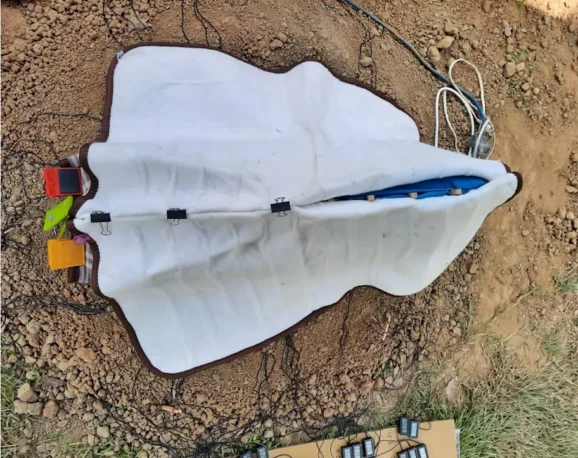
Using resin eggs and a full-scale model adult, the team created a dinosaur incubator from polystyrene foam, wood, cotton, bubble paper and cloth, with the artificial clutch arranged in double rings based on real fossil nests.
The team then measured how heat moved through the clutch in different conditions, testing whether the adult’s body could warm the eggs enough on its own or whether environmental heat also played a role.
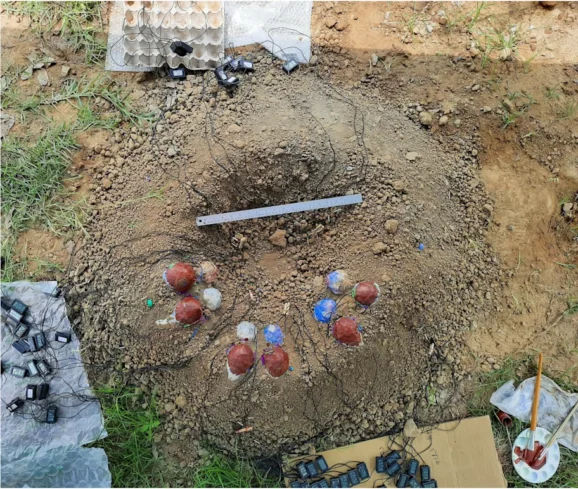
They found the clutch stayed much more evenly warm in warmer conditions, suggesting the dinosaurs could not have hatched the whole clutch by body contact alone.
The findings, published in the journal Frontiers in Ecology and Evolution, could help explain a step in the evolution from buried or partly buried nests, like those used by some reptiles, to the exposed nests seen in many birds today.
The study suggests oviraptors used an intermediate form of incubation, with adults brooding over open nests as surrounding heat helped warm the eggs.
Senior author Dr Tzu-Ruei Yang, associate curator of vertebrate palaeontology at Taiwan’s National Museum of Natural Science, said: “It’s unlikely that large dinosaurs sat atop their clutches. Supposedly they used the heat of the sun or soil to hatch their eggs, like turtles.
“Since oviraptor clutches are open to the air, heat from the sun likely mattered much more than heat from the soil.”
Palaeontologists have known for decades that some oviraptorids laid their eggs in ordered rings.
Fossilised clutches, along with adults preserved in a crouched position above them, showed the dinosaurs brooded over their nests in a way that appeared bird-like.
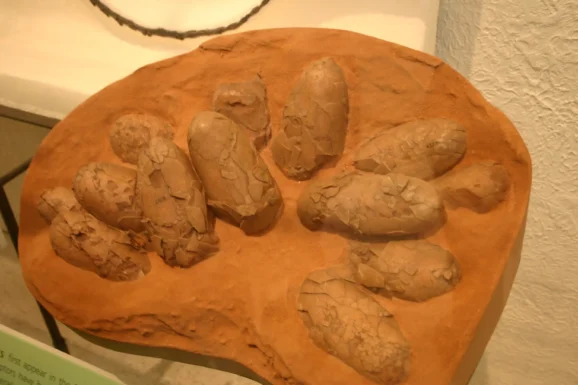
But until now, it was unclear whether the crouched adult was acting like a modern bird, warming the eggs directly with its body, or whether the nest still depended on reptile-style incubation, with sunlight and surrounding air providing much of the heat.
When the model adult was placed over the concentric rings of eggs seen in fossil clutches, its body touched only part of the outer ring, suggesting it could not have kept the whole clutch warm enough to hatch by body contact alone.
In cooler tests, eggs in the outer ring differed in temperature by up to 6C, meaning they may not all have hatched at the same time.
In warmer tests, the temperature gap was just 0.6C, suggesting environmental heat helped warm the clutch more evenly.
Experts said the dinosaurs were therefore unlikely to have used ‘thermoregulatory contact incubation’, or TCI, the method used by most modern birds, where a parent warms eggs directly by sitting on them.
In TCI, the adult must touch every egg, act as the main heat source and keep all eggs within a narrow temperature range.
Researcher Chun-Yu Su, who attended Washington High School in Taichung when the research was carried out, said: “Oviraptors may not have been able to conduct TCI as modern birds do.”
The findings reveal a possible evolutionary link between reptile-style incubation, where eggs rely largely on heat from the surrounding environment, and the brooding behaviour of modern birds.
Researchers said oviraptors may show an early stage in that shift, with adults helping to regulate nest temperature before later birds evolved full body-contact incubation.
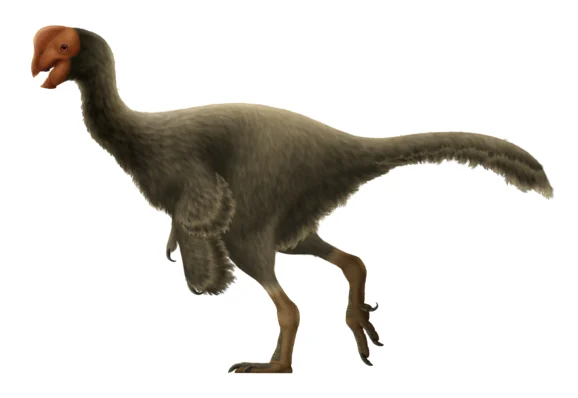
Yang said the findings should not be read as a simple evolutionary ladder from primitive incubation to a superior modern bird system.
He said: “Modern birds aren’t ‘better’ at hatching eggs. Instead, birds living today and oviraptors have a very different way of incubation or, more specifically, brooding.
“Nothing is better or worse. It just depends on the environment.”
READ MORE: Lasers finally unlock mystery of Charles Darwin’s specimen jars. A new scanning technique lets museum curators identify the toxic preservation fluids inside centuries-old jars — including specimens collected by Charles Darwin — without risking damage to the contents or exposure to hazardous chemicals.
Do you have news to share or expertise to contribute? The European welcomes insights from business leaders and sector specialists. Get in touch with our editorial team to find out more.
Main image: An illustration of an oviraptor brooding over a clutch of eggs. Source image credits: Chun-Yu Su; PaleoNeolitic/Wikimedia Commons, CC BY 4.0; Steve Starer/Wikimedia Commons, CC BY 2.0; Slate Weasel/Wikimedia Commons, Public Domain. Generated by OpenAI.