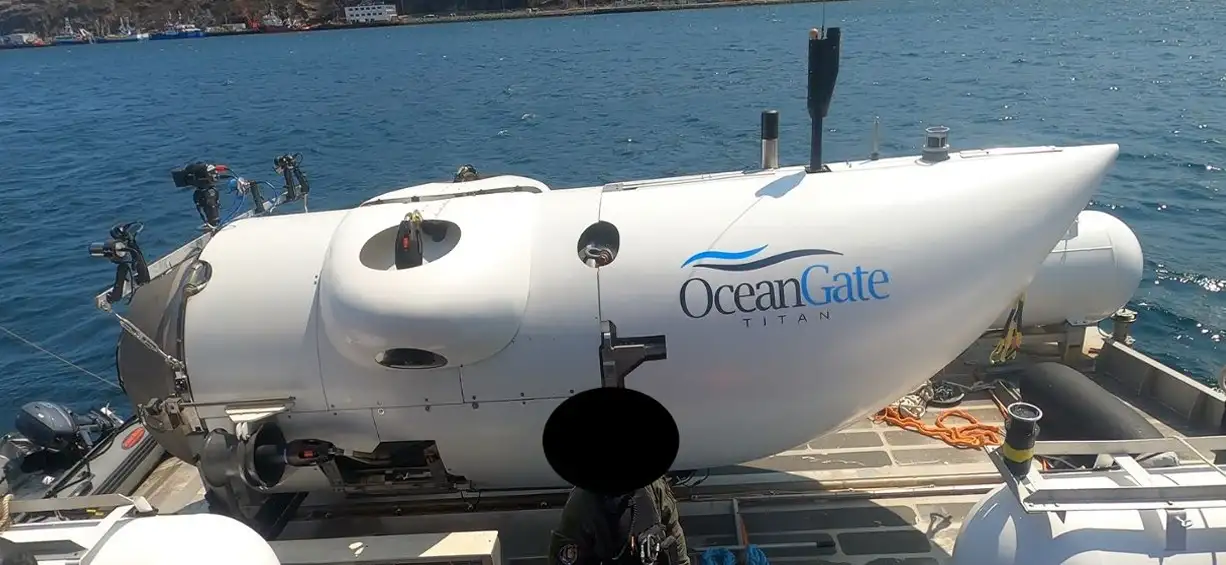
Canadian investigators say OceanGate sent passengers to the Titanic in a submersible whose carbon fibre hull had never been properly validated before the implosion that killed all five people on board
The firm behind the doomed Titan submersible never knew how long its hull could survive repeated dives to the Titanic wreck, safety investigators have found.
OceanGate failed to properly validate the carbon fibre cylinder at the heart of the vessel before it imploded deep in the Atlantic, killing all five people on board.
A damning report by the Transportation Safety Board of Canada (TSB) found the as-built properties of the submersible’s carbon fibre cylinder had never been validated against the theoretical values used in its design.
Investigators also found Titan’s construction and testing failed to follow standard engineering practices before the fatal dive in 2023.
The submersible imploded during its descent to the Titanic wreck, 372 nautical miles south-southeast of Cape Race, Newfoundland and Labrador.
Titan was owned by OceanGate, a US company organised under Washington state law, and operated by its Bahamas-registered subsidiary, OceanGate Expeditions, with support from the Canadian cargo vessel Polar Prince.
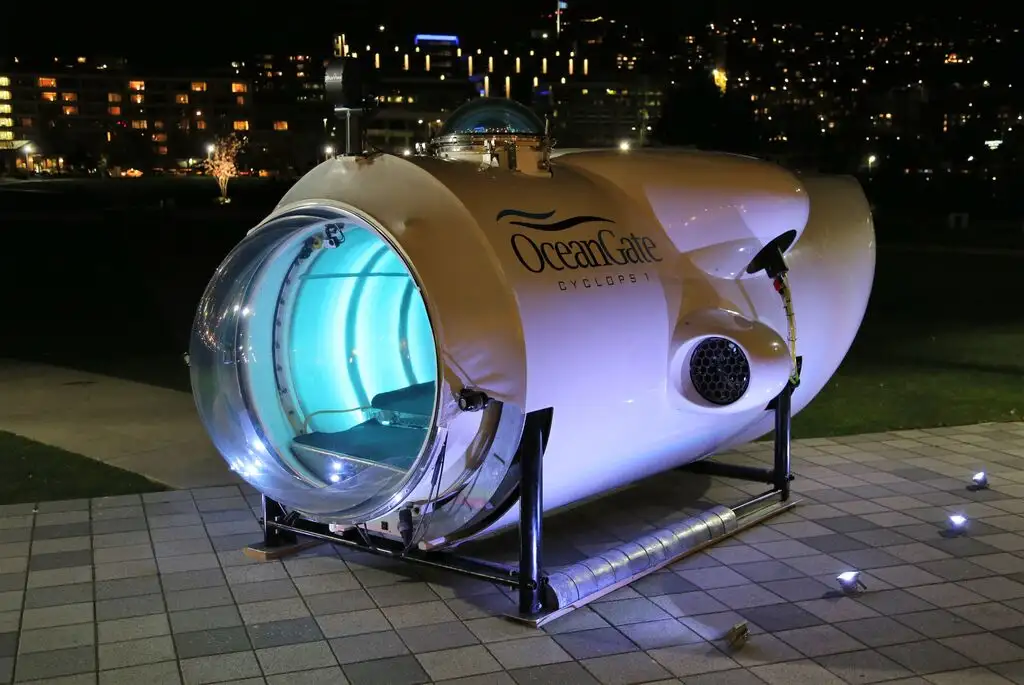
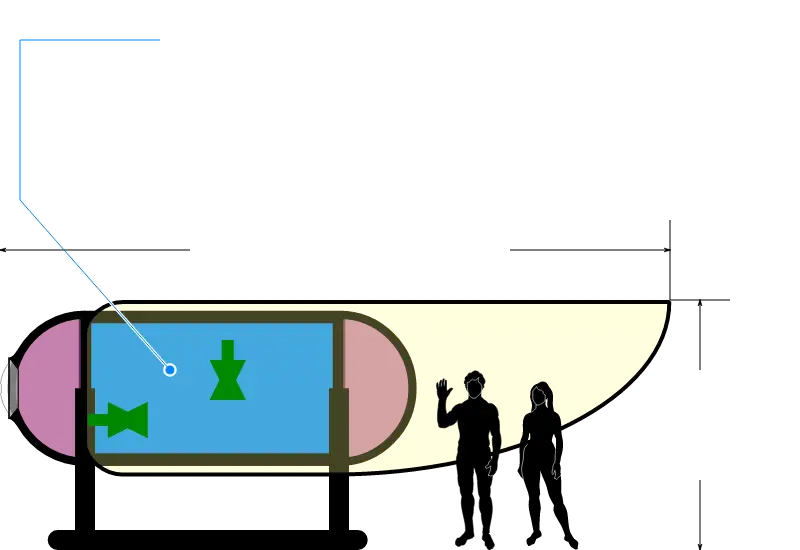
The TSB said Titan’s pressure hull was made from a carbon fibre cylinder capped with titanium domes. It described the use of carbon fibre in a pressure hull for a human-occupied deep-ocean submersible as “novel”, with steel or titanium far more commonly used for vessels operating at that depth.
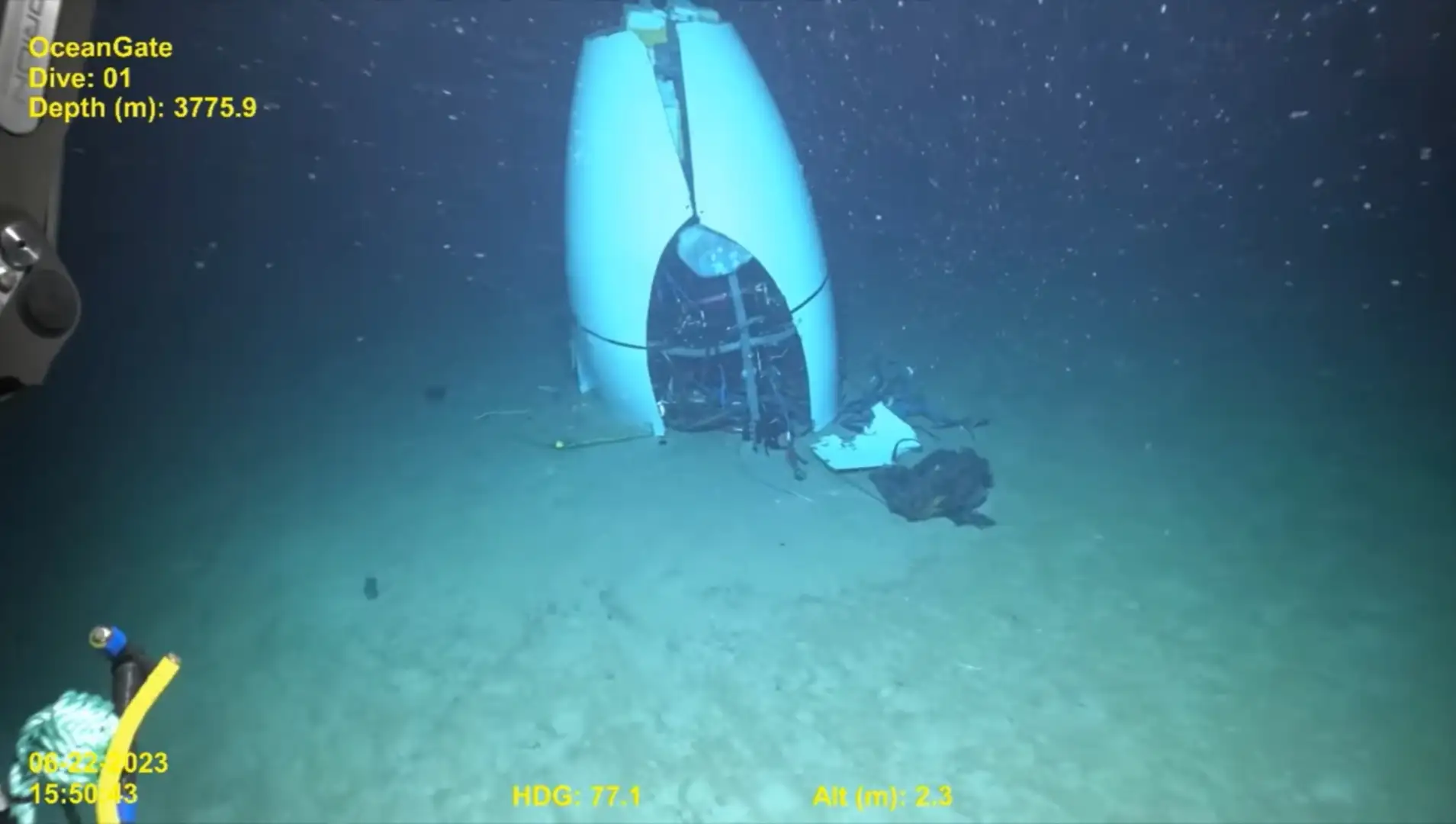
Investigators found the cylinder’s reduced compressive strength, together with defects from manufacturing, operations, storage and transport, likely caused the hull to weaken over repeated dives.
The report said damage probably built up over each dive cycle until the cylinder finally suffered catastrophic failure.
OceanGate fitted a strain monitoring system intended to show after each dive whether the hull was developing structural problems, but the TSB found the company’s analysis of the data was inconsistent and did not result in Titan being taken out of service before it failed.
A second acoustic monitoring system was meant to give enough warning for Titan to surface if the hull was about to fail.
Investigators found the system had not been properly tested to show it could give reliable warning and said it did not work as intended during the fatal descent.
OceanGate reportedly sold places on its Titanic expeditions for about US$250,000, with paying passengers described as “mission specialists” on trips to the wreck, which lies about 12,500ft below the North Atlantic.
Company publicity presented the dives as a professionally managed adventure, with safety systems, an experienced support crew and the chance for passengers to take part in a once-in-a-lifetime expedition.
Titan had already reached the Titanic wreck on previous expeditions in 2021 and 2022 but failed on its 14th dive after repeated trips to extreme depth.
Disaster struck just before 11am local time on June 18, when the support ship heard the bang investigators later linked to the submersible’s catastrophic failure.
All five people on board – OceanGate chief executive Stockton Rush, British businessman Hamish Harding, French Titanic expert Paul-Henri Nargeolet, Pakistani-British businessman Shahzada Dawood and his 19-year-old son Suleman – were killed when Titan failed at a depth of 3,355m.
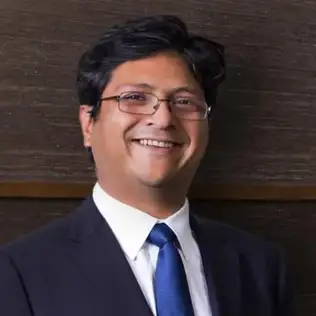
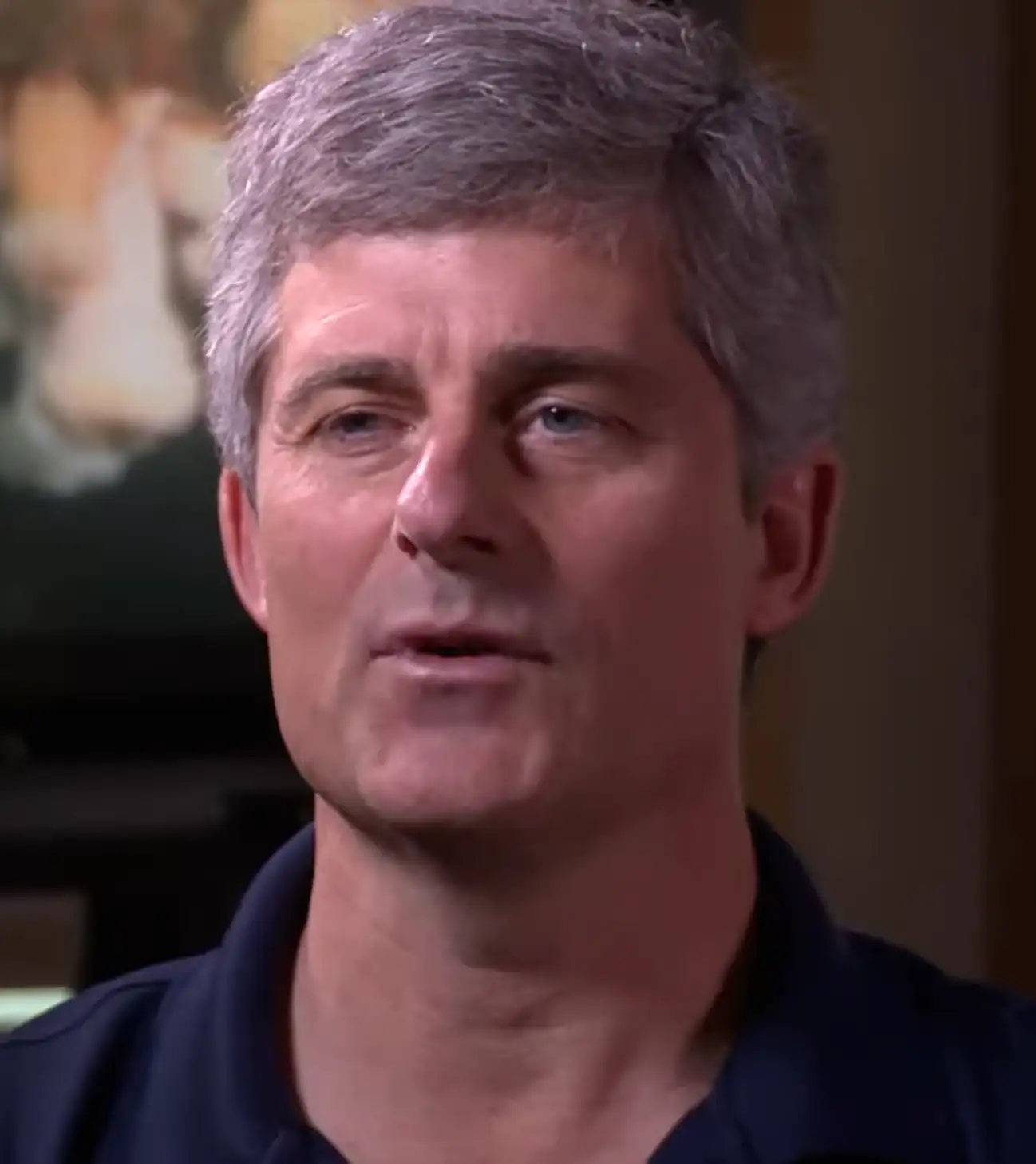

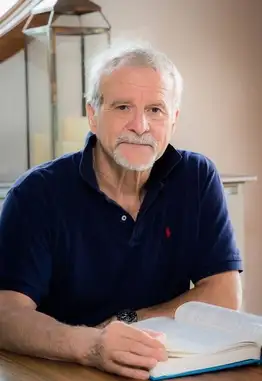
The search and rescue operation eventually involved 11 vessels and four aircraft, covering about 12,000 square nautical miles of ocean.
Titan’s wreckage was found on the seabed near the Titanic on June 22.
The TSB said risk management at OceanGate was weakened by the company’s structure, power dynamics and social and psychological factors.
It found the company failed to identify and reduce key risks linked to Titan’s structural integrity.
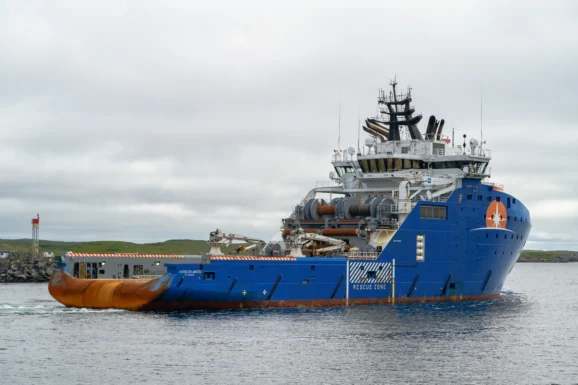
The report also raised serious questions about who was supposed to be checking Titan before passengers were taken down to the wreck. Canadian officials knew the submersible was operating from St John’s and using Canadian support ships, but investigators found it was not registered with any flag state – the formal link that usually shows which country is responsible for oversight.
That left Titan without Transport Canada safety checks, with the Board warning that the lack of oversight increased the risk to everyone involved in the dives.
In its report, released on June 17, the TSB made six recommendations including stronger oversight of uncertified and unregistered vessels, better information sharing between Canadian government departments, and mandatory use of international passenger submersible guidance for human-occupied submersibles operating in Canadian waters or with Canadian support ships.
The TSB also called on Canada to press the International Maritime Organization to bring existing passenger submersible guidance into international conventions or codes.
Oversight of submersible operations still relies heavily on individual flag states and voluntary action by owners and operators where no mandatory international standard applies, it said.
The safety board said its investigation was carried out to improve transport safety and was not intended to assign fault or determine civil or criminal liability.
READ MORE: The fist-bumping, selfie-taking humanoid guide that could usher sightseeing tours into the AI age. Tien Kung 3.0 can lead visits, answer questions, pose for photos and navigate venues without remote control or staff intervention, using what it calls the “most powerful brain in embodied intelligence”. Its unveiling raises the prospect of similar machines one day challenging human tour guides on city sightseeing routes.
Do you have news to share or expertise to contribute? The European welcomes insights from business leaders and sector specialists. Get in touch with our editorial team to find out more.
Main image: OceanGate’s Titan submersible on its launch and recovery system alongside the Polar Prince, the Canadian support ship used during the fatal 2023 Titanic expedition. Credit: OceanGate via US Coast Guard Marine Board of Investigation