
BlueCrest says UK is ‘no longer serious place for business’ after £200m tax defeat

John E. Kaye
- Published
- Banking & Finance, Business
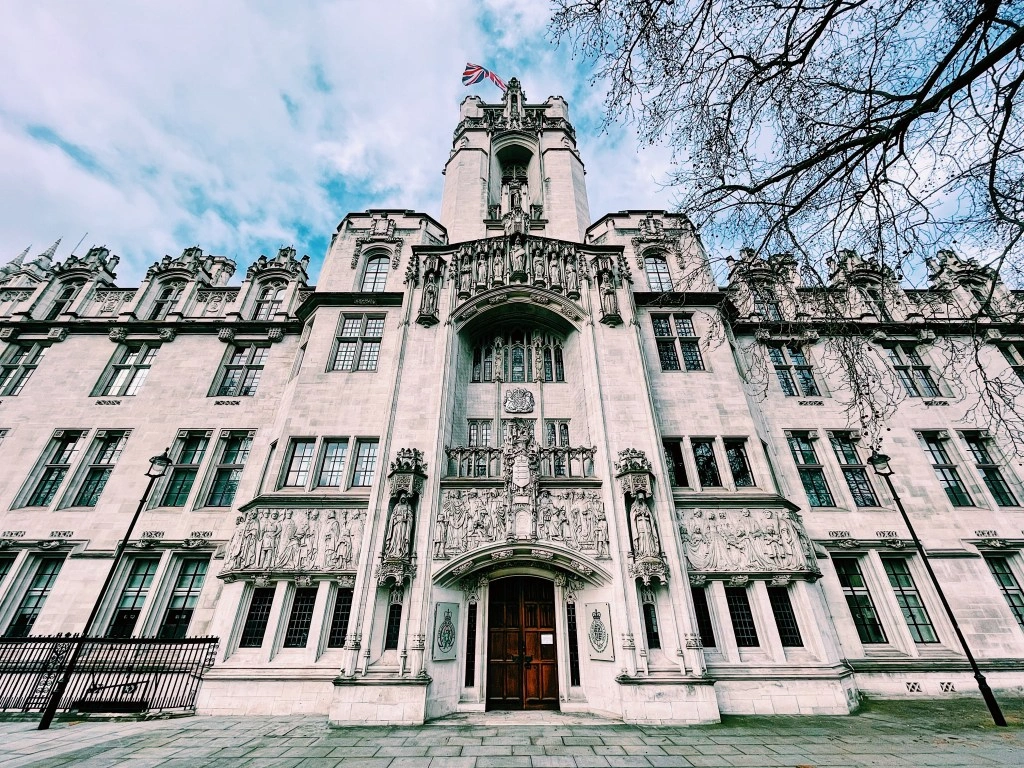
Michael Platt’s hedge fund loses Supreme Court battle over whether LLP members should be taxed as employees, fuelling City criticism of Britain’s tax regime and its impact on competitiveness
BlueCrest Capital Management says the UK is “no longer a serious contender” as a place to do business after the British-American investment management firm lost a Supreme Court tax appeal worth nearly £200m.
Yesterday’s ruling, in a dispute with HM Revenue & Customs over the tax treatment of members of BlueCrest’s UK limited liability partnership, is a significant defeat for billionnaire Michael Platt’s firm and a fresh flashpoint in City criticism of Britain’s competitiveness.
The court unanimously found against BlueCrest under the salaried members rules, which determine when LLP members should be taxed as employees rather than as partners. HMRC had issued PAYE determinations of about £142m and a national insurance decision of about £55.3m for the 2014 to 2019 tax years.
BlueCrest said it believed HMRC’s published guidance was wrong and that businesses operating in the UK needed to be able to rely on such guidance “to organise their tax affairs with certainty”.
“Without that certainty, and in an increasingly competitive global market, the UK is no longer a serious contender as a jurisdiction in which to do business,” the firm added.
The case centred on whether members of BlueCrest’s UK LLP were genuine partners for tax purposes or whether their remuneration amounted in substance to “disguised salary”.
The LLP, through which the firm operated in London from 2010, provided investment management and back-office services to other entities in the wider BlueCrest group.
The salaried members rules apply where three statutory conditions are met, covering the nature of a member’s pay, the degree of influence they exercise over the affairs of the LLP and the scale of their capital contribution.
BlueCrest, founded in 2000 by Platt and fellow trader William Reeves, accepted that the capital contribution condition was satisfied, leaving the Supreme Court to decide the pay and influence tests.
In its summary of the judgment, the court said: “BlueCrest’s individual members have significant responsibility within its business, including for multi-million-pound investment decisions. However, their role in the LLP’s governance is minimal.”
It added: “Responsibility for high value day-to-day investment decisions is therefore not in itself significant influence over the LLP’s affairs.”
HMRC said the ruling confirmed how the salaried members rules should be implemented. A spokesperson added: “As always, we will consider if any updates should be made to our guidance in light of this judgment.”
READ MORE: The legality of tax planning in an age of moral outrage. Tax planning provokes moral outrage far beyond its legal meaning. Harry Margulies examines how everyday, lawful decisions are recast as suspect behaviour, why legality remains the only workable standard in a free society, and how differing tax regimes create incentives that individuals and businesses are rational to follow.
Do you have news to share or expertise to contribute? The European welcomes insights from business leaders and sector specialists. Get in touch with our editorial team to find out more.
Main image: The UK Supreme Court which has dismissed BlueCrest Capital Management’s appeal in its tax dispute with HMRC over how some LLP members should be taxed. Credit: Kelsey Farish/Wikimedia Commons/CC BY 4.0
TOP STORIES
-
 Nearshore supply chains: why Costa Rica is emerging as a strategic gateway for global manufacturing and innovation
 -
Kuwait deepens capital market reforms as Boursa Kuwait scoops triple honours
-
Smart manufacturing: why Costa Rica is quietly positioning itself as Latin America’s next industrial innovation hub
-
How MCI became essential to Costa Rica’s Medtech rise
-
BAC strengthens its strategic role in Costa Rica’s life sciences ecosystem
-
BP appoints Ian Tyler chairman after Albert Manifold ousting
-
They came to Malta as nomads. Then stayed on as founders
-
Fuel management software is becoming a working-capital tool for smaller fleet businesses
-
LEGO sales soar 22% amid World Cup, F1 and Star Wars push
-
Why entrepreneurs choose the wrong countries
-
European investors can now trade thousands of US stocks through Kraken
-
Ex-Lenovo executive Sabine Hammer to lead Infinigate’s DACH business
-
AI takes majority of European venture funding as money floods into few firms
-
Costa Rica’s MedTech firms now run services, not just factories
-
Saab lands German frigate deal after Poland submarine order
-
Xavier Niel to become Vodafone’s largest shareholder in £4.4bn deal
-
BlueCrest says UK is ‘no longer serious place for business’ after £200m tax defeat
-
KPMG keeps Klaus Becker in charge of 100-country Europe, Middle East and Africa operation
-
De Niro's Nobu heads to the country with first rural hotel in Rutland
-
Liechtenstein’s stability becomes a strategic advantage in fragmented Europe
-
Germany opens door to Indian startups with Berlin launch
-
Uzbekistan’s banking reforms signal new phase in global investment push
-
Inside Qantas’ new ultra-long-haul A350s with stretch zone, jet lag lighting and fewer seats
-
Luxury SUV market forecast to top $33bn by 2036 as electric models and bigger vehicles drive demand
-
Luxury villa group Eterniti secures €30m to expand global portfolio




















BlueCrest says UK is ‘no longer serious place for business’ after £200m tax defeat
John E. Kaye
- Published
- Banking & Finance, Business
TOP STORIES
-
Nearshore supply chains: why Costa Rica is emerging as a strategic gateway for global manufacturing and innovation
-
Kuwait deepens capital market reforms as Boursa Kuwait scoops triple honours
-
Smart manufacturing: why Costa Rica is quietly positioning itself as Latin America’s next industrial innovation hub
-
How MCI became essential to Costa Rica’s Medtech rise
-
BAC strengthens its strategic role in Costa Rica’s life sciences ecosystem
-
BP appoints Ian Tyler chairman after Albert Manifold ousting
-
They came to Malta as nomads. Then stayed on as founders
-
Fuel management software is becoming a working-capital tool for smaller fleet businesses
-
LEGO sales soar 22% amid World Cup, F1 and Star Wars push
-
Why entrepreneurs choose the wrong countries
-
European investors can now trade thousands of US stocks through Kraken
-
Ex-Lenovo executive Sabine Hammer to lead Infinigate’s DACH business
-
AI takes majority of European venture funding as money floods into few firms
-
Costa Rica’s MedTech firms now run services, not just factories
-
Saab lands German frigate deal after Poland submarine order
-
Xavier Niel to become Vodafone’s largest shareholder in £4.4bn deal
-
BlueCrest says UK is ‘no longer serious place for business’ after £200m tax defeat
-
KPMG keeps Klaus Becker in charge of 100-country Europe, Middle East and Africa operation
-
De Niro's Nobu heads to the country with first rural hotel in Rutland
-
Liechtenstein’s stability becomes a strategic advantage in fragmented Europe
-
Germany opens door to Indian startups with Berlin launch
-
Uzbekistan’s banking reforms signal new phase in global investment push
-
Inside Qantas’ new ultra-long-haul A350s with stretch zone, jet lag lighting and fewer seats
-
Luxury SUV market forecast to top $33bn by 2036 as electric models and bigger vehicles drive demand
-
Luxury villa group Eterniti secures €30m to expand global portfolio



