
UK to slash steel import quotas as ministers target bigger share for domestic producers

John E. Kaye
- Published
- Banking & Finance, Business
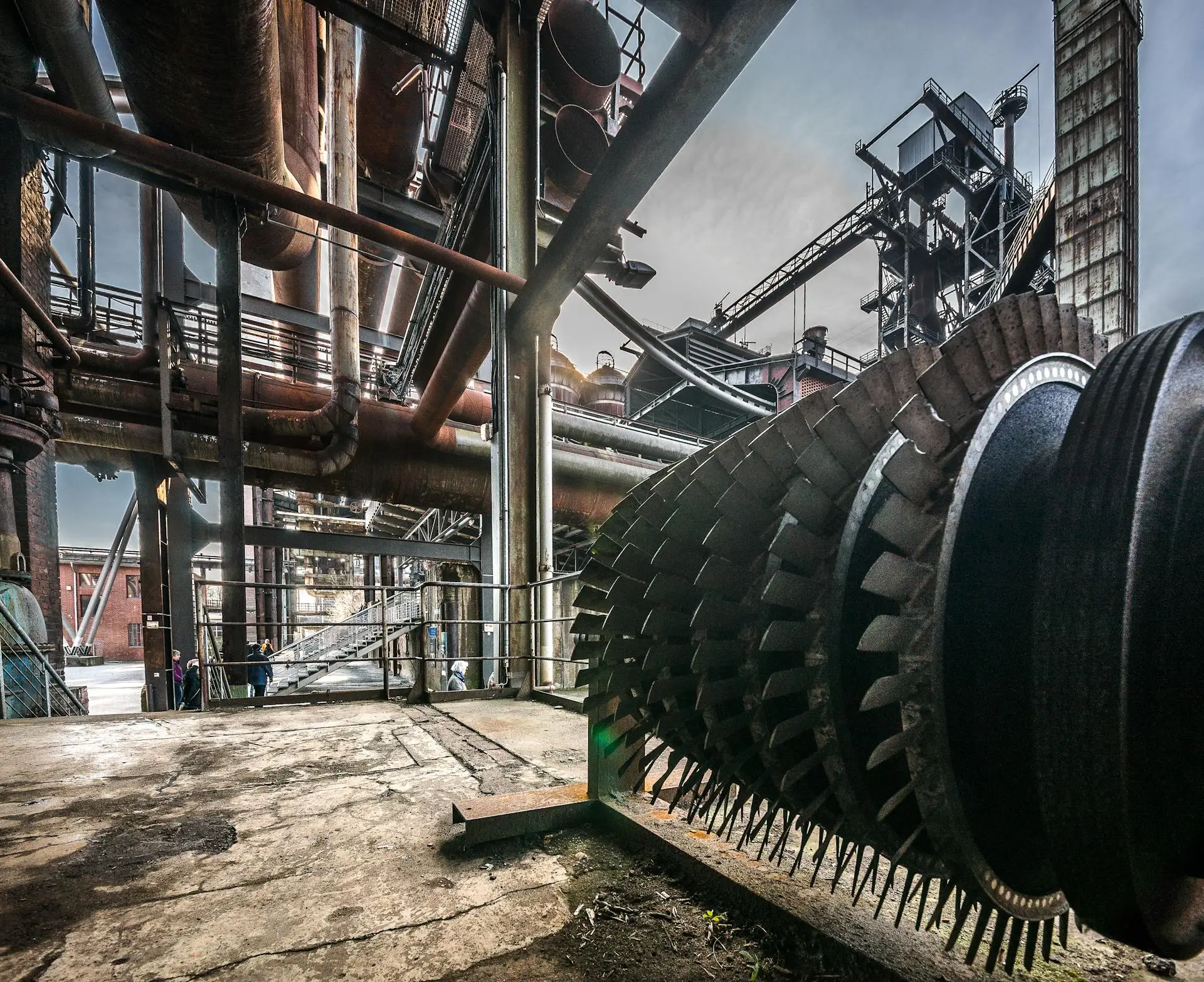
A new government steel strategy aims to lift the share of UK demand met by British-made steel from 30% to as much as 50%, with tougher import controls and up to £2.5bn in financing promised this Parliament
The UK will cut steel import quotas by 60 per cent from July and impose tariffs of 50 per cent on volumes above those limits, as ministers launch a new steel strategy aimed at expanding domestic production and shielding the sector from global overcapacity.
The government said yesterday it wanted British producers to supply up to half of the steel used in the UK, up from about 30 per cent now, in a move designed to strengthen domestic capability in infrastructure, defence and clean energy.
The new import regime will take effect from 1 July 2026 and apply to steel products that can be made in the UK.
Alongside the quota cuts, the government said it would raise the UK’s maximum Most Favoured Nation steel tariffs at the World Trade Organization to 50 per cent.
The measures were announced with a new steel strategy that also makes the National Wealth Fund the main vehicle for up to £2.5bn of financing for the sector during this Parliament.
Ministers said the package was intended to preserve steelmaking capacity that would otherwise face “real jeopardy”, leaving the UK more dependent on overseas suppliers for materials used in energy, defence and transport infrastructure.
Peter Kyle, the business and trade secretary, said: “Making steel in the UK is vital for national security, critical infrastructure and the wider economy.”
He added: “With this strategy we are closing the decades-long chapter of destructive de-industrialisation and committing instead to strengthening and sustaining Britain as a steel-making nation.”
The strategy confirms electric arc furnaces as the future direction of British steelmaking, continuing the shift away from blast furnaces towards lower-emissions production using recycled scrap.
It also opens the next round of Clean Industry Bonus applications to steel manufacturers through offshore wind developers, launches a cross-government group on scrap supply, and tasks the Steel Council with work on workforce needs, research and productivity.
The government said the new trade restrictions were not intended to halt steel imports, which it said would remain necessary for industry. Quota rules have been designed, it said, to preserve security of supply and limit disruption to the wider economy.
Following discussions with downstream industries, ministers said quotas would roll over quarterly within the year and the measure would be reviewed after 12 months.
The government is also exploring a transitional arrangement under which the new tariff would not apply to goods contracted before 14 March and imported between 1 July and 30 September 2026.
The strategy builds on earlier support for the sector, including £500m for Tata Steel’s £1.25bn transformation at Port Talbot, more than £100m in transition funding for local businesses and retraining, and government backing for a sales process for Speciality Steel UK’s sites in Rotherham and Stocksbridge.
The government said the steel industry employed nearly 40,000 people in 2024 and paid wages averaging 32 per cent above local norms.
Later on Thursday, ministers said UK Export Finance would back a £70m deal for British Steel to supply work on the refurbishment of two Nigerian ports during the Nigerian state visit.
Gareth Stace, director general of UK Steel, said: “Today’s strategy acknowledges the essential role steel plays in every part of the economy and sets out the direction needed to attract investment, boost innovation, and strengthen our industrial foundations.”
Charlotte Brumpton-Childs, GMB national secretary, welcomed the publication of a strategy but said “the devil will be in the detail”, including over the ownership of Scunthorpe and the future technology mix.
READ MORE: ‘Will the EU’s new policy slow down the flow of cheap Chinese parcels?‘. As the EU prepares to introduce a €2 levy on low-value parcels from abroad, Dr Dafne Grigoriadi examines whether the measure will meaningfully curb the flood of ultra-cheap shipments from China — or simply reshape consumer habits and accelerate the localisation strategies of platforms such as Shein and Temu.
Do you have news to share or expertise to contribute? The European welcomes insights from business leaders and sector specialists. Get in touch with our editorial team to find out more.
Main image: Mike van Schoonderwalt/Pexels
TOP STORIES
-
 Nearshore supply chains: why Costa Rica is emerging as a strategic gateway for global manufacturing and innovation
 -
Kuwait deepens capital market reforms as Boursa Kuwait scoops triple honours
-
Smart manufacturing: why Costa Rica is quietly positioning itself as Latin America’s next industrial innovation hub
-
How MCI became essential to Costa Rica’s Medtech rise
-
BAC strengthens its strategic role in Costa Rica’s life sciences ecosystem
-
BP appoints Ian Tyler chairman after Albert Manifold ousting
-
They came to Malta as nomads. Then stayed on as founders
-
Fuel management software is becoming a working-capital tool for smaller fleet businesses
-
LEGO sales soar 22% amid World Cup, F1 and Star Wars push
-
Why entrepreneurs choose the wrong countries
-
European investors can now trade thousands of US stocks through Kraken
-
Ex-Lenovo executive Sabine Hammer to lead Infinigate’s DACH business
-
AI takes majority of European venture funding as money floods into few firms
-
Costa Rica’s MedTech firms now run services, not just factories
-
Saab lands German frigate deal after Poland submarine order
-
Xavier Niel to become Vodafone’s largest shareholder in £4.4bn deal
-
BlueCrest says UK is ‘no longer serious place for business’ after £200m tax defeat
-
KPMG keeps Klaus Becker in charge of 100-country Europe, Middle East and Africa operation
-
De Niro's Nobu heads to the country with first rural hotel in Rutland
-
Liechtenstein’s stability becomes a strategic advantage in fragmented Europe
-
Germany opens door to Indian startups with Berlin launch
-
Uzbekistan’s banking reforms signal new phase in global investment push
-
Inside Qantas’ new ultra-long-haul A350s with stretch zone, jet lag lighting and fewer seats
-
Luxury SUV market forecast to top $33bn by 2036 as electric models and bigger vehicles drive demand
-
Luxury villa group Eterniti secures €30m to expand global portfolio























UK to slash steel import quotas as ministers target bigger share for domestic producers
John E. Kaye
- Published
- Banking & Finance, Business
TOP STORIES
-
Nearshore supply chains: why Costa Rica is emerging as a strategic gateway for global manufacturing and innovation
-
Kuwait deepens capital market reforms as Boursa Kuwait scoops triple honours
-
Smart manufacturing: why Costa Rica is quietly positioning itself as Latin America’s next industrial innovation hub
-
How MCI became essential to Costa Rica’s Medtech rise
-
BAC strengthens its strategic role in Costa Rica’s life sciences ecosystem
-
BP appoints Ian Tyler chairman after Albert Manifold ousting
-
They came to Malta as nomads. Then stayed on as founders
-
Fuel management software is becoming a working-capital tool for smaller fleet businesses
-
LEGO sales soar 22% amid World Cup, F1 and Star Wars push
-
Why entrepreneurs choose the wrong countries
-
European investors can now trade thousands of US stocks through Kraken
-
Ex-Lenovo executive Sabine Hammer to lead Infinigate’s DACH business
-
AI takes majority of European venture funding as money floods into few firms
-
Costa Rica’s MedTech firms now run services, not just factories
-
Saab lands German frigate deal after Poland submarine order
-
Xavier Niel to become Vodafone’s largest shareholder in £4.4bn deal
-
BlueCrest says UK is ‘no longer serious place for business’ after £200m tax defeat
-
KPMG keeps Klaus Becker in charge of 100-country Europe, Middle East and Africa operation
-
De Niro's Nobu heads to the country with first rural hotel in Rutland
-
Liechtenstein’s stability becomes a strategic advantage in fragmented Europe
-
Germany opens door to Indian startups with Berlin launch
-
Uzbekistan’s banking reforms signal new phase in global investment push
-
Inside Qantas’ new ultra-long-haul A350s with stretch zone, jet lag lighting and fewer seats
-
Luxury SUV market forecast to top $33bn by 2036 as electric models and bigger vehicles drive demand
-
Luxury villa group Eterniti secures €30m to expand global portfolio



