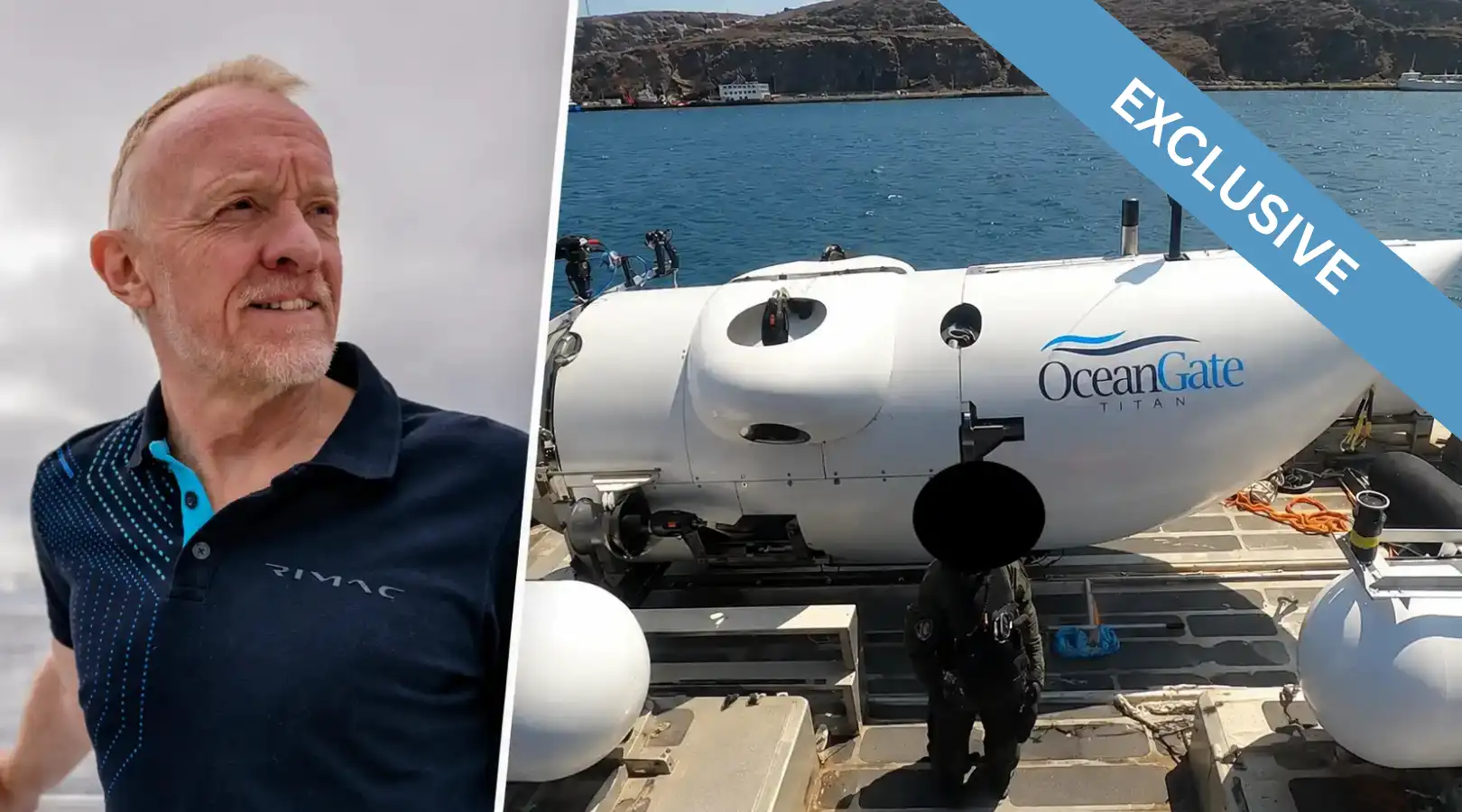
British adventurer Chris Brown, who withdrew from an OceanGate Titanic expedition over ‘slipshod’ safety fears, says he is ‘lucky to be alive’ after investigators found the doomed sub’s carbon fibre hull had never been properly validated
A British explorer who pulled out of a planned dive to the Titanic on OceanGate’s doomed Titan submersible has told The European that he is “lucky to be alive” after investigators found the vessel’s fatal implosion was caused by safety failures he feared years before the disaster.
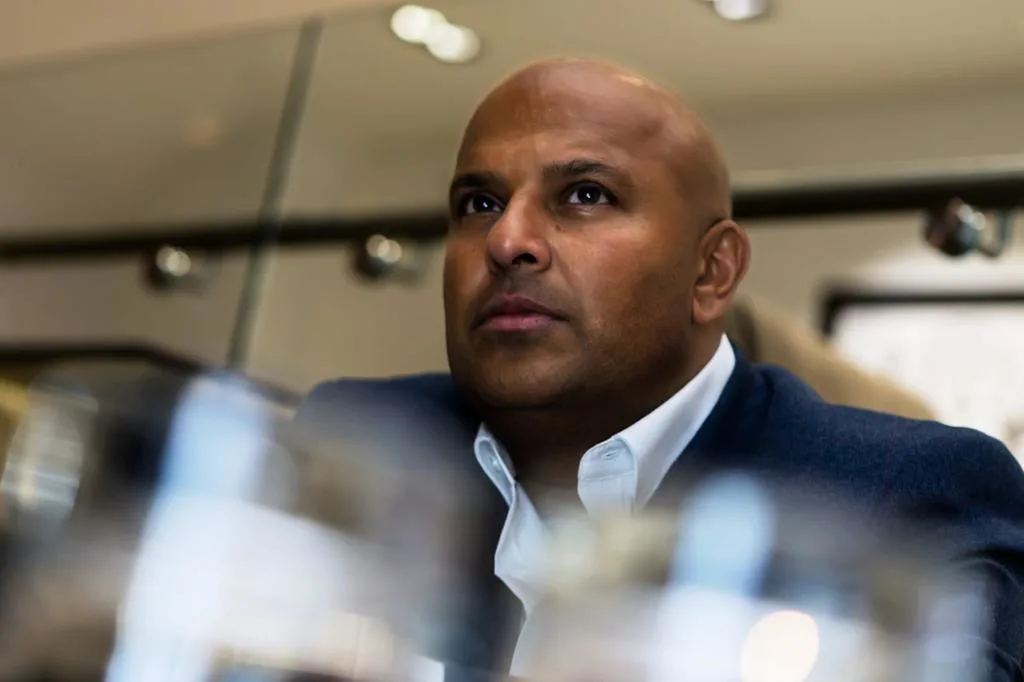
Chris Brown, the Yorkshire adventurer who had paid a deposit for a place on the sub, said the damning findings into Titan’s construction and testing made the tragedy appear “inevitable”.
Brown had been booked to travel to the Titanic wreck in June 2018 as a paying “mission specialist” but withdrew from the programme after becoming alarmed by OceanGate’s approach to certification, testing and basic safety systems.
He said red flags included allegedly flammable floor material, critical equipment held on with zip ties, faulty Bluetooth and wi-fi, DIY lighting, exposed wiring, and no way for the crew to escape once they had been bolted in from the outside.
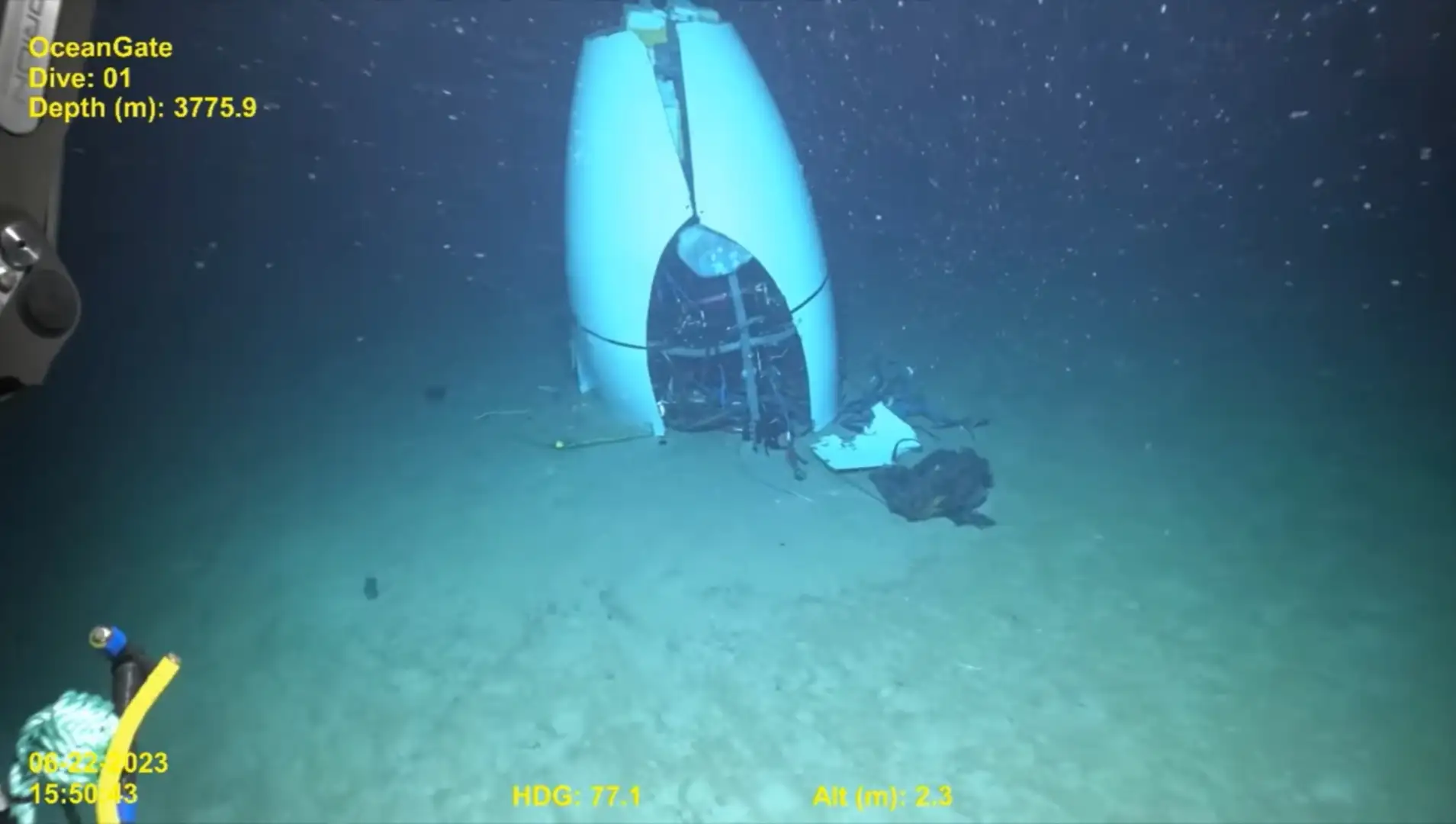
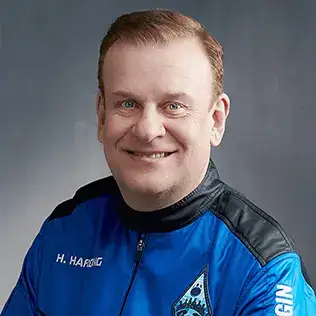
His decision spared him from a project that ended five years later with the deaths of all five people on board Titan, including his friend Hamish Harding, OceanGate chief executive Stockton Rush, French Titanic expert Paul-Henri Nargeolet, British-Pakistani businessman Shahzada Dawood and Dawood’s 19-year-old son Suleman.
OceanGate sold places on its Titanic expeditions for about US$250,000, with paying passengers described as “mission specialists” on trips to the wreck.
The company’s publicity presented the dives as professionally managed adventures, with safety systems, an experienced support crew and the chance to take part in a once-in-a-lifetime expedition.
Speaking yesterday Brown, who has reached seven of the world’s eight Poles of Inaccessibility, said: “When I read the report, my first reaction was that awful feeling of recognition. The investigators have set out, in forensic detail, the kind of issues that made me deeply uncomfortable at the time.
“I signed up for an expedition, and I knew there would always be risk in going nearly 4,000 metres (13,123ft) down to the Titanic. But the longer I watched the programme unfold, the more I felt the risk was being normalised instead of properly answered. At that depth, confidence and ambition are no substitute for proof.
“What has now been found is desperately sad, but it is not a surprise to me. I walked away because I felt the safety case simply was not there. Looking back, I am in no doubt that decision saved my life. I am very lucky to be alive.”
Last week, the Transportation Safety Board of Canada found OceanGate never properly validated the carbon fibre cylinder at the centre of Titan’s pressure hull before sending passengers to the wreck, which lies about 3,800 metres (12,500ft) below the North Atlantic.
Investigators said the as-built properties of the hull had not been checked against the theoretical values used in its design, leaving the company unable to know how long the vessel could safely survive repeated extreme-depth dives.
The report also found Titan’s construction and testing failed to follow standard engineering practice before the submersible imploded during its descent on June 18, 2023, 372 nautical miles south-southeast of Cape Race, Newfoundland and Labrador.
Brown, who studied physics at Durham University before taking a master’s degree in petroleum engineering at Heriot-Watt University, had signed up to the OceanGate expedition after hearing about the project during a trip to Necker Island in 2016.
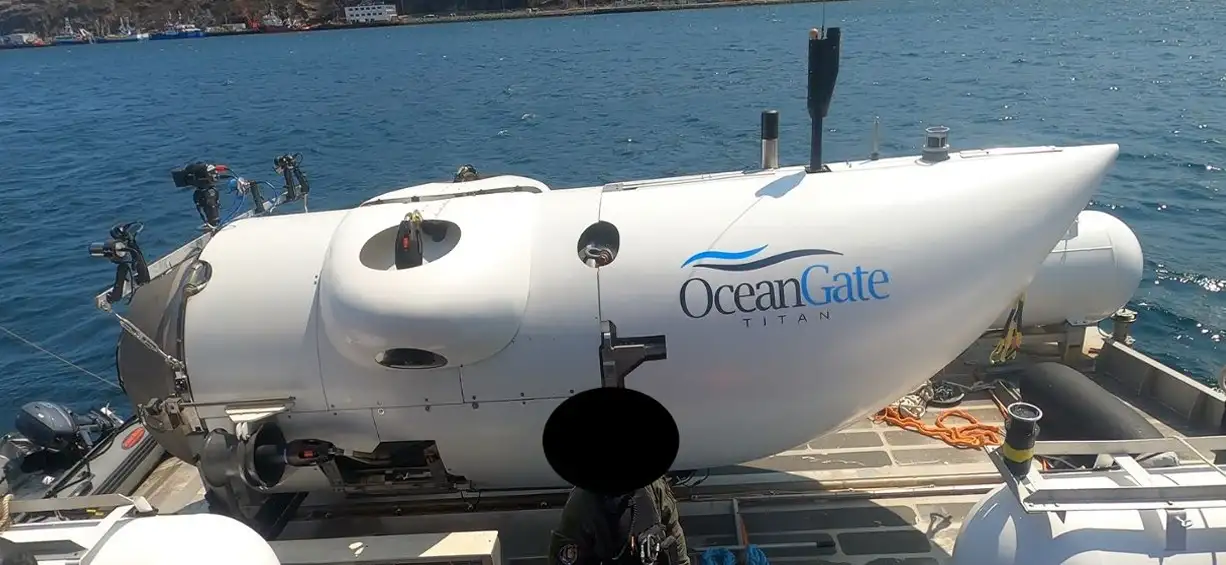
The submersible, then known as Cyclops 2, was promoted as a five-person craft capable of taking crew and mission specialists to depths of 4,000 metres (13,123ft).
Brown said his concerns grew as the 2018 expedition date approached and OceanGate’s testing schedule slipped. The company had proposed a 300-metre (984ft) dive in February 2018, a 4,000-metre (13,123ft) validation dive in the Bahamas in April, and an operational dive to the Titanic two months later.
But the June 2018 expedition was eventually pushed back, and by October that year Titan had reached 4,000 metres (13,123ft) only as an unmanned vehicle.
Stockton Rush, OceanGate’s CEO, later piloted the craft to 504 metres (1,654ft) in the Bahamas, far short of the depth needed for Titanic operations.
Brown said he became increasingly troubled by what he saw as a “slipshod” approach, including building pipes used for ballast, a video-game controller to steer the sub, internal Bluetooth and wi-fi systems that kept dropping, DIY-style lighting, external wiring around the thrusters, a satellite beacon attached with zip ties, passengers sitting on the floor on flammable material, and the crew being bolted in from the outside with no way to exit the vessel themselves.
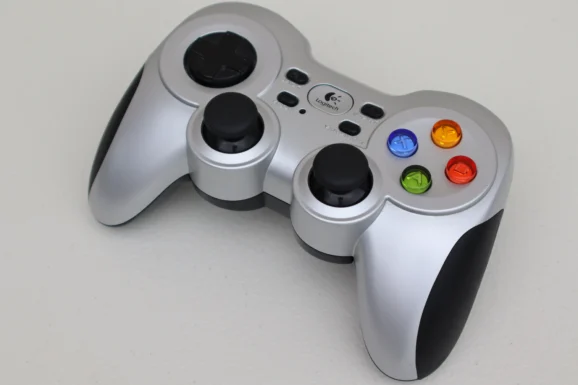
He pulled out of the trip in November 2018, after Rush said he no longer intended to have the submersible classed by a marine certification agency such as DNV. In the email requesting a refund, Brown wrote that “being crushed by 5800psi isn’t my idea of fun”.
“What worried me was the accumulation of things I was seeing. Each detail added to the same concern,” he said.
“Too much of what looked questionable to me was being presented as clever innovation, and the more I saw, the harder it became to accept that this was a properly mature deep-sea programme. There seemed to be a culture around Stockton Rush of pushing through objections and treating external scrutiny as an inconvenience.”
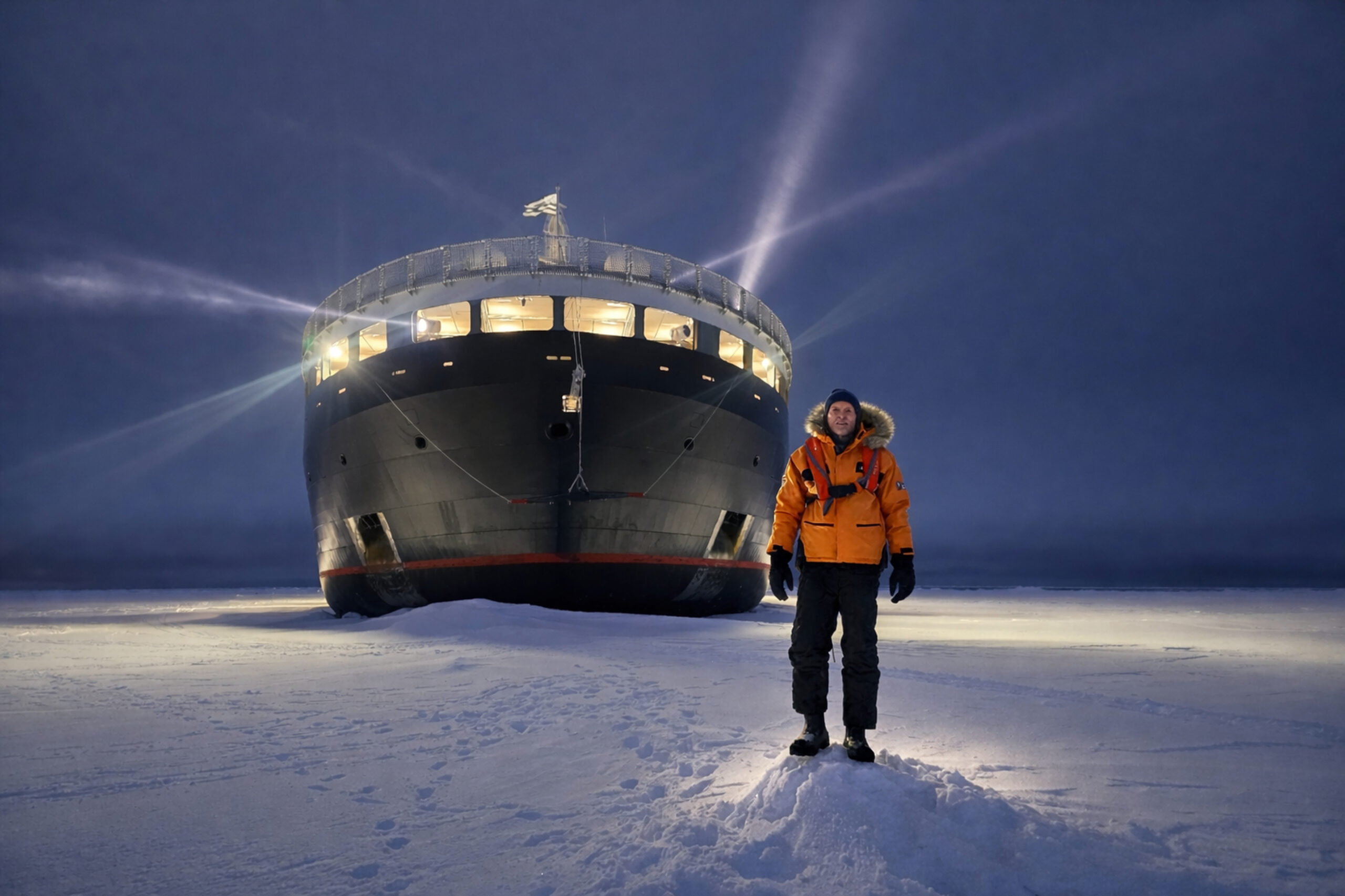
Brown, one of the first people to reach Point Nemo, the most remote place in the ocean, and the first person recorded to swim there after sailing 1,670 miles from land with his son Mika, added: “In exploration, you need ambition and humility in equal measure.
“When you are taking people nearly 4,000 metres (13,123ft) down, scrutiny has to be welcomed, questions have to be answered, and confidence has to be backed by proof. The sea does not care how certain you are.
“So once it became clear that independent classification was no longer being treated as essential, I could not justify staying involved. It felt to me as though cost, speed and belief in the project had overtaken the basic duty to prove that the sub was safe.”
The Canadian report found Titan’s pressure hull was made from a carbon fibre cylinder capped with titanium domes.
It described the use of carbon fibre in a pressure hull for a human-occupied deep-ocean submersible as “novel”, with steel or titanium far more commonly used for vessels operating at that depth.
Investigators said reduced compressive strength in the cylinder, combined with defects linked to manufacturing, operations, storage and transport, probably weakened the hull over repeated dives.
The damage is believed to have built up dive by dive until the cylinder suffered catastrophic failure at a depth of 3,355 metres (11,007ft).
OceanGate had fitted a strain monitoring system intended to show after each dive whether the hull was developing structural problems, but investigators found the company’s analysis of the data was inconsistent and did not lead to Titan being taken out of service.
A second acoustic monitoring system was meant to give enough warning for Titan to surface if the hull was about to fail. The TSB found it had not been properly tested to show it could give reliable warning and said it did not work as intended during the fatal descent.
Titan had reached the Titanic wreck on earlier expeditions in 2021 and 2022, but failed on its 14th dive after repeated trips to extreme depth.
The support ship Polar Prince heard the bang later linked to Titan’s catastrophic failure just before 11am local time on June 18, 2023.
A search and rescue operation involving 11 vessels and four aircraft covered about 12,000 square nautical miles of ocean before Titan’s wreckage was found on the seabed near the Titanic on June 22.

The TSB also criticised OceanGate’s risk management, saying it was weakened by the company’s structure, power dynamics and social and psychological factors. Investigators said the company failed to identify and reduce key risks linked to Titan’s structural integrity.
The report raised further concerns over oversight. Titan was operating from St John’s and using Canadian support ships, but was not registered with any flag state, the formal link normally used to determine which country is responsible for safety oversight.
That left the submersible outside Transport Canada safety checks, with the Board warning that the lack of oversight increased risk for everyone involved in the dives.
The TSB made six recommendations, including stronger oversight of uncertified and unregistered vessels, better information sharing between Canadian government departments, and mandatory use of international passenger submersible guidance for human-occupied submersibles operating in Canadian waters or with Canadian support ships.
It also called on Canada to press the International Maritime Organization to bring existing passenger submersible guidance into international conventions or codes.
Brown, 64, is best known for his attempt to become the first person to visit all eight of the Earth’s Continental Poles of Inaccessibility, the remote points farthest from the sea or, in the case of Point Nemo, farthest from land.
He has reached seven of the eight, including the African, Australian, Southern, South American, Oceanic and Northern Poles of Inaccessibility, and became one of the first people to reach Point Nemo, the most remote point in the ocean, and the first person recorded to swim there.
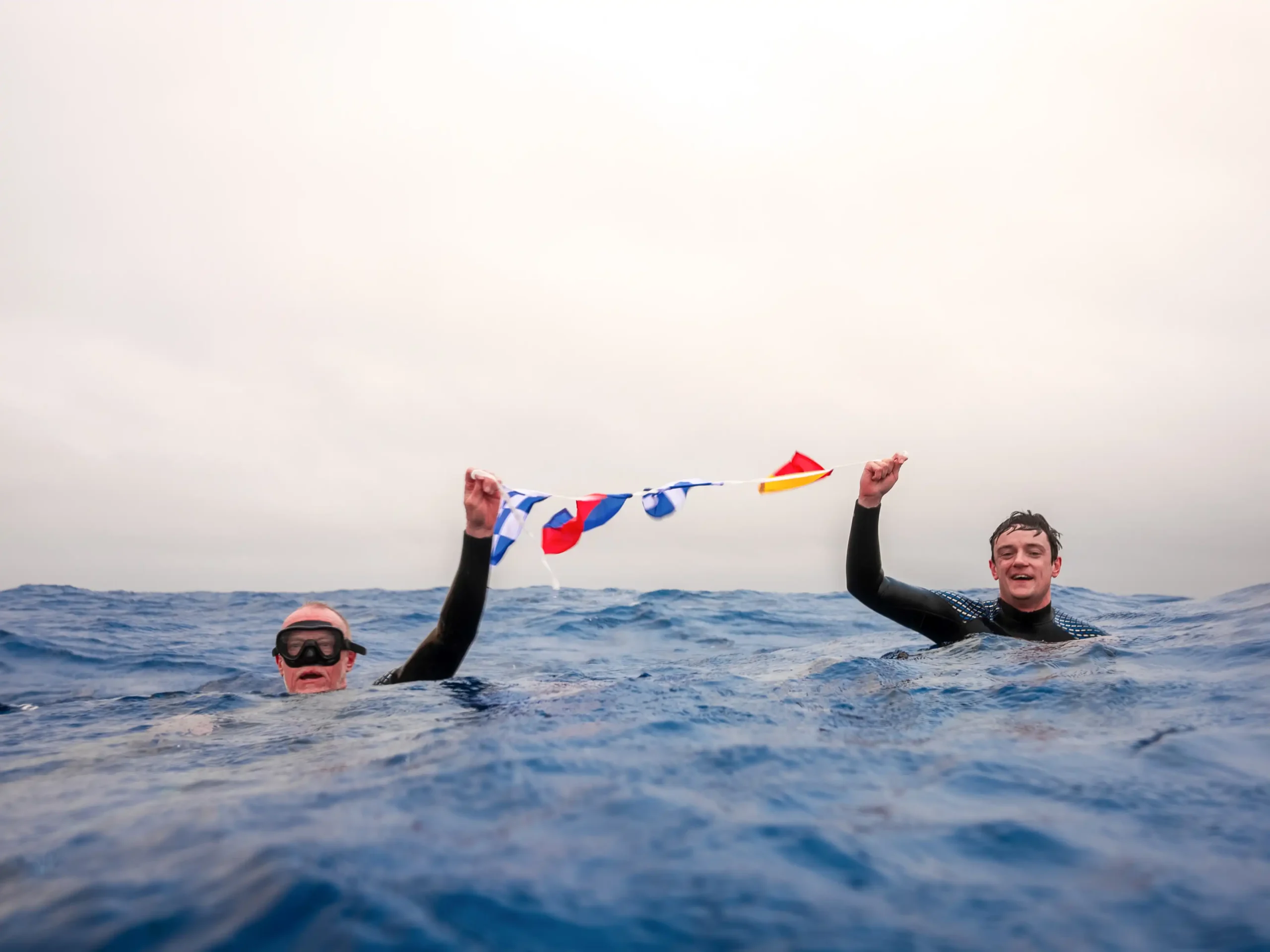
He is also a Guinness World Record holder, a lifelong honorary fellow of the Scientific Exploration Society, and the father of Olympic bobsleigh athlete Axel Brown and international triathlete Mika Brown.
He first met Harding during a trip to Antarctica with former astronaut Buzz Aldrin in 2016. The two men later climbed Table Mountain together in Cape Town, and Brown has said they shared an interest in modern exploration and adventure.
“Adventure should stretch the limits of what is possible. It should never ask people to ignore the limits of what has actually been proven,” he added.
READ MORE: The fist-bumping, selfie-taking humanoid guide that could usher sightseeing tours into the AI age. Tien Kung 3.0 can lead visits, answer questions, pose for photos and navigate venues without remote control or staff intervention, using what it calls the “most powerful brain in embodied intelligence”. Its unveiling raises the prospect of similar machines one day challenging human tour guides on city sightseeing routes.
Do you have news to share or expertise to contribute? The European welcomes insights from business leaders and sector specialists. Get in touch with our editorial team to find out more.
Main image: Chris Brown, who withdrew from an OceanGate Titanic expedition over safety fears, pictured with Titan, the submersible that later imploded during a dive to the wreck. Composite image using pictures supplied by Chris Brown and OceanGate via the US Coast Guard Marine Board of Investigation.