Forget the hire car. The Spirit of the Outback, one of Australia’s most luxurious long-distance trains, carries travellers from Brisbane on the East Coast of Oz deep into the red heart of the country. Professor Tim Coulson took the journey to see how easily the outback can be reached by rail
For many visitors, Australia means glass towers above the harbour, long lunches on the waterfront, and days that begin and end in conference rooms. The great coastal cities — Sydney, Melbourne and Brisbane — project a global sheen: efficient, international, comfortable.
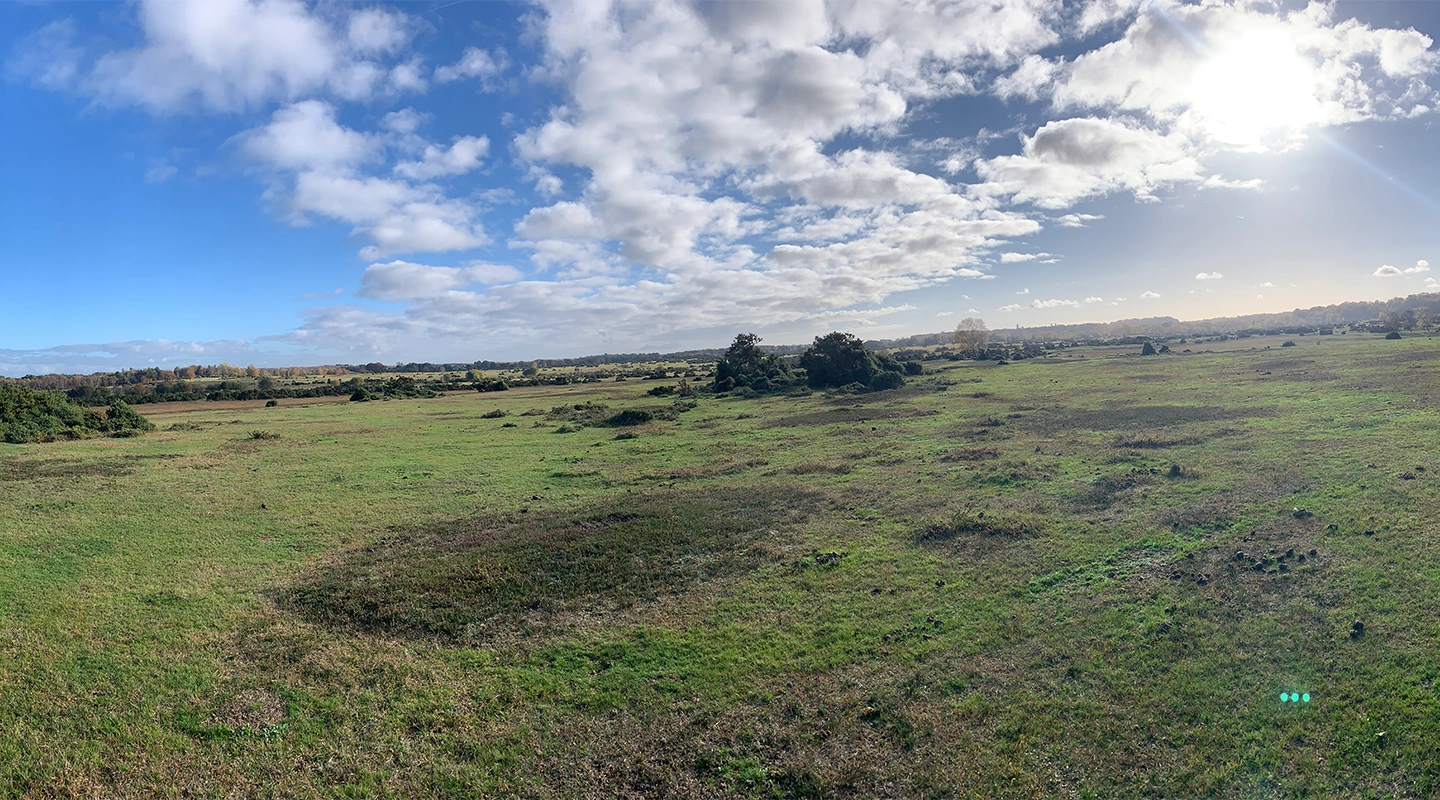
Yet beyond their skylines lies another world entirely: the outback of the imagination, a continent within a continent. Here the earth turns red, eucalyptus trees stretch unbroken to the horizon, and the night sky sharpens into a vault of impossible clarity — a landscape that defines Australia’s identity even as most of its people live far from it.
From the air, approaching the eastern cities from the interior — as flights from South-East Asia often do — you can glimpse it: the great ochre expanse that begins beyond the Great Dividing Range. To most visitors it feels remote and unreachable, a place reserved for expedition vehicles, film crews or those with months to spare. For business travellers, it remains little more than an idea glimpsed through the aircraft window between meetings.
But it doesn’t have to. The outback is more reachable than most imagine, and with a little planning it’s possible to experience its stillness and scale without hiring a car or driving for days.
On a recent work trip to Brisbane, my wife Sonya and I took the opportunity to travel inland for a few days — a journey that turned a routine visit into something unforgettable.
We travelled in early September, the Australian winter. Temperatures were in the mid-20s, dropping to the low teens at night, and the sky was clear both day and night, revealing astonishing views of the Milky Way. Winter is the time to go, as most tourist operations close during the blistering heat of summer, when heavy rains can also cause flash flooding.
Exploring central Queensland by train: a car-free route into the outback
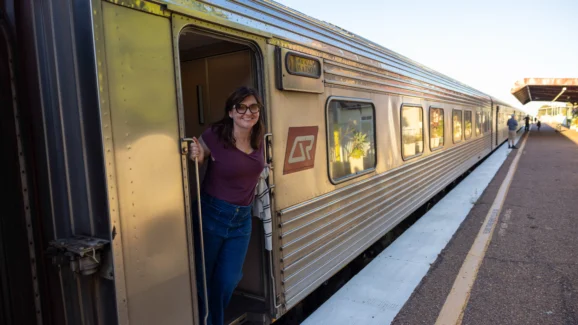
We booked a two-berth sleeper cabin on the Spirit of the Outback, the train that runs from Brisbane to Longreach — a small town in the heart of the Australian bush. We left the city in the early evening, had a quiet drink in the bar, and moved on to the dining car for dinner before returning to our cabin. The train swayed gently through the night, and we drifted to sleep to the rhythm of the tracks.
By morning, the scenery had changed completely. The lush greens of the coast gave way to open grasslands and ochre soil as the line turned inland, heading west towards the outback.
The day passed easily: reading, watching the landscape shift, stepping down at small stations to stretch our legs. The further we travelled, the drier and redder the land became. Meals on board — breakfast, lunch and supper — were unexpectedly good, and the service relaxed but attentive.
We arrived in Longreach, a settlement made famous as the original home of Qantas, Australia’s national carrier, in the early evening. Transfers had been arranged in advance, and we were met at each stage of the journey with reassuring punctuality.
In Longreach we chose accommodation within walking distance of the main attractions, and later joined organised bus trips to explore further afield. The four-wheel-drive vehicles seated sixteen passengers, air-conditioned and comfortable, with stops for morning tea and a simple lunch included — a civilised way to cover serious distances without ever taking the wheel.
Where to stay and what to see in Queensland’s outback: Longreach and Winton
A shuttle met us at Longreach station and took us to the Saltbush Retreat, a mile from town yet within walking distance of the main attractions. For a community of barely 3,000 people, set 700 kilometres from the nearest coast, Longreach offers an unexpected variety of things to do.
The next morning we strolled to the Stockman’s Hall of Fame, a museum honouring the men — and occasional women — who once drove cattle vast distances across the outback. An hour-long demonstration, featuring an enthusiastic display of whip-cracking, tested our stamina towards the end, but the Qantas Founders Museum nearby quickly revived us. Only ten minutes’ walk away, it tells the remarkable story of how Qantas grew from a bush air service into a national airline. Several aircraft are open to explore, and even for those not especially interested in aviation, it is a surprisingly compelling experience.
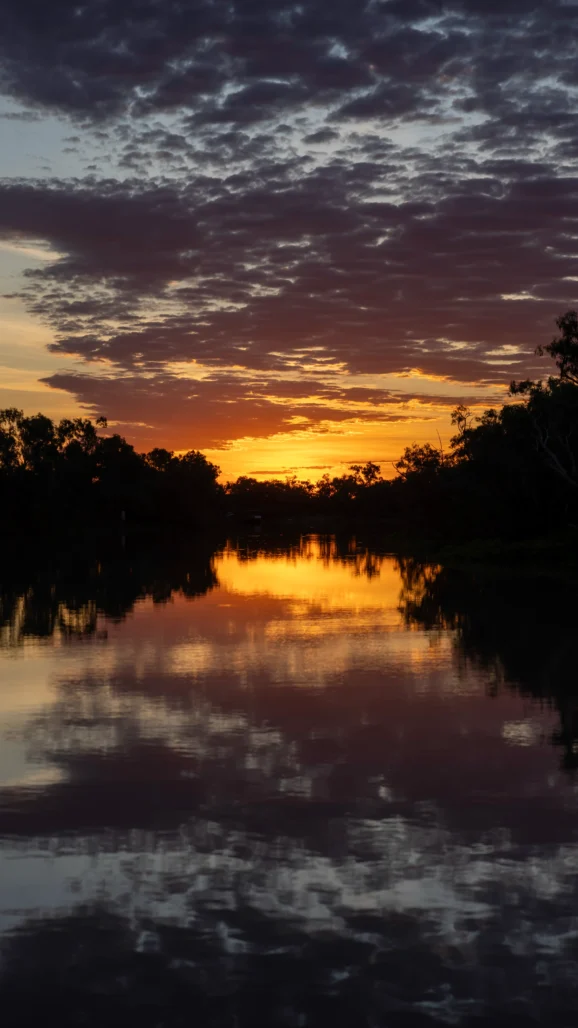
That evening we joined a sundowner cruise on the Thomson River (BYO drinks). The sunset was glorious, and our guide’s commentary combined humour with history as we learned about the first settlers. When darkness fell, we returned to shore for dinner around a campfire, listening to bush poetry by the author of Waltzing Matilda beneath a sky crowded with stars.
It is worth booking Longreach activities in advance, as places fill quickly during the cooler months. The town is a popular stop for Australia’s so-called “grey nomads” — retired travellers touring the country in four-wheeldrive motorhomes, often on their way to or from Darwin in the north.
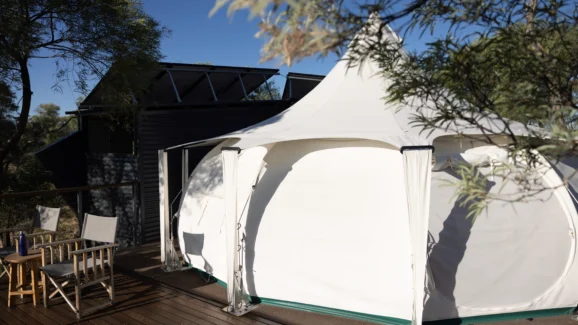
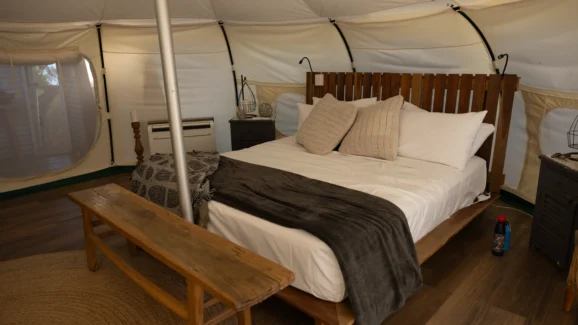
The following day we travelled two hours further west to Winton, a settlement of fewer than a thousand residents. Our base was Rangelands, a luxury glamping site set atop one of the region’s “jump-ups” — ancient plateaus of resistant rock rising abruptly from the plains. With only eight tents, it feels intimate and remote. Each has wooden floors, large double beds, air conditioning and private outdoor showers overlooking the outback.
Peter and Cecile, who own the camp, proved generous hosts. They prepared the evening meals themselves and dined with the guests, sharing stories from their adventurous lives. The food and wine were excellent, even if the vegetarian dishes were simply the main course minus the meat. Sonya, a lifelong vegetarian, began to crave protein after a few days, but the flavours were so good it was hard to complain.
One morning Peter led us on a walk around the jump-up, pointing out wallaroos and orb-weaver spiders, and explaining the region’s geology and sparse but resilient flora.
Winton is famous for two things: dinosaurs and opals. We spent a few hours in town, where Sonya found earrings in a small jeweller’s shop before we stopped for lunch at the Historic North Gregory Hotel — the archetypal outback pub, but without the barroom brawls of Crocodile Dundee.
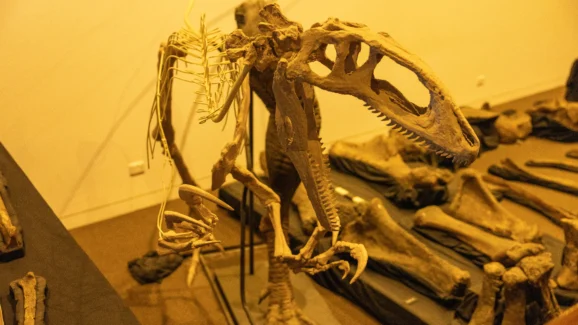
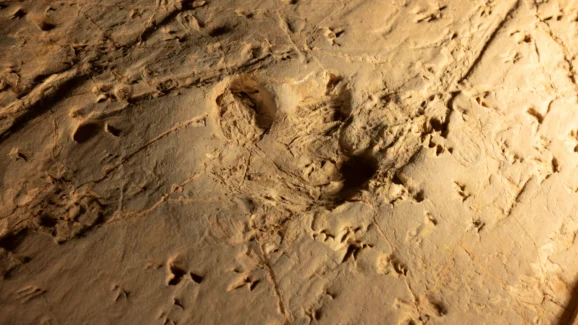
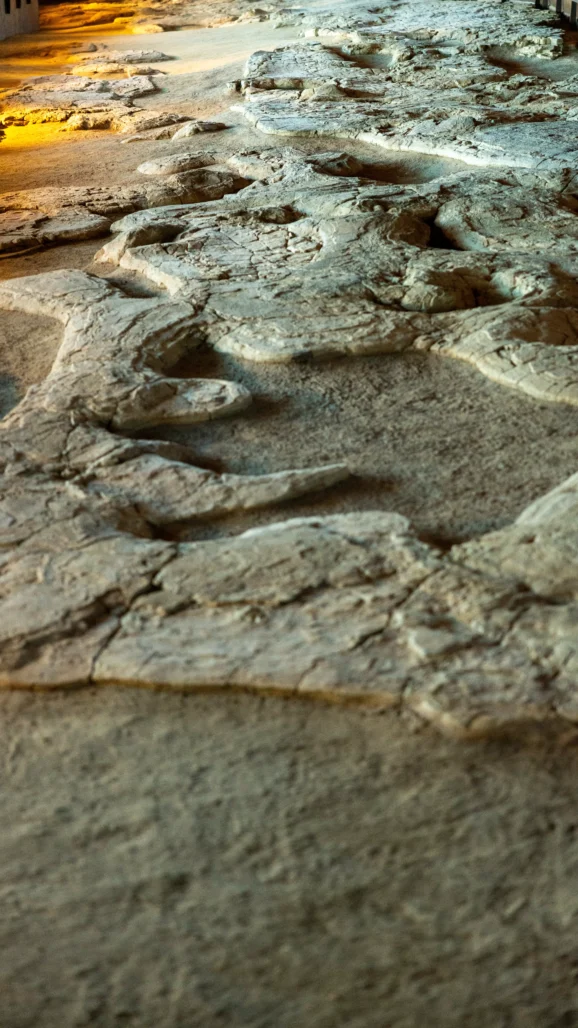
Over the next two days we joined guided tours devoted to Winton’s prehistoric past. The first took us to the Australian Age of Dinosaurs Museum, where scientists in an on-site laboratory were painstakingly revealing fossils from the rock. The second led deep into the bush to a fossilised trackway — a vast sheet of stone believed to record a stampede, as a carnivorous theropod gave chase to smaller herbivores. It is one of the most impressive sites of its kind in the world.
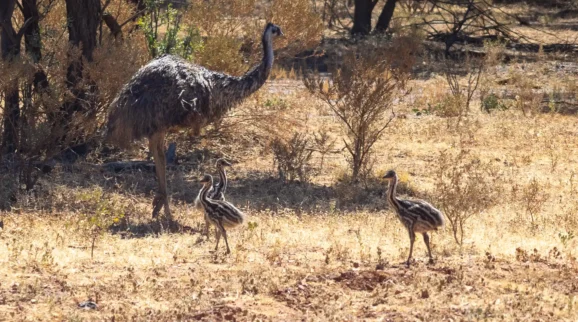
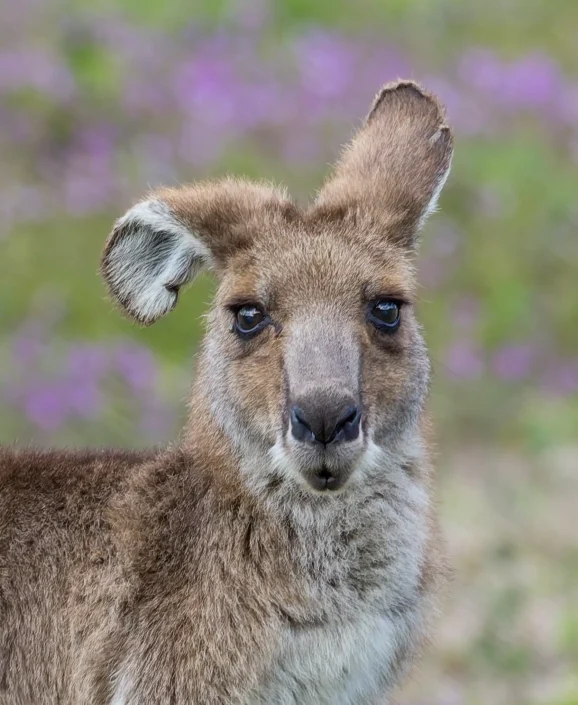
As we drove through the red landscape we saw kangaroos, wallaroos and an emu shepherding his chicks through the scrub. The guides throughout were knowledgeable but never intrusive, leaving space for the silence that is the outback’s most distinctive sound.
Want to plan your own escape to the outback?
Our journey into central Queensland proved that it’s entirely possible to experience the Australian outback without spending days behind the wheel. The Spirit of the Outback sleeper train made the long inland journey effortless, and the organised transfers at each stop meant we never needed to think about transport.
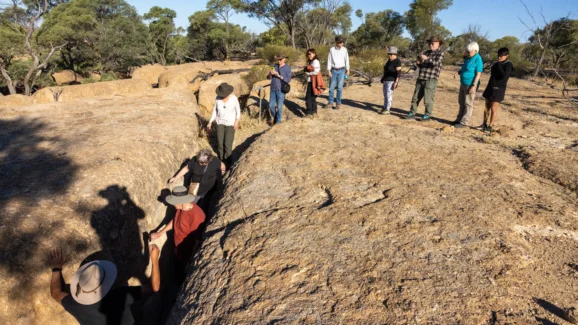
Every guide we met was knowledgeable and engaging, and both Longreach and Winton offered far more to see than we had expected. We wouldn’t necessarily return to the Stockman’s Hall of Fame, but the Qantas Founders Museum, the Thomson River cruise and the dinosaur sites were outstanding.
The accommodation in both towns — Saltbush Retreat and Rangelands Outback Camp — was excellent, and the twenty-four hours on the train were far more comfortable and enjoyable than anticipated. At Rangelands we shared meals with other guests, which worked wonderfully thanks to easy company and good food; those seeking privacy could dine separately.
There were moments when the independence of a car would have been welcome, but Sonya, who does all the driving in our marriage, was delighted to leave the wheel behind.
For travellers short on time, this combination of rail, transfers and local tours offers an ideal balance of comfort, convenience and adventure.
We flew back to Brisbane rather than take the return train to save time — though the westbound journey itself was the highlight of the trip.
If you’d like to follow the same route, the following stops and contacts are worth noting:
Spirit of the Outback – Train from Brisbane to Longreach www.queenslandrailtravel.com.au/Pages/SpiritoftheOutback.aspx
Saltbush Retreat, Longreach – Boutique accommodation close to town www.saltbushretreat.com.au
Australian Stockman’s Hall of Fame – Museum of outback heritage www.stockmanshalloffame.com.au
Qantas Founders Museum – Aviation history and aircraft tours www.qfom.com.au
Thomson River Cruises – Starlight’s Cruise Experience (BYO drinks)www.outbackpioneers.com.au/experiences/starlights-cruise-experience
Rangelands Outback Camp, Winton – Glamping on the jump-upswww.rangelandscamp.com
Australian Age of Dinosaurs Museum – Fossils and guided laboratory tours www.australianageofdinosaurs.com
Lark Quarry Dinosaur Trackways – Fossilised footprints from a Cretaceous stampede www.dinosaurtrackways.com.au
The European’s travel coverage is produced without payment or editorial control from hotels, resorts or tourism bodies unless clearly stated otherwise, allowing our writers to give honest, first-hand accounts of the places they visit.

Tim Coulson is Professor of Zoology at the University of Oxford, where he has led both the Zoology and Biology departments. He was previously at Imperial College London and has also held positions at Cambridge University and the Institute of Zoology, London. A highly decorated scientist with awards from major institutions including the Royal Society, he has edited leading journals and served on government advisory boards.
His first book for general readers, A Little History of Everything (Penguin Michael Joseph), traces the 13.8-billion-year story from the Big Bang to human consciousness and is available on Amazon.
READ MORE: ‘The dodo delusion: why Colossal’s ‘de-extinction’ claims don’t fly‘. From “dire wolves” engineered from grey wolves to bold claims of reintroducing dodos to Mauritius within a decade, Texan biotech company Colossal has drawn widespread media coverage. But Oxford biologist Tim Coulson argues that the science behind de-extinction is far more limited, and the obstacles so great that bringing back lost species may remain impossible.
Do you have news to share or expertise to contribute? The European welcomes insights from business leaders and sector specialists. Get in touch with our editorial team to find out more.
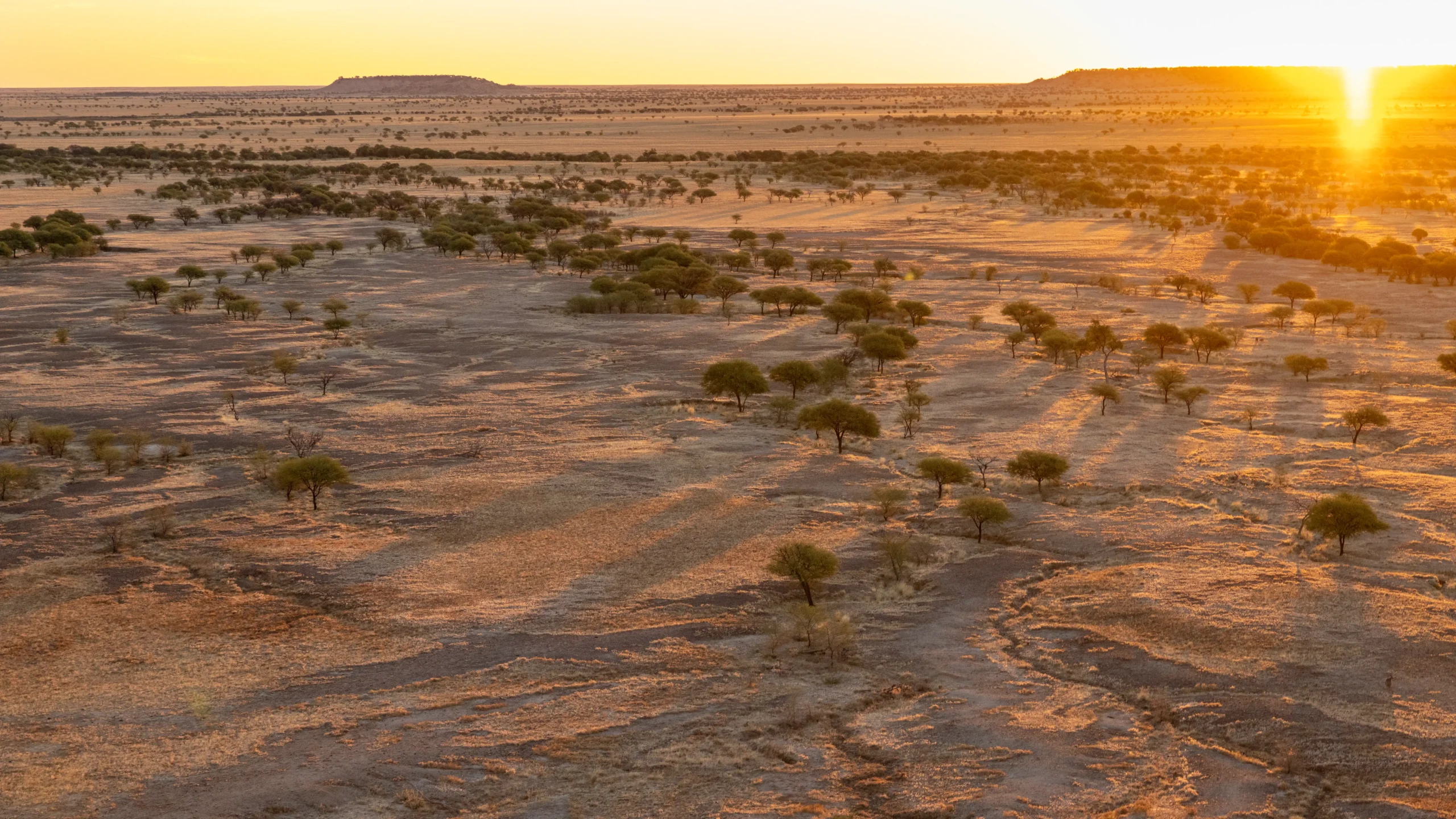
Main image: Sunset from Rangelands Outback Camp near Winton, where the central Queensland plains stretch out beneath vast skies and the region’s red-earth landscape comes into its own at dusk. All images, supplied.