As Salzburg marks the 270th anniversary of Wolfgang Amadeus Mozart’s birth, the Austrian city of music – and the setting that helped immortalise Julie Andrews in The Sound of Music – welcomes a new generation of visitors drawn by film, music and Alpine culture
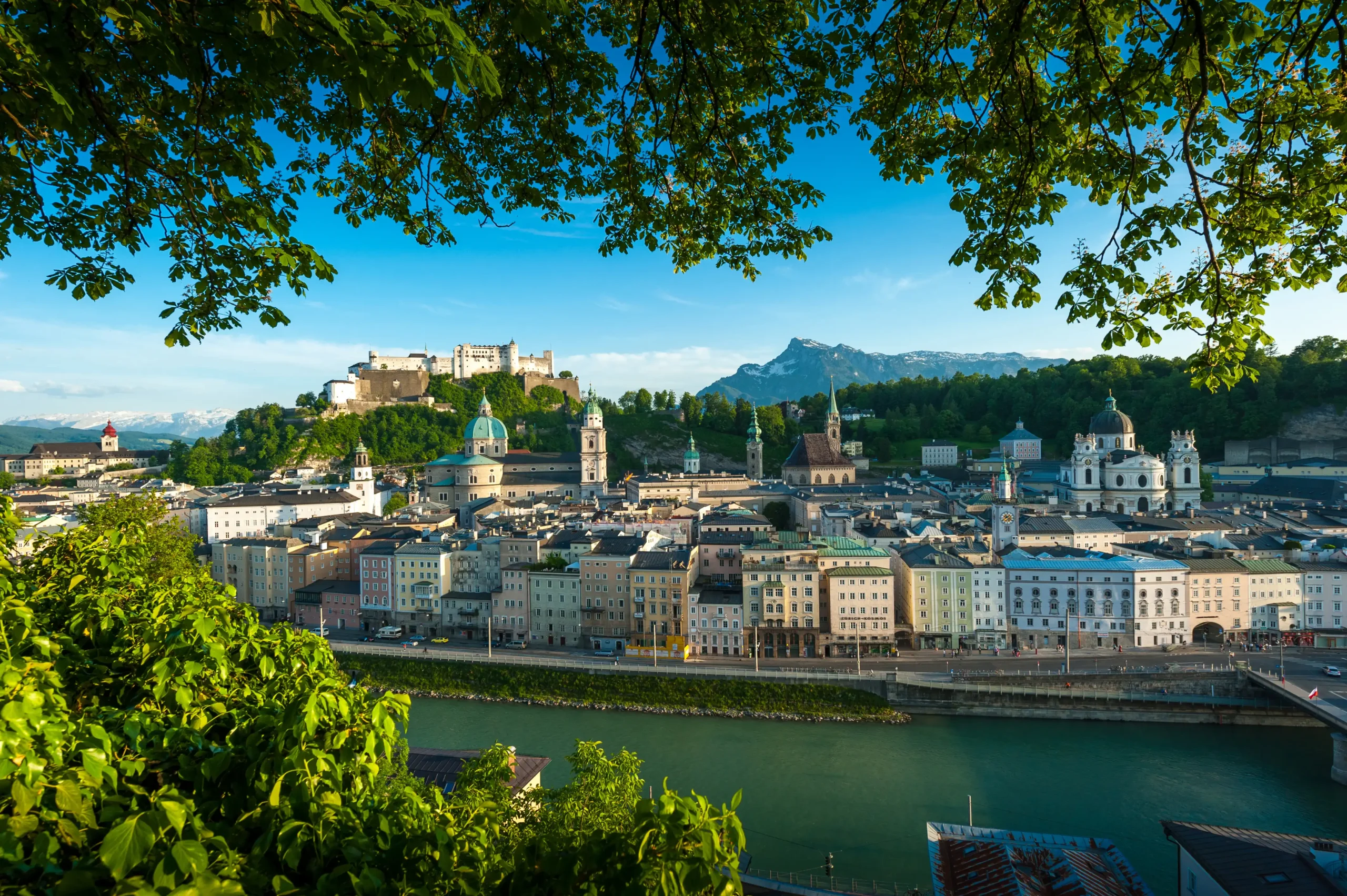
Across 2026, Salzburg is celebrating the 270th anniversary of Mozart’s birth with concerts, exhibitions and cultural events across the city. At the same time, the composer’s birthplace – and the backdrop to the beloved musical that introduced global audiences to the von Trapp story – continues to attract visitors eager to experience the landscapes, architecture and cultural traditions that made the city famous.
In this Q&A with The European, Salzburg Tourism discusses how the Mozart anniversary is being marked, how the legacy of the classic film continues to draw visitors, and how the city is strengthening its position as one of the world’s leading cultural destinations while managing tourism sustainably.
Mozart 270 marks a major cultural milestone — what are the key initiatives planned to celebrate this anniversary, and how do they reflect Salzburg’s identity today?
The 270th anniversary of Wolfgang Amadeus Mozart is an extraordinary moment for Salzburg and highlights the city’s identity as one of Europe’s most important music capitals. Throughout 2026, Salzburg will celebrate Mozart not only through concerts but through a wide spectrum of cultural experiences that bring his legacy to life for modern audiences.
Visitors can explore Mozart’s life in his birthplace in Getreidegasse and at his residence on Makartplatz, both managed by the Internationale Stiftung Mozarteum. Special exhibitions, new interpretive formats, and digital storytelling will give deeper insight into his work and personality.
Across the city, music will be performed in historic venues such as the Mirabell Palace, the Hohensalzburg Fortress and concert halls connected to the Mozarteum. Culinary and experiential formats — including Mozart dinner concerts, interactive workshops where visitors can even learn how to make the famous Mozartkugel themselves, and creative programmes for younger visitors — will ensure that Mozart’s heritage is experienced as something vibrant and contemporary rather than purely historical.
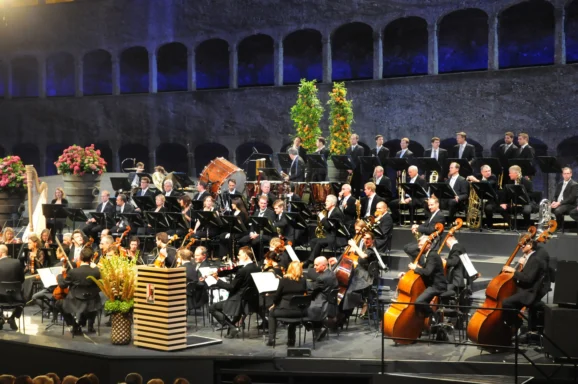
In this sense, the anniversary reflects Salzburg’s identity perfectly: a city where music, history and living tradition merge in everyday life.
How is TSG using Mozart 270 to engage new or younger international audiences who may be discovering Mozart for the first time?
For younger audiences, storytelling and accessibility are key. While Mozart’s music is timeless, the way we present it must continue to evolve. Tourismus Salzburg therefore works closely with cultural partners to develop interactive and immersive experiences that make Mozart approachable. This includes digital guides, creative workshops, and events that combine music with gastronomy, design and contemporary culture.
At the same time, visitors quickly discover that Salzburg does not only commemorate Mozart — the city actually lives Mozart. One can enjoy coffee at the historic Café Tomaselli, where Mozart himself once drank coffee, taste the famous original Mozartkugel at Konditorei Fürst, where it was invented and is still handmade today, or dine at Sternbräu, where traditional Austrian dishes such as liver dumplings — said to have been among Mozart’s favourites — are still served. Visitors can also enjoy a glass of Stiegl beer, which was already brewed in Mozart’s time.
We know many of these personal details because Mozart was an enthusiastic letter writer, and his correspondence offers fascinating insights into his daily life, humour, friendships and culinary preferences. The aim is therefore to move beyond the image of Mozart as a distant classical icon and instead show him as a fascinating human being — a musical genius, certainly, but also a witty, curious and sometimes rebellious personality. By connecting Mozart with modern experiences and authentic places in the city, we hope to inspire a new generation of visitors to discover both his music and the city that shaped him.
The Sound of Music remains one of Salzburg’s most powerful global touchpoints. How are you evolving this narrative to keep it fresh and relevant for modern visitors?
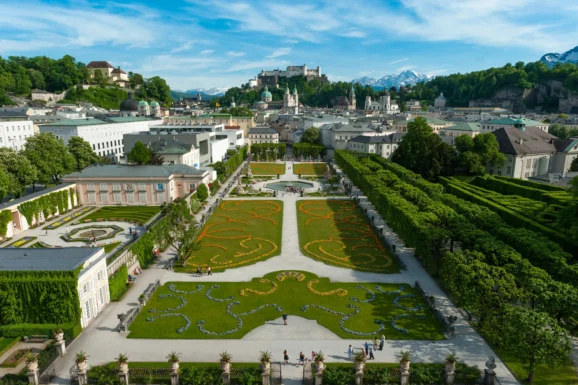
The film The Sound of Music continues to inspire visitors from around the world, and its connection to Salzburg remains remarkably authentic. Many of the locations seen in the film — from the famous Mirabell Gardens and Hellbrunn Palace, a charming Mannerist pleasure palace famous for its trick fountains and gazebo where “Sixteen Going on Seventeen” was filmed, to Kapitelplatz, Schloss Leopoldskron, and the historic streets of the Old Town — still look almost exactly as they did when filming took place more than sixty years ago. Many visitors are genuinely amazed to discover how little the scenery has changed.
To keep the narrative fresh, we are expanding the ways visitors can experience the story. In addition to classic bus tours, there are now themed walking tours with singing guides, cycling experiences such as those offered by Fräulein Maria’s Bicycle Tours, and visits to filming locations including Nonnberg Abbey, where Maria was a novice, as well as the beautiful gardens and landscapes surrounding the city.
Visitors can also engage with Salzburg’s culinary traditions through hands-on cooking classes, where they learn to prepare the famous Austrian crisp apple strudel, a beloved local dessert that is even mentioned in the song “My Favourite Things”, adding another delicious dimension to The Sound of Music experience.
Another charming way to experience the story is through performances at the Salzburg Marionette Theatre, one of the city’s most unique cultural institutions. Founded in 1913, the theatre is internationally renowned and its puppetry tradition has been recognised as UNESCO Intangible Cultural Heritage. Here, visitors can experience a delightful marionette version of The Sound of Music, bringing the beloved story to life in an intimate and enchanting way.
Looking ahead, a new Sound of Music Museum, opening in September 2026, will further deepen the storytelling and allow visitors to explore the global history of the film, its cultural impact, and its close connection to Salzburg through modern and interactive exhibitions.
What role does The Sound of Music play in shaping Salzburg’s international brand, and how do you balance that with promoting the city’s wider cultural offerings?
The Sound of Music is undoubtedly one of Salzburg’s most powerful global ambassadors. For many international visitors, it is their first emotional connection to the city. However, once people arrive, they quickly discover that Salzburg offers far more: from Mozart and the Salzburg Festival to Baroque architecture, UNESCO World Heritage status, and breathtaking Alpine landscapes. Visitors can immerse themselves in Salzburg’s historic coffee culture while also enjoying the creativity and atmosphere of modern cafés, savour traditional Austrian cuisine, experience fine dining at Michelin-starred restaurants, or explore international culinary offerings.
Art and culture are equally diverse: galleries, exhibitions, and the Walk of Modern Art provide contemporary perspectives, while Hangar-7 combines modern architecture, aviation history, and culinary experiences in a unique setting. All these modern experiences harmonise beautifully with the city’s Baroque heart, offering a dialogue between past and present that is unique to Salzburg.
Rather than seeing the film as a single defining story, we view it as an entry point into a much richer cultural experience. Visitors may come because of The Sound of Music, but they often leave having discovered Mozart, world-class opera, historic monasteries, vibrant art, and the surrounding Alpine landscapes. This combination of history, innovation, and natural beauty ensures that Salzburg resonates with every kind of visitor, from first-time travellers to returning cultural enthusiasts.
The Salzburg Festival is a global cultural institution. What themes or innovations will define the upcoming edition, and how does it support year-round tourism?
The Salzburg Festival remains one of the most prestigious cultural events in the world. From 17 July to 30 August 2026, Salzburg will once again become a global stage for opera, drama and concerts. The upcoming edition will combine great musical tradition with bold new interpretations. Highlights include Asmik Grigorian in Carmen, a futuristic staging of Ariadne auf Naxos, and the return of Philipp Hochmair as Jedermann on Cathedral Square. In the Mozart anniversary year, works such as Così fan tutte and the traditional Mozart Matinees will naturally play a central role.
Beyond the festival season itself, events like the Siemens Festspielnächte extend the experience by presenting festival highlights free of charge on a giant open-air screen on Kapitelplatz.
Yet the Salzburg Festival is only one part of the city’s extraordinary cultural calendar. Throughout the year, major events such as Mozart Week, the Salzburg Easter Festival, the Salzburg Whitsun Festival, the vibrant Jazz & The City, the magical Salzburg Christmas Market, and the contemporary circus festival Winterfest attract audiences from around the world.
With more than 4,000 events each year, culture is truly part of everyday life in Salzburg. This remarkable density of artistic activity is the reason why the city proudly carries the logo and wordmark “Stage of the World” — reflecting the idea that Salzburg itself becomes a stage throughout the entire year.
Salzburg Vision outlines long-term goals for the city’s tourism and cultural development. What are the most important priorities for the next phase?
Salzburg Vision focuses on three key priorities: quality tourism, sustainable development and balanced visitor flows. The goal is not simply to increase visitor numbers but to strengthen Salzburg’s position as a high-quality cultural destination. This includes supporting year-round tourism, encouraging longer stays and promoting experiences that connect visitors with local culture and nature.
Another priority is strengthening Salzburg’s role as an international congress and cultural destination, ensuring that tourism contributes positively to the city’s economy while maintaining a high quality of life for residents.
To enhance the visitor experience, Salzburg offers the Salzburg Card, available for 24, 48, or 72 hours. This card provides free access to all attractions and landmarks, including the fortress funicular (Festungsbahn), city cruises, the Mönchsberg lift, and “fast lane” entrances. It also includes unlimited use of public transport, making it easy for guests to explore the city and experience the full range of Salzburg’s cultural and natural offerings efficiently.
How is TSG addressing sustainability and visitor management as Salzburg continues to attract growing international attention?
Sustainability is central to Salzburg’s tourism strategy. The city’s compact size already allows many attractions to be reached on foot, and visitors benefit from an excellent public transport network.
Initiatives such as the Guest Mobility Ticket, which overnight guests receive through their accommodation, encourage visitors to use public transportation across the region.
At the same time, we work closely with cultural institutions, hotels and event organisers to manage visitor flows and promote travel during shoulder seasons. By distributing tourism more evenly throughout the year, we can maintain both a high visitor experience and a high quality of life for residents.
Salzburg is recognised worldwide as a cultural capital. How do you plan to strengthen this international positioning in an increasingly competitive global landscape?
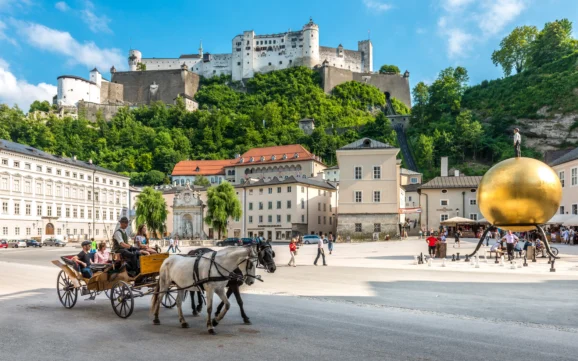
Salzburg’s strength lies in its unique combination of culture, history, and natural beauty. Few destinations offer such a dense concentration of world-class cultural institutions within such a compact and picturesque setting. Its strategic location in the heart of Europe, combined with excellent accessibility by rail and air, makes Salzburg particularly attractive to international visitors.
The city is served by Austria’s second-largest airport, offering convenient connections to major hubs such as Frankfurt and Istanbul, while high-speed rail links make it easily reachable from other European cities.
To strengthen this international positioning, we focus on three main pillars: cultural excellence, international partnerships, and strategic market development. Major events such as the Salzburg Festival continue to attract global attention, while new cultural initiatives and museums keep the destination dynamic and innovative. Among the most exciting upcoming developments are the UNESCO World Heritage Museum in the Mirabell Gardens, the Sound of Music Museum in Hellbrunn, and the Salzburg Museum with the new dependence of the Viennese Belvedere, all of which will offer modern, immersive ways for visitors to engage with the city’s history and culture.
At the same time, Salzburg is expanding its outreach to emerging international markets and younger audiences through digital storytelling, global media partnerships, and collaborative cultural projects. Ultimately, our goal is to position Salzburg not only as a historic cultural destination, but as a living cultural capital — a city where tradition and creativity continuously inspire one another.
Further information
Produced with support from Salzburg Tourism. To find out more about Salzburg, the city’s cultural programme, and the celebrations marking the 270th anniversary of Wolfgang Amadeus Mozart’s birth, visit www.salzburg.info
READ MORE: ‘Maslina Resort, Hvar – mindful luxury in the heart of the Adriatic‘. On the island of Hvar, Maslina Resort redefines five-star hospitality through its philosophy of Mindful Luxury, a blend of sustainable design, holistic wellness, and authentic Mediterranean living on Croatia’s sunniest shore.
Do you have news to share or expertise to contribute? The European welcomes insights from business leaders and sector specialists. Get in touch with our editorial team to find out more.
Main image: Salzburg’s Old Town seen from Kapuzinerberg, with Hohensalzburg Fortress rising above the city and the Alps beyond – a view that captures the city’s blend of Baroque architecture, musical heritage and mountain setting. Credit: Supplied