A routine flea and tick treatment used on millions of pets may be quietly poisoning Europe’s rivers, threatening wildlife and raising unanswered questions about drinking water safety, warns retired vet and environmental campaigner Dr Ueli Zellweger
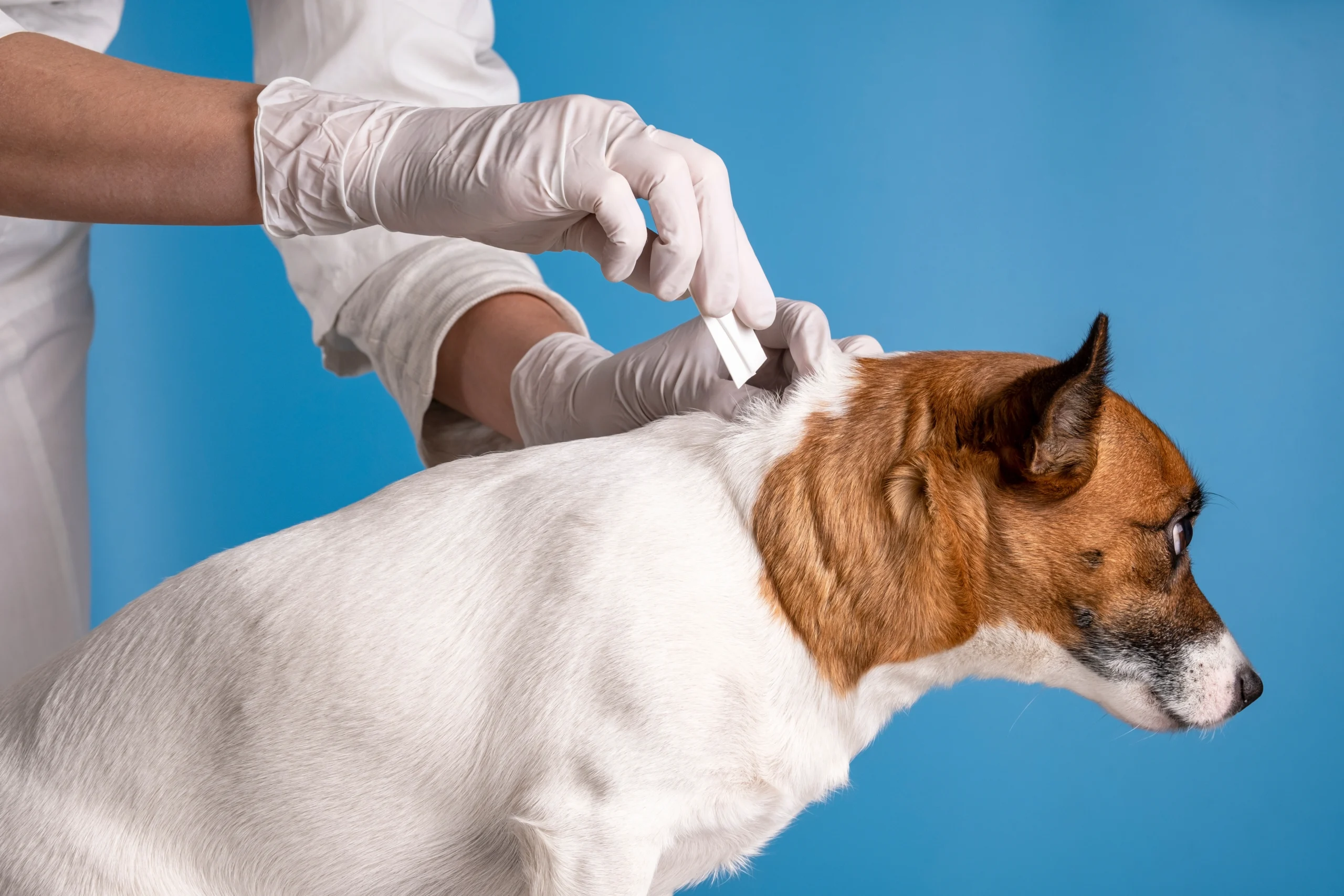
I spent much of my professional life treating animals for parasites. Fleas, ticks and lice are an everyday problem for pet owners, and for decades the veterinary answer has been simple: a small pipette of liquid placed between the shoulder blades once a month. It’s quick, effective, and prescribed routinely. Before I retired from practice, I recommended it thousands of times without a second thought.
What I did not understand then — and what almost no pet owner understands now — is that this routine treatment is releasing one of the most toxic insecticides ever developed into Britain’s rivers, streams and drinking water catchments every single day.
The chemical is called fipronil. It was banned across Europe for agricultural use in 2013 because it is extraordinarily dangerous to insect life, especially pollinators. Official assessments at the time described it as thousands of times more toxic than DDT. Yet today it is applied, legally and without warning, to millions of dogs and cats every month, washed off into household drains, shed into waterways when pets swim, and passed straight through sewage treatment works in forms that can be even more toxic than the original compound.
As a veterinary surgeon, this troubles me deeply. And as a citizen, it alarms me. As someone who has spent years watching the decline of insect life in our countryside and the collapse of aquatic ecosystems in Exmoor and beyond that once seemed resilient, I can no longer ignore the connection.
Pet owners are acting responsibly and in good faith when they use these treatments as directed. The issue lies in a regulatory blind spot that has developed largely unnoticed within the system. Under an international agreement dating back to 2000, parasite treatments for pets do not require environmental impact assessments. This arrangement has allowed a pesticide long prohibited in agriculture to continue entering the environment through routine domestic use and household drainage.
Fipronil was developed more than forty years ago and has been commercially available since the early 1990s. Chemically, it belongs to the phenyl pyrazole class of insecticides and acts as a potent neurotoxin in insects. Its effectiveness is precisely what led to early concerns about its wider environmental impact.
Those concerns centred on non-target species, particularly pollinators such as honeybees, and ultimately resulted in the 2013 European ban on its agricultural use. That ban, however, did not extend to veterinary parasite treatments, which fall under a separate regulatory framework.
As a result, fipronil continues to be applied routinely to pets. Once applied as a spot-on treatment, it does not remain fixed to the animal. It is shed gradually over the period of effectiveness, typically several weeks, and enters rivers and streams through multiple routes.
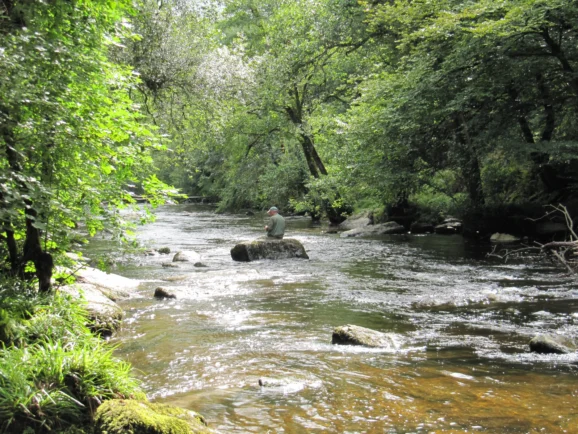
Direct exposure occurs when dogs swim in rivers or coastal waters. Less visible, but potentially more significant, is indirect exposure via household drainage. Washing pet bedding, grooming animals and routine cleaning allow residues to enter the sewer system.
Conventional sewage treatment works are not designed to remove insecticides such as fipronil. Research has shown that the compound passes through treatment largely intact. More concerning still, treatment processes can promote the formation of breakdown products known as fiproles.
Some of these fiproles, including fipronil sulfone and fipronil desulfinyl, are more persistent and in some cases more toxic than the parent compound. This means contamination downstream of sewage works may be more severe than is often assumed.
This has direct relevance for human water supplies. In the UK, up to seventy per cent of drinking water is sourced from surface waters. While water treatment facilities use methods such as activated carbon filtration and ozone treatment, there is limited publicly available evidence on how effectively these processes remove fipronil and its metabolites under real-world conditions. In Switzerland, an official report from October last year describes Fipronil as the most toxic and frequently found pesticide. In 2022, tests on all six of its rivers found serious contamination, with readings exceeding safe limits — particularly in stretches downstream of sewage treatment works.
Once in the environment, fipronil degrades slowly in water and sediment. Its half-life can extend to several months, and residues tend to accumulate in surface sediments where aquatic insects live and reproduce.
These insects form the base of freshwater food chains. Their decline affects fish such as salmon and trout indirectly, as well as amphibians, reptiles and bird species that depend on them as a food source. Bioaccumulation has been observed in fish, meaning residues can build up in tissues over time.
There is also evidence of less obvious exposure pathways. Studies have shown that birds using the hair of treated dogs or cats as nesting material can experience reduced reproductive success, with eggs failing to hatch or chicks failing to develop normally.
Some licensed veterinary products combine fipronil with additional compounds such as methoprene or pyriproxyfen, which act as juvenile growth regulators and disrupt hormonal systems in insects. These substances have been shown to affect juvenile fish and insects at multiple life stages, yet comprehensive environmental assessments of their combined effects are difficult to find.
The continued environmental presence of fipronil may seem surprising but it is the unintended outcome of poor regulatory design. Under existing international agreements, veterinary parasite treatments are exempt from formal environmental impact assessments, even where they contain substances banned in agriculture.
The scale of use compounds the issue. Hundreds of fipronil-based veterinary products are licensed in the UK and are widely available without prescription. They are sold in a range of retail outlets, often with minimal on-pack warning about environmental risks.
Product leaflets typically advise keeping dogs out of water for forty-eight to seventy-two hours after application. However, evidence suggests that fipronil continues to be shed into the environment for the entire period it remains active on the animal, far beyond this initial window.

Parasite control is sometimes necessary, of course, but alternatives to fipronil do exist. Natural products based on essential oils have been available for many years, and oral treatments that do not wash directly into waterways are also used. While these options are not without limitations, they do not result in the same direct release of insecticides into rivers and streams.
Ultimately, this is a regulatory issue. Pet owners can begin by asking informed questions and declining treatments containing fipronil or similar compounds where alternatives are appropriate. Veterinary advice remains essential, but greater transparency is needed.
More fundamentally, products that introduce highly toxic insecticides into the environment should be subject to environmental assessment, regardless of whether they are used on crops or on pets. At the very least, such treatments should be prescription-only. Many would argue they should be phased out entirely, as they already have been in agriculture.
A pesticide considered too dangerous for fields and farmland should not be entering Britain’s waterways through routine pet care.

Dr Ueli Zellweger is a retired Swiss veterinary surgeon and environmental campaigner. Born in 1950, he studied Veterinary Medicine at the University of Zürich, completing a PhD in virology in 1976. He went on to join — and later lead — a large mixed practice, combining clinical expertise with a deep commitment to rural life that drew frequent comparison with the world of James Herriot. Alongside his veterinary career, he undertook ministerial responsibilities that broadened his public and civic engagement.
Since settling in Exmoor National Park in south-west England twenty years ago, he has devoted increasing attention to ecological stewardship and river conservation. He manages three river beats widely regarded among the finest in the park and is an active advocate for freshwater health and biodiversity. His interests include fly fishing, river fly monitoring, horse riding, cycling and hiking across Exmoor’s moorland landscape, usually accompanied by his two pedigree English Pointers.
READ MORE: ‘China’s Yancheng sets a global benchmark for conservation and climate action‘. From endangered cranes to reintroduced deer, Yancheng’s wetlands on China’s Yellow Sea coast have become both a World Heritage sanctuary and a stage for global climate debate. Reporting from the World Coastal Forum, our editor-at-large, Stanley Johnson, reflects on the region’s extraordinary biodiversity — and the political will driving its protection.
Do you have news to share or expertise to contribute? The European welcomes insights from business leaders and sector specialists. Get in touch with our editorial team to find out more.
Main image: Shutterstock