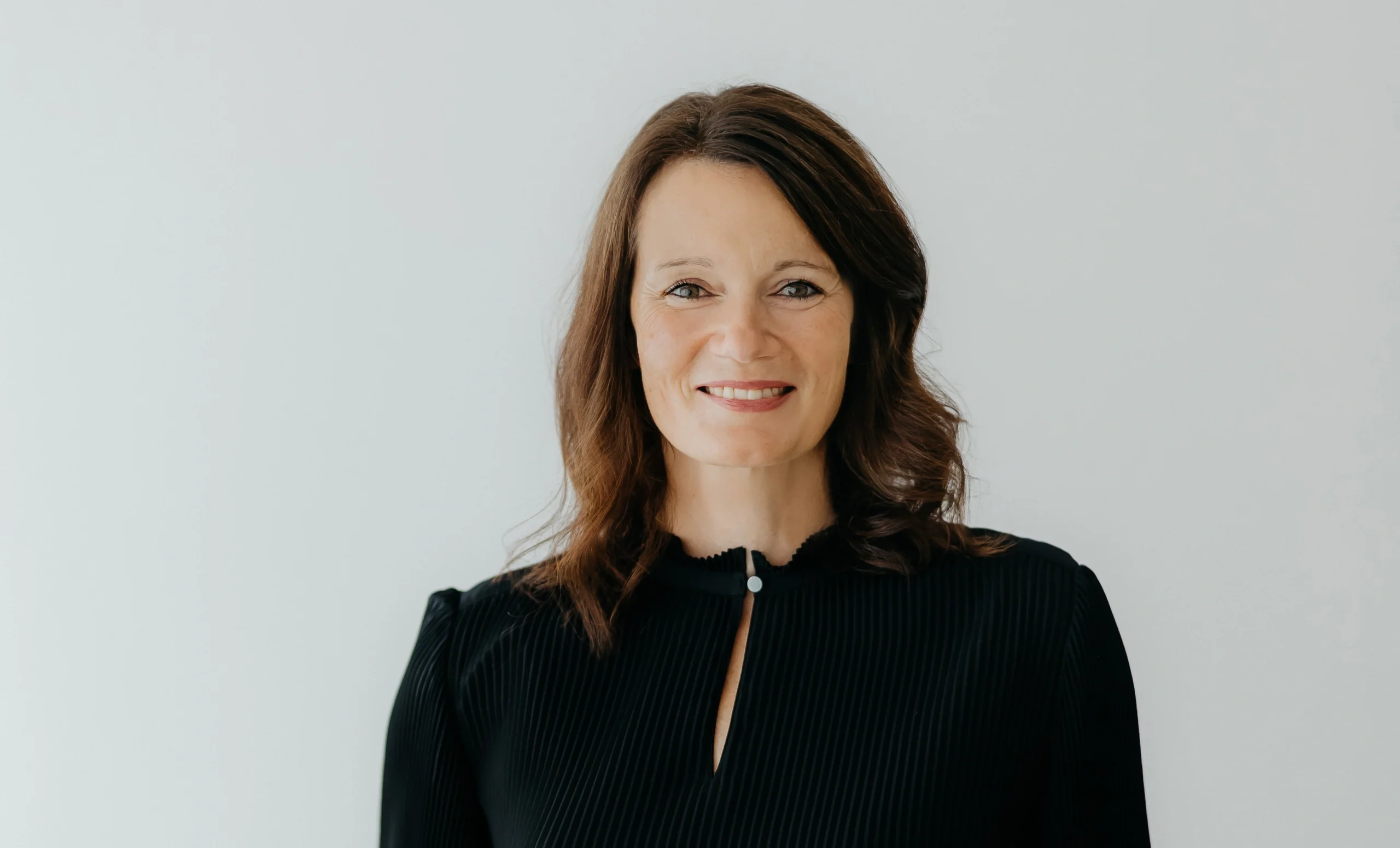
One of the world’s leading radiologists, Professor Dorothy Ibifuro Makanjuola, has called for urgent action to end the stigma surrounding male breast cancer, warning that lack of awareness and late diagnosis are costing lives. In conversation with The European, she explains why men must be part of the fight — and how simple vigilance could save thousands
Male breast cancer is still “overlooked, under-discussed and diagnosed too late” because too many men feel embarrassed to seek help or even admit the disease exists, according to one of the world’s leading radiologists.
Professor Dorothy Makanjuola, the Director of Women’s Imaging at the Women’s Hospital in King Abdul Aziz Medical City, Riyadh, warns that awareness campaigns and medical training must finally give it the same attention as women’s breast cancer.
In an interview with The European, she said hundreds of men each year are dying unnecessarily from a disease that is still widely perceived as a women’s illness. “Our males are dying because they are not diagnosed early,” she said. “And this is wrong.”
While breast cancer in men accounts for roughly one per cent of all cases, the consequences of late diagnosis are often fatal. Each year, around 390 men in the UK and nearly 2,800 in the United States are diagnosed; most are treated only once the cancer has advanced. Makanjuola said the gendered perception of the disease prevents men from recognising symptoms and deters them from seeking help. “They feel embarrassed because it’s not widely known,” she added. “But awareness, awareness, awareness — and you’ll find it’s like any other cancer.”
Speaking to Juliette Foster, Makanjuola called for a change in public messaging to include men in breast-cancer awareness campaigns, suggesting that the familiar pink ribbon be replaced with a combined pink-and-blue symbol. “When people ask why you’re wearing pink and blue, you can say it affects men too,” she explained. “You don’t want to give the wrong impression that this is exclusively female.”
Makanjuola, who holds an MBBS from the University of Ibadan and postgraduate radiology qualifications from Edinburgh and London, said both genetic and lifestyle factors contribute to risk. Excess oestrogen, whether from hormonal imbalance, obesity, alcohol, liver disease, or the genetic disorder Klinefelter syndrome, increases vulnerability, as does a family history of breast or ovarian cancer linked to the BRCA2 gene.
She added that awareness must extend beyond the public to medical professionals themselves. “Medical knowledge is so wide — it’s difficult to know everything,” she said. “Some general practitioners may not recognise the symptoms because it’s so rare.” For that reason, she believes male breast cancer should feature more prominently in GP training and continuing education to reduce delays in referral and treatment.

Currently, there is no routine screening programme for men, a gap she described as a serious weakness, since self-examination is often the only line of defence. “Men checking their breast tissue is even more important than for females because they don’t have any screening programme,” she said. “We rely entirely on them to check themselves monthly.”
She advised men to look for changes in the nipple, chest wall, and armpit — including lumps, discolouration, or discharge — and to seek medical advice immediately if abnormalities persist. Older men, she said, face the highest risk, and those with BRCA2 should be offered regular screening.
Emerging technologies may also improve early detection. Makanjuola highlighted ongoing research into AI-powered ultrasound imaging and so-called “liquid biopsy” techniques capable of detecting molecular traces of cancer in the bloodstream. Such methods, she said, could one day bridge the diagnostic gap for men who currently fall outside national screening frameworks.
She also urged survivors to play a central role in raising awareness, arguing that their voices could reach sceptical or reluctant audiences. “Male breast-cancer survivors would be the best advocates,” she said. “If they join in the awareness, men will be convinced that they should take care.”
Despite the challenges, Makanjuola remains hopeful. “Start with pink-and-blue ribbons and you’ll be surprised how many people will ask why,” she said. “The more we talk about it, the closer we get.”
Watch the full interview with Professor Dorothy Makanjuola on The European’s YouTube channel.
READ MORE: ‘The simple checks every man should do for breast cancer’. Men can and do develop breast cancer, but late diagnosis means they face worse survival rates than women. Raising awareness and encouraging self-examination are crucial, writes Professor Dorothy Ibifuro Makanjuola.
Do you have news to share or expertise to contribute? The European welcomes insights from business leaders and sector specialists. Get in touch with our editorial team to find out more.