Mergers and partnerships drive Africa’s mining boom – but experts warn on long-term resilience

John E. Kaye
- Published
- News
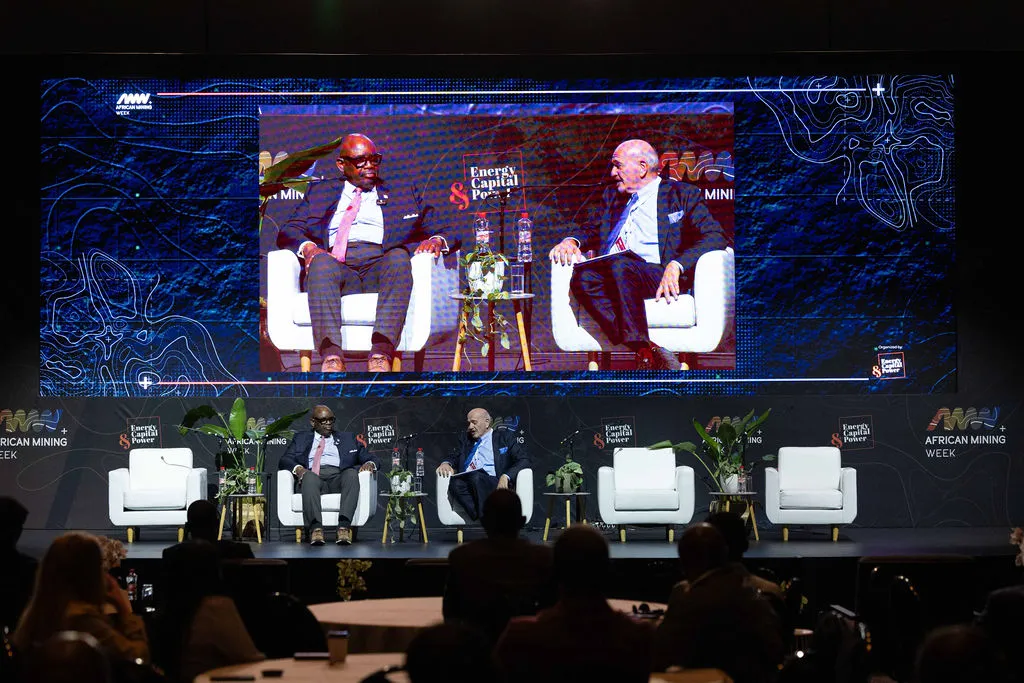
Industry leaders at African Mining Week 2025 warned that while mergers and acquisitions are reshaping Africa’s mining sector, long-term resilience, stronger legal safeguards, and social responsibility will be vital to sustain growth across the continent’s resource economies
A new wave of mergers, acquisitions and joint ventures is reshaping Africa’s mining industry, as companies seek scale, efficiency and stronger bargaining power in some of the world’s most resource-rich but high-risk markets.
At African Mining Week 2025 in Cape Town, a panel of legal and investment specialists said consolidation was fuelling growth across the sector, but cautioned that resilience and regulatory foresight were essential for long-term success.
According to Jude Kearney, Managing Partner at Africa-focused law firm ASAFO & Co., mergers often deliver efficiency gains and local benefits but can leave gaps when the acquirer fails to continue an acquired company’s community or operational commitments.
Zach Kauraisa, Head of Advisory at Namibian private equity firm Eos Capital, said much of the continent’s M&A activity is driven by the need to unlock synergies by cutting costs and improving revenues. In high-risk jurisdictions, he noted, consolidation can also give mining companies a more stable base and a stronger economic presence.
“In Africa’s high-risk jurisdictions, consolidation can also strengthen a company’s footprint, making it a larger contributor to government tax revenue, a bigger employer, and a more significant economic player in the host country,” he said. The result, he added, is improved negotiation power and a stronger “social licence to operate”, as well as greater capacity to reinvest in local economies.
David Roney, Chief Executive Officer of the U.S-based global law firm Sidley Austin, said the trend towards consolidation could also raise environmental, social and governance standards across the sector, particularly where larger firms acquire smaller ones. “Securing a strong social license to operate remains one of the most effective risk mitigation strategies available to mining companies,” he said.
Roney added that companies should back strong ESG credentials with legal safeguards such as investment-treaty protections, host-government agreements with stabilisation clauses, and adherence to international law, all of which can help mining groups manage political and regulatory risk.
He also pointed to growing regulatory scrutiny of cross-border investment as a factor likely to shape future deals. “We expect to see similar dynamics unfold in Africa, given the continent’s significant critical mineral reserves,” he added. “This could create a more complex investment environment.”
Kauraisa said tensions remained between governments and miners over local beneficiation — the requirement to process raw materials domestically rather than export them. “As governments increasingly call for greater in-country beneficiation, their participation in funding infrastructure makes these initiatives more viable and attractive for mining companies,” he said.
The discussions formed part of African Mining Week, organised by Energy Capital & Power, which took place in Cape Town from 1–3 October alongside the African Energy Week: Invest in African Energies 2025 conference.
READ MORE: ‘Cooper Pharma marks 90 years with expansion drive to deliver affordable medicines across Africa and the Middle East‘. Marking its 90th anniversary, Cooper Pharma says its transformation from a Moroccan pioneer into a diversified international group is aimed at cutting costs, creating jobs and strengthening health security while widening patient access to affordable and innovative treatments.
Do you have news to share or expertise to contribute? The European welcomes insights from business leaders and sector specialists. Get in touch with our editorial team to find out more.
Main image, courtesy African Mining Week/Energy Capital & Power
TOP STORIES
-
 Housing costs hit recruitment at 77% of large London firms, survey finds
 -
SpaceX to launch one-tonne orbital factory for European space firm in 2028
-
Estonia’s e-residents launch more than 4,200 companies as business creation jumps 36%
-
Small business bank lending falls £27bn in three years as nine-in-10 areas see decline
-
Europe’s healthcare sector lags on AI uptake – but leads once it starts using it
-
Stranded drivers could soon call for help even with no mobile signal
-
NASA backs space ‘air brake’ that could cut years off missions to Uranus and Neptune
-
MPs and peers call for UK ban on AI that could evade human control
-
France orders €1.3bn in extra cuts as growth falls behind European neighbours
-
Bioweapons research, Russian-linked spies, guided rockets and cyber-attacks on Europe used Claude AI, Anthropic reveals
-
Cadbury Takes a Break as KitKat tops Britain’s social media sweet rankings
-
European network alliance doubles in size as digital sovereignty drive accelerates
-
European insurance giants join New York summit on future of AI
-
Oxford leads £10m international study as resistance threatens new TB treatments
-
Inside the world’s wildest new mini golf course with caves, 13ft waterfalls… and sharks
-
Apple’s new boss bets £1,999 on first folding iPhone
-
‘Double delight’ as rare red pandas born at Whipsnade Zoo
-
This Japanese ski resort has just been named the world’s best place for seasonal work
-
Nearly 4m Londoners experienced mental health challenges last year, study finds
-
Card fraud accounts for more than one-in-three UK identity fraud cases
-
Breast cancer campaigners target Burnham at PMQs over £20m research fund
-
Europe leads world in quantum research despite deep industry scepticism
-
Australia plans social media algorithm ‘off switch’ in move Europe could follow
-
European central banks move gold out of U.S as 'geopolitical risks' mount
-
Volkswagen plans another 50,000 job cuts in sweeping overhaul