Boeing advances autonomous flight capabilities in the UK

John E. Kaye
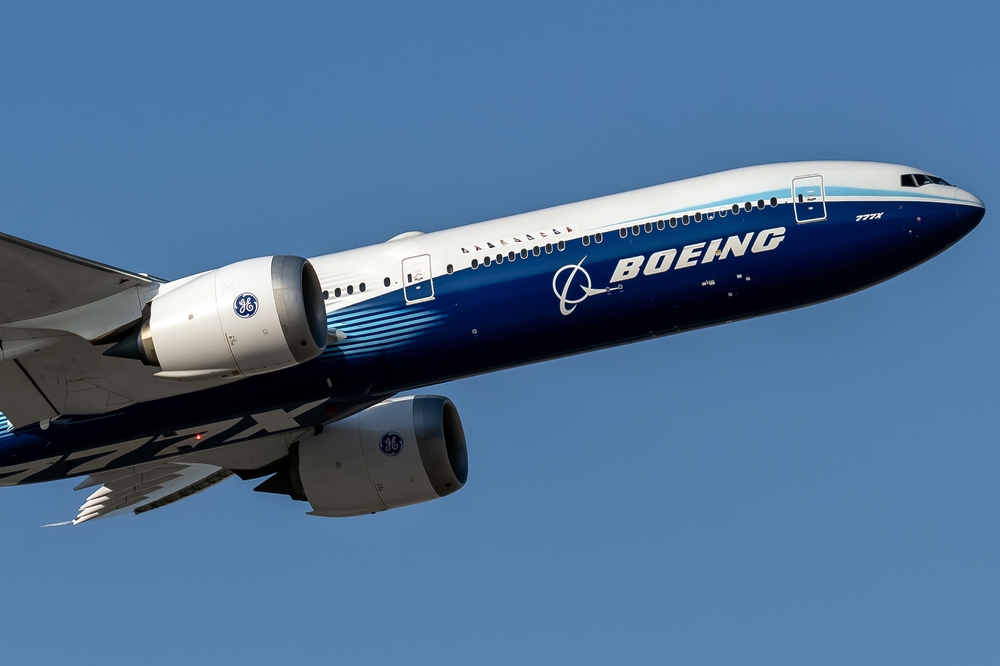
Boeing, a global leader in aerospace technology, has achieved a significant milestone in autonomous flight trials
The company successfully completed the second phase of testing for Uncrewed Aerial Vehicles (UAVs) in the United Kingdom. This achievement marks a crucial step toward enhancing military capabilities and shaping the future of autonomous collaborative platforms.
During the trials, Boeing deployed four fixed-wing Albatross UAVs. Their mission? To detect and jam a radio frequency emitted by an enemy target. Each UAV was equipped with advanced mission systems, including multispectral machine vision and novel search algorithms. These technologies allowed the UAVs to respond intelligently to their environment and collaborate seamlessly with each other.
Phase two of the trials introduced a game-changing capability: autonomous platform-to-platform teaming. This innovation enables the UAVs to work together effectively, extending their reach and improving target identification. By leveraging this technology, Boeing aims to create low-cost Air Launched Effects (ALEs) that can operate alongside crewed platforms.
As defense forces worldwide embrace autonomous and AI technologies, Boeing’s test program becomes pivotal. The successful completion of Phase 2 UAV testing demonstrates the feasibility of collaborative autonomous platforms. These platforms could play a crucial role in future defense operations, enhancing situational awareness, response times, and overall effectiveness.
Steve Burnell, managing director of Boeing Defence UK, emphasised the significance of these trials: “This innovative test program could be the cornerstone of future autonomous collaborative platforms in the UK.”
With a workforce of 4,000 and growing in the UK, Boeing remains committed to economic growth, sustainability, and community impact. The company’s contributions extend beyond technological advancements—they shape the future of aerospace and defense.
TOP STORIES
-
 France calls in army after riots sweep cities
 -
An Italian affair – Stanley Johnson takes London's society set on the Silk Road
-
Himalayan mountainside moved 40cm before avalanche killed 1,451 in Nepal, scientists reveal
-
Scientists and engineers quitting jobs as AI changes roles ‘beyond recognition’, study finds
-
UK profit warnings hit near two-year high as businesses struggle with rising costs
-
Microsoft pulls out of major UK AI data centre project amid power grid delays
-
Russia takes control of more European corporate assets amid Ukraine tensions
-
EU leaders resist calls to delay carbon rules as energy costs soar
-
‘A big step forward’ – PM Andy Burnham hails plans for Great British Railways HQ in Derby
-
UK economy grows just 0.1 per cent as construction falls and services stall
-
Germany risks losing €155bn a year under tighter AI data rules, new study warns
-
Pope Leo XIV diagnosed with lung cancer after surgery in Rome
-
France faces freezer meltdown as hackers strike supermarket chains
-
Bumble shares soar 50% amid $1bn takeover talks
-
China slump drives Volkswagen to sharpest quarterly fall in more than four years
-
Hollywood mega-powerhouse created as Paramount completes Warner Bros Discovery takeover
-
Gamers face gridlock as latest Grand Theft Auto download 'nears two days'
-
Samsung profits soar ninefold to record £61bn amid AI chip boom
-
New Springer books put the UN’s struggling sustainability goals to the real-world test
-
Europe’s solar boom set for two-year slowdown after record growth
-
Let it pea. Musicians turn vegetables into instruments at Beatles' Abbey Road studios
-
Golden naked Trump statue unveiled at European Parliament
-
Jaguar puts controversial rebrand on the road with £130K 1,030PS Type 01
-
Deepfakes and identity fraud drive new wave of post-hire background checks
-
Spain crowned Europe’s top retirement destination