How to be fit for digital in the age of disruption

John E. Kaye
- Published
- Home, Technology

Digital disruption has become a defining theme of the 21st century. Across every industry, boundaries are being torn down as hyperconnected technology redefines the limits of what is possible. Think of the fact that Uber, one of the fastest growing taxi companies worldwide, owns no cars, while hospitality behemoth Airbnb owns no hotel rooms. The divisions between long-established vertical markets are blurring, as organisations use emerging technologies in new ways.
Digital disruption in itself is not a negative force, but it is an unstoppable one. In fact, we’re living in a golden age of opportunity for all kinds of businesses, but what’s vital is how these companies approach digital. Ultimately this will determine who survives and who thrives in the digitally disrupted landscape.
In the ‘Fit for Digital’ report, Fujitsu has conducted research with business leaders in Europe and worldwide, exploring their view of digital disruption and its impact on the future of their organisation. This article will explore what digital disruption really means, the challenges businesses are facing and how organisations can secure their future success in an age of rapid digital change.
Digital disruption is the new normal
It’s becoming clear that the world has changed and there is no going back. For the majority of organisations, digital disruption is no longer an impending concern but the new normal. Every industry, and almost every business, has been affected. Nine out of ten (93%) of the business leaders that surveyed say that digital has disrupted their sector, with 98% saying the same of their own business or organisation. It seems clear that the number of organisations left unaffected by digital disruption is rapidly shrinking.
However, as could be expected, digital disruption means different things to different people, likely shaped by the specific circumstances of organisations and sectors. When asked to specify what digital disruption means to them, more than a third (37%) of business leaders answered that it was about the transformation of business models and revenue streams – signifying the fundamental impact that disruption can have on a sector. Around a quarter said the same of business operations and processes, while slightly fewer C-suite leaders pointed to the transformation of customer relationships and services. While the specifics vary, it’s clear that digital is one of the defining factors in transforming the way in which businesses operate.
But while technology has enabled change, it is not the catalyst for disruption. For many leaders, the disruption they are facing is the result of customer demand. For almost half of respondents (45%), customers are seen as the most influential force outside of their organisation driving their response to digital disruption. Customers’ expectations have clearly moved on as digital technology has proliferated, and business leaders are aware of the need to keep up.
While disruption has been the key phenomenon of the last decade, it’s clear that the change is far from over. Almost all business leaders (97%) expect to see further disruption in their sector with 75% believing their sector will fundamentally change by 2021. And crucially, leaders acknowledge that not every business will survive amid the changes to come without significantly evolving. More than one in two leaders believe that their organisation will not exist in its current form by 2021.
A new speed of innovation
The pace and scale of digital disruption is creating a whole new speed of innovation, which means organisations need to change faster in order to remain relevant. One of the factors fuelling this high octane environment is the changing nature of the competitive ecosystem, caused in itself by digital disruption. This is clear from the fact that although one in three (32%) business leaders say that digital disruption in their sector is being driven by an established industry player, an almost identical proportion say that it is as a result of an established organisation entering the market from outside.
It’s clear that the competition is not only becoming more fierce, but more diverse as well. Organisations of all sizes are faced with not only out-innovating their traditional competition, but keeping pace with new challengers from adjacent industries. As a result, it’s perhaps not surprising that more than two thirds (67%) of business leaders wish their own company could move faster in response to digital disruption.
The majority of organisations have already taken steps to try to safeguard their long-term success. The most common steps taken by companies are investment in new technology (61%), a change to business strategy (55%) and investment in new talent and skills (47%). This in itself reveals the wide-ranging impact of disruption on businesses, going beyond technology alone. Nonetheless, 92% of business leaders believe that their organisation must evolve still further to thrive in a digitally disrupted landscape. Organisations should therefore consider a wholly new approach to innovation to ensure their future success, which involves not only new technology, but new ways of working.
The importance of co-creation
Success in the current business landscape is not about technology alone. In the age of digital disruption, winning is actually all about ideas and relationships. Partnerships between businesses and technology providers can bring together previously unconnected areas of expertise to develop new solutions that use the latest technology. This is the principle of co-creation and the possibilities are extensive. For example, at Fujitsu we are working with logistics specialist DHL to develop uniforms for the emergency services that use the Internet of Things; this can monitor the safety of officers and track equipment in the field. Co-creation enables the delivery of innovation at scale and speed, providing the agility organisations need in the fast-changing landscape.
This is something that businesses on the ground are already recognising. When asked what factors might make them feel more confident in their organisation’s ability to thrive in a digitally disrupted world, half (49%) see great benefit in finding the right technology partner to help shape their response. Co-creation isn’t only a confidence booster; for more than a third of respondents (38%) it is an essential capability for any organisation that wishes to thrive in the digitally disrupted marketplace. Indeed, more than two thirds of leaders say that partnering with third party technology experts will be essential to their ability to thrive in the future.
There is little to suggest that the changes of the last decade are slowing down; in fact, rapid and radical change seems to define business in the 21st century. Thriving in this new world goes beyond technology. Digital disruption means that organisations need to learn fast, act quickly and scale rapidly to stay ahead. It will be their digital strategies that determines which organisations succeed in the coming decade. Co-creation offers incredible possibilities and solutions that can be delivered at speed. We are living in an age of opportunity, and businesses must collaborate to realise it.
About the author
Duncan Tait is Head of Americas and EMEIA at Fujitsu.
Further information
The report ‘Fit for Digital’ can be found at: www.fujitsu.com
TOP STORIES
-
 NHS begins world's biggest AI breast cancer screening trial involving 700,000 women
-
World's robotics leaders to gather in Germany in race to put AI to work
-
The AI governance gap is a leadership problem: waiting won’t close it
-
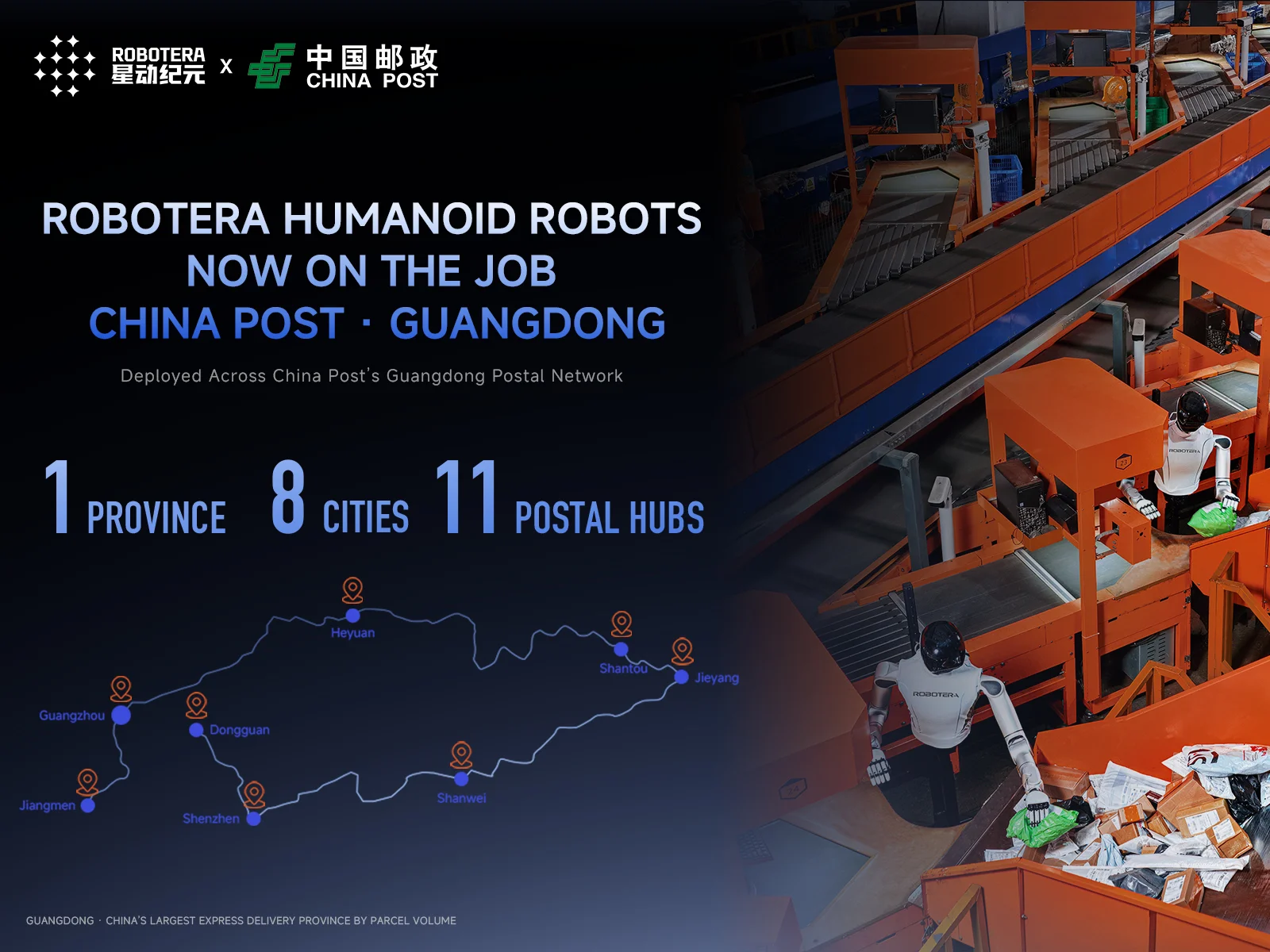
First class delivery: China's postal service puts humanoid robots to work across eight cities
-
AI set to transform university librarians' jobs as 95% predict surge in demand
-
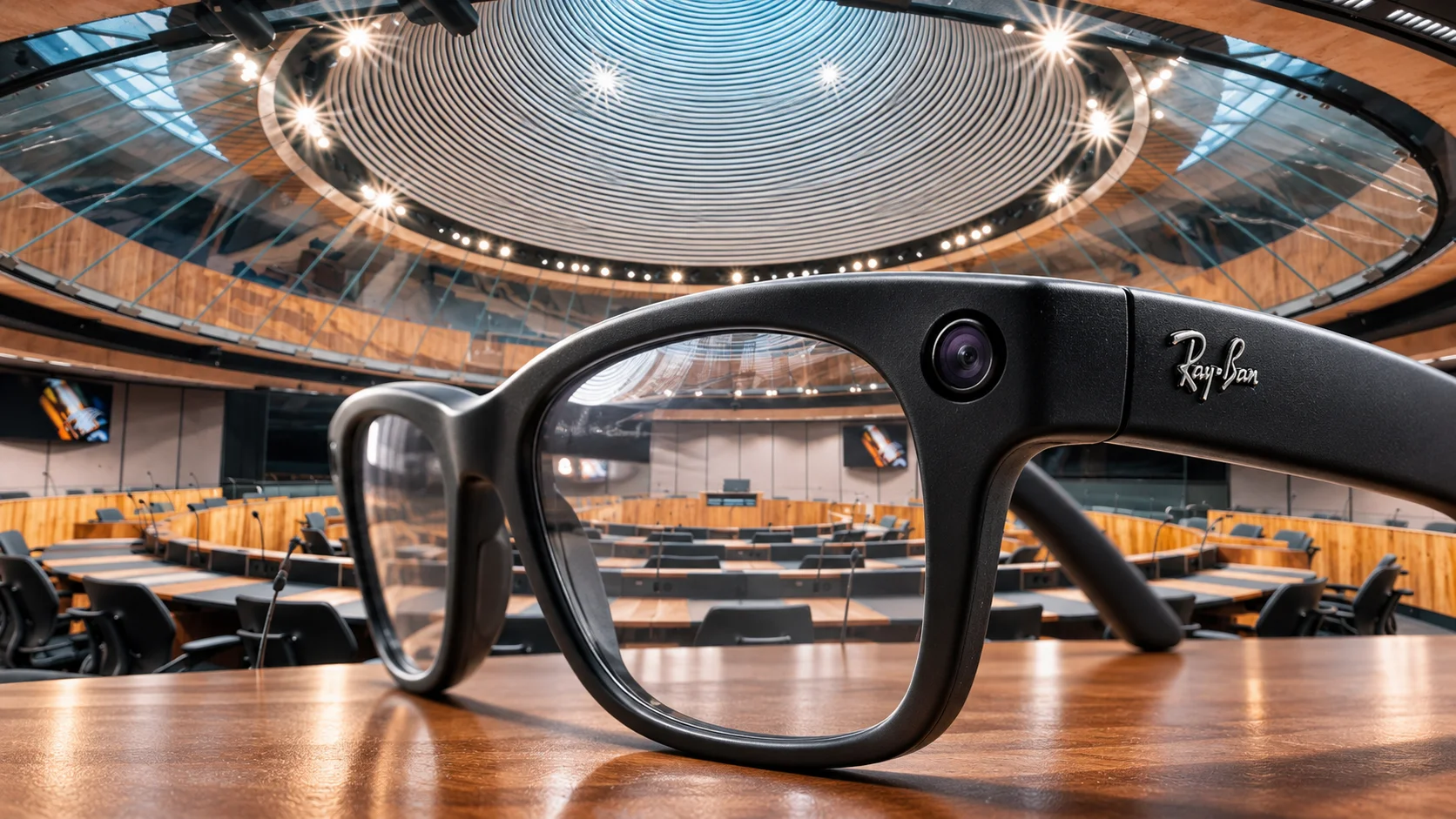
Specs appeal: Welsh Parliament bans smart glasses
-
UK and European experts demand tougher AI laws as Australia considers criminal penalties after OpenAI breach
-
Nvidia hires top US lawyer to investigate CEO's alleged affair with Chinese spy
-
Why Airbnb and Uber take off in some cities but flop in others, according to scientists
-
European entrepreneurs trust AI firms more than governments as four-in-10 look beyond Europe
-
Bosses warned of ‘AI blind spot’ as workers risk taking company secrets when they quit
-
Scientists grow world's largest diamond crystal in breakthrough that could stop AI chips overheating
-
Costa Rica's medtech bet: from making devices to engineering them
-
Infront hires Deutsche Börse data expert Jeff Caldwell as AI transforms financial markets
-
US rocket firm plans Scottish launches in bid to revive failed Highland spaceport
-
Britain launches first major study into ‘forever chemicals’ lurking in our bodies
-
Scientists close in on mysterious ‘zeptoverse’ after 40-year hunt for ultra-rare particle
-
Bahrain lands $3.9bn investment deal with DHL, AirAsia and hotel giant Meliá
-
AI could 'help pharmaceutical companies spot clinical trial problems before they escalate'
-
Anthropic warns AI could pose ‘existential risks’ as it files for stock market flotation
-
North Korean agents are infiltrating Western businesses by posing as employees, security chief warns
-
Hackers could bring Britain’s essential services to a standstill, security chief warns after global website shutdowns
-
We’re talking to almost twice as many people on the phone as a decade ago, study finds
-
Scientists and engineers quitting jobs as AI changes roles ‘beyond recognition’, study finds
-
Deepfakes and identity fraud drive new wave of post-hire background checks





















How to be fit for digital in the age of disruption
John E. Kaye
- Published
- Home, Technology
TOP STORIES
-
NHS begins world's biggest AI breast cancer screening trial involving 700,000 women
-
World's robotics leaders to gather in Germany in race to put AI to work
-
The AI governance gap is a leadership problem: waiting won’t close it
-
First class delivery: China's postal service puts humanoid robots to work across eight cities
-
AI set to transform university librarians' jobs as 95% predict surge in demand
-
Specs appeal: Welsh Parliament bans smart glasses
-
UK and European experts demand tougher AI laws as Australia considers criminal penalties after OpenAI breach
-
Nvidia hires top US lawyer to investigate CEO's alleged affair with Chinese spy
-
Why Airbnb and Uber take off in some cities but flop in others, according to scientists
-
European entrepreneurs trust AI firms more than governments as four-in-10 look beyond Europe
-
Bosses warned of ‘AI blind spot’ as workers risk taking company secrets when they quit
-
Scientists grow world's largest diamond crystal in breakthrough that could stop AI chips overheating
-
Costa Rica's medtech bet: from making devices to engineering them
-
Infront hires Deutsche Börse data expert Jeff Caldwell as AI transforms financial markets
-
US rocket firm plans Scottish launches in bid to revive failed Highland spaceport
-
Britain launches first major study into ‘forever chemicals’ lurking in our bodies
-
Scientists close in on mysterious ‘zeptoverse’ after 40-year hunt for ultra-rare particle
-
Bahrain lands $3.9bn investment deal with DHL, AirAsia and hotel giant Meliá
-
AI could 'help pharmaceutical companies spot clinical trial problems before they escalate'
-
Anthropic warns AI could pose ‘existential risks’ as it files for stock market flotation
-
North Korean agents are infiltrating Western businesses by posing as employees, security chief warns
-
Hackers could bring Britain’s essential services to a standstill, security chief warns after global website shutdowns
-
We’re talking to almost twice as many people on the phone as a decade ago, study finds
-
Scientists and engineers quitting jobs as AI changes roles ‘beyond recognition’, study finds
-
Deepfakes and identity fraud drive new wave of post-hire background checks