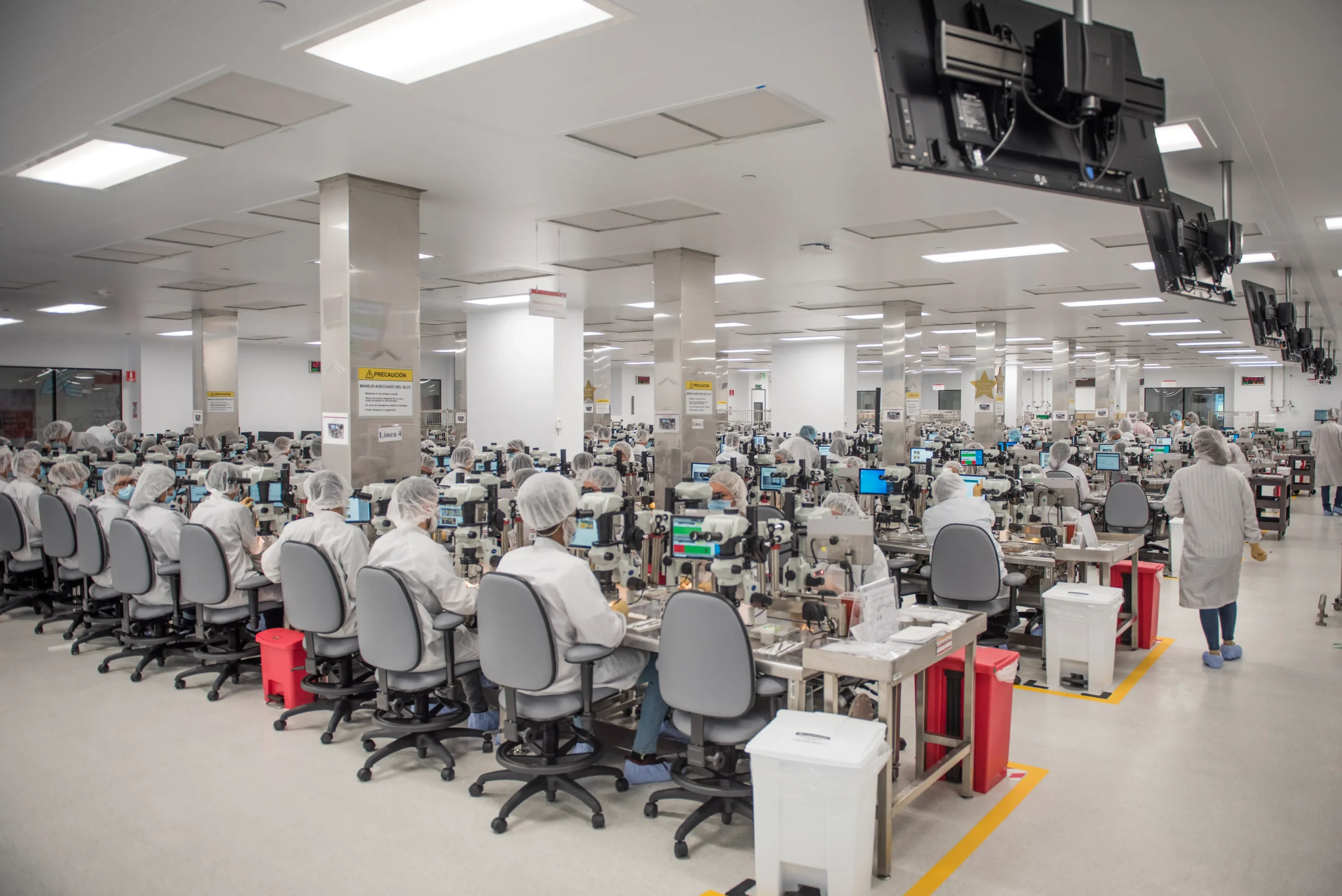
Costa Rica already manufactures a significant share of the world’s catheters and implants, with medical device exports topping US$10.8bn in 2025. Here, CINDE, the private, independent, non-profit agency that promotes foreign direct investment and business development in Costa Rica, examines how Costa Rica is building on that success to attract further international investment, drawing on its engineering talent, expanding network of specialist suppliers and growing digital expertise to strengthen its position in the global medtech industry
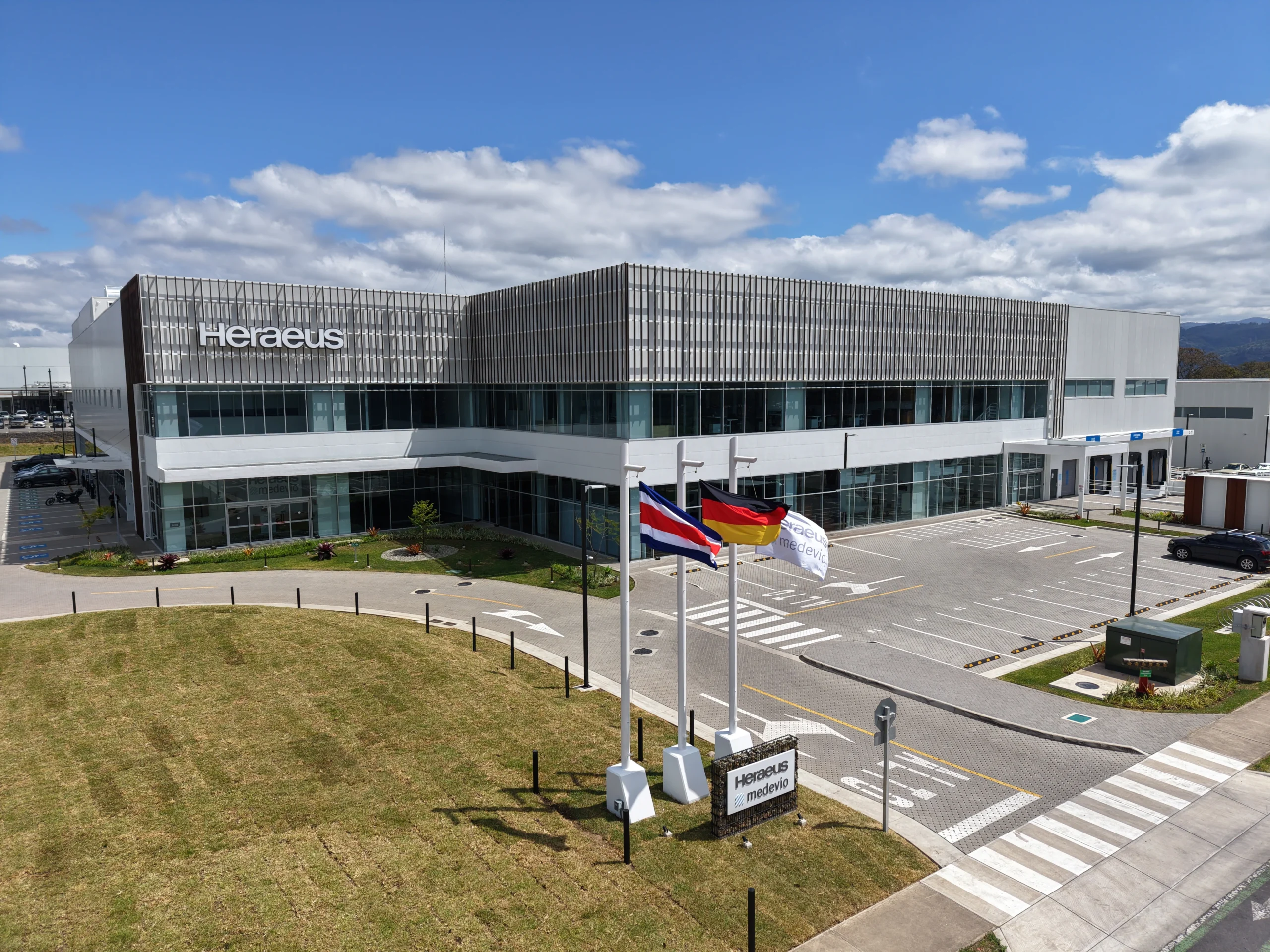
Medical devices are now Costa Rica’s largest export. Shipments topped US$10.8bn in 2025, up 25 per cent on the previous year and equal to 31 per cent of everything the country sold abroad in goods and services, according to the Central Bank of Costa Rica. Eighteen of the world’s 35 largest medtech companies operate in the country.
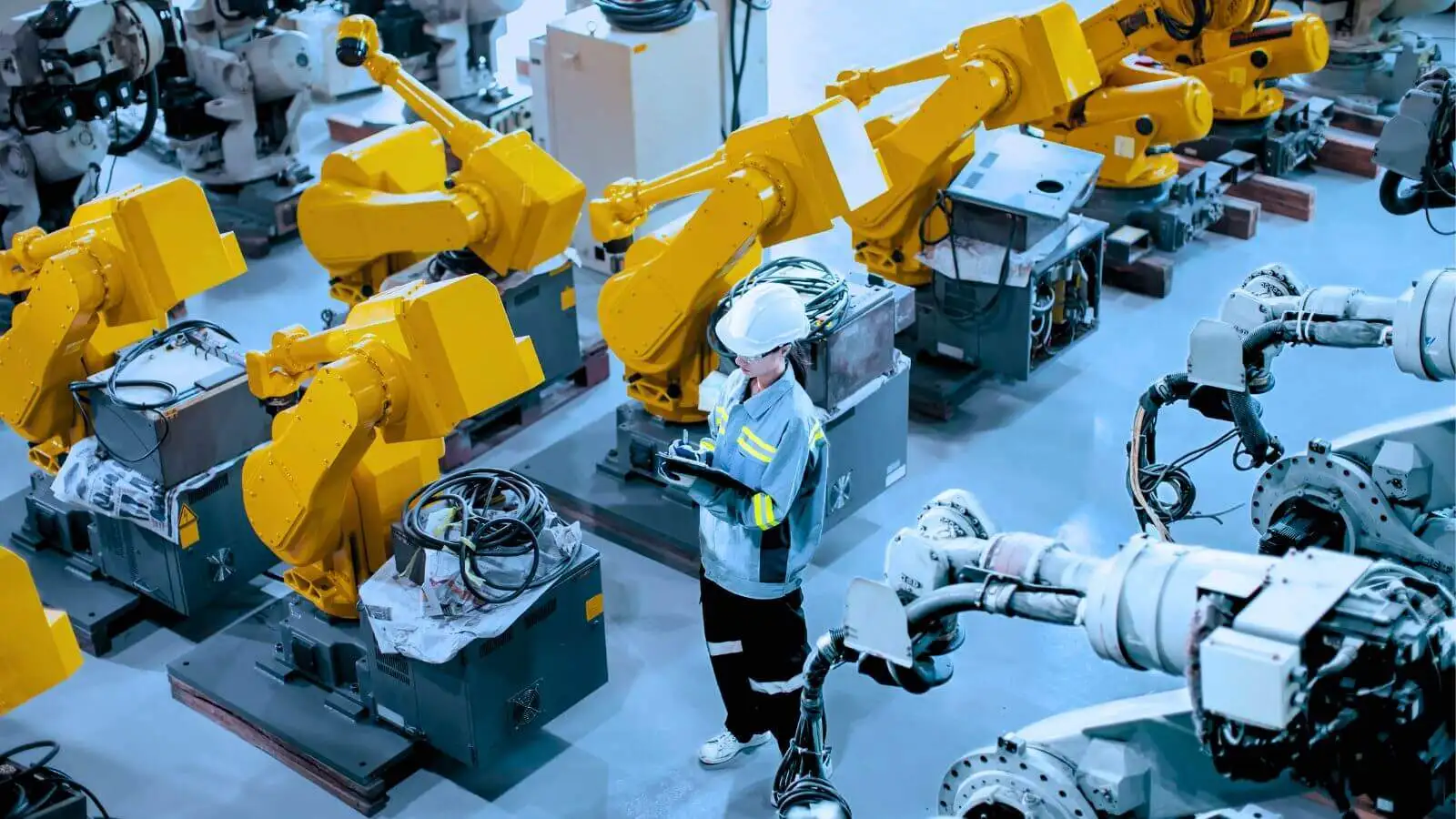
Yet volume is no longer the most interesting part of the story. Inside plants that once received mature product lines transferred from elsewhere, a quieter shift is under way: Costa Rican teams increasingly help design, industrialise and continuously improve the products themselves.
“For more than three decades, Costa Rica has proved it can manufacture to the most demanding regulatory standards. The question global companies ask us today is different: not whether we can produce, but how much engineering responsibility they can place here,” says Marianela Urgellés, Managing Director of CINDE.
Engineering moves in
Over the past 15 years, sector employment has grown at a compound annual rate of 12 per cent and exports at 16 per cent. Growth at that pace, sustained for that long, is rare. What makes it strategic is what has grown alongside it: more complex processes, more sophisticated devices and a wider range of core functions run from Costa Rican sites.
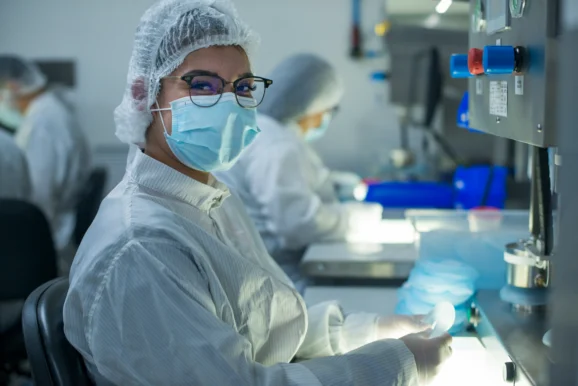
The clearest signal has come in the past five years. Multinationals have built engineering and R&D teams that serve their global technology and innovation networks, not just the local plant. The work now spans product engineering and device development, design for manufacturability, prototyping, automation design, sustaining engineering, embedded software and process improvement.
The logic for manufacturers is simple. Engineers who sit next to a regulated production floor understand the constraints a design must survive. That combination is hard to replicate outside a mature cluster, and it is what companies are now paying for.
A market in its own right
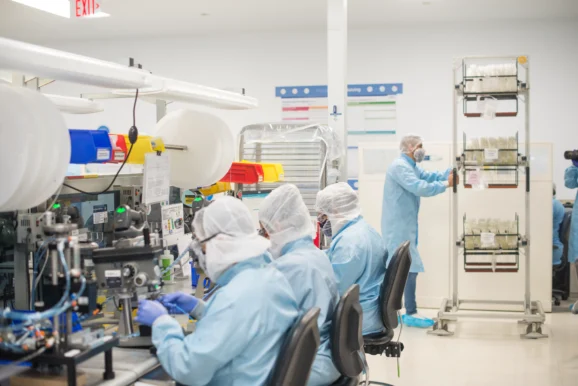
The same maturity has changed how suppliers and contract development and manufacturing organisations (CDMOs) see the country. Fifteen to 20 years ago, those that came mostly followed their US clients. With around 30 original equipment manufacturers (OEMs) now operating locally, the domestic customer base can justify an investment case on its own, while Costa Rica remains a platform to serve the Americas.
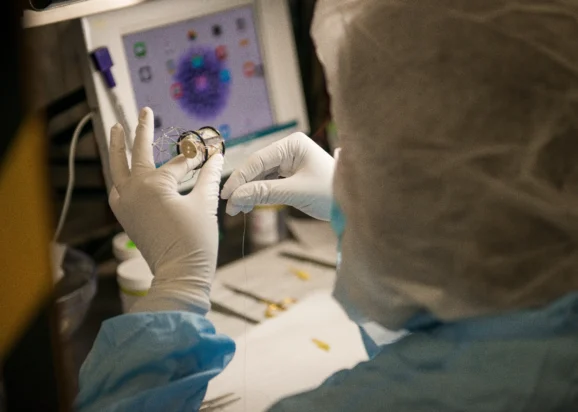
More than 60 specialised suppliers and CDMOs now operate there. Over the next 18 months, new or expanded capacity is due in minimally invasive device components, medical cables, coatings, silicone moulding, biomaterials, microelectronics and automation. Demand is underpinned by new entrants and expansions from companies including Mozarc Medical, Trelleborg, Kardium, EP Flex, Zollner and Zimmer Biomet. In total, there are over 15 new operations that will kick off production in the coming 24 months.
“Clusters don’t mature by adding plants; they mature by closing gaps,” says Urgellés. “Every capability that arrives shortens supply chains, speeds up development and lowers the risk of the next investment decision, for OEMs and suppliers alike.”
The digital dividend
Medtech’s next frontier is digital. AI, data analytics, cybersecurity and embedded software are moving from the back office into the devices themselves and into product pipelines. Here Costa Rica holds an asset usually discussed separately from manufacturing: more than 200 multinational services operations, 30 of them serving life sciences companies.
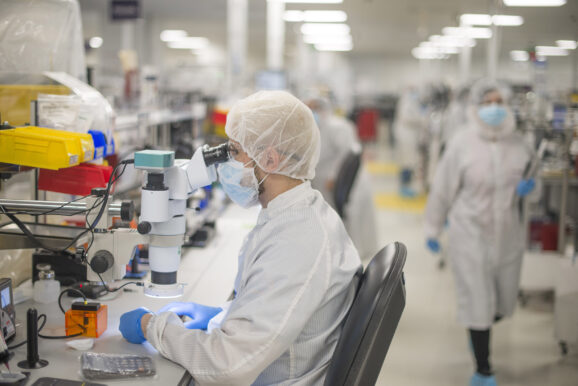
That base has a track record running complex digital, data and security functions for global groups. Because the manufacturing and services ecosystems grew up side by side, companies such as Hologic, Stryker and Boston Scientific have been able to draw on both.
Value over volume
Costa Rica’s value proposition was never built on cost, and it is less so now. A company choosing the country today should expect more than a production site: engineering teams ready for global roles, and an ecosystem fluent in the digital tools that will reshape the industry.
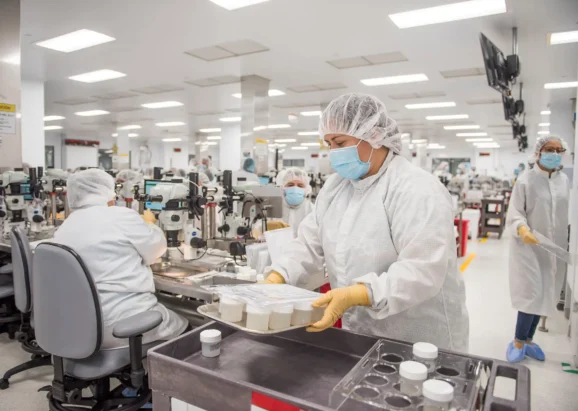
That is the case CINDE will take to Germany this November. At Electronica in Munich, the team will meet microelectronics and automation companies whose capabilities Costa Rica’s OEM base increasingly needs close at hand, one of the gaps the cluster is now working to close. At MEDICA in Düsseldorf, it will sit down with medtech companies deciding where to place their next engineering, manufacturing and digital operations. Two events, one argument: in Costa Rica, electronics and medtech are converging.
Thirty-five years of growth built the scale and the talent base. The years ahead will be measured on what that scale can create, and on which companies recognise early that Costa Rica is no longer just where medical devices are made, but where their value is engineered.
Further information
Produced with support from CINDE. To find out more about its work attracting international investment in Costa Rica’s medical technology sector and supporting companies establishing or expanding engineering, manufacturing and digital operations in the country, visit www.cinde.org
READ MORE: Nearshore supply chains: why Costa Rica is emerging as a strategic gateway for global manufacturing and innovation. As global supply chains undergo one of the most significant transformations in modern economic history, businesses are increasingly reassessing where and how they manufacture, source, and distribute products. Geopolitical tensions, pandemic-era disruptions, rising logistics costs, and growing pressure for operational resilience have accelerated a major strategic shift toward nearshoring – and Costa Rica is rapidly emerging as one of the most attractive destinations in the Americas for this new era of supply chain realignment.
Do you have news to share or expertise to contribute? The European welcomes insights from business leaders and sector specialists. Get in touch with our editorial team to find out more.
Images: supplied.