Scottish pupils are helping researchers design nature-based activities to improve mental health just days after a major study warned youngsters are being given less freedom to play outside
Wild swimming, camping and hill walking could be used to help tackle mental health problems among teenagers as researchers investigate the benefits of getting young people back outdoors.
Pupils at two Scottish schools are helping scientists design nature-based activities aimed at improving wellbeing and supporting youngsters struggling with problems including exam stress, bullying, body image worries and climate anxiety.
The project comes just days after research by the University of Exeter found British children are now nearly 11 before they are allowed to play outside without adult supervision – more than a year later than their parents’ generation.
Its study also found street play has fallen to less than 25 minutes a week and warned of a growing “generational play gap”.
Now researchers in Scotland are examining how greater contact with nature could support young people’s mental health, particularly in remote and rural communities where isolation can create additional problems.
The Healthy Young Minds programme involves academics from the University of South Wales, University of the Highlands and Islands and Dundee University working directly with children aged 11 to 14.
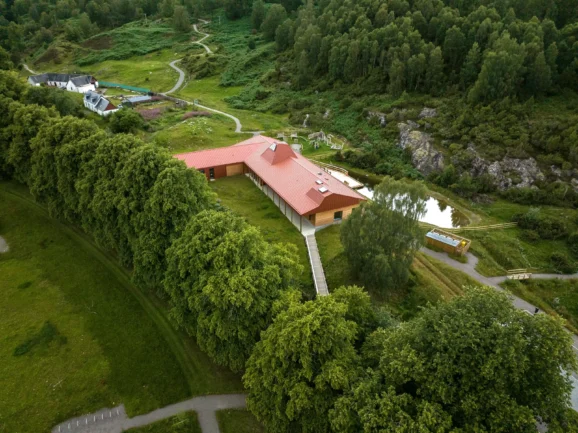
Two groups from Farr and Kinlochleven High Schools visited the Dundreggan rewilding estate near Loch Ness, where they took part in pond dipping, tree identification, bannock bread making and traditional fire lighting.
They were then asked to design their own outdoor activities that might help other young people feel better.
Ideas included wild swimming, camping, hill walking, beachcombing, outdoor cafés, fire-building, sports, board games, family activities and natural crafts.
The suggestions were reviewed by other young people and specialists in mental health and “green health” before pupils voted for their favourites.
Dr Sara Bradley, senior research fellow at the University of South Wales, said: “Our project is enabling young people to come up with their own ideas on how nature can support their health and wellbeing. It was inspiring for the team and students to be able to visit Dundreggan’s excellent Rewilding Centre and its stunning wild landscape as part of this.
“Co-creating with young people is a very important and effective way to engage them in tackling challenges. The project has created opportunities for addressing mental health difficulties in a preventative way through being outdoors and accessing nature.”
Researchers say mental health difficulties often begin during early adolescence, while children living in rural areas can also face greater social isolation and practical barriers to accessing activities and services.
The programme is designed as an early intervention, with researchers exploring whether regular access to local green spaces and outdoor activities can help protect wellbeing before more serious problems develop.
Pupils were also introduced to five approaches to wellbeing – connecting with other people, learning new skills, giving to others, being physically active and paying greater attention to their surroundings.
After taking part, students reported seeing nature as more important to their mental health, going outside more often and thinking more about other people.
Franny Schlicke, visitor experience and operations supervisor at Dundreggan, said: “Supporting young people’s mental health is so important, and it was wonderful to see the students enjoying the nature-rich landscape here, and engaging in the activities and discussions.
“This research project highlights why everyone should have the opportunity to get out into nature, to enjoy its health and wellbeing benefits, and see for themselves why it needs protecting and restoring.”
The findings add to growing interest in the relationship between children’s freedom outdoors and their mental health.
The Exeter research published earlier this week found children are now allowed to play outside independently at an average age of 10.8, compared with 9.7 for their parents.
Less than half of children’s play now takes place outside, while 56 per cent of parents said they give their children independence later than they themselves were given it.
Exeter researchers have linked greater levels of outdoor and adventurous play with fewer symptoms of anxiety and depression, greater happiness and increased physical activity among children aged five to 11.
The Scottish project is now examining how nature-based activities designed by young people themselves could be developed and put into practice.
The Healthy Young Minds team is preparing two papers for academic publication and seeking further funding, while continuing to work with the schools on ways of developing and introducing the pupils’ ideas.
The project is backed by NHS Highland’s Child and Adolescent Mental Health Services, Highland mental health charity Ewen’s Room and young people’s charity Kinlochlovin’, and is funded by the Medical Research Council.
Dundreggan, owned by rewilding charity Trees for Life, has been undergoing ecological restoration for almost 20 years and is home to more than 4,000 plant and animal species.
READ MORE: ‘Children now nearly 11 before being allowed to play outside alone‘. Exeter study finds a growing “generational play gap”, with street play down to less than 25 minutes a week and more than half of parents giving children freedom later than they had themselves.
Do you have news to share or expertise to contribute? The European welcomes insights from business leaders and sector specialists. Get in touch with our editorial team to find out more.
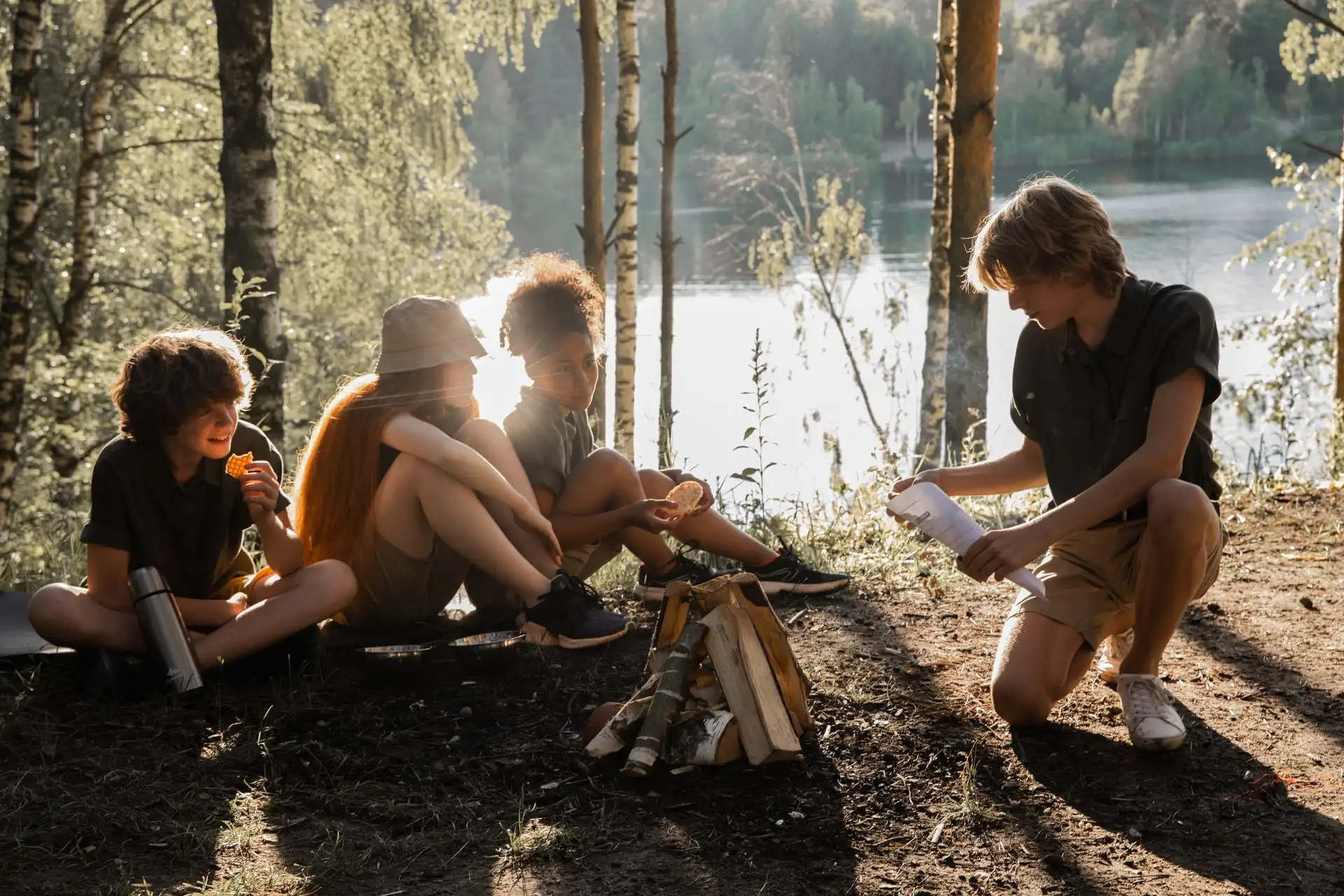
Main image: Katrin Bolovtsova via Pexels