Gold reaches record high as latest trade tariffs bring ‘high level of uncertainty’

John E. Kaye
News & Features
- Published
- News
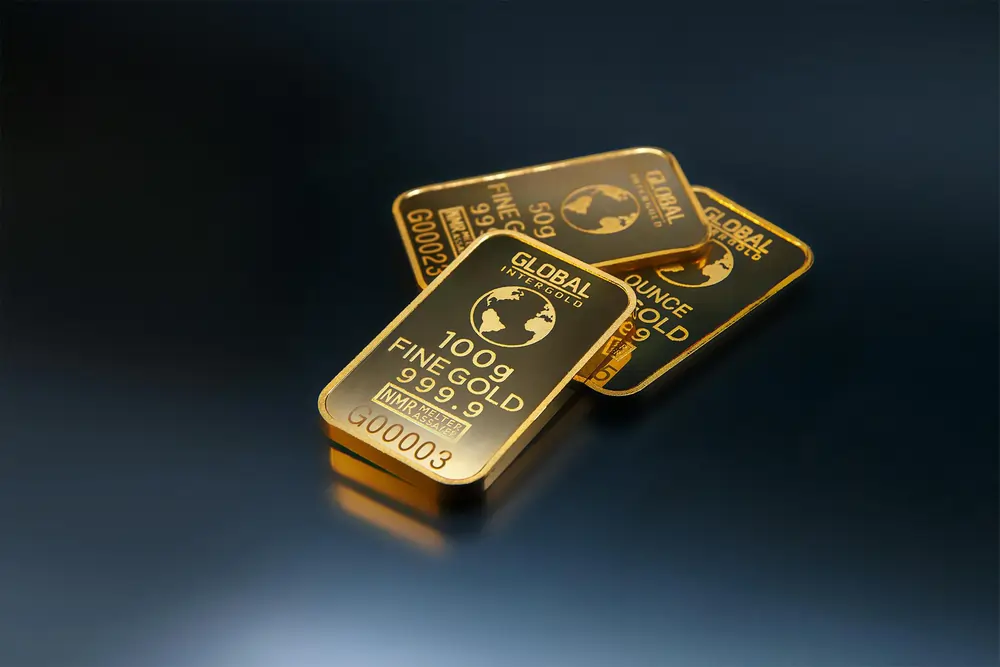
The price of gold hit an all-time high this week as demand surges amid unprecedented economic uncertainty over the impact of a global trade war
It reached a record $3,005 per ounce during Asian trading hours yesterday, with prices having risen by 14 per cent since the start of the year.
The escalating trade war between the United States and many of its largest trading partners has unsettled financial markets and raised concerns about the impact on economies and consumers across the world.
According to the Organisation for Economic Co-operation and Development (OECD), President Donald Trump’s new tariffs are likely to hit world growth and raise inflation.
Canada and Mexico are forecast to see the biggest impact, with the latter expected to enter a recession.
But the tariffs are also predicted to affect the U.S too. Growth has been downgraded from 2.4 per cent in 2024 to 2.2 per cent in 2025.
Growth in the US has also been downgraded, with growth of 2.2% expected this year and 1.6% in 2026, down from previous forecasts of 2.4% and 2.1%
In response, Canada, China, and the EU have all announced retaliatory tariffs.
When tariffs are imposed on goods, businesses face extra costs, which could be passed on through the price tags of the products sold to consumers – increasing the cost of living.
Gold is seen as a safer asset, or “safe haven”, for investors and is often sought-after in times of economic instability and potential future crises.
In its March Interim Report, the OECD said: “The high level of geopolitical and policy uncertainty at present brings with it substantial risks to the baseline projections. One possible risk is the escalation of trade restrictive measures.
“An illustrative exercise, where bilateral tariffs are raised further on all non-commodity imports into the United States with corresponding increases in tariffs applied to non-commodity imports from the United States in all other countries, shows that global output could fall by around 0.3% by the third year, and global inflation could rise by 0.4 percentage points per annum on average over the first three years.
“The impact of these shocks would be magnified if policy uncertainty were to increase further or there was widespread risk repricing in financial markets. These would add to the downward pressures on corporate and household spending around the world. “
The hike in gold prices also follows the U.S’ commitment this week to striking Yemen’s Houthis until they halt attacks on Red Sea shipping.
Trump warned on Monday that he would hold Iran accountable for any attacks by the Houthi group it supports in Yemen.
The administration has since expanded the largest U.S military operation in the Middle East since the President returned to office.
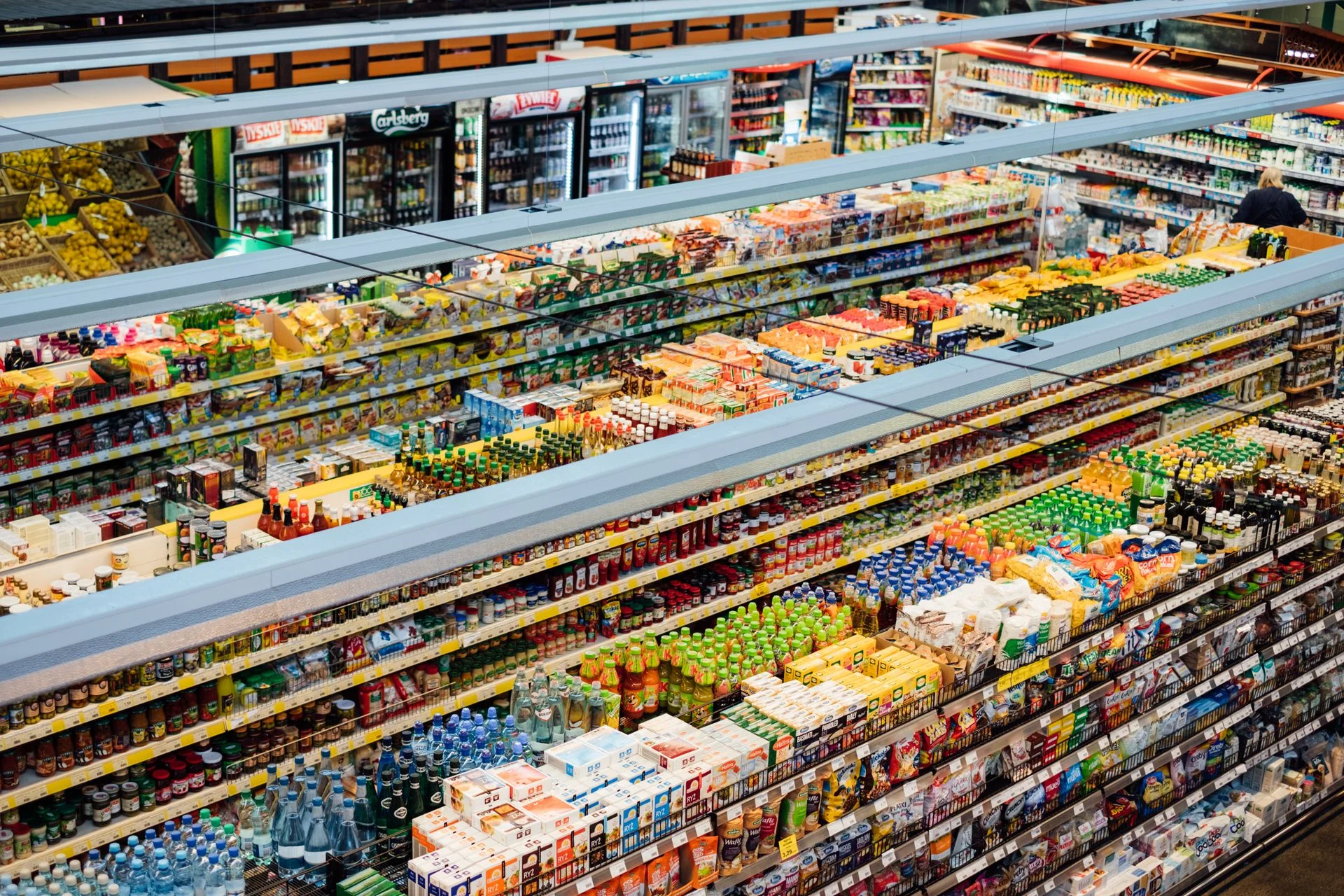
Image, courtesy Michael Steinberg/Pexels
TOP STORIES
-
 We're talking to almost twice as many people on the phone as a decade ago, study finds
 -
TalkTalk sells majority stake in Telecom Acquisitions as founder Nigel Barnett regains control
-
Company closures soar ahead of tax rises as new Budget looms
-
France calls in army after riots sweep cities
-
An Italian affair – Stanley Johnson takes London's society set on the Silk Road
-
Himalayan mountainside moved 40cm before avalanche killed 1,451 in Nepal, scientists reveal
-
Scientists and engineers quitting jobs as AI changes roles ‘beyond recognition’, study finds
-
UK profit warnings hit near two-year high as businesses struggle with rising costs
-
Microsoft pulls out of major UK AI data centre project amid power grid delays
-
Russia takes control of more European corporate assets amid Ukraine tensions
-
EU leaders resist calls to delay carbon rules as energy costs soar
-
‘A big step forward’ – PM Andy Burnham hails plans for Great British Railways HQ in Derby
-
UK economy grows just 0.1 per cent as construction falls and services stall
-
Germany risks losing €155bn a year under tighter AI data rules, new study warns
-
Pope Leo XIV diagnosed with lung cancer after surgery in Rome
-
France faces freezer meltdown as hackers strike supermarket chains
-
Bumble shares soar 50% amid $1bn takeover talks
-
China slump drives Volkswagen to sharpest quarterly fall in more than four years
-
Hollywood mega-powerhouse created as Paramount completes Warner Bros Discovery takeover
-
Gamers face gridlock as latest Grand Theft Auto download 'nears two days'
-
Samsung profits soar ninefold to record £61bn amid AI chip boom
-
New Springer books put the UN’s struggling sustainability goals to the real-world test
-
Europe’s solar boom set for two-year slowdown after record growth
-
Let it pea. Musicians turn vegetables into instruments at Beatles' Abbey Road studios
-
Golden naked Trump statue unveiled at European Parliament