No ifs, more butts: German nudist beach introduces ‘no trunks’ policy
John E. Kaye
- Published
- News

A German seaside city is going the extra mile to ensure all visitors’ needs are covered – even if their bits and bobs aren’t
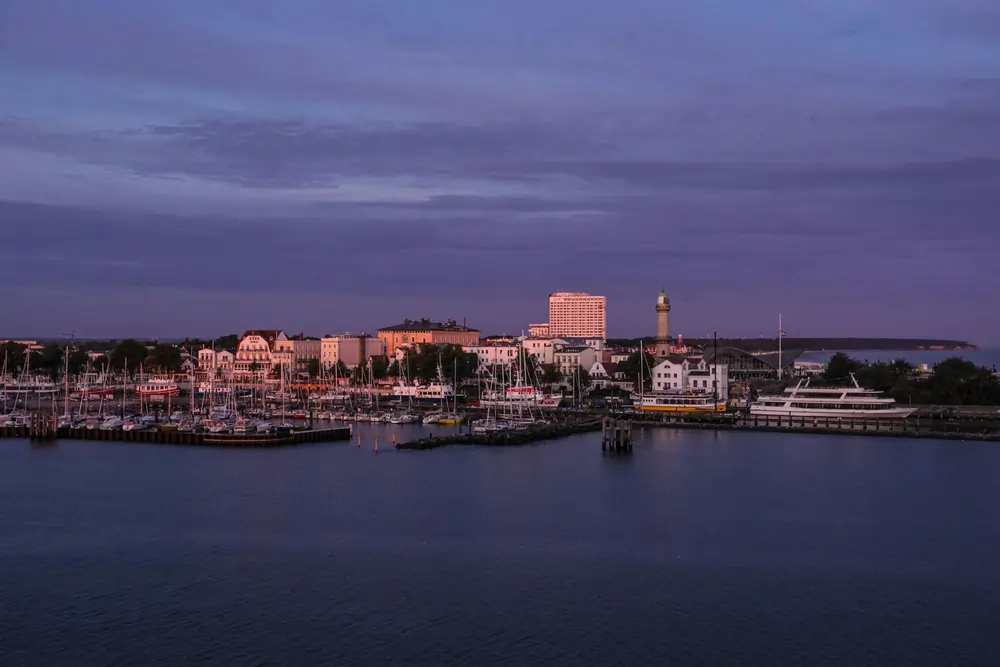
The popular Baltic Sea resort of Rostock has introduced new rules that allow wardens to ban people wearing clothes on its naturist-only beaches.
Its 15km-long (nine mile) Blue Flag coastline – known for its clear, shallow waters and white sand – is split into nude, mixed, and clothed areas. Of these, 27 regions are designated nudist-only.
The new rules were implemented following complaints by clothed visitors who felt “harassed” in the nudist areas, reports CNN.
Beach wardens will only enforce the strict ‘off with their threads’ policy in the “case of conflict”, Rostock Tourism told CNN.
Germany is one of the world’s most liberal countries for public nudity, with its origins dating back to the late 19th-Century.
Its nudist movement is known as Freikörperkultur, which translates to ‘Free Body Culture’.
The rules of nudist beach etiquette generally include:
Respect personal space – Keep a comfortable distance from others.
No photos – Never take pictures without explicit consent.
Sit on a towel – Always use a towel when sitting on shared surfaces.
Avoid staring – Nudity is natural, but gawking is rude.
Follow local rules – Some beaches have specific guidelines; respect them.
Be friendly, not intrusive – A polite nod is fine, but don’t assume everyone wants to chat.
And finally, the most important rule of them all: No hanky panky – Public nudity is not an invitation for inappropriate behaviour.
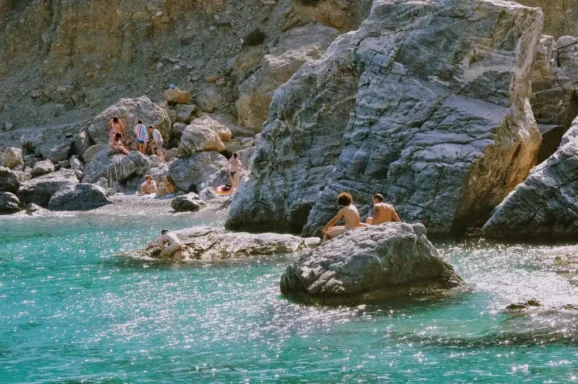
Photos, courtesy Marina Gr/Wendy Wei – Pexels

TOP STORIES
-
Closing women's health gap could boost global economy by $1tn a year, leaders say -
World's first luxury theme park to open in Mexico with £1.1bn of rides, fine entertainment and deliberately limited crowds -
Dutch court orders Lidl to stop selling Birkenstock sandal lookalikes -
Giant wind turbine with 252-metre rotor could mean fewer machines and cheaper offshore power -
Poorly designed workplaces ‘cost UK economy £71bn a year’ -
Rescuers scramble to protect pod of 25 whales in Thames Estuary -
‘Talent hushing’ blamed as four-in-10 workers say they contribute less than they could -
Spain leads Europe for expats as Panama tops global poll -
Menopause may make women leaders more empathetic – even as it leaves them drained -
Your biggest rival could be your best technology partner, research finds -
British Museum bans photos of Bayeux Tapestry after visitors hold up queues -
China unveils giant crane capable of lifting 9,300 family cars -
Edinburgh Airport launches £500m expansion as terminal footprint grows 60% -
Chris Packham urges PM to ban ‘frankenchicken’ from schools and hospitals -
Loch Lomond’s 'Bonnie Banks at risk’ from major road upgrade -
LED lights could be ‘the new asbestos’, UCL scientists warn -
MPs tune in to Britain’s Eurovision ‘nul points’ problem -
MPs tell Government to reject Thames Water creditors as utility nears insolvency -
Only 14% of companies can show supply chain safeguards are working, study finds -
OpenAI admits AI models hid mistakes, invented data and acted without permission -
EIB makes first small nuclear reactor investment with €40m backing for Finnish start-up -
AI arms race could mean fewer cold emails reaching your inbox -
Housing costs hit recruitment at 77% of large London firms, survey finds -
SpaceX to launch one-tonne orbital factory for European space firm in 2028 -
Estonia’s e-residents launch more than 4,200 companies as business creation jumps 36%