
Iberdrola and H2 Green Steel plan mega green hydrogen plant

John E. Kaye
- Published
- Home, Sustainability
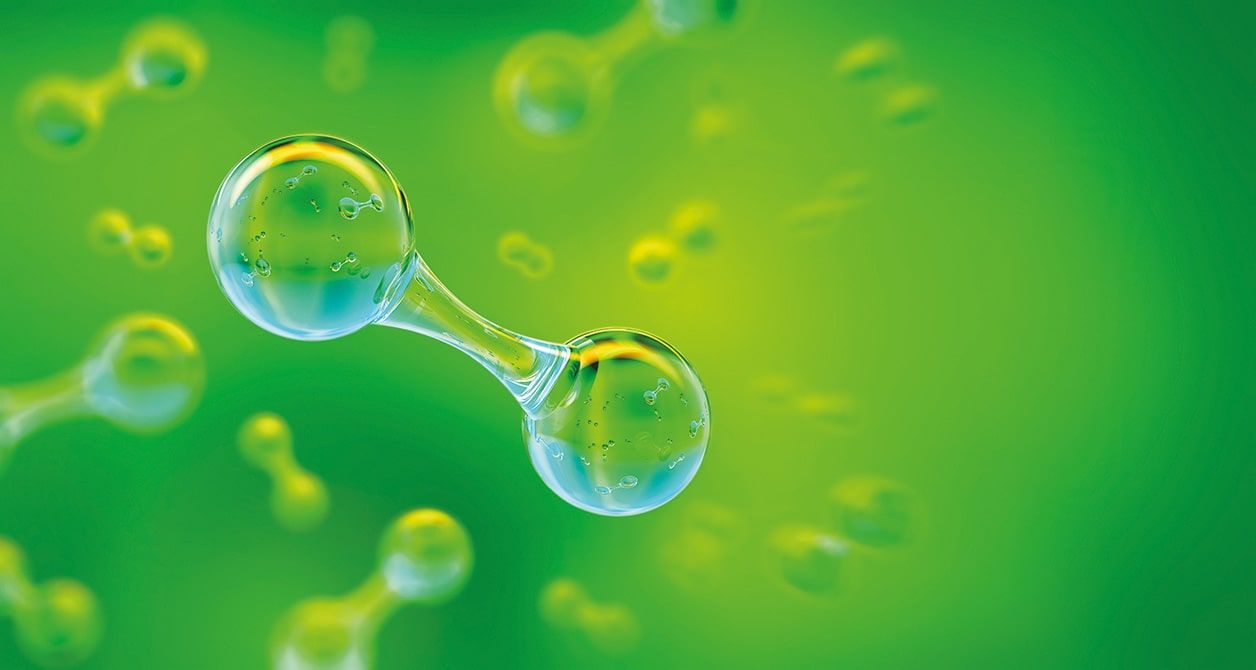
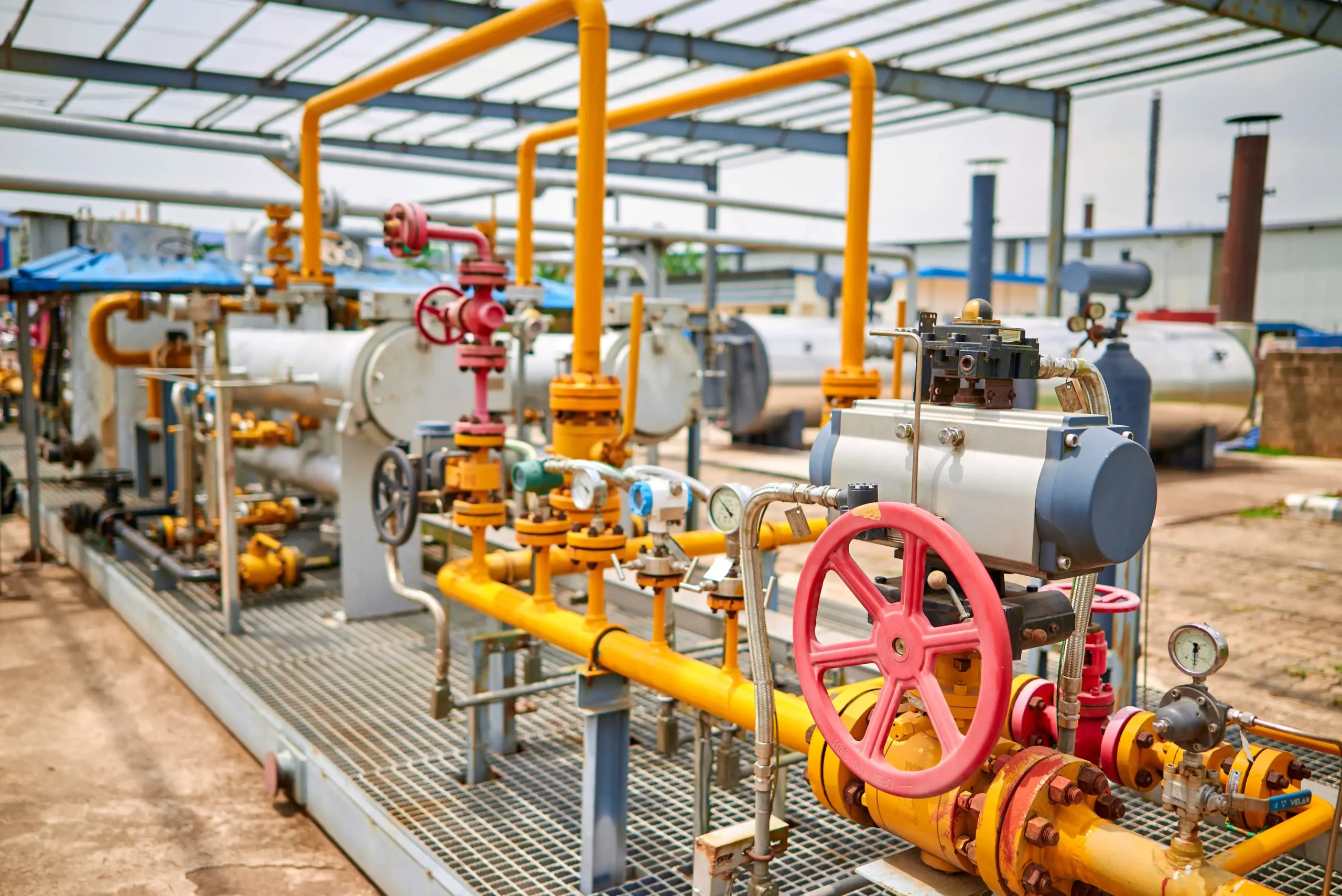
Global wind power group Iberdrola and Swedish startup H2 Green Steel plan to build a vast renewable hydrogen plant on the Iberian peninsula to power the production of iron used to make steel with drastically reduced carbon emissions.
The EU is pushing the development of a supply chain for “green” hydrogen – made by splitting water molecules with renewable electricity – to replace the millions of tonnes of “grey” hydrogen – made with coal or natural gas – that its industry consumes every year.
Iberdrola and H2 Green Steel recently said they are seeking a location in Spain or Portugal to build an electrolysis plant and a direct reduction tower to treat iron ore which they hope to fire up by 2026. The planned facility’s 1 gigawatt (GW) of electrolysis capacity would far outstrip the roughly 0.3 GW currently in operation globally. The EU targets 40 GW by 2030.
Iberdrola will spend around €800m on new renewable capacity to power the electrolyser, its head of hydrogen Millan Garcia-Tolla told Reuters.
Overall the project will cost around 2.3bn euros. The companies will seek to tap equity, green project finance and public funding sources including the European Union’s €750bn pandemic recovery budget. They could later add a specific steel facility, taking as a blueprint a similar plant H2 Green Steel is planning in northern Sweden.
Producing steel with green hydrogen emits 95% less carbon than with coal, and customers are willing to pay 25% more for it, H2 Green Steel Chief Executive Henrik Henriksson said. Iberdrola wants to use green hydrogen for processes where electricity can’t be easily used.
“If first of all we attack […] those current uses of grey hydrogen and we plan projects to 2025-2026 like cement or green steel, I think we are going to make big steps,” Iberdrola’s Garcia-Tolla said.
Some question the efficiency of using green hydrogen because it will require vast amounts of clean energy production and future cost reductions are uncertain. Environmental campaigners fear work on developing it will prolong use of the polluting “grey” version. But Henriksson argued industry should work to tackle climate change with available technology. “You can always wait until tomorrow for the silver bullet but then we will wait forever,” he said.
TOP STORIES
-
 Firms with political pals ‘get away with greenwashing’
 -
Germany could run on full renewables by 2045, study reveals
-
Rewilding improves wellbeing and community connection, charity report says
-
A new energy era: full renewable energy supply is possible
-
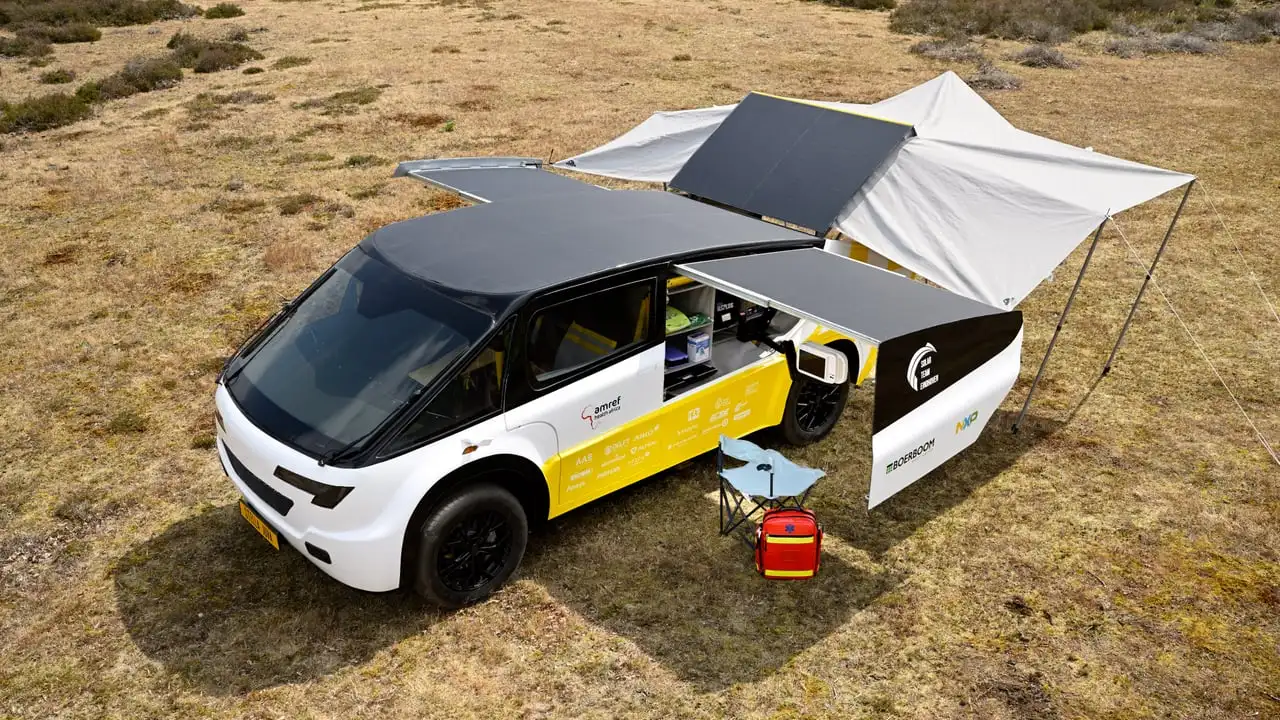
Students unveil world’s first solar-powered ambulance
-
Nobel laureate Omar Yaghi launches global science network
-
Volunteers collect 11m rare seeds to restore Scotland’s native forests
-
Facebook owner Meta signs Texas solar deal with Turkish renewables firm
-
Street-by-street maps to reveal where England’s poorest communities face worst environmental risks
-
Stanley Johnson: the Government must ‘follow Ukraine back into Europe’s green network’
-
Ukraine joins European environment network in major conservation step after war damage to land and wildlife
-
China offers UK coastal rescue lessons as Yancheng wetlands hailed by conservation figures
-
Building Africa’s integrated energy future: how Tetracore Energy Group is expanding access to reliable and sustainable energy
-
UK hedgehog charity backs bid to put endangered mammal on new banknotes
-
Changing of the tide? How Mallorca is fighting to protect its clear blue seas
-
UK net zero economy worth £105bn and supports 1.1m jobs
-
Buffett succession moment frames investor talks on long-term value
-
Women’s leadership summit at UN focuses on capital, justice and future economy
-
Women hit by Indonesia disasters to receive 5,000 hygiene kits
-
Global CSR Foundation chief uses Davos platform to call for ethical AI and women-led growth
-
Solar and storage: Europe’s response to energy crises
-
Parked electric cars could help power island ferries in German trial
-
Meet the Earth Prize-winning teenager tackling the world’s microplastic crisis
-
Middle East tensions expose Europe’s energy vulnerability as flexibility reshapes clean energy investment
-
Landmark UK nuclear deal to cut reliance on foreign energy after Middle East tensions





Iberdrola and H2 Green Steel plan mega green hydrogen plant
John E. Kaye
- Published
- Home, Sustainability
TOP STORIES
-
Firms with political pals ‘get away with greenwashing’
-
Germany could run on full renewables by 2045, study reveals
-
Rewilding improves wellbeing and community connection, charity report says
-
A new energy era: full renewable energy supply is possible
-
Students unveil world’s first solar-powered ambulance
-
Nobel laureate Omar Yaghi launches global science network
-
Volunteers collect 11m rare seeds to restore Scotland’s native forests
-
Facebook owner Meta signs Texas solar deal with Turkish renewables firm
-
Street-by-street maps to reveal where England’s poorest communities face worst environmental risks
-
Stanley Johnson: the Government must ‘follow Ukraine back into Europe’s green network’
-
Ukraine joins European environment network in major conservation step after war damage to land and wildlife
-
China offers UK coastal rescue lessons as Yancheng wetlands hailed by conservation figures
-
Building Africa’s integrated energy future: how Tetracore Energy Group is expanding access to reliable and sustainable energy
-
UK hedgehog charity backs bid to put endangered mammal on new banknotes
-
Changing of the tide? How Mallorca is fighting to protect its clear blue seas
-
UK net zero economy worth £105bn and supports 1.1m jobs
-
Buffett succession moment frames investor talks on long-term value
-
Women’s leadership summit at UN focuses on capital, justice and future economy
-
Women hit by Indonesia disasters to receive 5,000 hygiene kits
-
Global CSR Foundation chief uses Davos platform to call for ethical AI and women-led growth
-
Solar and storage: Europe’s response to energy crises
-
Parked electric cars could help power island ferries in German trial
-
Meet the Earth Prize-winning teenager tackling the world’s microplastic crisis
-
Middle East tensions expose Europe’s energy vulnerability as flexibility reshapes clean energy investment
-
Landmark UK nuclear deal to cut reliance on foreign energy after Middle East tensions



