Economy Tanks & Tourism plummets in Portugal

John E. Kaye
- Published
- News

Portugal’s tourism-dependent economy reversed its growth path to decline a steep 3.9% in the first quarter from the preceding three months as the effects of the coronavirus epidemic started taking their toll, data showed on last week.
The National Statistics Institute (INE) also said in its flash estimate that gross domestic product shrank 2.4% compared to the same period a year earlier.
A separate INE release showed that the tourism sector, one of the hardest hit by the crisis, registered a 62% slump in the number of people staying in holiday accommodation in March from a year ago, with both foreign and local visitors equally affected. Total hotel revenues fell by over 57%.
The figures come as a blow to a country that posted 2.2% growth year-on-year and 0.7% quarter-on-quarter in the last three months of 2019, the year it achieved its first budget surplus in 45 years of its democratic history.
“Even before (restrictive measures), there were disturbances to the normal functioning of some activities and demand, namely in restaurants and hotels, affecting economic activity since practically the beginning of March,” the INE said. Portugal has reported a relatively low coronavirus toll of 28,583 confirmed cases and 1,190 deaths, especially when compared to neighboring Spain with more than 27,000 fatalities, but its export-oriented economy, reliant on tourism for nearly 15% of GDP, has already suffered heavy losses.
The number of visitors from China and Italy fell by 30% in the first quarter of the year, INE’s hotel data showed, while the number of visitors from Spain fell by a more modest 12.7%.
The country enacted a state of emergency on March 18 when its death toll was still in single digits, closing non-essential services and restricting movement of people.
On May 3, the government lifted restrictions to launch a sector-by-sector plan to reopen the economy. The second phase, opening restaurants, larger shops, creches and schools for some year groups, will launch on Monday.
The contribution of internal demand to GDP was a negative one percentage point, turning negative for the first time since 2013 as private investment and consumption collapsed.
Exports slumped by 7.3% compared to the previous quarter, INE’s flash estimate showed, largely attributed to a drastic drop in tourism, the industry credited with lifting Portugal out of the last crisis in 2011-2014. Imports fell 2.9%.
The International Monetary Fund predicted Portugal’s economy would contract by 8% this year, while the European Commission estimated 6.8%.
More than 110,000 people have registered as unemployed since the beginning of Portugal’s lockdown on March 18, official figures showed.
Reported by Victoria Waldersee
Sourced Reuters
For more Daily news follow The European Magazine
TOP STORIES
-
 More than 1.2m English drivers may have eyesight too poor for the road, study finds
 -
David Reuben, Britain’s second richest person, leaves London for Monaco
-
UK prisoner release plan faces a major lag as tougher rules risk sending inmates back to jail
-
Brits trust AI with their health but not their money
-
Britain still hungry for Italian food as exports hit €4.56bn despite Brexit
-
Women who earn more than their partners still pay the price at work, landmark study finds
-
Vape expectations go up in smoke as new UK tax sparks fury
-
Robot sales rocket 24% as 250,000 machines snap up jobs in warehouses, hotels and hospitals
-
New-build homeowners should not be left with ‘mud and a fence’, campaigners warn
-
Bank of England governor warns AI poses growing ‘increasingly significant’ threat to financial stability
-
UK economy grows faster than first thought as household incomes bounce back
-
UK unveils ‘Great British Grid’ in bid to cut energy bills
-
British Chambers unite against 'Made in Europe' rules amid fears for UK industry
-
Bouncy castle firms urged to sign new safety pledge following child deaths
-
Remembering Matthew Jukes, The European’s Wine & Fine Drinks Correspondent
-
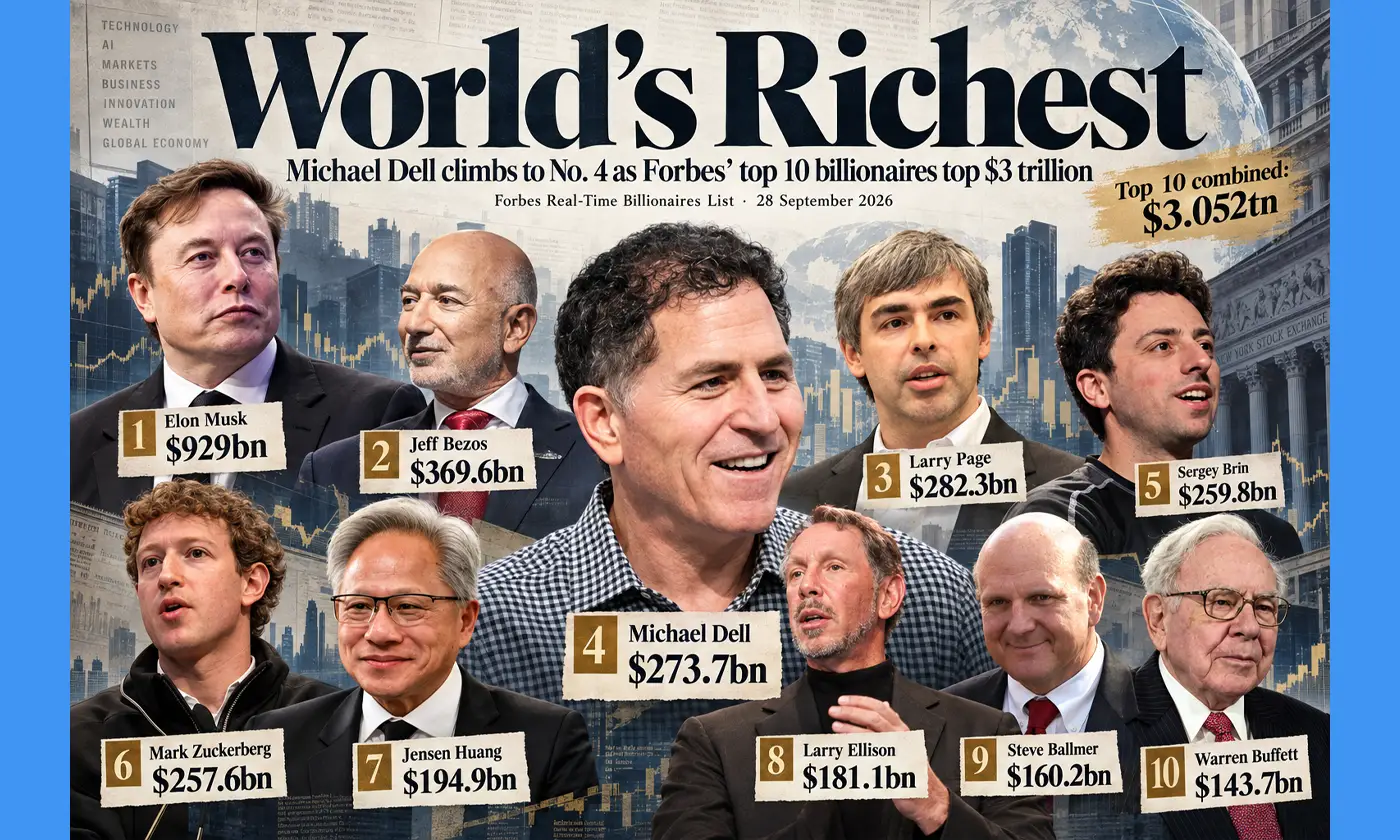
Michael Dell becomes world's fourth-richest person as Forbes reveals the ten wealthiest billionaires
-
Scientists develop new chemicals to tackle devastating oil spills at sea
-
Closing women's health gap could boost global economy by $1tn a year, leaders say
-
World's first luxury theme park to open in Mexico with £1.1bn of rides, fine entertainment and deliberately limited crowds
-
Dutch court orders Lidl to stop selling Birkenstock sandal lookalikes
-
Giant wind turbine with 252-metre rotor could mean fewer machines and cheaper offshore power
-
Poorly designed workplaces ‘cost UK economy £71bn a year’
-
Rescuers scramble to protect pod of 25 whales in Thames Estuary
-
‘Talent hushing’ blamed as four-in-10 workers say they contribute less than they could
-
Spain leads Europe for expats as Panama tops global poll