
Natural gas accelerates climate change through alarming methane emissions

John E. Kaye
News & Features
- Published
- Home, Sustainability
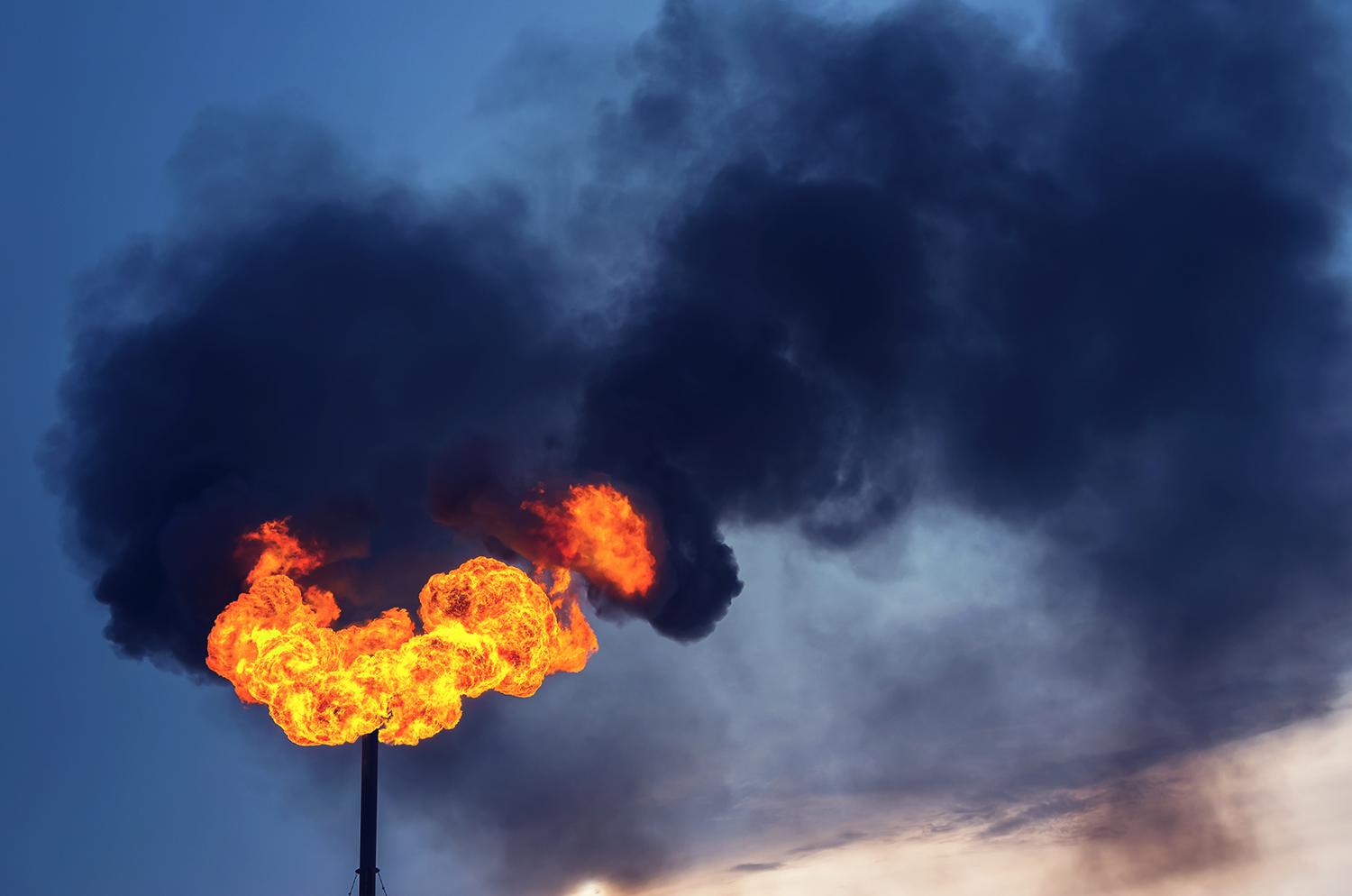
Conversion from coal and oil to natural gas increases greenhouse effect of energy consumption by around 40%
The International Energy Agency (IEA) is repeatedly playing down the climate impact of natural gas, thus laying the foundation for national governments to continue to heavily subsidise fossil fuels. Against this background, the Energy Watch Group presented the latest scientific findings on the future suitability of natural gas in a new study released on Monday. The key finding debunks the widespread picture of natural gas as a climate-friendly bridge technology: The switch from coal-fired power generation and oil-fired heating to natural gas increases the greenhouse effect of energy supply by around 40% due to alarming methane emissions. Thus, contrary to what is widely communicated to the public, natural gas does not contribute to climate protection, but instead causes an additional acceleration of climate change.
The study of the independent Berlin Think-and-Do-Tank calculates for the first time the climate impact of a fossil-fossil substitution by natural gas based on the latest research on methane and carbon dioxide emissions of the entire supply chain. The climate impact was evaluated with regard to the 20-year horizon relevant for potential climate tipping points. The study comes to the conclusion that possible CO2 savings from natural gas are far outweighed by its high methane emissions. A switch from coal and crude oil in the electricity, heat and transport sectors to natural gas even significantly exceeds the highly negative climate impact of coal and crude oil.
“The IEA, which many governments regard as a reference for their energy policy decisions, deceives us with outdated figures and problematic assumptions about the actual climate impact of natural gas – with devastating consequences for our climate and the economy.”, explained Thure Traber, co-author and leading scientist of the EWG. “The economic risks of natural gas are significant: If the climate targets are to be achieved on national and international levels, then it is simply impossible for investments in natural gas to pay for themselves. What will remain are stranded investments in the billions.”
“The study confirms that the production of highly climate-damaging natural gas will further exacerbate climate change”, added Hans-Josef Fell. The former member of the German Parliament and President of the Energy Watch Group, who was involved in the study as co-author, calls for a rethink in the current political debate about the future of the energy sector. “Existing and new subsidies for natural gas are incompatible with the Paris climate protection targets. Instead, we urgently need more investments in renewable energies, because only these have an immediate and lasting positive effect on the climate.”
What exactly politics has to do in order to establish a sustainable energy system is clear to the authors of the study: an immediate abolition of all subsidies for fossil fuels and a comprehensive introduction of emission-free, renewable technologies; the existing natural gas infrastructure can alternatively be used for climate-friendly biogas and green gases such as hydrogen from green electricity. Since a worldwide transition of the energy system to 100% renewable energies would save 55% of global greenhouse gas emissions, this measure must be at the centre of all climate protection efforts. The study points out that fossil energies have no place in the future energy system and calls upon politicians to correct the false image of natural gas as a climate-friendly bridge technology.
The study is freely available here.
TOP STORIES
-
 New Springer books put the UN’s struggling sustainability goals to the real-world test
 -
Europe’s solar boom set for two-year slowdown after record growth
-
Scientists develop new chemicals to tackle devastating oil spills at sea
-
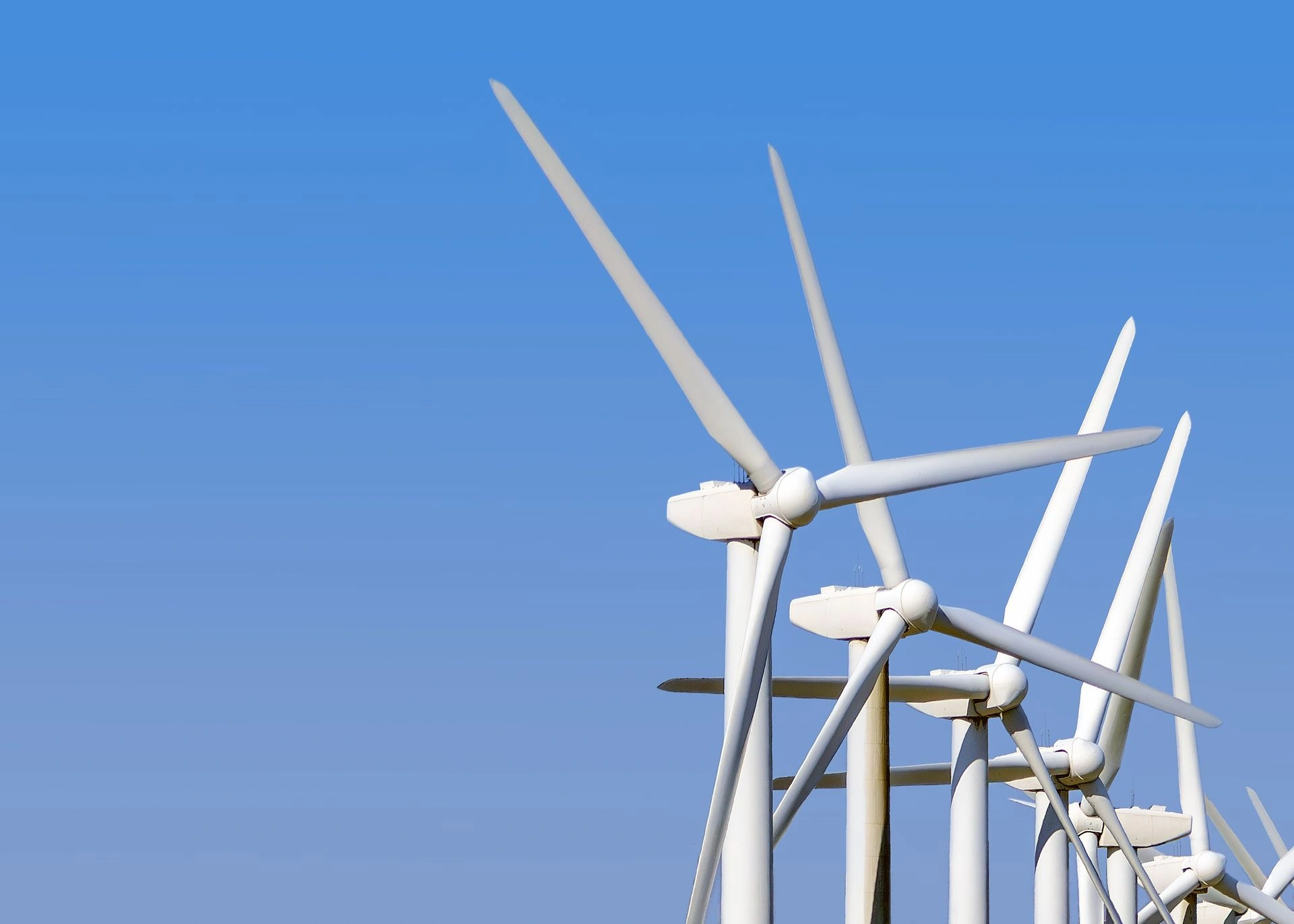
Giant wind turbine with 252-metre rotor could mean fewer machines and cheaper offshore power
-
Rescuers scramble to protect pod of 25 whales in Thames Estuary
-
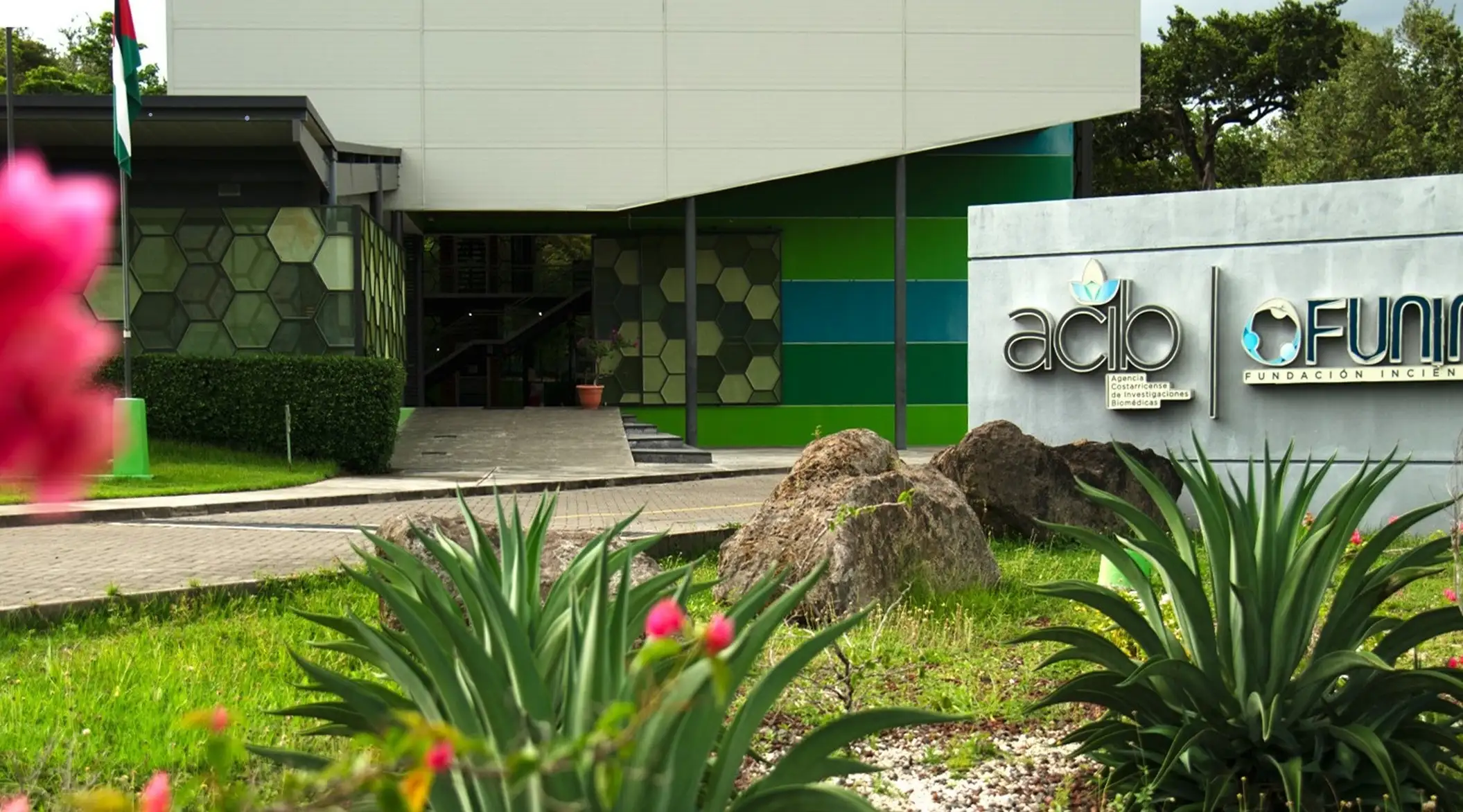
Costa Rica’s research moment
-
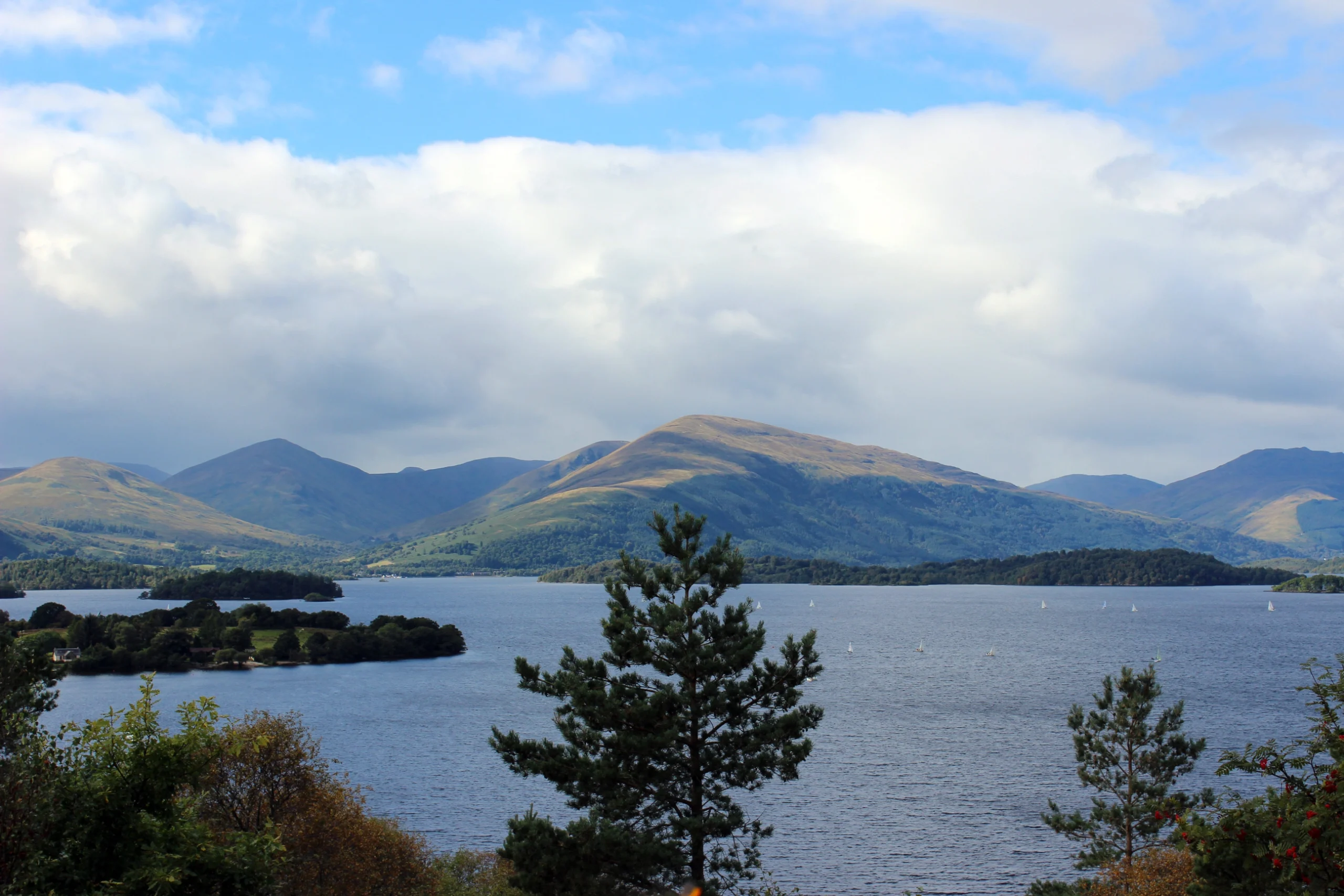
Loch Lomond’s 'Bonnie Banks at risk’ from major road upgrade
-
Only 14% of companies can show supply chain safeguards are working, study finds
-
Hackers could plunge Britain into darkness in less than two minutes, report warns
-
Europe adds enough new wind power for 7m homes as record year beckons
-
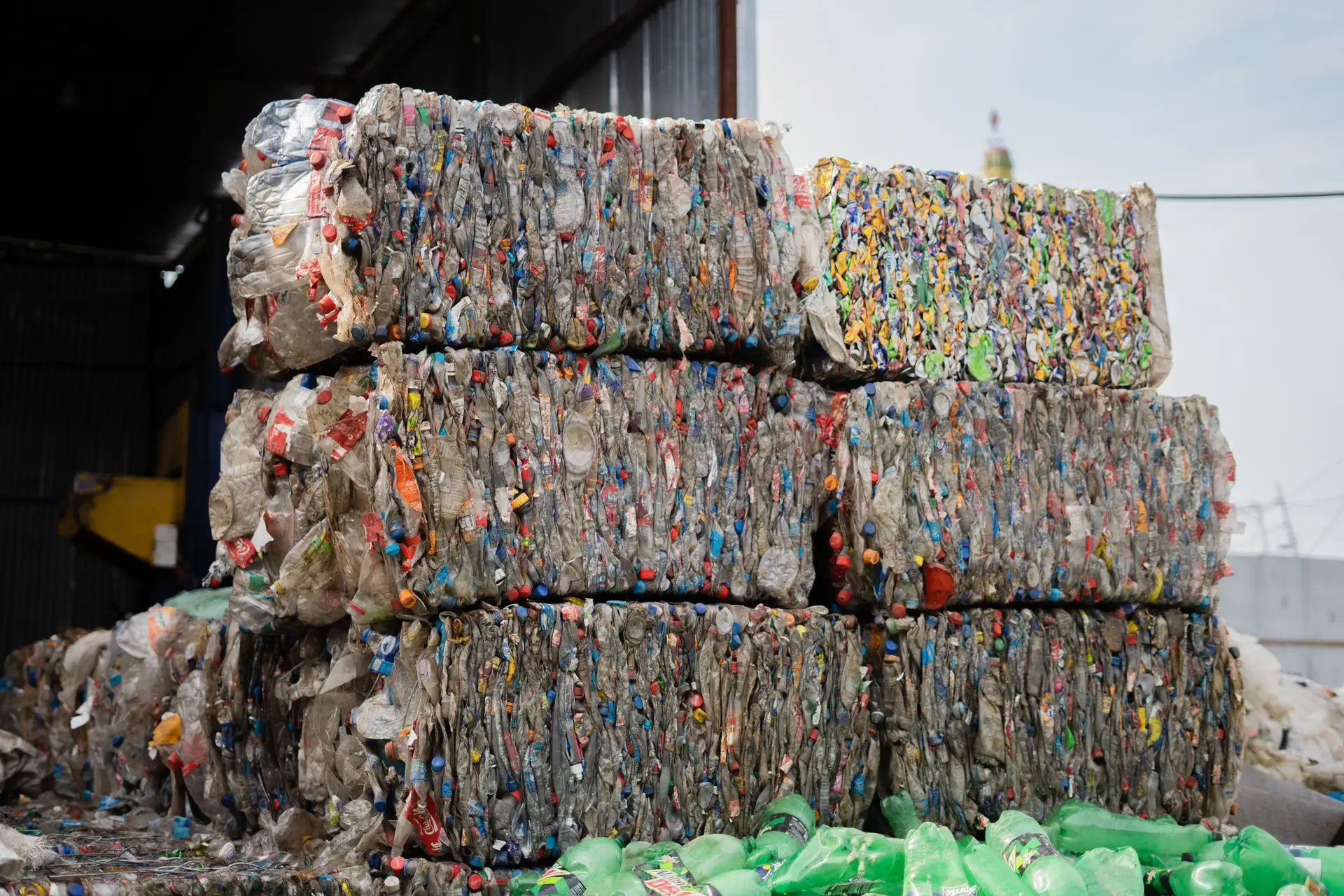
New global map reveals 800 businesses trying to cut plastic waste
-
Six young sea eagles released on Exmoor after 200-year absence
-
Firms with political pals ‘get away with greenwashing’
-
Germany could run on full renewables by 2045, study reveals
-
Rewilding improves wellbeing and community connection, charity report says
-
A new energy era: full renewable energy supply is possible
-
Students unveil world’s first solar-powered ambulance
-
Nobel laureate Omar Yaghi launches global science network
-
Volunteers collect 11m rare seeds to restore Scotland’s native forests
-
Facebook owner Meta signs Texas solar deal with Turkish renewables firm
-
Street-by-street maps to reveal where England’s poorest communities face worst environmental risks
-
Stanley Johnson: the Government must ‘follow Ukraine back into Europe’s green network’
-
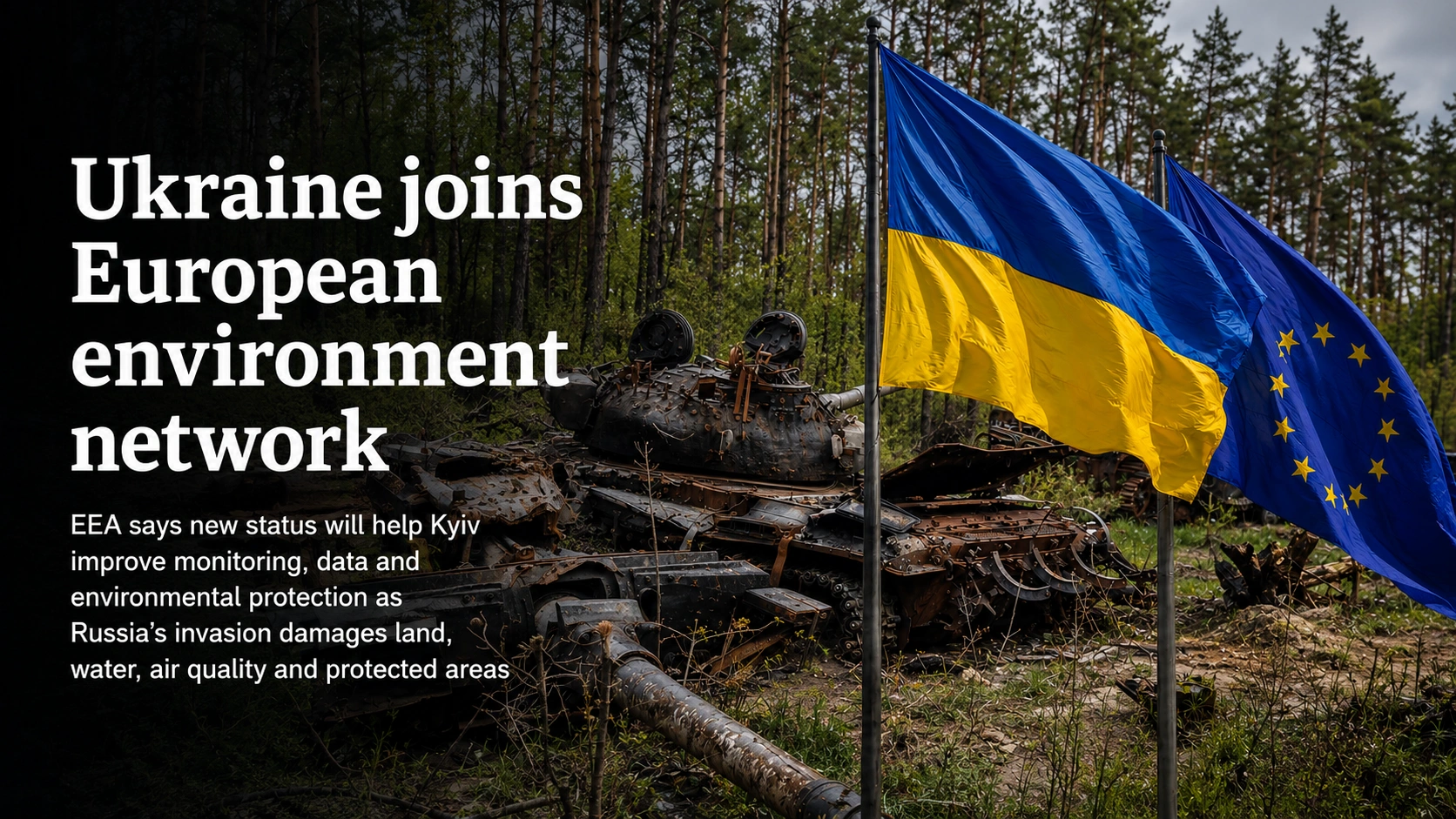
Ukraine joins European environment network in major conservation step after war damage to land and wildlife
-
China offers UK coastal rescue lessons as Yancheng wetlands hailed by conservation figures
-
Building Africa’s integrated energy future: how Tetracore Energy Group is expanding access to reliable and sustainable energy











Natural gas accelerates climate change through alarming methane emissions
John E. Kaye
News & Features
- Published
- Home, Sustainability
TOP STORIES
-
New Springer books put the UN’s struggling sustainability goals to the real-world test
-
Europe’s solar boom set for two-year slowdown after record growth
-
Scientists develop new chemicals to tackle devastating oil spills at sea
-
Giant wind turbine with 252-metre rotor could mean fewer machines and cheaper offshore power
-
Rescuers scramble to protect pod of 25 whales in Thames Estuary
-
Costa Rica’s research moment
-
Loch Lomond’s 'Bonnie Banks at risk’ from major road upgrade
-
Only 14% of companies can show supply chain safeguards are working, study finds
-
Hackers could plunge Britain into darkness in less than two minutes, report warns
-
Europe adds enough new wind power for 7m homes as record year beckons
-
New global map reveals 800 businesses trying to cut plastic waste
-
Six young sea eagles released on Exmoor after 200-year absence
-
Firms with political pals ‘get away with greenwashing’
-
Germany could run on full renewables by 2045, study reveals
-
Rewilding improves wellbeing and community connection, charity report says
-
A new energy era: full renewable energy supply is possible
-
Students unveil world’s first solar-powered ambulance
-
Nobel laureate Omar Yaghi launches global science network
-
Volunteers collect 11m rare seeds to restore Scotland’s native forests
-
Facebook owner Meta signs Texas solar deal with Turkish renewables firm
-
Street-by-street maps to reveal where England’s poorest communities face worst environmental risks
-
Stanley Johnson: the Government must ‘follow Ukraine back into Europe’s green network’
-
Ukraine joins European environment network in major conservation step after war damage to land and wildlife
-
China offers UK coastal rescue lessons as Yancheng wetlands hailed by conservation figures
-
Building Africa’s integrated energy future: how Tetracore Energy Group is expanding access to reliable and sustainable energy



