
Consumer confidence remains low as companies look to provide a human touch

John E. Kaye
- Published
- Home, Technology

Consumer confidence remains flat in Quarter 2 amid continued economic uncertainty, according to the Deloitte Consumer Tracker Survey. It has been revealed that the UK consumer confidence index is -8 per cent; down four percent from this time last year. Customer experience expectations, however, show no signs of slowing, with over half of UK consumers feeling more loyal towards brands that show a deeper understanding of their preferences and priorities.
This means that now more than ever, businesses will be focussing on providing a seamless digital customer experience, optimising customer engagement.
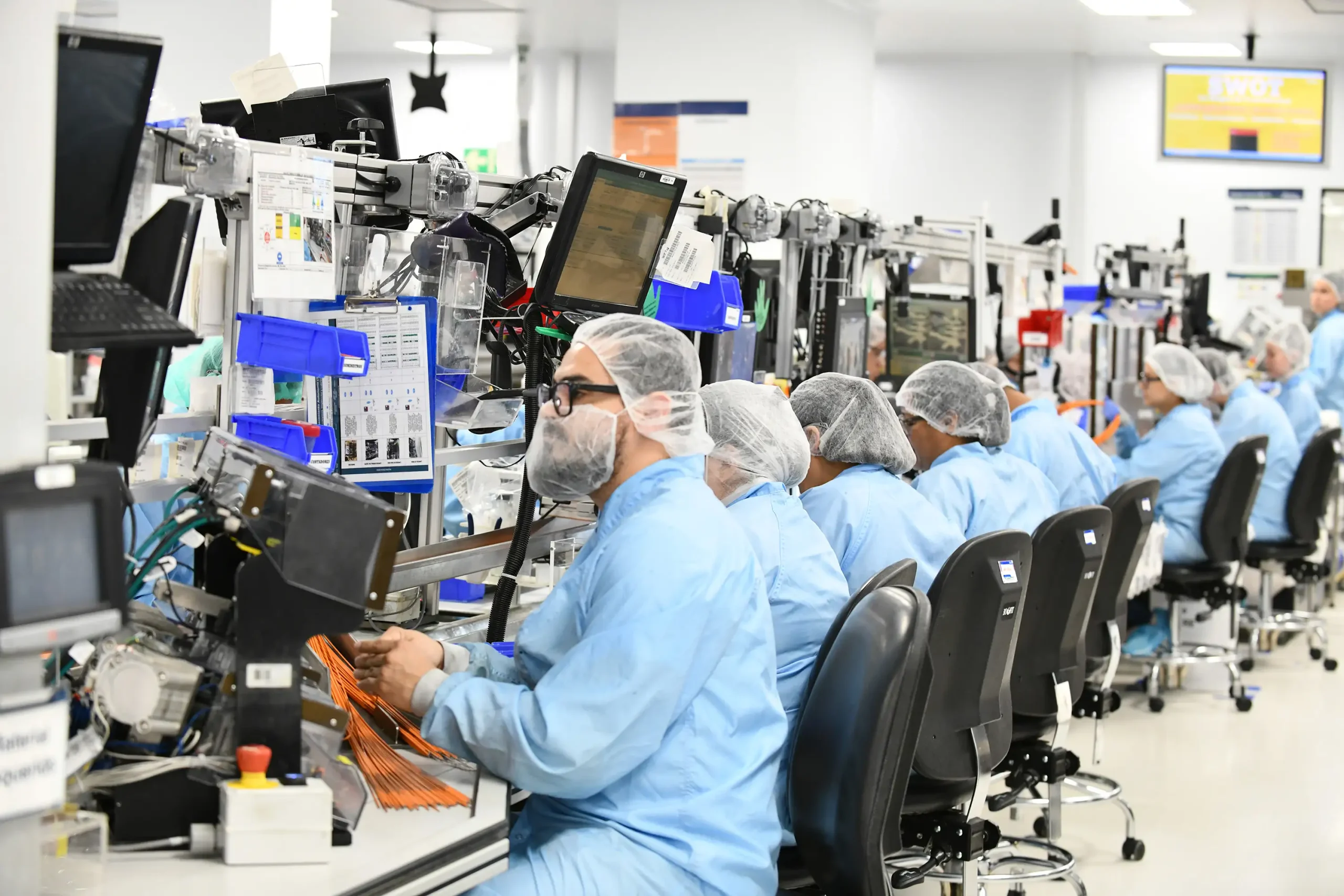
While technologies like AI and automation will be critical for businesses to remain competitive in these times of such low consumer confidence, it is important not to overlook the importance of in-person human interaction. Retailers with omnichannel strategies retain an average of 89 per cent of their customers, according to Teleperformance DIBS, and any businesses failing to focus directly on customer experience will struggle with customer retention.
Rajnish Sharma at Teleperformance Digital Integrated Business Services believes that “With people so worried about their personal finances in the increasing economic uncertainty, it will take a lot more than just a good product or service to persuade the average consumer to hand over their cash.”
“Consumers are looking for frictionless, hassle-free and personalised customer experiences. To remain competitive in these times of economic uncertainty, businesses need to be available to provide round-the-clock, real-time service – at the consumer’s convenience. While AI bots are widely being introduced to improve engagement and streamline communication, it’s important to note that human interactions are not just cognitive, but social and emotional.”
TOP STORIES
-
 Anthropic warns AI could pose ‘existential risks’ as it files for stock market flotation
 -
North Korean agents are infiltrating Western businesses by posing as employees, security chief warns
-
Hackers could bring Britain’s essential services to a standstill, security chief warns after global website shutdowns
-
We’re talking to almost twice as many people on the phone as a decade ago, study finds
-
Scientists and engineers quitting jobs as AI changes roles ‘beyond recognition’, study finds
-
Deepfakes and identity fraud drive new wave of post-hire background checks
-
Brits trust AI with their health but not their money
-
Robot sales rocket 24% as 250,000 machines snap up jobs in warehouses, hotels and hospitals
-
Nearshore supply chains: why Costa Rica is emerging as a strategic gateway for global manufacturing and innovation
-
Bank of England governor warns AI poses growing ‘increasingly significant’ threat to financial stability
-
Inside Cartago’s US$1.186bn green investment hub
-
Smart manufacturing: why Costa Rica is quietly positioning itself as Latin America’s next industrial innovation hub
-
Giant wind turbine with 252-metre rotor could mean fewer machines and cheaper offshore power
-
Talent and workforce development: how Costa Rica is building a competitive knowledge economy
-
Your biggest rival could be your best technology partner, research finds
-
China unveils giant crane capable of lifting 9,300 family cars
-
LED lights could be ‘the new asbestos’, UCL scientists warn
-
OpenAI admits AI models hid mistakes, invented data and acted without permission
-
AI arms race could mean fewer cold emails reaching your inbox
-
Costa Rica is writing the next chapter of global MedTech
-
SpaceX to launch one-tonne orbital factory for European space firm in 2028
-
The Costa Rica Report 2026 is out now
-
Europe’s healthcare sector lags on AI uptake – but leads once it starts using it
-
Stranded drivers could soon call for help even with no mobile signal
-
NASA backs space ‘air brake’ that could cut years off missions to Uranus and Neptune




















Consumer confidence remains low as companies look to provide a human touch
John E. Kaye
- Published
- Home, Technology
TOP STORIES
-
Anthropic warns AI could pose ‘existential risks’ as it files for stock market flotation
-
North Korean agents are infiltrating Western businesses by posing as employees, security chief warns
-
Hackers could bring Britain’s essential services to a standstill, security chief warns after global website shutdowns
-
We’re talking to almost twice as many people on the phone as a decade ago, study finds
-
Scientists and engineers quitting jobs as AI changes roles ‘beyond recognition’, study finds
-
Deepfakes and identity fraud drive new wave of post-hire background checks
-
Brits trust AI with their health but not their money
-
Robot sales rocket 24% as 250,000 machines snap up jobs in warehouses, hotels and hospitals
-
Nearshore supply chains: why Costa Rica is emerging as a strategic gateway for global manufacturing and innovation
-
Bank of England governor warns AI poses growing ‘increasingly significant’ threat to financial stability
-
Inside Cartago’s US$1.186bn green investment hub
-
Smart manufacturing: why Costa Rica is quietly positioning itself as Latin America’s next industrial innovation hub
-
Giant wind turbine with 252-metre rotor could mean fewer machines and cheaper offshore power
-
Talent and workforce development: how Costa Rica is building a competitive knowledge economy
-
Your biggest rival could be your best technology partner, research finds
-
China unveils giant crane capable of lifting 9,300 family cars
-
LED lights could be ‘the new asbestos’, UCL scientists warn
-
OpenAI admits AI models hid mistakes, invented data and acted without permission
-
AI arms race could mean fewer cold emails reaching your inbox
-
Costa Rica is writing the next chapter of global MedTech
-
SpaceX to launch one-tonne orbital factory for European space firm in 2028
-
The Costa Rica Report 2026 is out now
-
Europe’s healthcare sector lags on AI uptake – but leads once it starts using it
-
Stranded drivers could soon call for help even with no mobile signal
-
NASA backs space ‘air brake’ that could cut years off missions to Uranus and Neptune



