From delivering parcels to cleaning floors and assisting surgeons, robots are becoming big business – and now thousands of human-like machines are joining them
Robots are taking over an increasing number of everyday tasks, with sales of professional machines rocketing 24 per cent last year as businesses race to automate their operations.
Almost 250,000 professional service robots were sold worldwide in 2025, according to new figures from the International Federation of Robotics (IFR), with demand soaring across logistics, hospitality and healthcare.
A further 7,000 full-size humanoid robots intended for commercial and professional use were sold in the same period, figures show.
Jane Heffner, the president of the IFR, said: “Service robots are expanding into everyday operations.
“Sales went up across all three segments with double-digit growth rates: professional service robots gained 24 per cent, medical robots grew 19 per cent, and consumer service robots surged by an impressive 37 per cent.”
The findings, published yesterday the IFR’s World Robotics 2026 report, reveal how rapidly machines are moving beyond factories and into everyday workplaces.
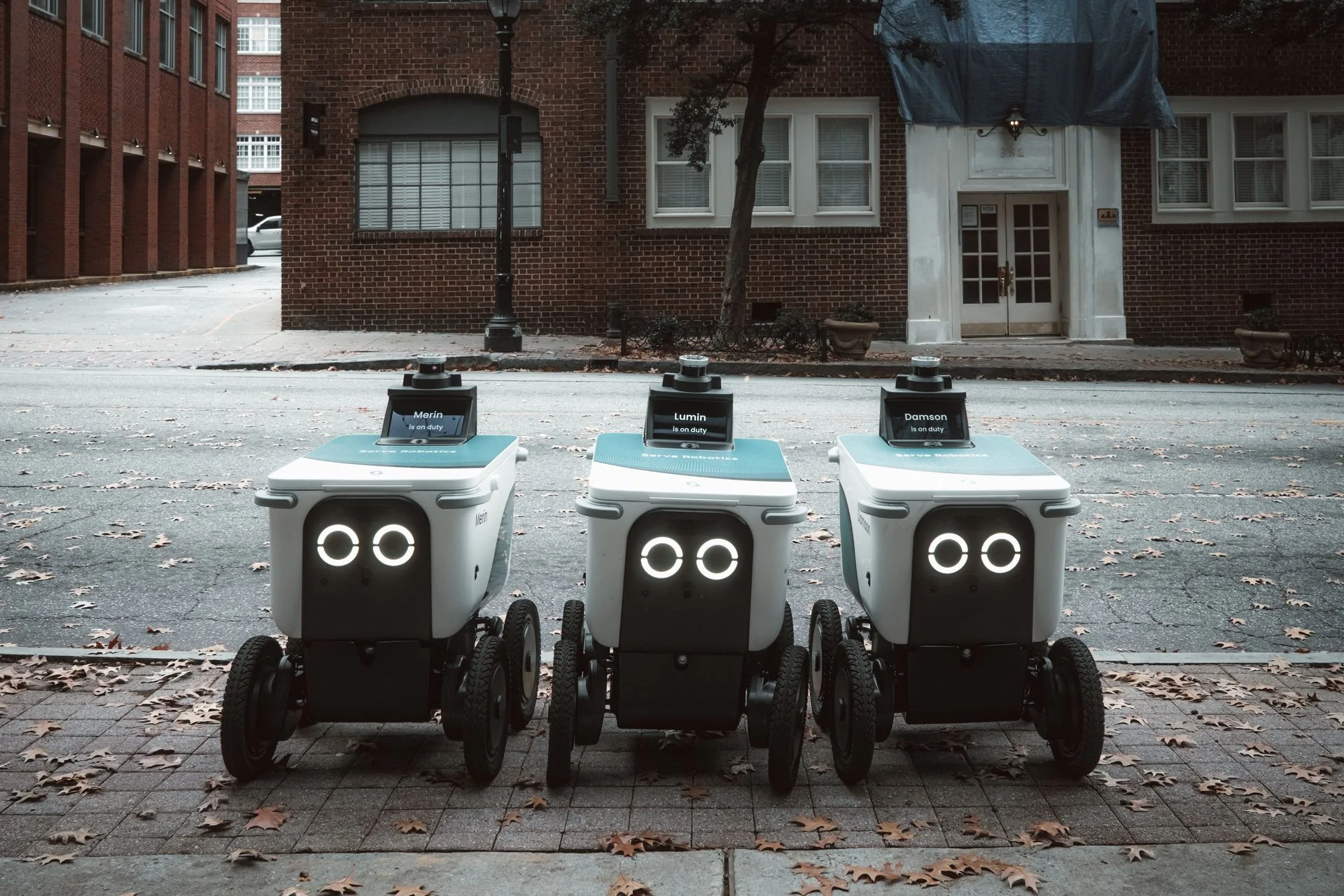
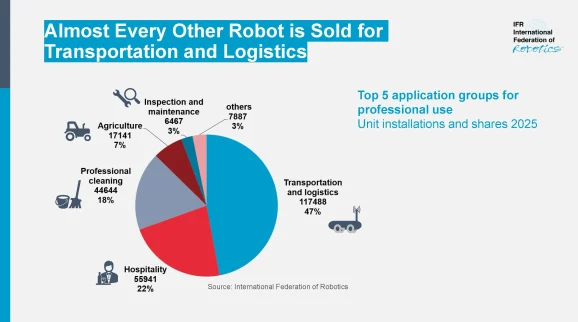
According to the report, warehouses and delivery companies led the charge, buying 117,500 transport and logistics robots – an increase of 21 per cent and almost half of all professional service robot sales covered by the report.
Hotels and other hospitality businesses were the second-biggest market, snapping up machines capable of guiding visitors, providing information and offering remote communication services.
Professional cleaning robots came third, with machines increasingly taking over routine floor-cleaning duties.

Meanwhile, advances in artificial intelligence have helped fuel interest in humanoid robots, designed to resemble people and work in environments originally built for humans.
Around 7,000 machines measuring more than 140cm were sold worldwide last year, although many remain restricted to specialised tasks or require remote human operators.
High costs, safety concerns and difficulties developing reliable machines continue to prevent their widespread adoption.
The boom is also reaching people’s homes, with sales of consumer service robots – now capable of tackling many household chores and connecting to smart home systems – surging 37 per cent to almost 34.2 million units.
Hospitals are embracing the technology, too, with sales of surgical robots jumping 57 per cent to 8,400 units amid growing adoption by healthcare professionals.
READ MORE: Robots that work, play and even tackle the laundry go on show in Beijing. More than 300 companies are showing machines that sort parcels, assemble car parts, help around the home and fight each other as the World Robot Conference puts the latest humanoid technology to the test.
Do you have news to share or expertise to contribute? The European welcomes insights from business leaders and sector specialists. Get in touch with our editorial team to find out more.
Main image: Connor Scott McManus / Pexels