As global industries become increasingly driven by innovation, digital transformation, and advanced technologies, the ability to attract, develop, and retain skilled talent has become one of the most important determinants of long-term economic competitiveness. Around the world, countries are competing not only for investment capital but for highly skilled professionals capable of supporting sophisticated industries ranging from advanced manufacturing and life sciences to software engineering, artificial intelligence, and financial technology
In Costa Rica, talent and workforce development have emerged as central pillars of the country’s economic strategy. Over several decades, the country has transformed itself from a largely agriculture-based economy into one of Latin America’s most dynamic hubs for advanced manufacturing, technology services, engineering, and innovation-led investment. At the heart of this transformation is a deliberate focus on education, technical capability, and human capital development.
Today, multinational corporations increasingly view Costa Rica not simply as a cost-effective operational base but as a sophisticated talent market capable of supporting high-value global business functions. From medical technology and shared services to software development and research engineering, the country’s workforce is playing an increasingly strategic role within international supply chains and innovation ecosystems.
A long-term commitment to education
Costa Rica’s workforce development success is rooted in decades of investment in education and social development. Unlike many countries in the region, Costa Rica historically prioritised education, healthcare, and institutional stability as part of its long-term national development model.
The country consistently ranks highly in Latin America for literacy rates, educational attainment, and human development indicators. Public investment in education has helped create a broad talent base capable of adapting to rapidly evolving economic demands.
This commitment has proven particularly valuable as global industries increasingly require technical expertise, multilingual communication skills, and digital competencies. Costa Rica’s education system has gradually evolved to support these emerging needs, with universities, technical institutions, and vocational programmes placing greater emphasis on science, engineering, technology, and business-related disciplines.
Importantly, workforce development in Costa Rica is no longer viewed solely as a social policy objective. It has become a core component of the country’s economic competitiveness strategy.
Supporting the growth of advanced industries
The evolution of Costa Rica’s workforce has closely mirrored the country’s broader economic transformation. As multinational corporations expanded operations within the country, demand for highly skilled professionals increased significantly.
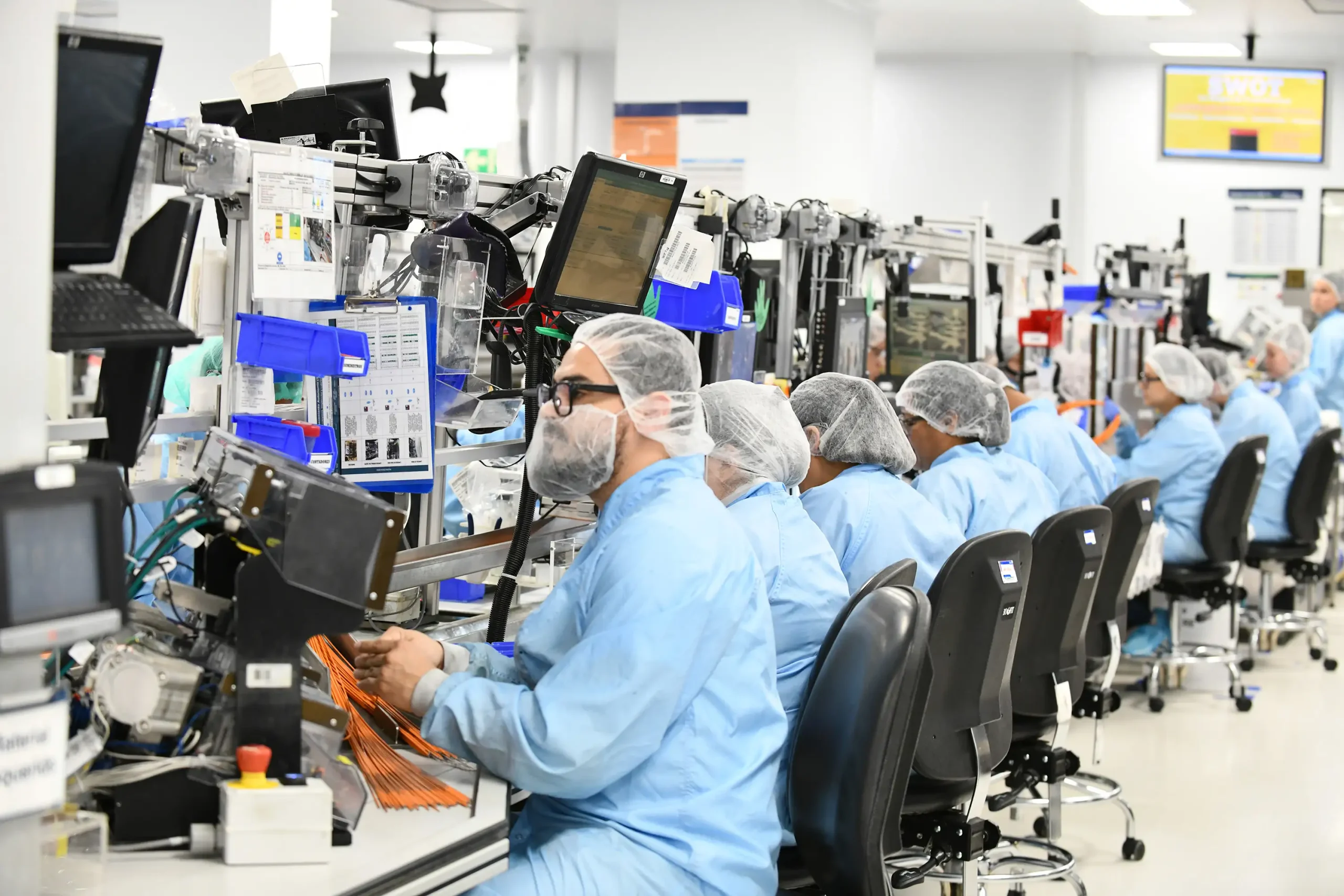
Today, Costa Rica supports a diverse range of industries requiring advanced technical expertise. The country has become internationally recognised for its medical technology manufacturing sector, which relies heavily on engineers, compliance specialists, technicians, and quality assurance professionals.

In addition, the rapid growth of shared services centres, digital operations, cybersecurity teams, software engineering functions, and financial service hubs has created strong demand for multilingual professionals with expertise across technology, finance, analytics, and customer operations.
Many multinational companies operating in Costa Rica have also shifted higher-value activities into the country, including research and development, engineering support, product design, and innovation management. This progression reflects growing confidence in the capabilities of the local workforce.
As a result, Costa Rica is increasingly competing within the global knowledge economy rather than solely within traditional manufacturing sectors.
Collaboration between industry and education
One of Costa Rica’s key strengths is the growing collaboration between private industry, universities, and technical training institutions. This partnership-driven approach has helped align workforce development initiatives with the evolving needs of global employers.
Universities across Costa Rica have expanded programmes focused on engineering, life sciences, software development, business administration, and digital technologies. At the same time, technical institutes and vocational training centres are increasingly providing specialised certifications and practical training aligned with industry requirements.

Many multinational companies actively collaborate with academic institutions through internship programmes, research partnerships, training initiatives, and curriculum development. These partnerships help ensure graduates are equipped with relevant technical and professional skills before entering the workforce.
The country has also placed growing emphasis on English- language education and digital literacy, recognising that global integration requires strong communication capabilities alongside technical expertise.
This collaborative ecosystem has helped Costa Rica maintain a relatively agile workforce development model capable of adapting to changing economic conditions and emerging technologies.
The rise of digital talent
Digital transformation is reshaping virtually every sector of the global economy, and Costa Rica is positioning itself as a regional hub for digital talent and technology-enabled services.
The country has experienced significant growth across software engineering, cloud computing, cybersecurity, fintech, data analytics, and business process outsourcing. Global companies increasingly rely on Costa Rican teams to support regional and international operations in highly specialised technical areas.
The expansion of remote work and hybrid operational models has further accelerated demand for digital talent. Costa Rica’s combination of technical capability, strong infrastructure, time- zone alignment with North America, and political stability has made it particularly attractive for international firms seeking regional technology and service hubs.
As artificial intelligence, automation, and digital platforms continue transforming global business models, the ability to continuously upskill and reskill the workforce will become increasingly important.
Costa Rica appears well aware of this challenge. Both public and private sector stakeholders are investing more heavily in digital education, STEM programmes, innovation initiatives, and entrepreneurship development to support long-term competitiveness.
Talent as a driver of foreign direct investment
Workforce quality has become one of Costa Rica’s most important competitive advantages in attracting foreign direct investment (FDI). While cost efficiency remains relevant, many multinational corporations now prioritise operational quality, technical expertise, innovation capacity, and workforce reliability when making investment decisions.
Costa Rica’s reputation for political stability, education, and skilled talent has helped differentiate it from many other emerging markets competing for international investment.
Global companies operating in sectors such as life sciences, advanced manufacturing, financial services, and digital technologies increasingly require operational environments capable of supporting highly regulated, technically sophisticated, and innovation-driven activities.
Costa Rica’s workforce capabilities enable the country to compete for precisely these types of investments.
Importantly, the country’s appeal also extends beyond operational efficiency. Quality of life, healthcare access, environmental sustainability, and overall social stability help attract international executives, engineers, and professionals relocating to support regional operations.
In a world where talent availability is becoming one of the most critical factors in business expansion decisions, Costa Rica’s human capital strategy is proving increasingly valuable.
Challenges in a competitive global talent market
Despite its success, Costa Rica also faces important workforce- related challenges. Competition for skilled professionals is intensifying as more multinational firms establish operations within the country. Certain sectors, particularly engineering, software development, and advanced technical services, are already experiencing growing pressure on talent supply.
To sustain long-term growth, continued investment in education, technical training, and digital infrastructure will be essential. Workforce participation rates, regional educational disparities, and access to advanced technical training remain important areas for improvement.
There is also increasing recognition that innovation ecosystems must continue evolving to support entrepreneurship, research commercialisation, and local business development alongside multinational investment.
Nevertheless, Costa Rica’s long-term trajectory remains highly positive. The country has demonstrated that strategic investment in education and human capital can become a powerful driver of economic transformation and global competitiveness.
Looking ahead
As industries around the world continue shifting toward knowledge-intensive and technology-driven business models, workforce capability will only become more important. Costa Rica’s experience highlights how smaller economies can successfully compete by focusing on talent, adaptability, and innovation rather than relying solely on low-cost labour advantages.

The country’s growing reputation as a hub for advanced manufacturing, engineering, digital services, and innovation is deeply connected to the quality and resilience of its workforce.
In the years ahead, Costa Rica’s ability to continue developing highly skilled, future-ready talent will play a defining role in shaping its position within the global economy — and may well determine how successfully it transitions from a regional manufacturing centre into a fully integrated knowledge and innovation economy.
Further Information
Produced with support from CINDE. To find out more about Costa Rica’s life-sciences sector and investment opportunities, visit www.cinde.org
READ MORE: Costa Rica is writing the next chapter of global MedTech. From cardiovascular devices to surgical robotics, a small Central American nation has quietly become home to 18 of the world’s top 35 medical device companies, and the industry is only accelerating.
Do you have news to share or expertise to contribute? The European welcomes insights from business leaders and sector specialists. Get in touch with our editorial team to find out more.