The tiny cubs weighed just 90 grams each at birth and provide a welcome boost for an endangered species thought to number fewer than 10,000 in the wild
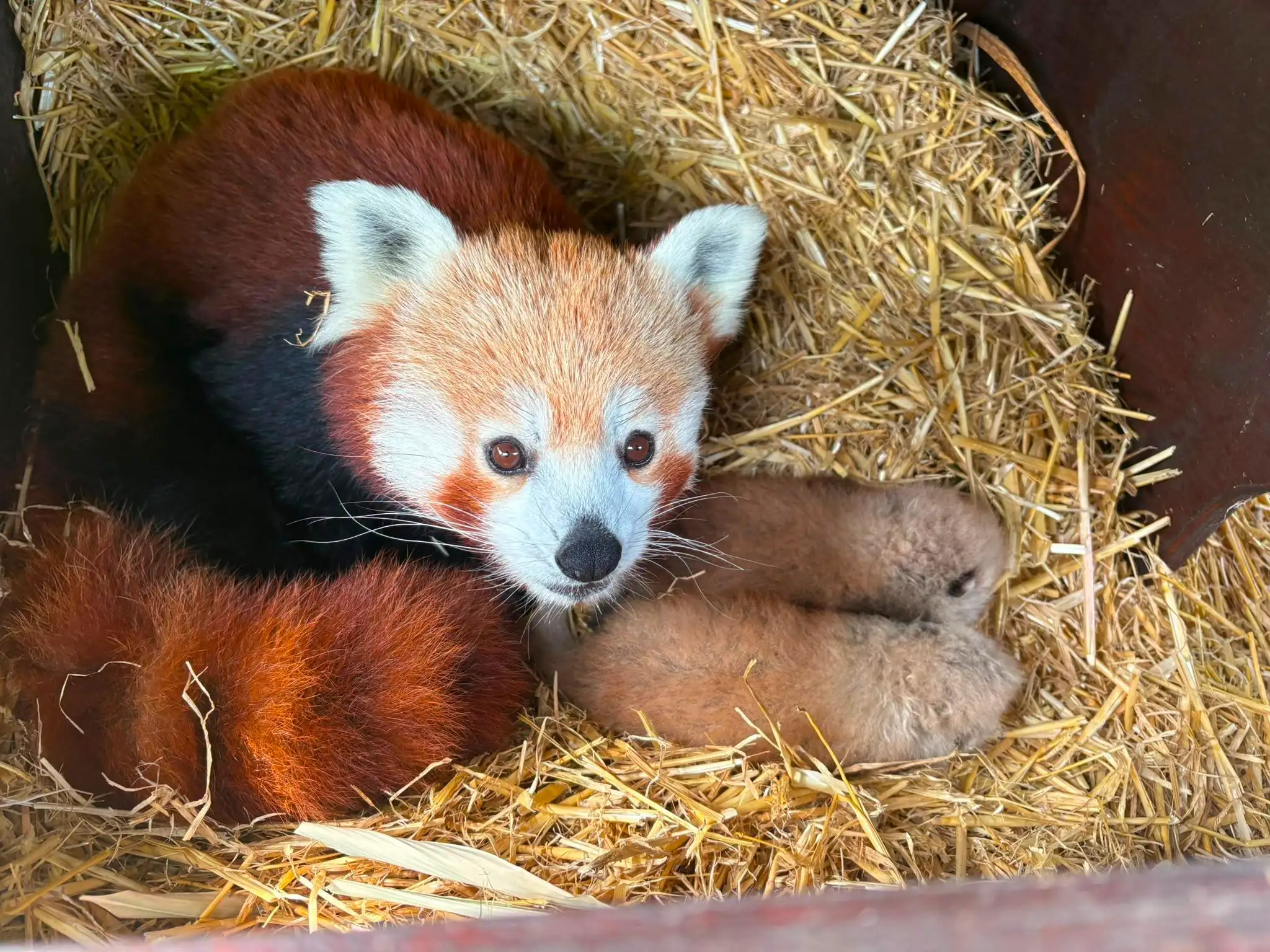
Two rare red pandas have been born at Whipsnade Zoo in a welcome boost for a species thought to number fewer than 10,000 in the wild.
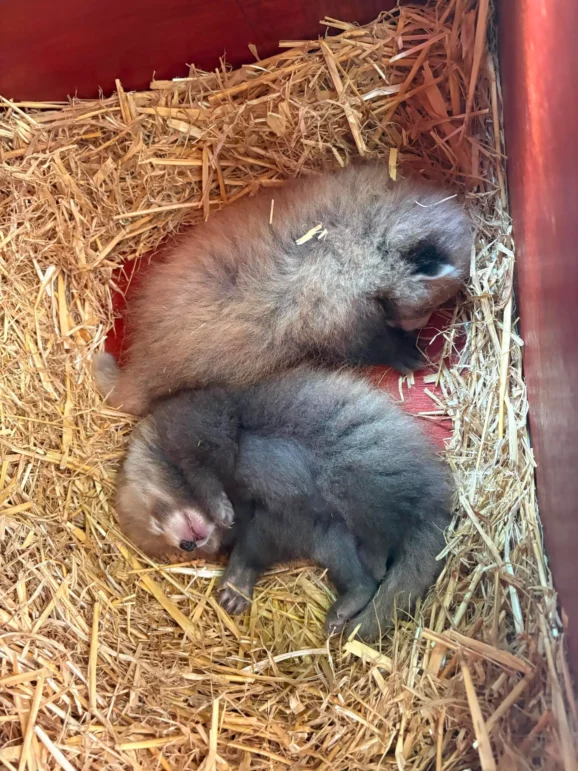
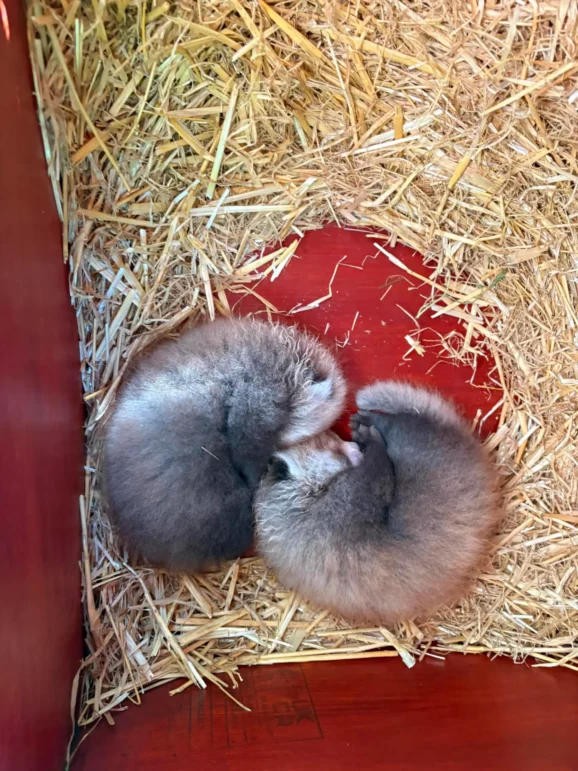
The cubs were born overnight on July 16 to five-year-old female Ruby and six-year-old male Nilo, weighing around 90 grams each at birth – roughly the weight of a banana.
They are now being cared for by their mother inside a nest box and are expected to remain there until they are around three months old and strong enough to begin exploring their enclosure.
Red pandas are classified as Endangered and their numbers are continuing to decline in the wild, with habitat loss, fragmentation, degradation and poaching among the major threats facing the species. WWF says fewer than 10,000 are believed to remain, although the exact number is unknown.
Amanda Robinson, from Whipsnade Zoo, said keepers will confirm the cubs’ sexes at their first veterinary health check at around ten weeks, when they will also begin choosing names.
She said: “We knew Ruby was pregnant from her behaviour changes and weight gain, so we were absolutely delighted when these two healthy babies arrived back in July.
“We’re keeping a close eye on the family while giving them space to bond and grow, and it’s clear Ruby is an excellent mum and has been doing a brilliant job caring for her two little ones.
“The cubs are still very young and we won’t know their sexes until their first health check with our veterinary team, at around ten weeks old. At that point, we’ll also start thinking about naming the duo.”
The Whipsnade cubs form part of a European conservation breeding programme designed to maintain a healthy and genetically diverse population of red pandas in zoos while conservationists work to protect the species in the wild.
Despite their name, red pandas are not closely related to giant pandas and belong to their own taxonomic family, Ailuridae. Their long tails help them balance in the trees, while flexible ankles and curved claws allow them to climb head-first down trunks.
They are native to high-altitude forests across Nepal, India, Bhutan, Myanmar and China, where they spend much of their time in trees and feed mainly on bamboo.
READ MORE: In search of Vancouver Island’s sea wolves. In a secluded corner of Vancouver Island, a remarkable population of wolves has adapted to life on the Pacific coast, feeding almost entirely on food from the ocean. Professor Tim Coulson and his wife Sonya travelled to a remote wilderness camp to join sea wolf expert Tom McPherson in search of one of North America’s most elusive predators.
Do you have news to share or expertise to contribute? The European welcomes insights from business leaders and sector specialists. Get in touch with our editorial team to find out more.
Main image: Five-year-old red panda Ruby with her two cubs, born at Whipsnade Zoo on July 16 as part of a European conservation breeding programme. Credit: Whipsnade Zoo