BP profits more than double as oil price surge lifts trading business

John E. Kaye
- Published
- Banking & Finance, News
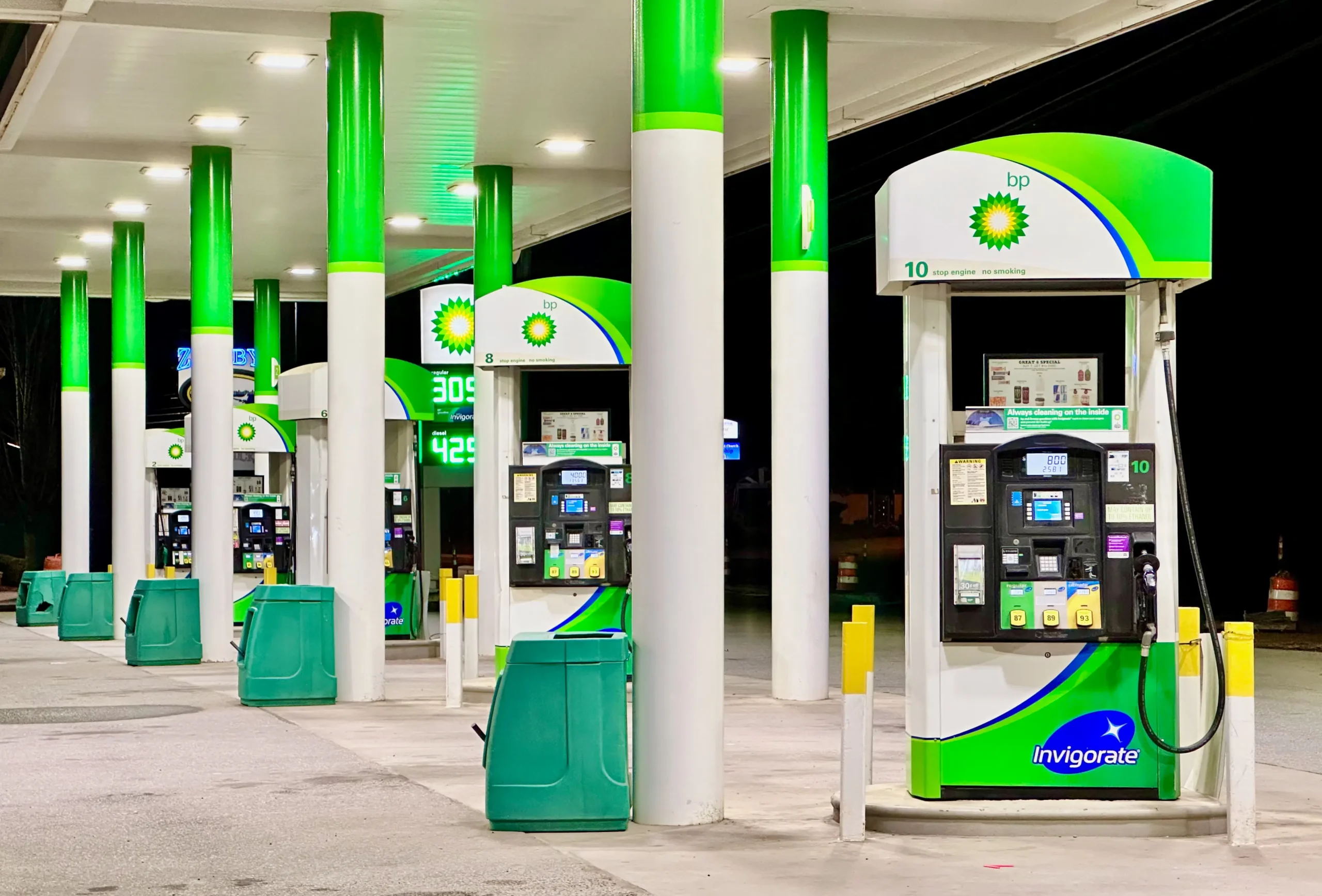
The energy giant reported first-quarter profits of $3.2 billion after sharp swings in crude prices during the Iran conflict boosted returns from oil trading
BP’s underlying profits more than doubled in the first three months of the year after oil market volatility helped deliver a surge in earnings from its trading and refining businesses.
The energy group reported underlying replacement cost profit of US$3.2 billion for the quarter, up from US$1.38 billion a year earlier. Reported profit attributable to shareholders rose to US$3.84 billion from US$687 million.
The strongest contribution came from BP’s customers and products division, where replacement cost profit before interest and tax jumped to US$2.45 billion from US$103 million a year earlier.
On an underlying basis, the division made US$3.2 billion, up from US$677 million, after stronger refining margins, higher refinery throughput and what BP described as an “exceptional” oil trading performance.
The products business, which includes refining and trading, delivered an underlying result of US$2.19 billion, compared with just US$13 million a year earlier. BP’s average refining indicator margin rose to US$16.9 a barrel from US$8.1, while refinery throughput increased to 1.53 million barrels a day and refining availability improved to 96.3 per cent.
Operating cash flow was US$2.86 billion, broadly unchanged from US$2.83 billion a year earlier, despite a US$6 billion working capital build linked to higher prices, seasonal inventory movements, longer shipping routes and payment timing. Net debt rose to US$25.3 billion at the end of March from US$22.2 billion three months earlier.
Group upstream production was broadly flat against the previous quarter at 2.339 million barrels of oil equivalent a day, compared with 2.344 million in the final quarter of 2025 and 2.239 million a year earlier. BP said higher production in the Gulf of America and at bpx Energy helped offset disruption in the Middle East and the impact of a North Sea divestment.
New chief executive Meg O’Neill said: “I join at a time when our industry is operating in an environment of conflict and complexity, playing a vital role in keeping energy flowing.” She added that BP had kept production levels steady despite continuing disruption and said the group was working with customers and governments to “get fuel where it’s needed”.
BP said it expected second-quarter upstream production to be lower because of seasonal maintenance, mainly in the Gulf of America, and the continuing effects of disruption in the Middle East. It also warned that refining throughput would be hit by a higher level of planned refinery turnaround activity, while margins would remain sensitive to supply costs and conditions in the region.
The company left its full-year capital spending guidance unchanged at US$13 billion to US$13.5 billion and said it still expected US$9 billion to US$10 billion of divestment and other proceeds in 2026. That includes about US$6 billion from the planned sale of a 65 per cent stake in Castrol.
The quarterly dividend was raised to 8.320 cents a share, from 8.000 cents a year earlier.
READ MORE: Global energy crisis ‘worse than 1970s oil shocks combined’, IEA chief warns. Fatih Birol says disruption from the Iran conflict has cut oil and gas supplies on a scale exceeding historic crises, posing a “major threat” to the global economy.
Do you have news to share or expertise to contribute? The European welcomes insights from business leaders and sector specialists. Get in touch with our editorial team to find out more.
Main image: BP petrol pumps in North Carolina. The energy group said stronger refining margins and an “exceptional” oil trading performance helped underlying profits more than double in the first quarter. Credit: Harrison Keely, CC BY 4.0 / Wikimedia Commons
TOP STORIES
-
 France faces freezer meltdown as hackers strike supermarket chains
 -
Bumble shares soar 50% amid $1bn takeover talks
-
China slump drives Volkswagen to sharpest quarterly fall in more than four years
-
Hollywood mega-powerhouse created as Paramount completes Warner Bros Discovery takeover
-
Gamers face gridlock as latest Grand Theft Auto download 'nears two days'
-
Samsung profits soar ninefold to record £61bn amid AI chip boom
-
New Springer books put the UN’s struggling sustainability goals to the real-world test
-
Europe’s solar boom set for two-year slowdown after record growth
-
Let it pea. Musicians turn vegetables into instruments at Beatles' Abbey Road studios
-
Golden naked Trump statue unveiled at European Parliament
-
Jaguar puts controversial rebrand on the road with £130K 1,030PS Type 01
-
Deepfakes and identity fraud drive new wave of post-hire background checks
-
Spain crowned Europe’s top retirement destination
-
More than half of UK professionals report workplace burnout
-
More than 1.2m English drivers may have eyesight too poor for the road, study finds
-
David Reuben, Britain’s second richest person, leaves London for Monaco
-
UK prisoner release plan faces a major lag as tougher rules risk sending inmates back to jail
-
Brits trust AI with their health but not their money
-
Britain still hungry for Italian food as exports hit €4.56bn despite Brexit
-
Women who earn more than their partners still pay the price at work, landmark study finds
-
Vape expectations go up in smoke as new UK tax sparks fury
-
Robot sales rocket 24% as 250,000 machines snap up jobs in warehouses, hotels and hospitals
-
New-build homeowners should not be left with ‘mud and a fence’, campaigners warn
-
Bank of England governor warns AI poses growing ‘increasingly significant’ threat to financial stability
-
UK economy grows faster than first thought as household incomes bounce back