Mobile operators warn of higher bills and slower 5G rollout after energy support exclusion

John E. Kaye
- Published
- News, Technology
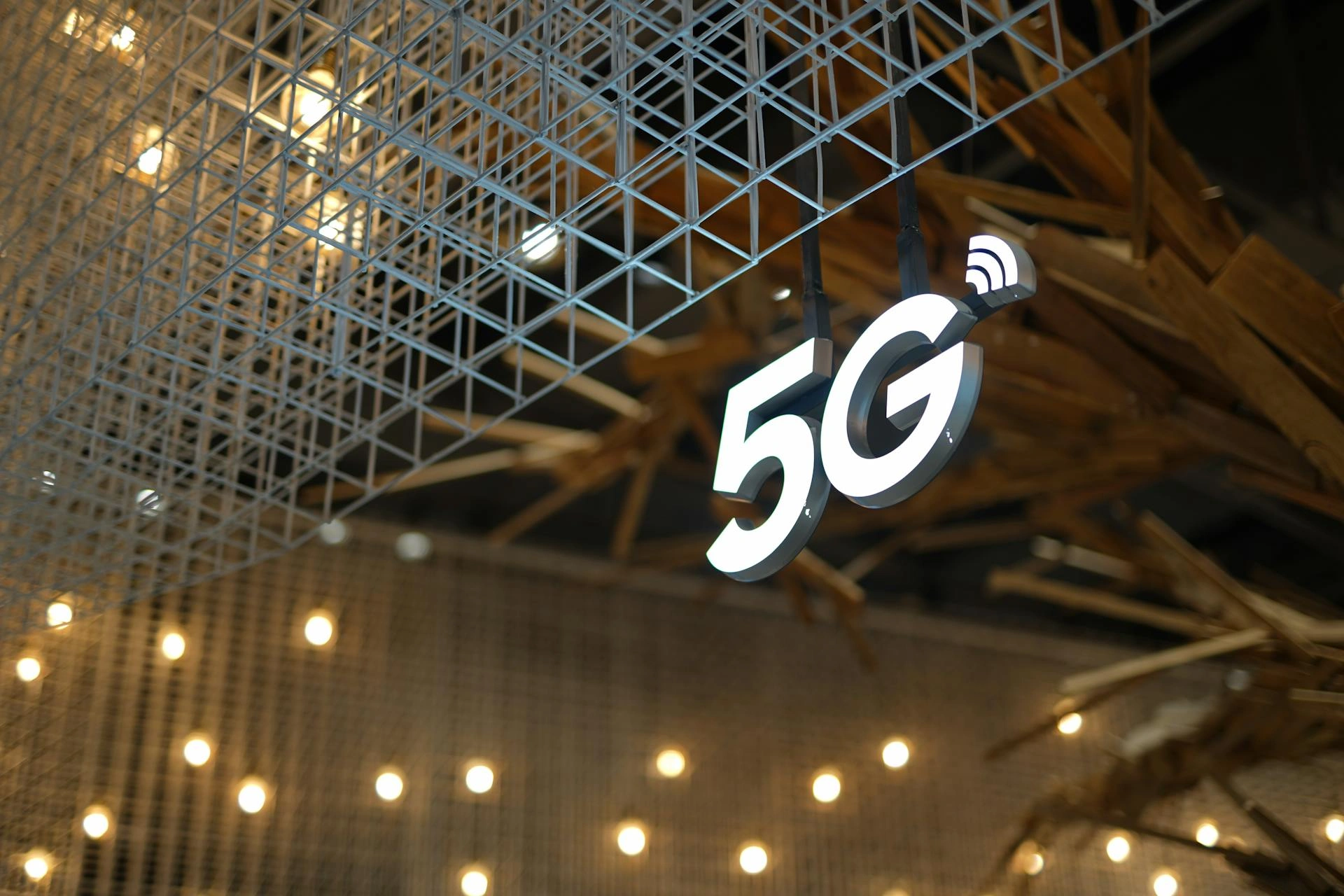
Britain’s biggest telecoms groups say their exclusion from the government’s electricity relief scheme leaves critical national infrastructure exposed to rising power costs linked to the conflict involving Iran, with possible consequences for prices, investment and jobs
Britain’s biggest mobile operators have warned of higher costs, weaker investment and pressure on network capacity after being excluded from a government energy support scheme as electricity prices rise during the conflict involving Iran.
Telecoms companies say the latest extension of the British Industrial Competitiveness Scheme leaves them facing the full impact of higher power costs despite the sector’s role as critical national infrastructure and its need to keep networks operating around the clock.
The scheme gives around 10,000 energy-intensive businesses a 25 per cent discount on electricity bills.
But operators including VodafoneThree, Virgin Media O2 and BT-owned EE were reportedly excluded from the scheme, leaving some of Britain’s biggest mobile networks exposed to the full impact of rising electricity costs.
Industry sources have described the omission as a “serious oversight”, saying mobile networks cannot cut usage in the way some manufacturers can because they must operate around the clock and cannot shift demand into cheaper off-peak periods.
Major operators consume just under one terawatt-hour of electricity a year each – enough to power about 370,000 homes – while electricity prices have risen by 33 per cent since the start of the war in Iran.
Telecoms bosses are said to be drawing up contingency plans for a worst-case scenario, including running networks at lower capacity to cut energy use. That could mean restricted access for customers or higher charges at peak times.
The warning from telecoms companies comes as the wider energy shock linked to the Iran conflict spreads across the economy.
European officials have also raised concerns over air travel disruption, with Lufthansa cutting 20,000 flights from its summer schedule and airlines urging governments to prepare for further fuel pressure.
READ MORE: AI is rewriting Europe’s networks from the inside out — and the continent isn’t ready. Reporting from Mobile World Congress in Barcelona, Marco Ryan finds an industry that has already begun redesigning its networks for the demands of artificial intelligence — raising urgent questions about whether Europe’s fragmented telecoms market and regulatory framework can keep pace.
Do you have news to share or expertise to contribute? The European welcomes insights from business leaders and sector specialists. Get in touch with our editorial team to find out more.
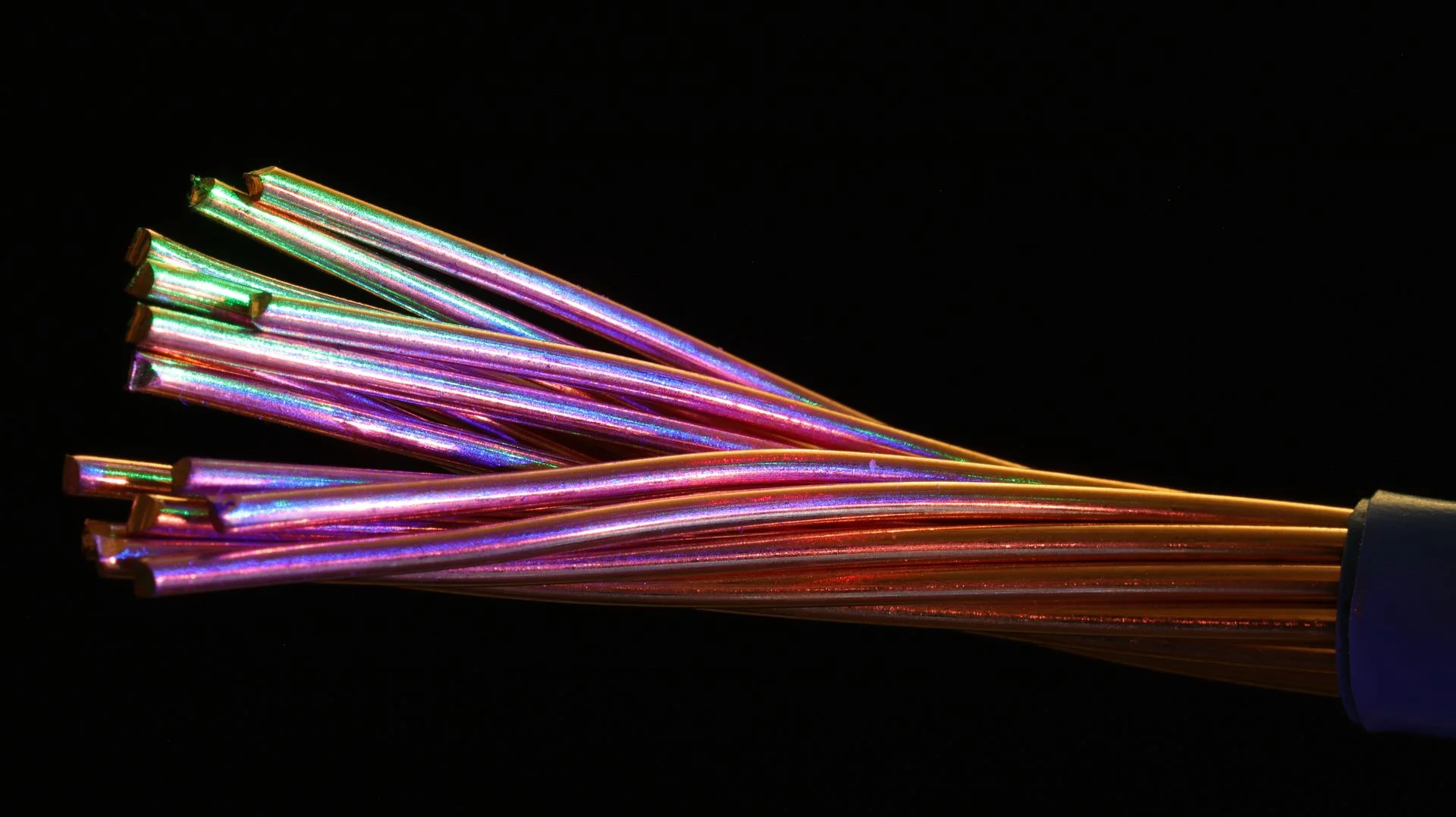
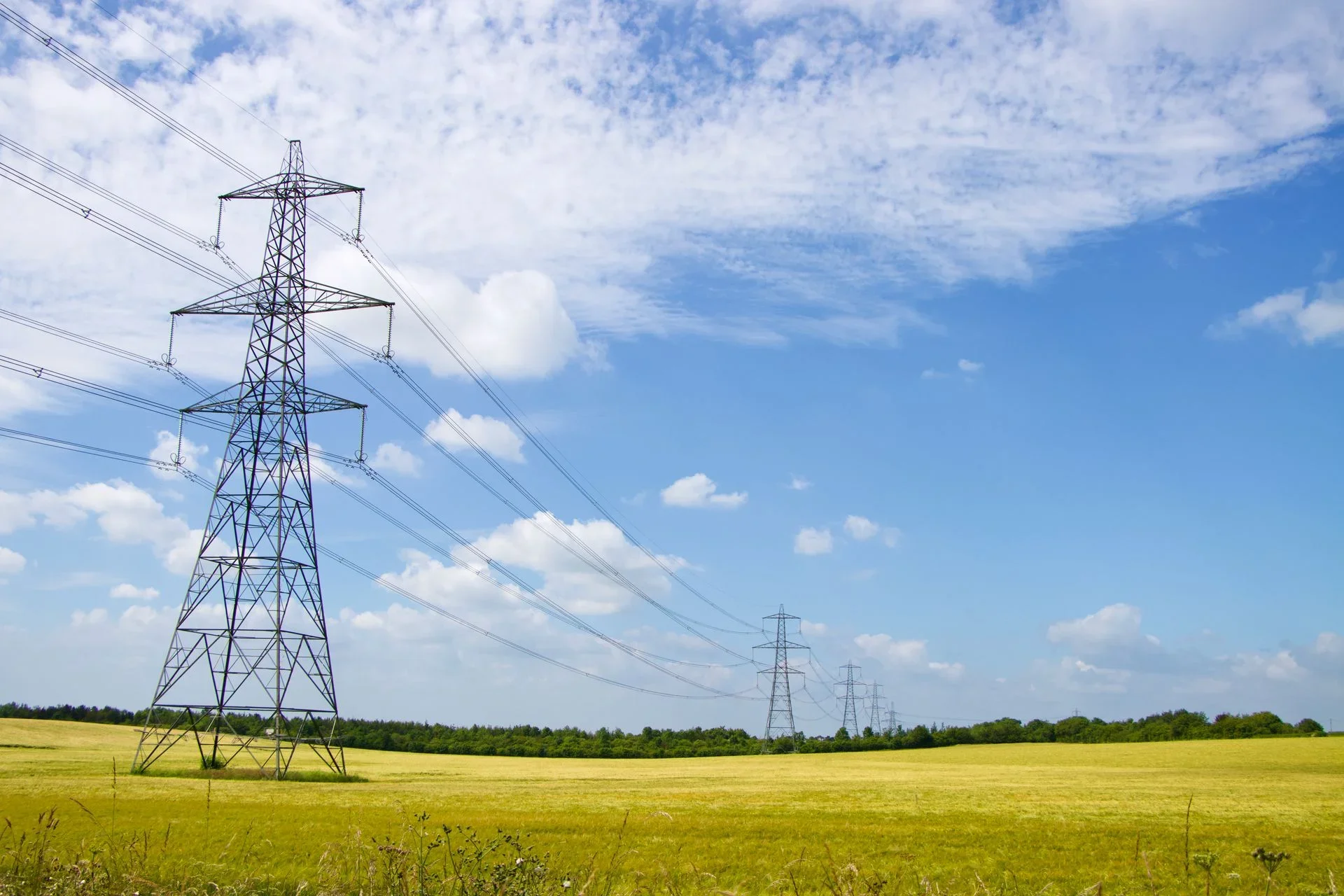
Main image: Zz/Pexels
TOP STORIES
-
 North Korean agents are infiltrating Western businesses by posing as employees, security chief warns
 -
Route 66 turns 100 next month – and there’s never been a better excuse for Europeans to hit the road
-
Serbia erupts in celebration as student protesters end Vučić’s 14-year grip on power
-
Two killed as Storm Boelo batters Britain with 85mph winds and leaves 90,000 homes without power
-
Man arrested on suspicion of arson after fire destroys Hitler’s Eagle’s Nest retreat
-
Britain faces higher winter energy prices as reliance on European electricity imports grows
-
Andy Burnham to make special Gogglebox appearance for Stand Up To Cancer
-
WPSL Golf targets £120 million valuation as billionaire-backed corporate deals and other commercial deals drive explosive global growth
-
Hackers could bring Britain’s essential services to a standstill, security chief warns after global website shutdowns
-
We’re talking to almost twice as many people on the phone as a decade ago, study finds
-
TalkTalk sells majority stake in Telecom Acquisitions as founder Nigel Barnett regains control
-
Company closures soar ahead of tax rises as new Budget looms
-
An Italian affair – Stanley Johnson takes London’s society set on the Silk Road
-
Himalayan mountainside moved 40cm before avalanche killed 1,451 in Nepal, scientists reveal
-
Scientists and engineers quitting jobs as AI changes roles ‘beyond recognition’, study finds
-
UK profit warnings hit near two-year high as businesses struggle with rising costs
-
Microsoft pulls out of major UK AI data centre project amid power grid delays
-
Russia takes control of more European corporate assets amid Ukraine tensions
-
EU leaders resist calls to delay carbon rules as energy costs soar
-
‘A big step forward’ – PM Andy Burnham hails plans for Great British Railways HQ in Derby
-
UK economy grows just 0.1 per cent as construction falls and services stall
-
Germany risks losing €155bn a year under tighter AI data rules, new study warns
-
Pope Leo XIV diagnosed with lung cancer after surgery in Rome
-
France faces freezer meltdown as hackers strike supermarket chains
-
Bumble shares soar 50% amid $1bn takeover talks