
Cross-border structuring: what global families need to know about Liechtenstein

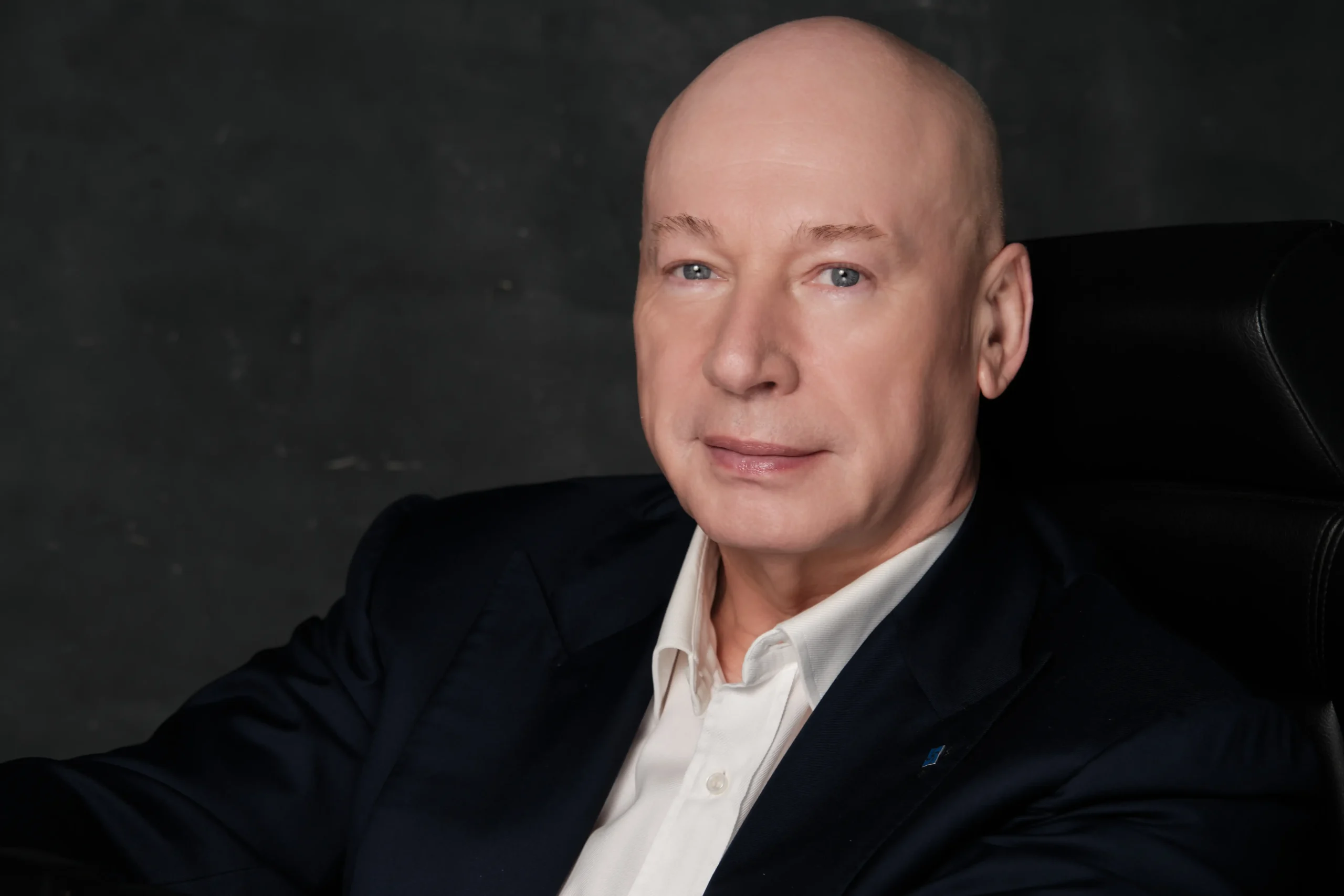
H.S.H. Prince Michael of Liechtenstein
- Published
- Banking & Finance, Liechtenstein
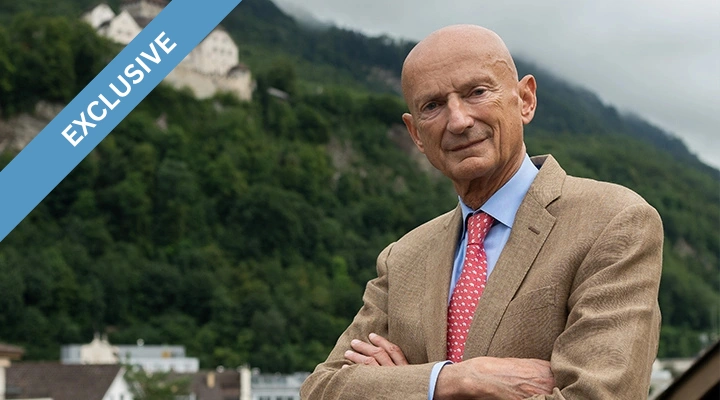
On the 100th anniversary of Liechtenstein’s Personal and Company Law, The European speaks exclusively to H.S.H. Prince Michael of Liechtenstein, Chairman of the Board of Directors of Liechtenstein Finance, about why a century of legal development still shapes the principality’s appeal for cross-border wealth structuring
A century ago, in January 1926, Liechtenstein enacted its Personal and Company Law, creating a comprehensive statutory framework for foundations, trusts and companies that defines the principality’s legal architecture to this day. The statute, which introduced a modern corporate code and provided legal certainty for cross-border asset planning, laid the foundations of Liechtenstein’s system for private wealth and corporate structuring. More than 10 decades later, it continues to underpin the jurisdiction’s role in serving international families and entrepreneurs.
That legal framework forms the basis of today’s financial centre, represented by Liechtenstein Finance, the public–private association bringing together the Government of the Principality of Liechtenstein and the leading industry bodies across banking, fiduciary services, asset management, funds, insurance, charitable foundations, audit and legal practice. The association’s role is to explain how the jurisdiction operates and to provide clarity on its legal and regulatory environment.
In this exclusive Q&A with The European, H.S.H. Prince Michael of Liechtenstein, Chairman of the Board of Directors of Liechtenstein Finance, outlines why the centenary matters today and what global families should understand when considering Liechtenstein as part of a cross-border structuring strategy.
Why does Liechtenstein remain relevant for global families in 2026?
Liechtenstein offers a stable legal environment combined with structural flexibility. Families with cross-border interests require predictable rules and professional expertise. The Personal and Company Law provides a well-established statutory basis for foundations, trusts and companies within a coherent system.
What distinguishes Liechtenstein’s legal framework?
The jurisdiction allows both foundations and trusts under domestic law. Advisers can tailor governance and succession structures to the needs of internationally mobile families. The law is codified and refined over decades, enhancing clarity, legal certainty and above all continuity.
How does the financial centre balance innovation with stability?
The term stability does not mean stagnation, as it must also encompass innovation. Liechtenstein combines legislative continuity with openness to development. The financial centre includes fiduciary companies, banks, asset managers, investment fund companies, insurers and specialised service providers. The regulatory framework aligns with European and international standards, supporting innovation within a secure environment.
What role does regulatory conformity play in cross-border structuring?
Conformity is central. Liechtenstein participates in international information exchange frameworks and applies recognised compliance standards. Families and advisers operate within a jurisdiction that meets global regulatory expectations while maintaining its legislative tradition.
How important is sustainability?
Sustainability forms part of the financial centre’s long-term orientation and its claim ‘Thinking in generations’. This applies to family structures as well as foundations and trusts for philanthropic purposes.
What professional ecosystem supports international clients?
When it comes to family structures, foundations and trusts, it is primarily the professional trustees who attend to the needs of clients. But Liechtenstein’s financial centre also brings together banks, independent asset managers, fund managers, insurers, charitable foundation bodies, auditors, insurance brokers, and lawyers. This concentration of expertise allows coordinated solutions across legal, fiduciary, banking and investment disciplines.
How does Liechtenstein’s European position influence structuring decisions?
Liechtenstein’s unique position as both a member of the European Economic Area and part of the customs union with Switzerland is a significant advantage. As a member of the European Economic Area, Liechtenstein participates in the single market while preserving national legislative autonomy. For global families seeking a European base within a specialised wealth management environment, this framework is relevant.
What message does the centenary send to international clients?
The anniversary underscores continuity. A century of careful legislative development demonstrates institutional stability. For families planning across generations, durable legal foundations remain a key consideration in cross-border structuring.
Further information
Produced with support from Liechtenstein Finance. To find out more about its financial centre and legal framework, visit www.finance.li/en
READ MORE: ‘Why Liechtenstein is the launchpad for blended finance‘. With geopolitical instability reshaping global priorities, Simon Tribelhorn of Liechtenstein Finance and the Liechtenstein Bankers Association argues that blended finance offers a practical route to sustainable investment – and that Liechtenstein has the financial infrastructure, agility and international reach to become a leading base for it.
Do you have news to share or expertise to contribute? The European welcomes insights from business leaders and sector specialists. Get in touch with our editorial team to find out more.
TOP STORIES
-
 Credit beyond scoring: where to find fintech’s next big opportunity
 -
UK economy grows faster than first thought as household incomes bounce back
-
British Chambers unite against 'Made in Europe' rules amid fears for UK industry
-
Kuwait deepens capital market reforms as Boursa Kuwait scoops triple honours
-
Michael Dell becomes world's fourth-richest person as Forbes reveals the ten wealthiest billionaires
-
MPs tell Government to reject Thames Water creditors as utility nears insolvency
-
The municipal pension fund setting a new standard in South Africa
-
BP appoints Ian Tyler chairman after Albert Manifold ousting
-
They came to Malta as nomads. Then stayed on as founders
-
Fuel management software is becoming a working-capital tool for smaller fleet businesses
-
Tokenisation, trust and the future of European property law
-
LEGO sales soar 22% amid World Cup, F1 and Star Wars push
-
Why entrepreneurs choose the wrong countries
-
Finance and Investment in Focus
-
Aventus Group wins three European Business Awards after loan growth tops 30 per cent
-
European investors can now trade thousands of US stocks through Kraken
-
Ex-Lenovo executive Sabine Hammer to lead Infinigate’s DACH business
-
NVIDIA teams up with Wall Street giants in $500bn push to fund AI boom
-
BAC and the future of regional corporate banking in Central America
-
How AI trading bots are reshaping retail currency trading in Europe
-
AI takes majority of European venture funding as money floods into few firms
-
RABAM raises $500,000 ahead of Series A round
-
Deutsche Bank profits rise as trading business booms
-
Saab lands German frigate deal after Poland submarine order
-
BlueCrest says UK is ‘no longer serious place for business’ after £200m tax defeat












Cross-border structuring: what global families need to know about Liechtenstein
H.S.H. Prince Michael of Liechtenstein
- Published
- Banking & Finance, Liechtenstein
TOP STORIES
-
Credit beyond scoring: where to find fintech’s next big opportunity
-
UK economy grows faster than first thought as household incomes bounce back
-
British Chambers unite against 'Made in Europe' rules amid fears for UK industry
-
Kuwait deepens capital market reforms as Boursa Kuwait scoops triple honours
-
Michael Dell becomes world's fourth-richest person as Forbes reveals the ten wealthiest billionaires
-
MPs tell Government to reject Thames Water creditors as utility nears insolvency
-
The municipal pension fund setting a new standard in South Africa
-
BP appoints Ian Tyler chairman after Albert Manifold ousting
-
They came to Malta as nomads. Then stayed on as founders
-
Fuel management software is becoming a working-capital tool for smaller fleet businesses
-
Tokenisation, trust and the future of European property law
-
LEGO sales soar 22% amid World Cup, F1 and Star Wars push
-
Why entrepreneurs choose the wrong countries
-
Finance and Investment in Focus
-
Aventus Group wins three European Business Awards after loan growth tops 30 per cent
-
European investors can now trade thousands of US stocks through Kraken
-
Ex-Lenovo executive Sabine Hammer to lead Infinigate’s DACH business
-
NVIDIA teams up with Wall Street giants in $500bn push to fund AI boom
-
BAC and the future of regional corporate banking in Central America
-
How AI trading bots are reshaping retail currency trading in Europe
-
AI takes majority of European venture funding as money floods into few firms
-
RABAM raises $500,000 ahead of Series A round
-
Deutsche Bank profits rise as trading business booms
-
Saab lands German frigate deal after Poland submarine order
-
BlueCrest says UK is ‘no longer serious place for business’ after £200m tax defeat



