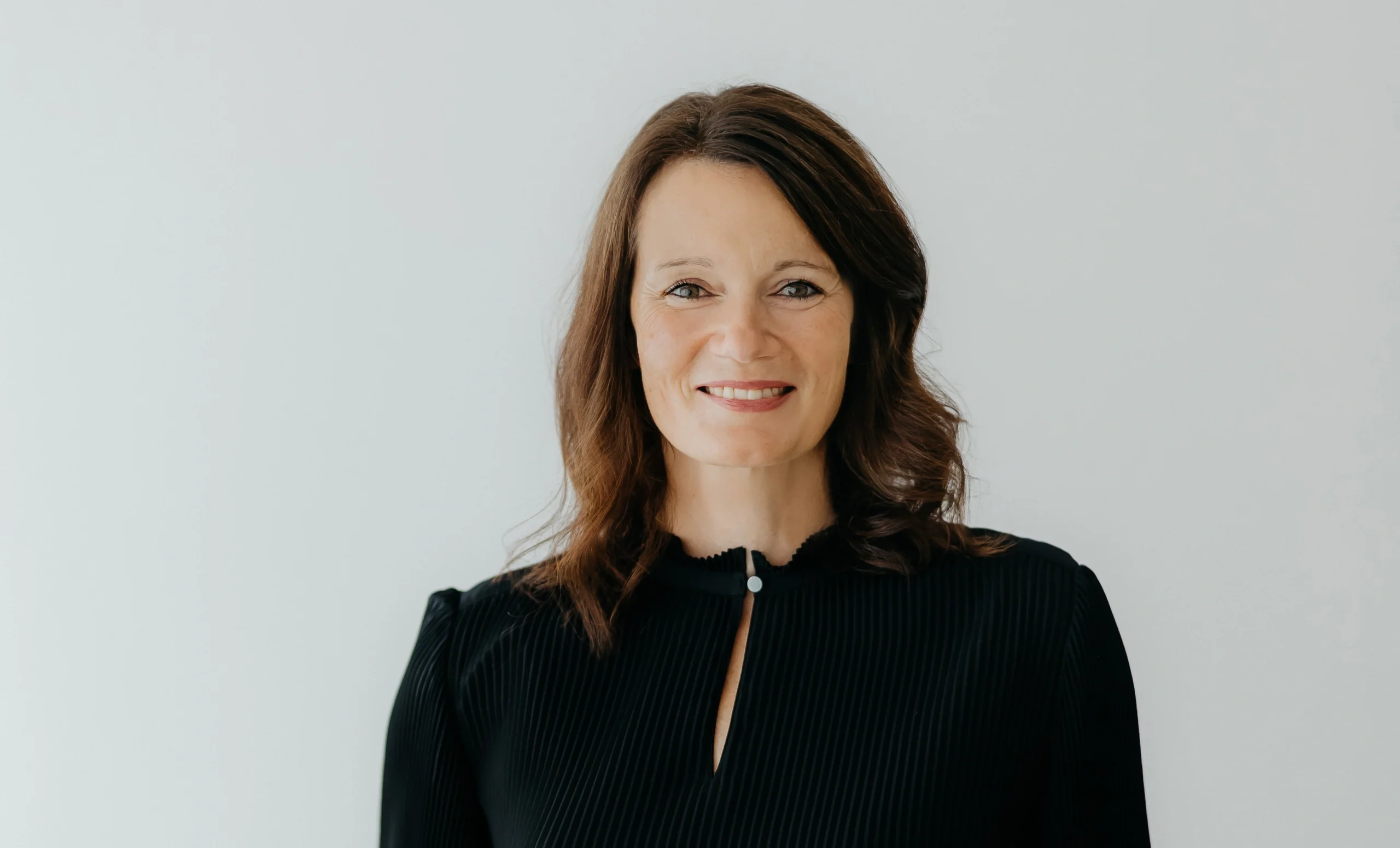
With geopolitical instability reshaping global priorities, Simon Tribelhorn of Liechtenstein Finance and the Liechtenstein Bankers Association argues that blended finance offers a practical route to sustainable investment – and that Liechtenstein has the financial infrastructure, agility and international reach to become a leading base for it
In today’s turbulent geopolitical landscape, global attention is increasingly dominated by war, security, energy independence, and inflation. The language of sustainability and the Sustainable Development Goals (SDGs) no longer leads the headlines or dominates policy speeches as it did just a few years ago.
But this shift in focus does not mean that the underlying challenges of poverty, climate change, and inequality have become less urgent. On the contrary, they are growing and are deeply intertwined with the crises that now preoccupy the global stage.
Sustainability remains essential for ecological balance, long-term peace, resilience and economic security. If we are to navigate these volatile times successfully, we need to invest in the foundations of inclusive, stable societies. And that means rethinking how we finance development.
This is where blended finance comes in as a pragmatic, high-impact response to geopolitical priorities. Blended finance refers to the strategic use of public or philanthropic funds to reduce the risks for private investors in development-oriented projects.
By combining capital with different risk-return profiles, blended finance makes it possible to channel commercial investment into sectors that are traditionally underserved or considered too risky. These include renewable energy, small business finance in frontier markets, affordable housing, and gender-inclusive investing, among others.
This approach enables investors to achieve both financial returns and meaningful impact. Public actors provide catalytic capital – such as grants, guarantees, or first-loss tranches – that makes otherwise marginal projects financially viable. These risk-mitigating tools enhance the appeal of projects in emerging markets, encouraging private investors to participate.
Evidence of Success from the Field
Recent data from the world’s leading development finance institutions shows that blended finance is delivering real results. In 2021 alone, approximately US$1.9 billion in concessional capital mobilised US$4.6 billion in private investment, marking a 50 per cent increase in private sector participation from the year before. These funds supported projects ranging from clean energy access in Africa to gender bonds and green housing initiatives in Latin America and Asia.
Importantly, blended finance is not a one-size-fits-all solution. It includes a wide spectrum of instruments, from senior and subordinated debt to equity, guarantees, and technical assistance facilities. These structures are united by the principle of ‘minimum concessionality’ – using only enough public support to crowd in private investment without distorting the market or displacing commercial finance.
Making Blended Finance Work: Key Lessons
Experience has shown that the success of blended finance depends on strong structuring, clear alignment of incentives, and robust impact monitoring. Projects need to address real market failures, not simply offer subsidies. Public capital must be deployed strategically, with a clear exit path or a transition toward commercial sustainability over time.
Another critical factor is transparency. Stakeholders must be aligned not only on financial returns but also on development goals. Clear reporting, independent evaluation, and stakeholder accountability help ensure that blended finance delivers both measurable impact and financial performance.
To scale, blended finance must also become more efficient. Standardised structures, simplified documentation, and programmatic platforms can help reduce transaction costs, improve access for smaller enterprises, and accelerate replication in new regions.

Why Liechtenstein is Uniquely Positioned
Liechtenstein may be one of the smallest countries in the world, but its potential to lead in blended finance is significant. Its financial system is internationally integrated, sophisticated, and trusted. As a member of the European Economic Area (EEA) with strong ties to the Swiss market, Liechtenstein offers a rare dual-access gateway to two of the world’s most important economic regions.
The country is home to a high concentration of family offices, responsible investors, and foundations increasingly seeking sustainable investment opportunities.
Its legal and regulatory frameworks are well established, yet flexible enough to accommodate innovation. The agility of its institutions allows for faster experimentation and regulatory responsiveness, which is especially valuable when testing new financial vehicles or impact measurement tools.
In short, Liechtenstein combines global connectivity with a collaborative financial ecosystem and a strong commitment to responsible finance. These qualities make it an ideal environment for piloting and scaling blended finance solutions.
A Platform for Innovation and Global Impact
Liechtenstein’s potential goes far beyond facilitating deals. It can play a key role in designing and hosting next-generation blended finance platforms – impact funds, climate finance vehicles or social bonds – that are aligned with European and global standards.
With its track record in private wealth services, investment funds, trust management, and philanthropy, it is ideally positioned to become a preferred domicile for SDG-aligned funds and purpose-driven capital.
By supporting partnerships between development agencies, DFIs, private banks, and philanthropic actors, Liechtenstein is a centre of excellence for sustainable finance innovation. The country’s size, far from being a disadvantage, allows it to become a global laboratory for new financing approaches that can be replicated elsewhere.
Liechtenstein: A Launchpad for Sustainable Investment
Blended finance is an essential strategy for closing the global investment gap in sustainable development. It offers a bridge between commercial capital and developmental impact, between risk and opportunity. To succeed, it needs places where financial innovation, regulation, and partnership can converge. Liechtenstein is one of those places.
By embracing this opportunity, Liechtenstein can strengthen its financial sector while helping to finance the future. Its role as a launchpad for blended finance can yield global dividends, proving that even the smallest countries can make the biggest difference when it comes to shaping a more sustainable and inclusive world.
Further Information
This article was produced with support from Liechtenstein Finance. To find out more about the Association and blended finance, visit www.bankenverband.li
READ MORE: ‘Inside Liechtenstein’s strategy for a tighter, more demanding financial era‘. Liechtenstein has spent the past decade developing a financial model built on currency stability, complete regulatory alignment with Europe and a sustained drive into digital and sustainable finance. The combination has helped a small jurisdiction secure an influential position in private banking and cross-border services. Here, Simon Tribelhorn, CEO of the Liechtenstein Bankers Association and board member of Liechtenstein Finance, discusses the foundations of that approach and the pressures now shaping the sector’s next phase.
Do you have news to share or expertise to contribute? The European welcomes insights from business leaders and sector specialists. Get in touch with our editorial team to find out more.
Main image: Simon Tribelhorn of the Liechtenstein Bankers Association argues that the principality is well placed to become a launchpad for blended finance and sustainable investment. Credit: Supplied