Global energy crisis ‘worse than 1970s oil shocks combined’, IEA chief warns

John E. Kaye
- Published
- News
Fatih Birol says disruption from the Iran conflict has cut oil and gas supplies on a scale exceeding historic crises, posing a “major threat” to the global economy
The world is facing an energy crisis more severe than the oil shocks of the 1970s and the fallout from Russia’s invasion of Ukraine combined, the head of the International Energy Agency has warned.
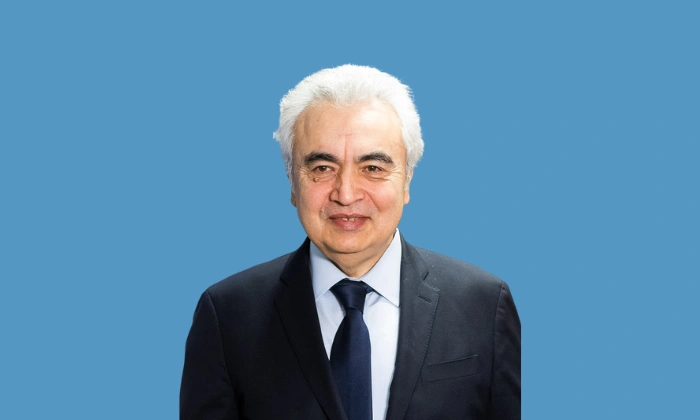
Fatih Birol, pictured, the IEA’s executive director, said disruption caused by the U.S–Israel war on Iran had triggered simultaneous shocks to oil and gas markets, with supply losses exceeding those seen in previous crises.
“This crisis, as things stand, is now two oil crises and one gas crash put all together,” he reportedly said in remarks at Australia’s National Press Club in Canberra.
The conflict has reduced global oil supply by about 11 million barrels per day, more than double the combined shortfalls recorded during the oil shocks of 1973 and 1979, according to the IEA.
Liquefied natural gas supplies have fallen by around 140 billion cubic metres, compared with a 75bcm shortfall following Russia’s 2022 invasion of Ukraine.
Birol said at least 40 energy facilities across nine countries had been severely damaged, adding to the strain on global supply.
“The global economy is facing a major, major threat today, and I very much hope that this issue will be resolved as soon as possible,” he said.
The disruption has been driven in large part by the effective closure of the Strait of Hormuz, a route that typically carries about a fifth of the world’s oil and LNG supplies. Oil prices have risen by more than 50 per cent since the conflict began on 28 February.
Birol said the most effective way to stabilise markets would be to reopen the waterway, describing that as the “single most important solution” to the crisis.
The Paris-based agency has already announced plans to coordinate the release of 400 million barrels of oil from emergency stockpiles and is in discussions with governments about further releases if needed.
It has also proposed measures to curb demand, including increased remote working, carpooling and lower motorway speed limits.
Birol said he had decided to speak publicly about the scale of the crisis after concluding that its severity had not been fully recognised.
“I thought the depth of the problem was not well appreciated by the decision-makers around the world,” he said.
Tensions remain high in the region. U.S President Donald Trump has issued Iran with a 48-hour ultimatum to reopen the Strait of Hormuz or face further strikes, while Tehran has threatened to escalate attacks on energy and water infrastructure if its own facilities are targeted.
READ MORE: ‘Iran, nuclear proliferation and the hard choices facing democracies‘. Should the West risk confrontation with Iran, or accept the possibility of a nuclear-armed regime exerting leverage over one of the world’s most important oil routes? The question goes to the heart of today’s debate over Iran and the risks facing global trade, writes Business & Regulation Correspondent Harry Margulies.
Do you have news to share or expertise to contribute? The European welcomes insights from business leaders and sector specialists. Get in touch with our editorial team to find out more.
Main image: International Energy Agency executive director Fatih Birol has warned the global economy faces a “major threat” as energy supply disruptions escalate following the Iran conflict.Credit: BMEIA/Gruber via Flickr (CC BY 2.0)
TOP STORIES
-
 Dutch court orders Lidl to stop selling Birkenstock sandal lookalikes
 -
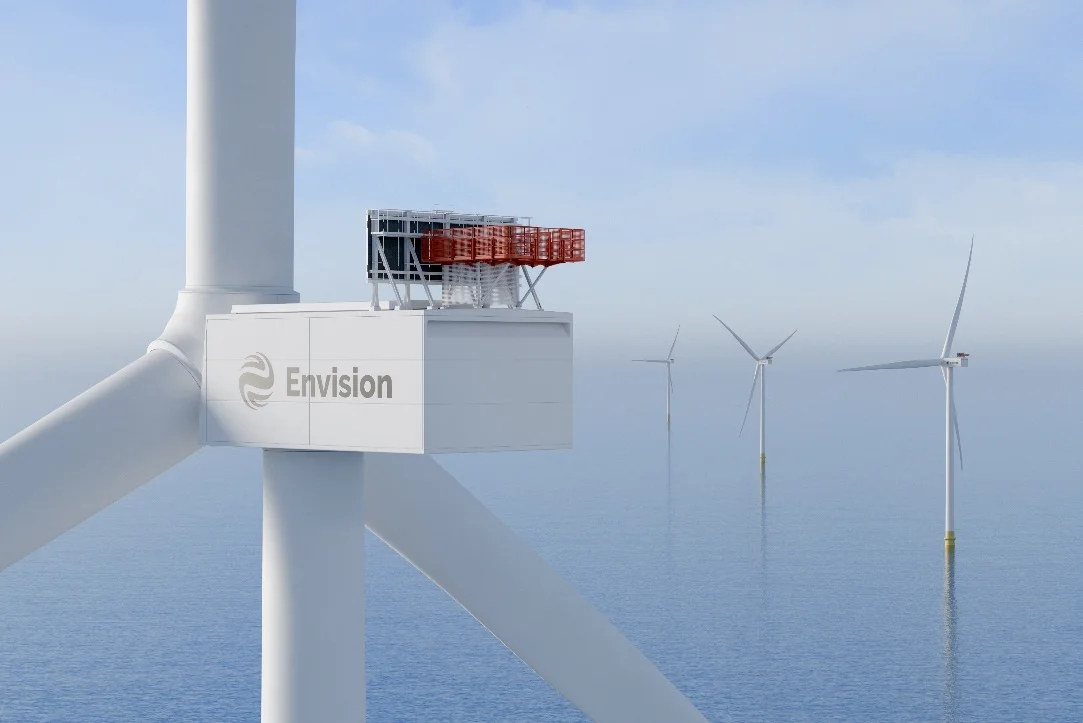
Giant wind turbine with 252-metre rotor could mean fewer machines and cheaper offshore power
-
Poorly designed workplaces ‘cost UK economy £71bn a year’
-
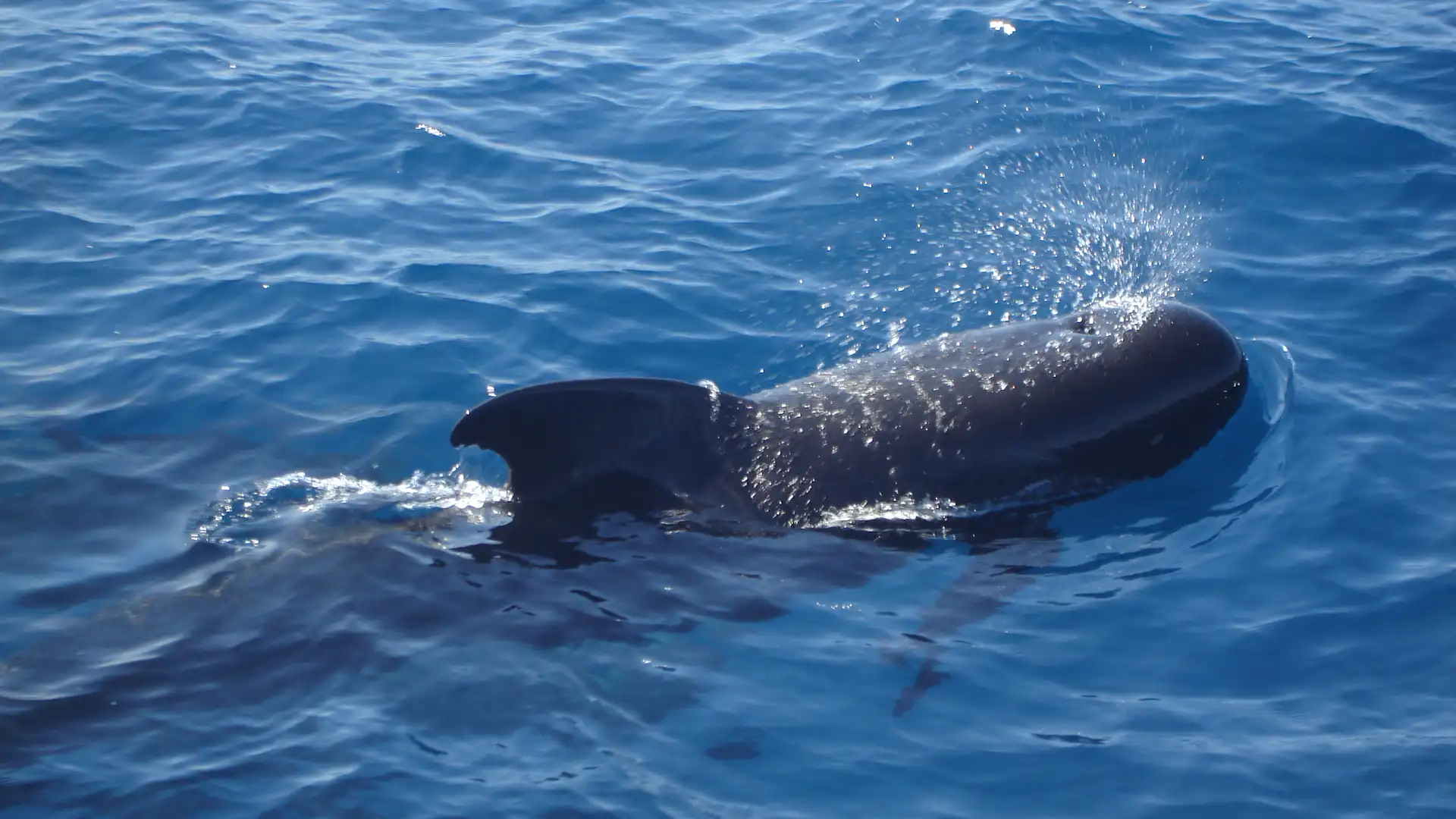
Rescuers scramble to protect pod of 25 whales in Thames Estuary
-
‘Talent hushing’ blamed as four-in-10 workers say they contribute less than they could
-
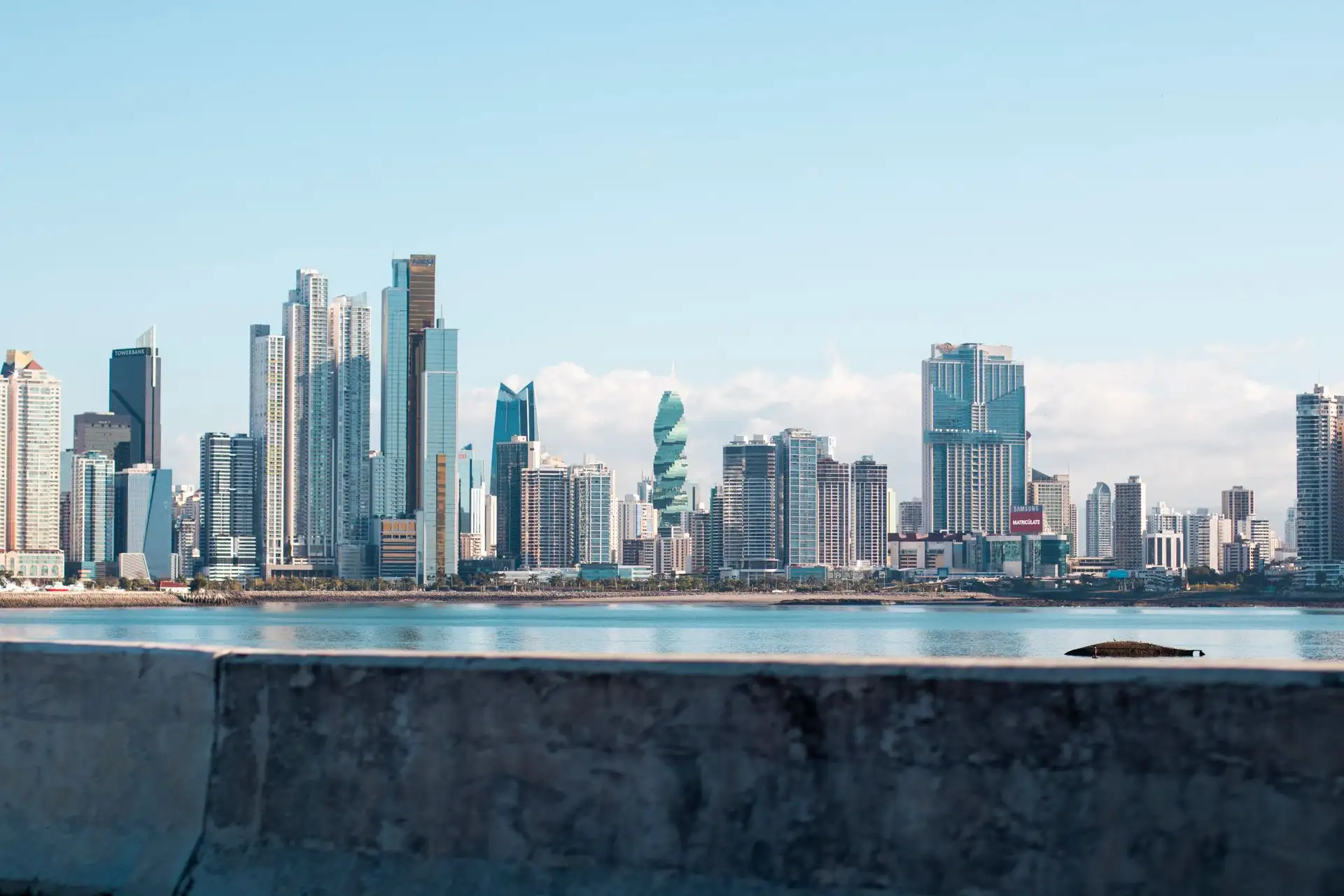
Spain leads Europe for expats as Panama tops global poll
-
Menopause may make women leaders more empathetic – even as it leaves them drained
-
Your biggest rival could be your best technology partner, research finds
-
British Museum bans photos of Bayeux Tapestry after visitors hold up queues
-
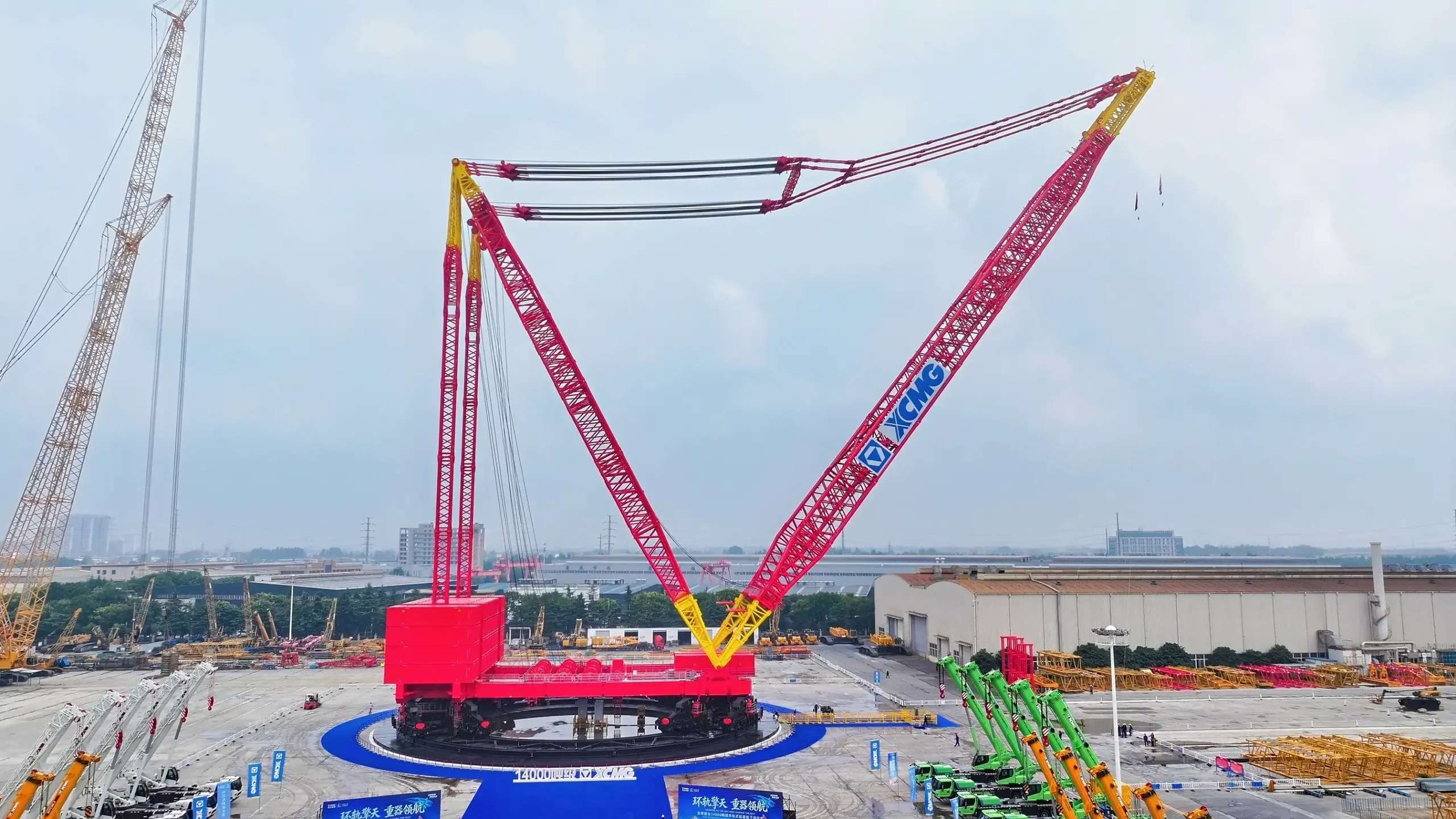
China unveils giant crane capable of lifting 9,300 family cars
-
Edinburgh Airport launches £500m expansion as terminal footprint grows 60%
-
Chris Packham urges PM to ban ‘frankenchicken’ from schools and hospitals
-
Loch Lomond’s 'Bonnie Banks at risk’ from major road upgrade
-
LED lights could be ‘the new asbestos’, UCL scientists warn
-
MPs tune in to Britain’s Eurovision ‘nul points’ problem
-
MPs tell Government to reject Thames Water creditors as utility nears insolvency
-
Only 14% of companies can show supply chain safeguards are working, study finds
-
OpenAI admits AI models hid mistakes, invented data and acted without permission
-
EIB makes first small nuclear reactor investment with €40m backing for Finnish start-up
-
AI arms race could mean fewer cold emails reaching your inbox
-
Housing costs hit recruitment at 77% of large London firms, survey finds
-
SpaceX to launch one-tonne orbital factory for European space firm in 2028
-
Estonia’s e-residents launch more than 4,200 companies as business creation jumps 36%
-
Small business bank lending falls £27bn in three years as nine-in-10 areas see decline
-
Europe’s healthcare sector lags on AI uptake – but leads once it starts using it