
Historian warns climate denial is causing “immense harm” as humanity nears a “major crunch point

John E. Kaye
News & Features
The climate emergency will be remembered as a “great turning point” in human history, with denial and delay now threatening to push the world towards a “crunch point”, according to the historian Professor Penelope J. Corfield
Humanity is approaching a “major crunch point” and leaders who continue to obfuscate and deny the dangers of climate change are “causing immense harm”, the historian Professor Penelope J. Corfield has warned.
In an interview with The European, Corfield said the crisis would in retrospect be seen as “a great turning point”, arguing that public urgency will peak “when the long term and the here and now… collide and come together.”
She likened the stakes to past civilisational shocks and said the coming years would test whether societies can act at scale before local consequences make delay impossible.
The historian, whose new book Time-Space examines how people inhabit time as a lived continuum, said that while daily life traps us in immediacy, humans retain the capacity to plan far beyond the present. “We do all live in the here and now… but humans as a species think long,” she said. The climate emergency, she added, is “an extreme example of this”, demanding decisions whose benefits lie decades ahead.
Corfield said she believed the crisis would compel societies to rediscover their capacity for collective action, but warned that civic passivity carries moral costs. “Bad men and women prosper because good men and women do nothing,” she said.
Speaking to Juliette Foster, Corfield also addressed the social effects of the digital revolution. She expects its full impact to take years to assess and called for “proper regulation of the amount of time kids spend on their phones and other social media when very young.” New technologies, she argued, always bring disruption, and “society also has to find a way of coping with it.”
At the same time, she said digital tools can strengthen public understanding of the past. Re-creations and interactive archives, when used carefully, can “spark imagination as well as mental effort”, provided audiences keep a clear boundary between representation and fact.
Corfield also told The European that history offers a guide to endurance and recovery, warning that societies must confront their pasts rather than “brush them under the carpet”.
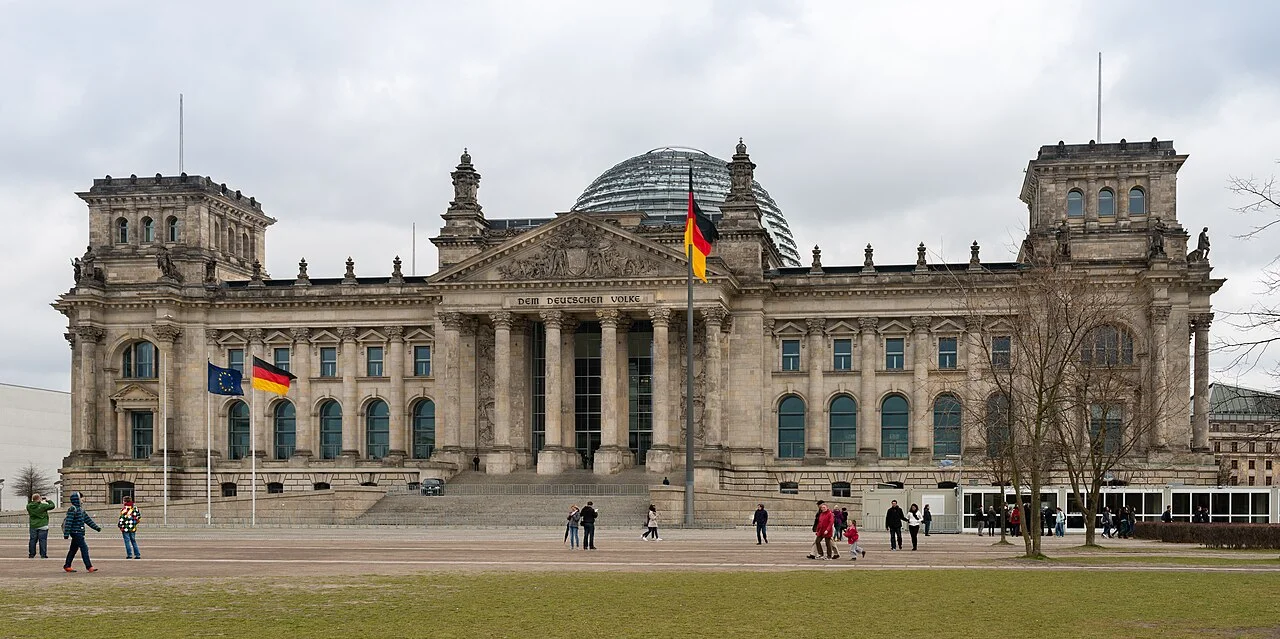
Modern Germany, she said, had shown how national reckoning through leadership, education and family discussion can rebuild trust, while reconciliation in divided communities often begins with children who “suddenly realise they’re not the demons they were told they are”.
She pointed to the rise of international institutions as proof that cooperation can prevail over division. Law courts, treaties and thousands of non-governmental organisations, she said, have created “a sort of global common citizenship”, from the Red Cross and Red Crescent to modern humanitarian networks that bind states together.
Humans, she added, remain “a tricky species — intelligent, complex, capable of creating problems as well as answers — but we do learn to act together, even if only at the last minute”.
Watch the full interview with Professor Penelope J. Corfield on The European’s YouTube channel. Her book, Time-Space: We Are All In It Together is out now.
TOP STORIES
-
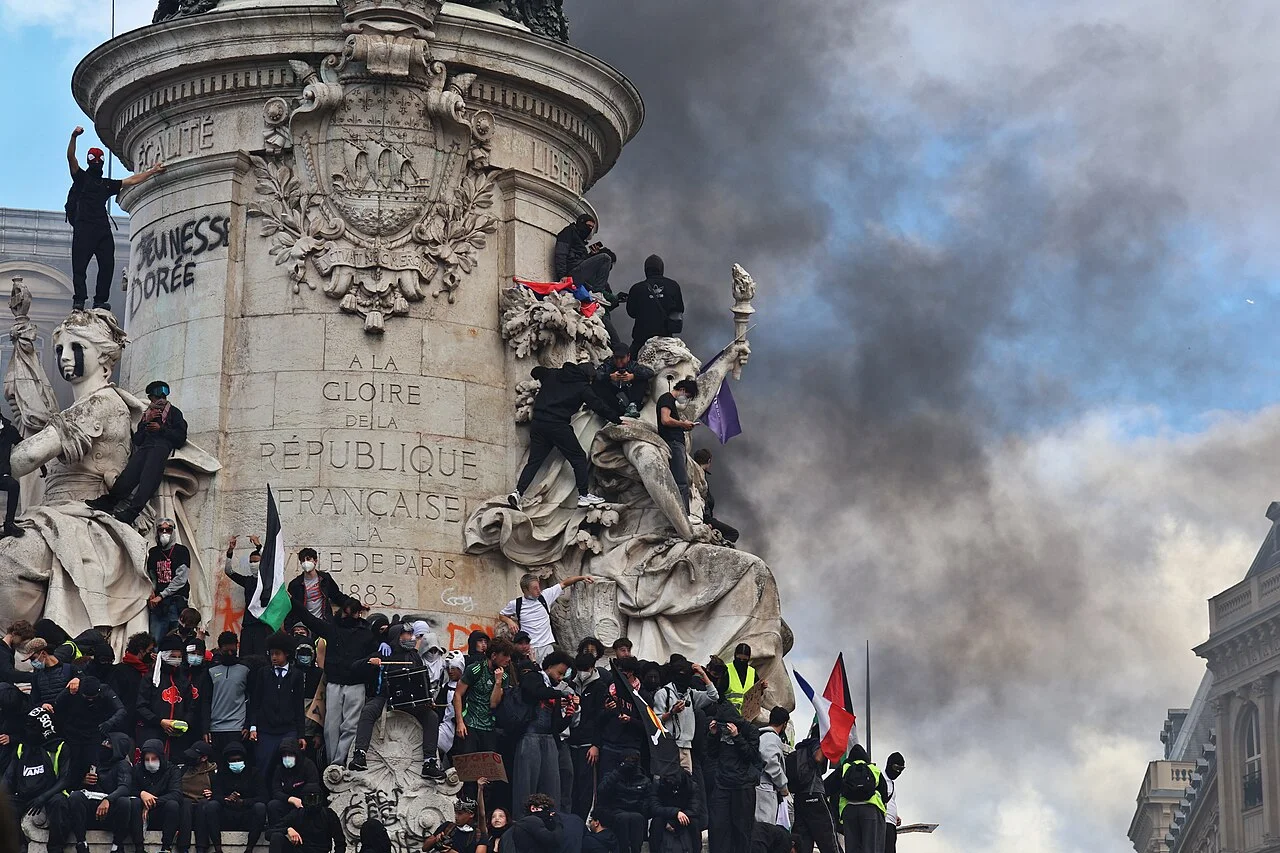
 France calls in army after riots sweep cities
 -
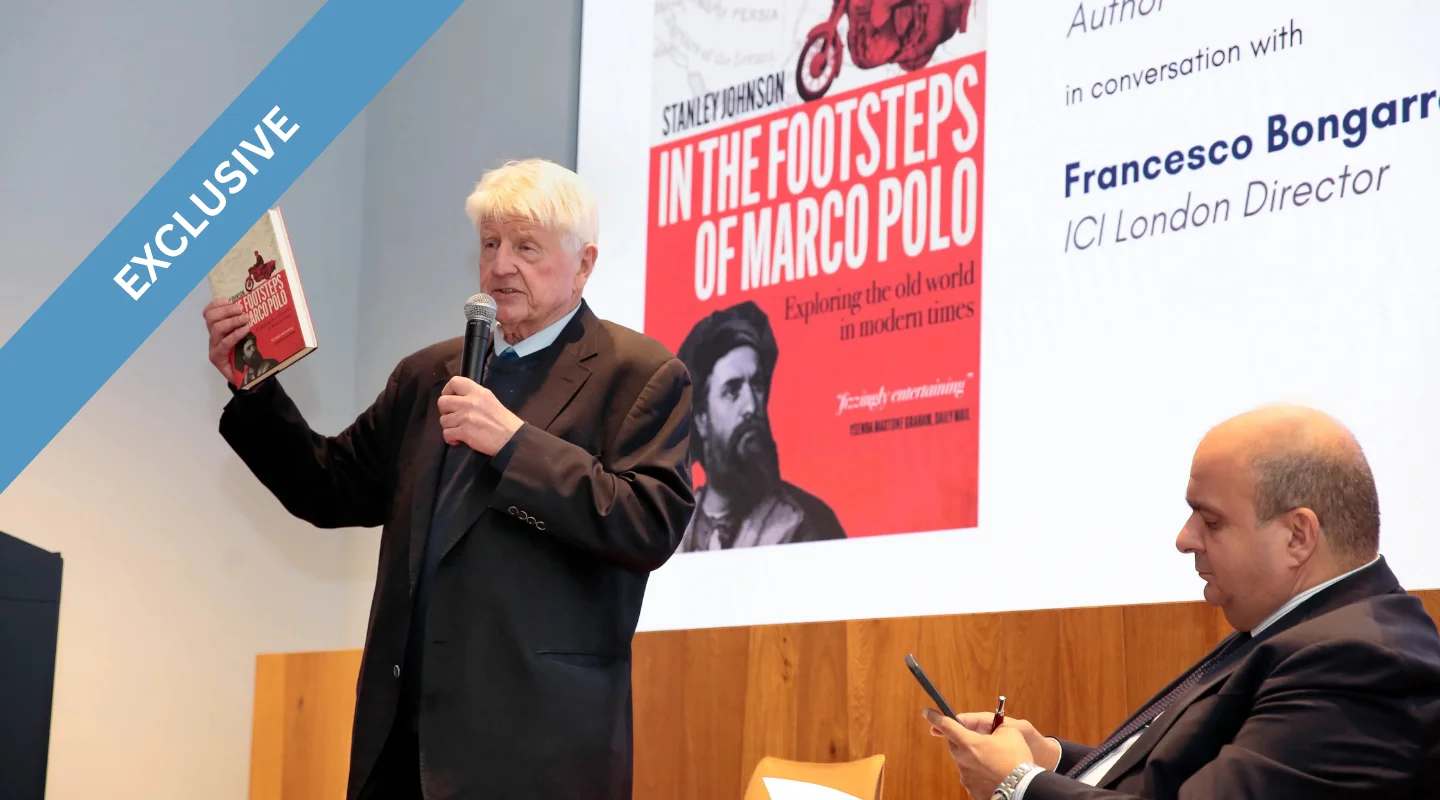
 An Italian affair – Stanley Johnson takes London's society set on the Silk Road
 -
Himalayan mountainside moved 40cm before avalanche killed 1,451 in Nepal, scientists reveal
-
Scientists and engineers quitting jobs as AI changes roles ‘beyond recognition’, study finds
-
UK profit warnings hit near two-year high as businesses struggle with rising costs
-
Microsoft pulls out of major UK AI data centre project amid power grid delays
-
Russia takes control of more European corporate assets amid Ukraine tensions
-
EU leaders resist calls to delay carbon rules as energy costs soar
-
‘A big step forward’ – PM Andy Burnham hails plans for Great British Railways HQ in Derby
-
UK economy grows just 0.1 per cent as construction falls and services stall
-
Hackers exploiting wars ‘to develop cyberattacks in minutes’
-
Germany risks losing €155bn a year under tighter AI data rules, new study warns
-
Pope Leo XIV diagnosed with lung cancer after surgery in Rome
-
France faces freezer meltdown as hackers strike supermarket chains
-
Bumble shares soar 50% amid $1bn takeover talks
-
China slump drives Volkswagen to sharpest quarterly fall in more than four years
-
Hollywood mega-powerhouse created as Paramount completes Warner Bros Discovery takeover
-
Gamers face gridlock as latest Grand Theft Auto download 'nears two days'
-
Samsung profits soar ninefold to record £61bn amid AI chip boom
-
New Springer books put the UN’s struggling sustainability goals to the real-world test
-
Europe’s solar boom set for two-year slowdown after record growth
-
Let it pea. Musicians turn vegetables into instruments at Beatles' Abbey Road studios
-
Golden naked Trump statue unveiled at European Parliament
-
Jaguar puts controversial rebrand on the road with £130K 1,030PS Type 01
-
Deepfakes and identity fraud drive new wave of post-hire background checks



















Historian warns climate denial is causing “immense harm” as humanity nears a “major crunch point
John E. Kaye
News & Features
TOP STORIES
-
France calls in army after riots sweep cities
-
An Italian affair – Stanley Johnson takes London's society set on the Silk Road
-
Himalayan mountainside moved 40cm before avalanche killed 1,451 in Nepal, scientists reveal
-
Scientists and engineers quitting jobs as AI changes roles ‘beyond recognition’, study finds
-
UK profit warnings hit near two-year high as businesses struggle with rising costs
-
Microsoft pulls out of major UK AI data centre project amid power grid delays
-
Russia takes control of more European corporate assets amid Ukraine tensions
-
EU leaders resist calls to delay carbon rules as energy costs soar
-
‘A big step forward’ – PM Andy Burnham hails plans for Great British Railways HQ in Derby
-
UK economy grows just 0.1 per cent as construction falls and services stall
-
Hackers exploiting wars ‘to develop cyberattacks in minutes’
-
Germany risks losing €155bn a year under tighter AI data rules, new study warns
-
Pope Leo XIV diagnosed with lung cancer after surgery in Rome
-
France faces freezer meltdown as hackers strike supermarket chains
-
Bumble shares soar 50% amid $1bn takeover talks
-
China slump drives Volkswagen to sharpest quarterly fall in more than four years
-
Hollywood mega-powerhouse created as Paramount completes Warner Bros Discovery takeover
-
Gamers face gridlock as latest Grand Theft Auto download 'nears two days'
-
Samsung profits soar ninefold to record £61bn amid AI chip boom
-
New Springer books put the UN’s struggling sustainability goals to the real-world test
-
Europe’s solar boom set for two-year slowdown after record growth
-
Let it pea. Musicians turn vegetables into instruments at Beatles' Abbey Road studios
-
Golden naked Trump statue unveiled at European Parliament
-
Jaguar puts controversial rebrand on the road with £130K 1,030PS Type 01
-
Deepfakes and identity fraud drive new wave of post-hire background checks



