
EU to tighten pollution laws to clean up air and water

John E. Kaye
- Published
- Home, Sustainability

The European Union will tighten regulations on air pollution, waste and use of chemicals to protect public health and address key causes of biodiversity loss, the European Commission said on Wednesday
The plan to tackle pollution, published on Wednesday, sets out targets for 2030, on the way towards reducing air, water and soil pollution to levels no longer considered harmful to health and nature by 2050.
“One of the big lessons we have learned from the COVID crisis is the close connection between human health and the health of the planet. At the moment, neither is doing well,” EU Environment Commissioner Virginius Sinkevicius said.
Vulnerable groups including low-income communities bear the brunt of pollution’s negative impacts, he added.
Dirty air is a key culprit and is linked to the EU’s climate change goals, since factories and cars that churn out pollutants also emit planet-warming gases such as CO2.
The Commission said that by 2030 it aims to reduce premature deaths associated with air pollution by at least 55%.
Europe’s air quality has improved in recent years but is still deadly, with 379,000 premature deaths in the EU in 2018 linked to exposure to particulate matter, the European Environment Agency has said.
The Commission said it would revise EU air pollution limits next year to better align them with upcoming World Health Organisation recommendations. Tighter “Euro 7” rules, due to be proposed this year, will also limit vehicle pollution.
Other targets for 2030 include a 25% reduction in ecosystems where air pollution threatens biodiversity and a 50% reduction in marine plastic litter.
To meet those goals, the Commission will propose measures to phase out endocrine disruptors – chemicals that interfere with hormones -, consider capping ammonia emissions from livestock farming and factories, and revise pesticides regulations to reduce the use of chemicals.
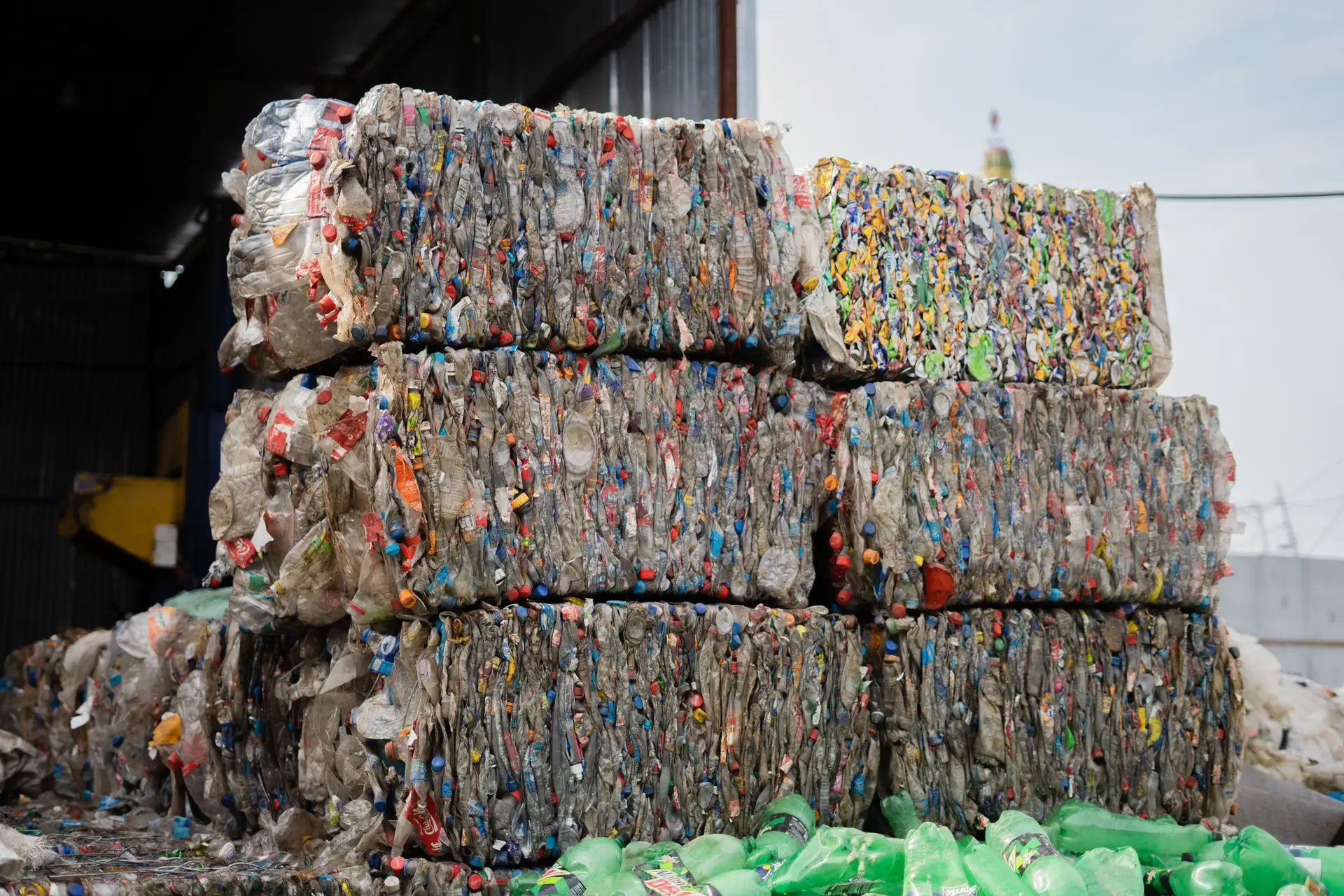
EU rules coming into force from 2023 will set more stringent quality standards for drinking water. By 2025 the EU will review waste laws to improve recycling and reduce waste generation.
Reporting by Kate Abnett, editing by Marine Strauss and Gareth Jones
TOP STORIES
-
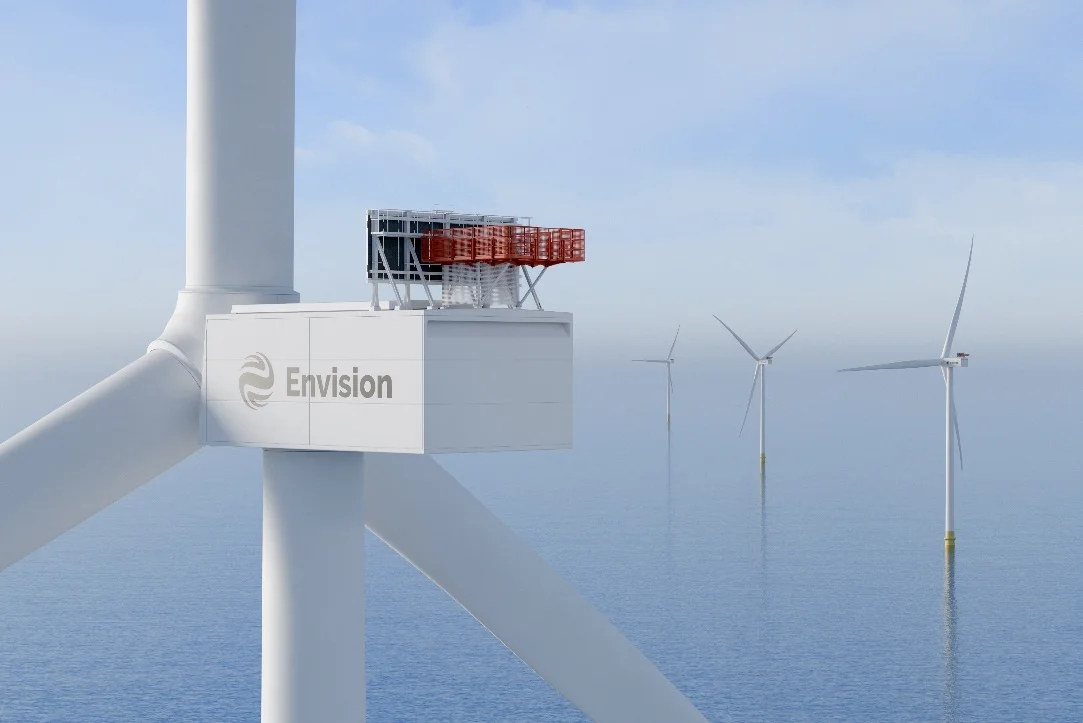
 Giant wind turbine with 252-metre rotor could mean fewer machines and cheaper offshore power
 -
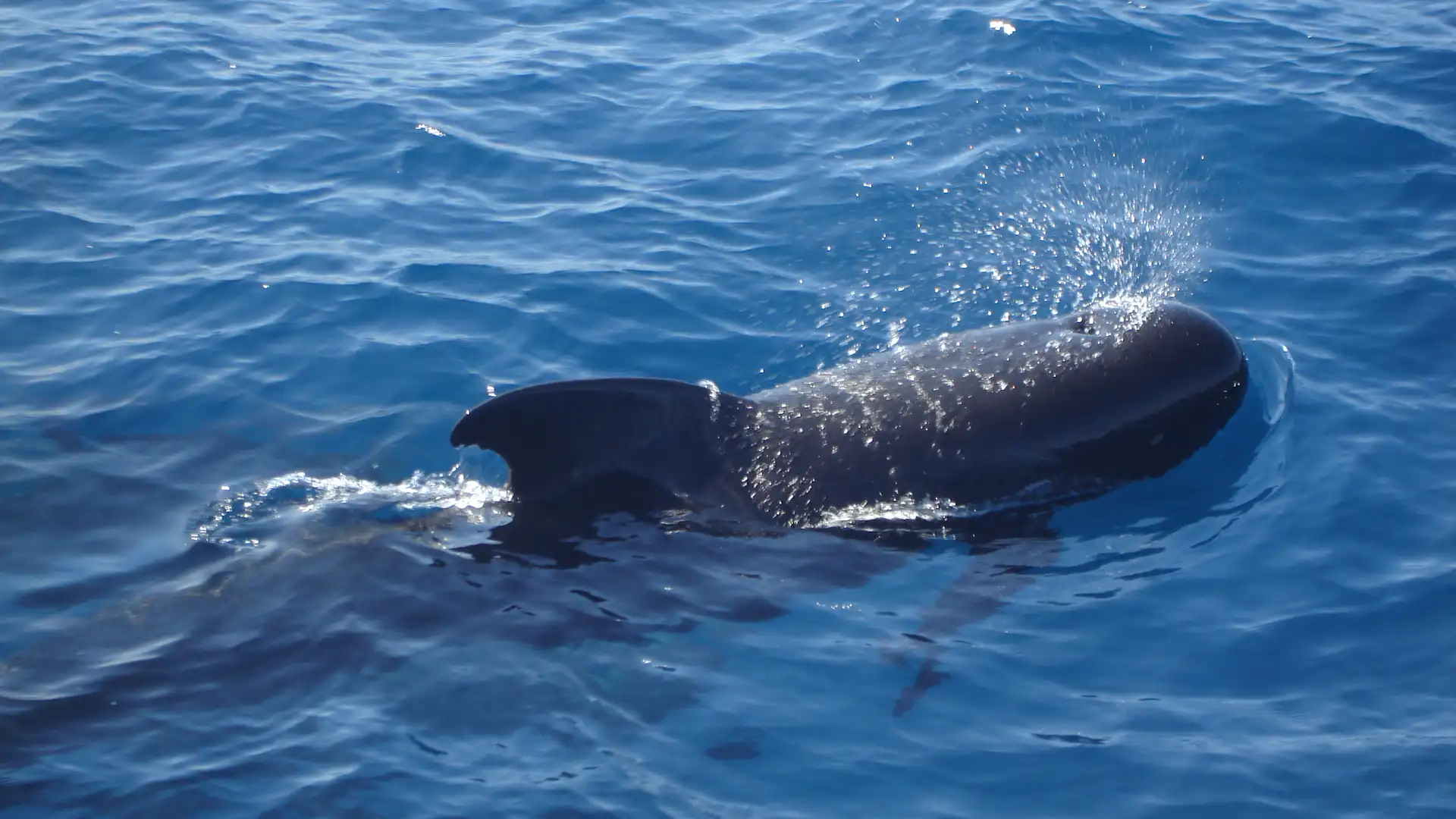
Rescuers scramble to protect pod of 25 whales in Thames Estuary
-
Costa Rica’s research moment
-
Loch Lomond’s 'Bonnie Banks at risk’ from major road upgrade
-
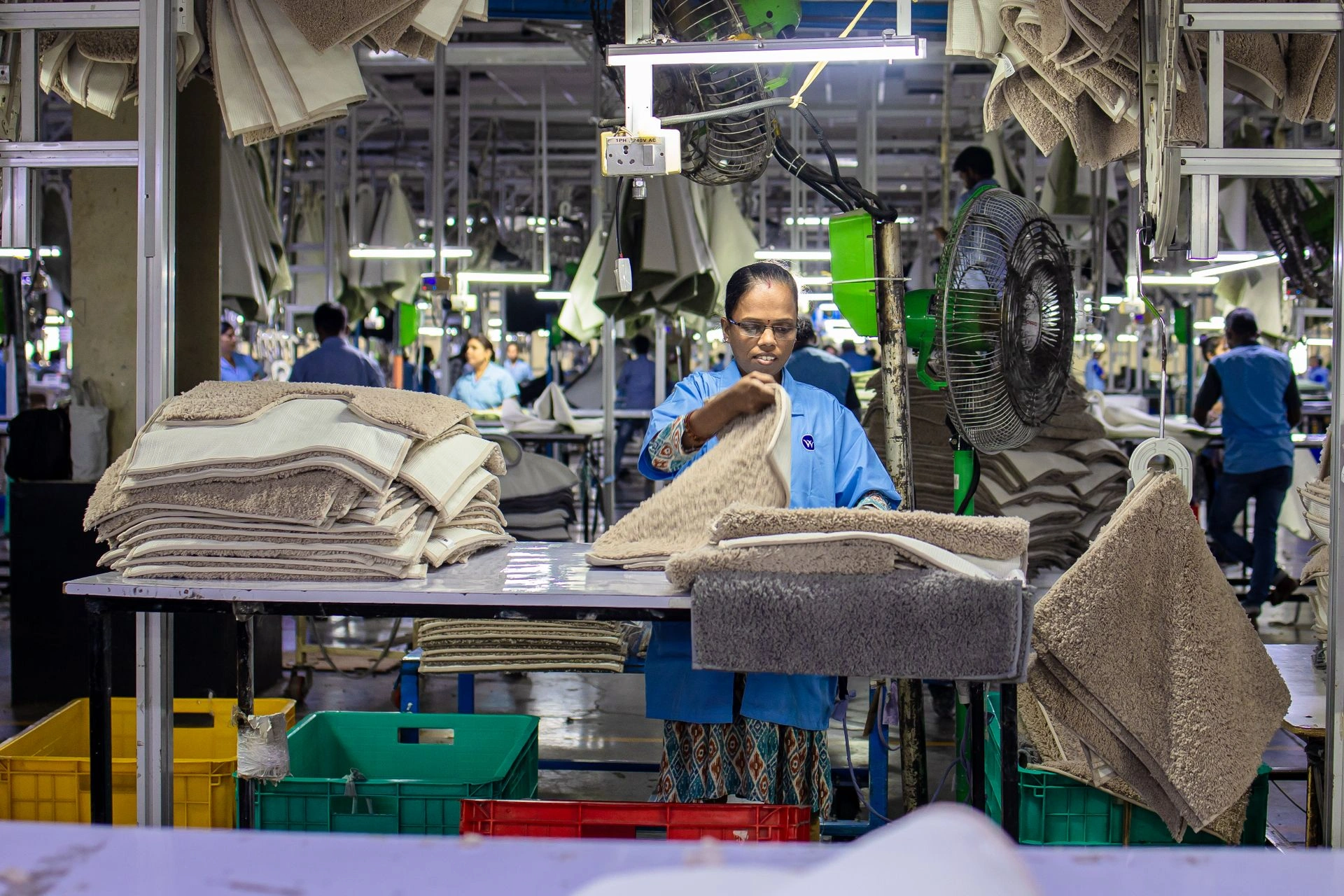
Only 14% of companies can show supply chain safeguards are working, study finds
-
Hackers could plunge Britain into darkness in less than two minutes, report warns
-
Europe adds enough new wind power for 7m homes as record year beckons
-
New global map reveals 800 businesses trying to cut plastic waste
-
Six young sea eagles released on Exmoor after 200-year absence
-
Firms with political pals ‘get away with greenwashing’
-
Germany could run on full renewables by 2045, study reveals
-
Rewilding improves wellbeing and community connection, charity report says
-
A new energy era: full renewable energy supply is possible
-
Students unveil world’s first solar-powered ambulance
-
Nobel laureate Omar Yaghi launches global science network
-
Volunteers collect 11m rare seeds to restore Scotland’s native forests
-
Facebook owner Meta signs Texas solar deal with Turkish renewables firm
-
Street-by-street maps to reveal where England’s poorest communities face worst environmental risks
-
Stanley Johnson: the Government must ‘follow Ukraine back into Europe’s green network’
-
Ukraine joins European environment network in major conservation step after war damage to land and wildlife
-
China offers UK coastal rescue lessons as Yancheng wetlands hailed by conservation figures
-
Building Africa’s integrated energy future: how Tetracore Energy Group is expanding access to reliable and sustainable energy
-
UK hedgehog charity backs bid to put endangered mammal on new banknotes
-
Changing of the tide? How Mallorca is fighting to protect its clear blue seas
-
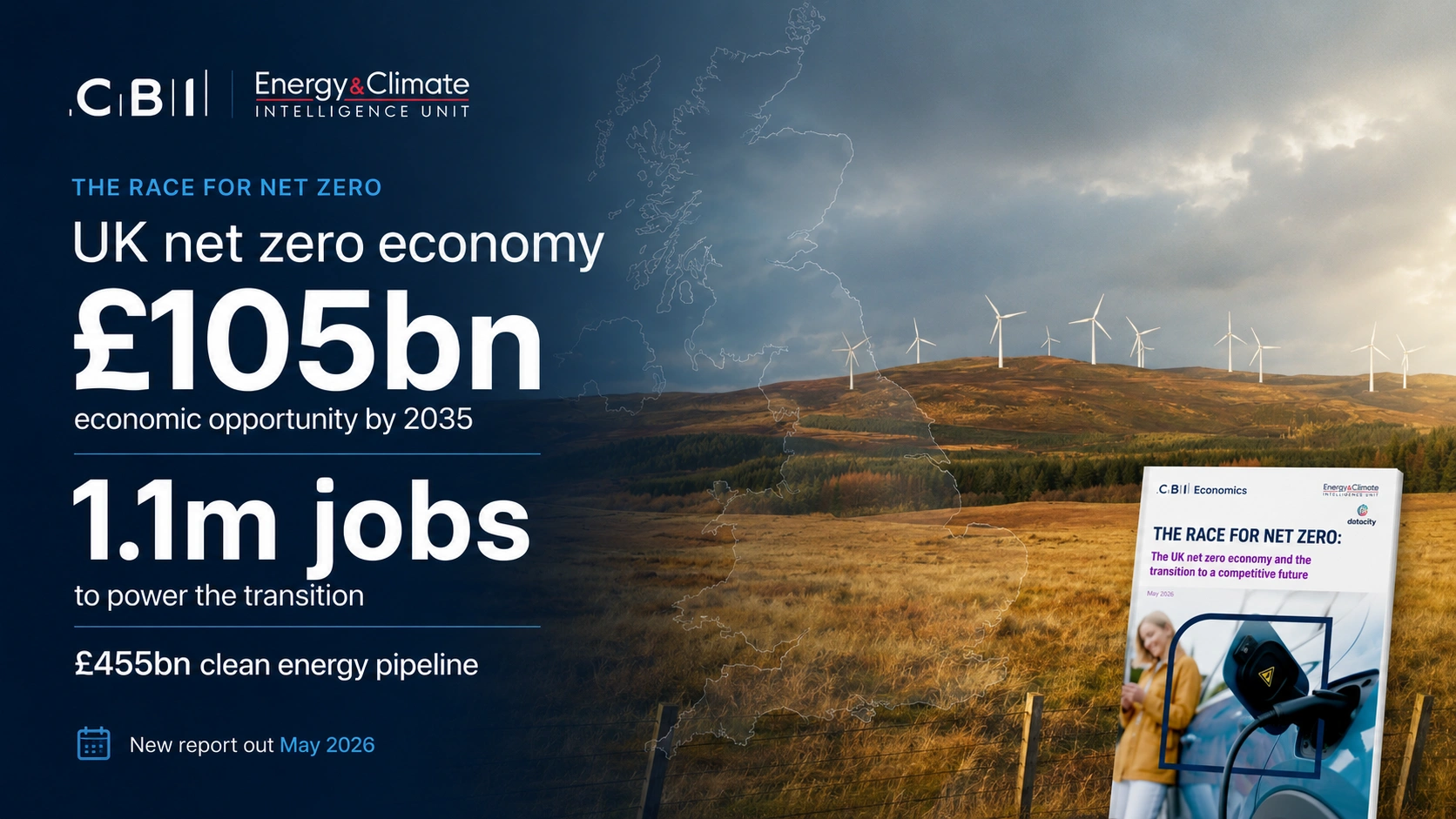
UK net zero economy worth £105bn and supports 1.1m jobs









EU to tighten pollution laws to clean up air and water
John E. Kaye
- Published
- Home, Sustainability
TOP STORIES
-
Giant wind turbine with 252-metre rotor could mean fewer machines and cheaper offshore power
-
Rescuers scramble to protect pod of 25 whales in Thames Estuary
-
Costa Rica’s research moment
-
Loch Lomond’s 'Bonnie Banks at risk’ from major road upgrade
-
Only 14% of companies can show supply chain safeguards are working, study finds
-
Hackers could plunge Britain into darkness in less than two minutes, report warns
-
Europe adds enough new wind power for 7m homes as record year beckons
-
New global map reveals 800 businesses trying to cut plastic waste
-
Six young sea eagles released on Exmoor after 200-year absence
-
Firms with political pals ‘get away with greenwashing’
-
Germany could run on full renewables by 2045, study reveals
-
Rewilding improves wellbeing and community connection, charity report says
-
A new energy era: full renewable energy supply is possible
-
Students unveil world’s first solar-powered ambulance
-
Nobel laureate Omar Yaghi launches global science network
-
Volunteers collect 11m rare seeds to restore Scotland’s native forests
-
Facebook owner Meta signs Texas solar deal with Turkish renewables firm
-
Street-by-street maps to reveal where England’s poorest communities face worst environmental risks
-
Stanley Johnson: the Government must ‘follow Ukraine back into Europe’s green network’
-
Ukraine joins European environment network in major conservation step after war damage to land and wildlife
-
China offers UK coastal rescue lessons as Yancheng wetlands hailed by conservation figures
-
Building Africa’s integrated energy future: how Tetracore Energy Group is expanding access to reliable and sustainable energy
-
UK hedgehog charity backs bid to put endangered mammal on new banknotes
-
Changing of the tide? How Mallorca is fighting to protect its clear blue seas
-
UK net zero economy worth £105bn and supports 1.1m jobs



