Does the EU carbon market have the right policy for cars?

John E. Kaye
- Published
- News, Sustainability, Technology
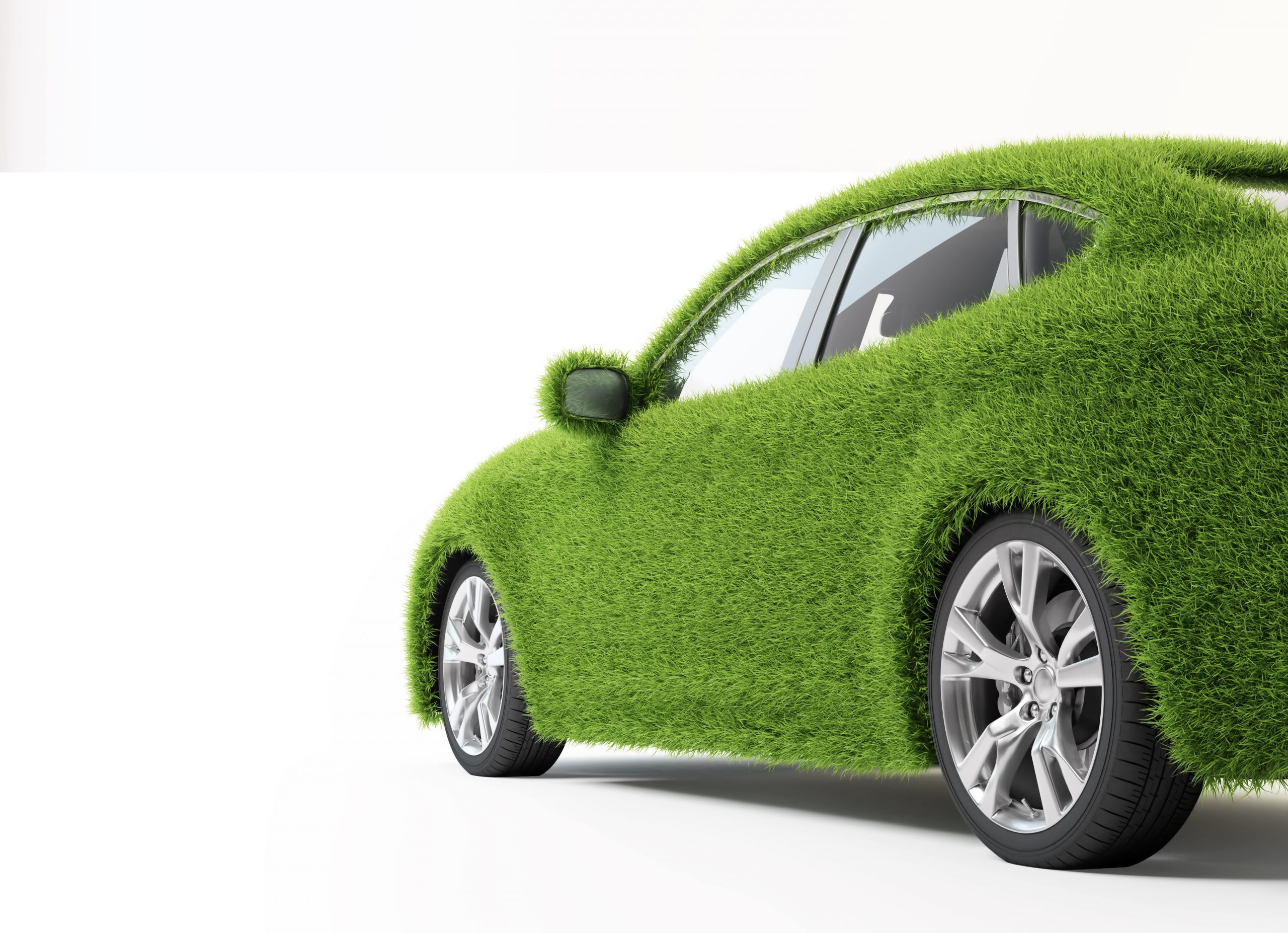
Road transport should not be top of the list when the European Union expands its carbon market into new sectors, the bloc’s climate policy chief said on Tuesday.
The European Commission are proposing to reform its carbon market next year, and has mooted the idea of extending the scheme, which will force many companies to buy permits to cover their pollution in major areas such as shipping, buildings and road transport.
“We’re certainly willing to look into this as a possibility, but at this stage, I personally am not convinced this is the right way forward,” said Frans Timmermans, of the idea of adding road transport to the EU carbon market.
Speaking at an online event hosted by the NGO Transport & Environment, he said the EU would further tighten the CO2 emissions targets it imposes on carmakers in the coming years, and that this was a “more efficient” method of forcing deep pollution cuts.
In a bid to force carmakers to expand the share of low-emissions vehicles in their fleets, the 27-country bloc have tightened its car CO2 targets this year.
While numerous other EU sectors have curbed pollution, transport emissions have remained stubbornly high – in 2018, emissions from transport, including aviation, were roughly a quarter above 1990 levels.
All sectors should face a price of at least “60 euros per tonne of CO2 in 2023,” the company’s chief lobbyist, Thomas Steg, said. That is more than double the current price of pollution permits in the EU carbon market.
However, experts have raised doubts over whether the EU carbon market – its flagship climate policy tool – would be effective in pricing emissions from cars.
A report by consultancy Cambridge Econometrics, published in June, said adding transport to the carbon market would do little to drive extra emissions cuts, because the sector would be “relatively unresponsive” to the carbon price.
Reported by Kate Abnet
Sourced Reuters
For more Energy, Technology and Daily news follow The European Magazine
Follow us on
TOP STORIES
-
 Europe leads world in quantum research despite deep industry scepticism
 -
Australia plans social media algorithm ‘off switch’ in move Europe could follow
-
European central banks move gold out of U.S as 'geopolitical risks' mount
-
Volkswagen plans another 50,000 job cuts in sweeping overhaul
-
Uber launches UK’s first autonomous ride-hailing service in London
-
Hackers could plunge Britain into darkness in less than two minutes, report warns
-
BP appoints Ian Tyler chairman after Albert Manifold ousting
-
Del Boy’s bent cop nemesis inspired David Jason to become a TV detective
-
Products made in space move closer to commercial reality
-
Snickers creates ‘world’s first digital chocolate bar’ for misbehaving AI
-
Europe adds enough new wind power for 7m homes as record year beckons
-
Scotland’s £19bn food and drink industry faces ‘cliff edge’ as costs squeeze businesses
-
Lidl owner plans €5.6bn data centre as Germany pushes digital independence
-
AI could make it easier for citizens to have their say, study finds
-
Hidden workplace chemical risks come under spotlight as experts turn to skin exposure
-
Cyber attack hits Manchester, Stansted and East Midlands airports as customer data stolen
-
New global map reveals 800 businesses trying to cut plastic waste
-
LEGO sales soar 22% amid World Cup, F1 and Star Wars push
-
Japan switches on its first full-stack neutral-atom quantum computer
-
Britons flock to Greece as tourist numbers jump 15%
-
Sudan’s children get $22m education lifeline ahead of Geneva funding conference
-
Robot beats Usain Bolt’s 100m record at Beijing games
-
Royal Mail posts another target miss
-
New AI master’s aims to turn non-tech graduates into business leaders
-
New direct flights from Paris and Athens open easier route to Alaska