
Balearic Islands commit to 100% renewables by 2050

John E. Kaye
- Published
- Sustainability
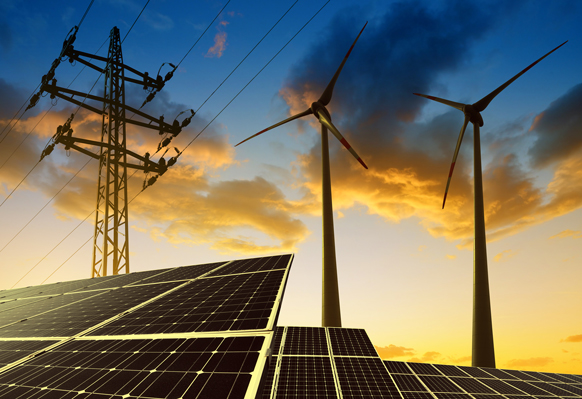
The Parliament of the Balearic Islands has approved the Law of Climate Change and Energy Transition of the Balearic Islands. It is a law leading the fight against climate change and sets the path to an effective transition to clean energy. It is a pioneering Law in Spain and also in Europe, which places the Balearic Islands in the vanguard with courageous measures to make the Islands free of fossil fuels and using 100% renewable energy in 2050. By 2030, the forecasts are to have 35% renewable energy, 23% reduction in energy consumption and a 40% reduction of polluting emissions.
“With this groundbreaking decision, the Balearic islands join the fast growing group of the global energy avant-garde: more than 50 national and hundreds of sub-national governments around the world have already taken similar decisions to go for a 100% renewable energy future. As an island archipelago with millions of tourists enjoying the beautiful nature every year, the Balearic islands will benefit in manifold ways from a shift towards clean and domestic renewable energy. The Global 100% Renewable Energy Platform congratulates cordially and offers all the support from our global network in order to implement this decision in the years ahead.” commented Stefan Gsaenger, Executive Committee member of the Platform.
The main measures of the Law are:
1. A commitment to renewable energy
2. Progressive closure of polluting power plants
3. A commitment to sustainable mobility
4. A commitment to energy efficiency
Joan Groizard, director for renewable energy at the Institute for Diversification and Saving of Energy (IDAE) and former Director General of Energy and Climate Change for the Govern de les Illes Balears: “It is good to see ambitious targets being introduced in the Balearic Islands that have such wide support amongst members of the community, civil society and institutions. Islands are especially vulnerable to climate change, and now are able to show leadership in dealing with the causes of climate change using a broad strategy that includes renewable energy, energy efficiency, sustainable transport and the structured closure of polluting legacy power plants.”
This law is the culmination of a broad participation process, with more than 2000 voices involved (companies, social entities, associations and individuals) and contributions of the different parliamentary groups
TOP STORIES
-
 Britain faces higher winter energy prices as reliance on European electricity imports grows
 -
New Springer books put the UN’s struggling sustainability goals to the real-world test
-
Europe’s solar boom set for two-year slowdown after record growth
-
Scientists develop new chemicals to tackle devastating oil spills at sea
-
Giant wind turbine with 252-metre rotor could mean fewer machines and cheaper offshore power
-
Rescuers scramble to protect pod of 25 whales in Thames Estuary
-
Costa Rica’s research moment
-
Loch Lomond’s 'Bonnie Banks at risk’ from major road upgrade
-
Only 14% of companies can show supply chain safeguards are working, study finds
-
Hackers could plunge Britain into darkness in less than two minutes, report warns
-
Europe adds enough new wind power for 7m homes as record year beckons
-
New global map reveals 800 businesses trying to cut plastic waste
-
Six young sea eagles released on Exmoor after 200-year absence
-
Firms with political pals ‘get away with greenwashing’
-
Germany could run on full renewables by 2045, study reveals
-
Rewilding improves wellbeing and community connection, charity report says
-
A new energy era: full renewable energy supply is possible
-
Students unveil world’s first solar-powered ambulance
-
Nobel laureate Omar Yaghi launches global science network
-
Volunteers collect 11m rare seeds to restore Scotland’s native forests
-
Facebook owner Meta signs Texas solar deal with Turkish renewables firm
-
Street-by-street maps to reveal where England’s poorest communities face worst environmental risks
-
Stanley Johnson: the Government must ‘follow Ukraine back into Europe’s green network’
-
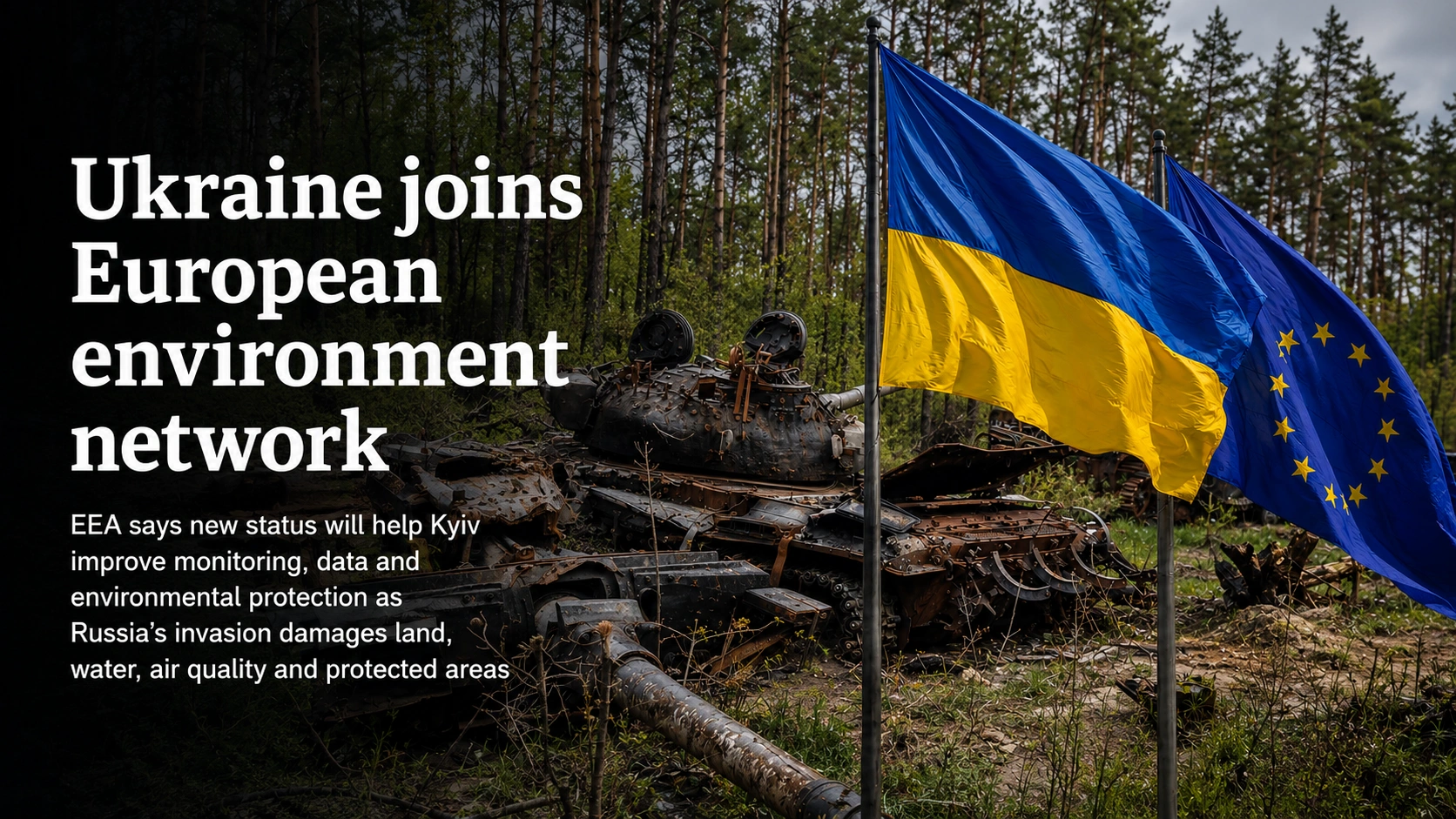
Ukraine joins European environment network in major conservation step after war damage to land and wildlife
-
China offers UK coastal rescue lessons as Yancheng wetlands hailed by conservation figures













Balearic Islands commit to 100% renewables by 2050
John E. Kaye
- Published
- Sustainability
TOP STORIES
-
Britain faces higher winter energy prices as reliance on European electricity imports grows
-
New Springer books put the UN’s struggling sustainability goals to the real-world test
-
Europe’s solar boom set for two-year slowdown after record growth
-
Scientists develop new chemicals to tackle devastating oil spills at sea
-
Giant wind turbine with 252-metre rotor could mean fewer machines and cheaper offshore power
-
Rescuers scramble to protect pod of 25 whales in Thames Estuary
-
Costa Rica’s research moment
-
Loch Lomond’s 'Bonnie Banks at risk’ from major road upgrade
-
Only 14% of companies can show supply chain safeguards are working, study finds
-
Hackers could plunge Britain into darkness in less than two minutes, report warns
-
Europe adds enough new wind power for 7m homes as record year beckons
-
New global map reveals 800 businesses trying to cut plastic waste
-
Six young sea eagles released on Exmoor after 200-year absence
-
Firms with political pals ‘get away with greenwashing’
-
Germany could run on full renewables by 2045, study reveals
-
Rewilding improves wellbeing and community connection, charity report says
-
A new energy era: full renewable energy supply is possible
-
Students unveil world’s first solar-powered ambulance
-
Nobel laureate Omar Yaghi launches global science network
-
Volunteers collect 11m rare seeds to restore Scotland’s native forests
-
Facebook owner Meta signs Texas solar deal with Turkish renewables firm
-
Street-by-street maps to reveal where England’s poorest communities face worst environmental risks
-
Stanley Johnson: the Government must ‘follow Ukraine back into Europe’s green network’
-
Ukraine joins European environment network in major conservation step after war damage to land and wildlife
-
China offers UK coastal rescue lessons as Yancheng wetlands hailed by conservation figures



